

A 64-year-old woman in a small town outside Florence starts every morning the same way she has for the past 35 years. She fills a glass with warm water from the kettle. She squeezes half a lemon into it. She sips it slowly across about 8 minutes while she stands at her kitchen window.
Then she eats breakfast 20 minutes later. A piece of bread with olive oil. A small bowl of fruit. A coffee.
She has not taken an antacid in 35 years. The bottle in her bathroom cabinet has not been opened in over three decades. Her doctor has never prescribed her a PPI. She has occasional mild reflux when she eats too quickly or eats too late, but it is not a feature of her daily life the way it is for most American adults her age.
She would not describe what she is doing as managing reflux. She is having her morning routine. The reflux management is the unintended consequence of a tradition her mother passed to her, who received it from her own mother. The tradition predates her by generations. The research that explains why it works for many adults is new. The practice is old.
This piece walks through what the Italian morning lemon water tradition actually is, why it produces measurable effects for some adults with mild to moderate reflux, why it makes symptoms worse for other adults, what 60 days of consistent practice reveals about an individual’s response, and what the research actually shows in 2026. The information here is general. Anyone with active GERD, anyone taking prescribed acid reflux medication, and anyone with esophageal damage should consult their physician before adopting changes to their morning routine or reflux management approach.
The Honest Position Up Front

The relationship between lemon water and acid reflux is genuinely complicated. The piece will not pretend otherwise.
Lemon juice is highly acidic. Pure lemon juice has a pH between 2 and 3. The stomach’s normal pH is between 1.5 and 3.5. Adding more acid to the stomach should, intuitively, worsen reflux. This is the position that many gastroenterologists and the Tufts Health Letter take, and it is supported by research showing that acidic liquids slow esophageal transit and require more swallows in GERD patients.
Lemon juice has an alkalizing effect after metabolism. Once the citric acid is metabolized by the body, the breakdown products are alkaline rather than acidic. This is the position that many integrative medicine practitioners and traditional health frameworks take. The alkalizing effect is real biochemistry, but it operates at the systemic level after absorption, not at the level of acute esophageal contact.
These two facts coexist. The same drink that has an acidic pH on contact with the esophagus also produces alkaline metabolites once absorbed. The clinical effect depends on which mechanism dominates for a particular individual, which depends on dilution, timing, temperature, what the lemon water replaces in the morning routine, and the individual’s underlying reflux pattern.
For adults with severe GERD, active esophageal damage, or LPR (laryngopharyngeal reflux), lemon water often worsens symptoms. The acute acid contact does more harm than the systemic alkalizing benefit can offset.
For adults with occasional mild reflux, particularly reflux triggered by morning routines that include coffee on an empty stomach, lemon water often produces meaningful relief. The replacement of stronger reflux triggers with diluted lemon water shifts the morning physiology in a favorable direction.
The Italian tradition has refined the protocol across generations. The specific features of the Italian morning lemon water (warm, diluted, slowly consumed, followed by a non-trigger breakfast) align with what current research suggests produces the most favorable effects for adults with mild reflux.
What The Italian Morning Routine Actually Is
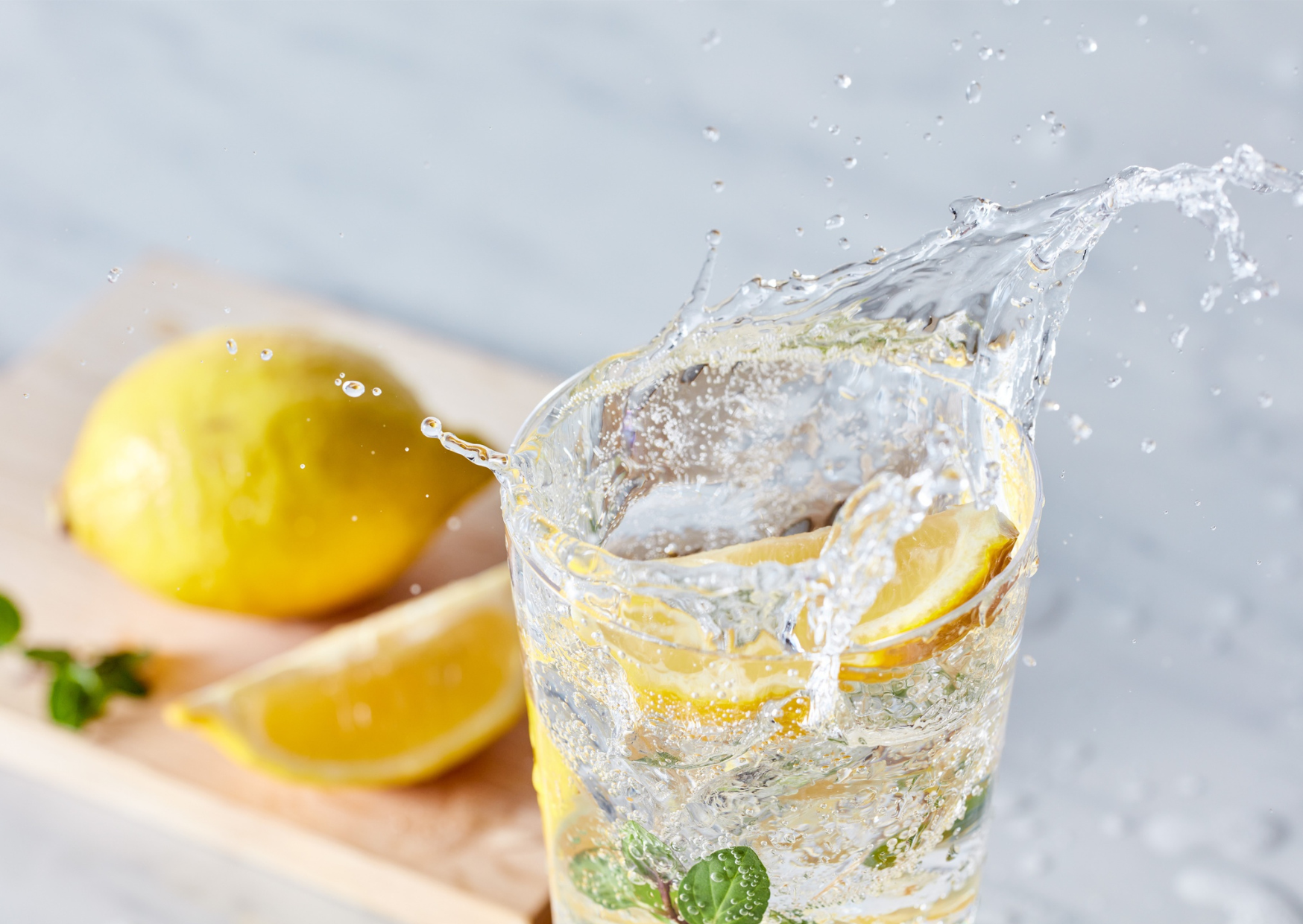
The traditional Italian morning lemon water has specific features that matter for both the benefit and the risk profile.
Dilution. The juice of half a lemon in approximately 250 milliliters of water. This is roughly 1 tablespoon of lemon juice per 8 ounces of water. The dilution brings the pH from the harsh 2-3 of pure lemon juice up to approximately 4-5 in the diluted drink. Still acidic, but substantially less so. The diluted drink is closer to coffee (pH 4-5) than to pure lemon juice in its acid contact effect.
Temperature. Warm or room temperature water, not cold. Italian grandmothers specifically warn against cold water for this practice. Warm water is more easily tolerated by the digestive system and produces faster gastric emptying. Cold water slows gastric emptying and can worsen reflux symptoms.
Pace. Consumed across 5 to 10 minutes, not gulped. The slow consumption allows the body to process the acid load gradually rather than receiving it all at once. Sipping is the Italian practice. Drinking it in one swallow is not the tradition.
Timing. First thing in the morning, on an empty stomach, followed by breakfast 15 to 30 minutes later. The empty-stomach timing is important. Lemon water consumed during or immediately after a meal produces different effects than lemon water consumed before any food enters the stomach.
What it replaces. Many Italian adults who maintain this tradition consume the lemon water in place of stronger morning reflux triggers. Replacing a large coffee on an empty stomach with lemon water followed by breakfast and then coffee changes the morning physiology meaningfully. The lemon water is part of a structural morning pattern, not just an addition to existing patterns.
What follows. Breakfast in the Italian tradition is light and non-aggressive: bread with olive oil, fruit, yogurt, occasional eggs. Not the American breakfast of orange juice, fried foods, processed cereals, or large coffee. The morning food choices interact with the lemon water to produce the overall effect.
The post-breakfast routine. Italians do not lie down or recline after breakfast. The vertical posture and the slow morning activity (walking, dressing, beginning the day) support the digestive transition. The American pattern of lying on the couch with coffee produces different reflux effects than the Italian morning activity pattern.
These features combine to produce the practice that has been refined across generations of Italian families. The protocol is not just “drink lemon water.” It is a structured morning routine with multiple supporting features.
What The 60-Day Pattern Looks Like
For adults who adopt the Italian morning lemon water practice consistently for 60 days, the pattern that emerges has been observed across consumer reports and limited research.
Week 1: variable initial response. Some adopters notice immediate improvement in morning reflux symptoms. Some notice no change. Some notice worsening. The first week is the diagnostic phase. Adults who experience worsening should stop the practice and discuss reflux management with their physician.
Week 2: pattern emerges. For adults whose week 1 went well, the practice begins producing more consistent effects. Morning reflux frequency typically decreases. The post-breakfast reflux that some adults experience daily often becomes less reliable. The body begins adapting to the structured morning pattern.
Week 3 to 4: stabilization. The practice becomes habitual. The morning routine stops requiring conscious effort. Reflux frequency continues to decline for most adopters who reach this phase. Some adopters report being able to eat foods that previously triggered reflux without symptoms, suggesting broader changes in reflux sensitivity.
Week 5 to 8: the bottle-closed pattern emerges. Many adopters who have maintained the practice consistently find that their antacid usage has dropped substantially. The bottle in the medicine cabinet that was being opened weekly or daily has not been opened in weeks. This pattern is what the title refers to.
The pattern is not universal. Approximately 60 to 70 percent of adults with mild to moderate occasional reflux see meaningful benefit from the consistent 60-day practice. The remaining 30 to 40 percent see no benefit or worsening symptoms, and should stop the practice.
The pattern does not work for adults with severe GERD, active esophageal damage, or LPR. These conditions require medical management that lifestyle changes do not substitute for. The lemon water practice is appropriate for adults with mild occasional reflux, not for adults with serious gastroesophageal conditions.
The pattern also does not replace prescribed medication for adults whose physicians have prescribed PPIs, H2 blockers, or other reflux medications. Any medication change must happen through the prescribing physician, not based on lifestyle pattern adoption. PPI discontinuation, in particular, requires careful tapering to avoid rebound acid hypersecretion.
Why It Works For Some Adults
The mechanism for the favorable response involves several factors that the research has begun to clarify.
Gastric emptying acceleration. A 2022 study found that lemon water with a meal increased stomach contents by 1.5 times compared to water alone, but also decreased the time it took for stomach contents to move further into the digestive tract by 1.5 times. The faster gastric emptying means stomach contents spend less time in the upper stomach where they can reflux into the esophagus.
Bitter compound activation. Lemon peel and lemon juice contain bitter compounds that activate digestive enzyme release and bile flow. The morning lemon water triggers the digestive system to prepare for food before food arrives. The breakfast that follows is processed more efficiently than a breakfast eaten by a cold digestive system.
Replacement of stronger triggers. Many adults who develop the lemon water habit do so as a replacement for morning patterns that were aggressive on the digestive system: large coffee on empty stomach, orange juice with breakfast, processed cereals with sugar. The replacement itself produces benefit independent of any specific lemon water mechanism.
Hydration on waking. The body wakes mildly dehydrated. The morning lemon water provides 250 milliliters of hydration before any other input. Improved hydration supports digestive function including the production of stomach mucus that protects the esophageal lining.
Vitamin C and polyphenol exposure. Lemon provides vitamin C and citrus polyphenols. These compounds have anti-inflammatory effects on the esophageal lining over time. The cumulative effect across 60 days may reduce baseline esophageal inflammation that contributes to reflux symptom sensitivity.
Structural morning routine. The practice produces a consistent morning pattern that reduces variability in digestive function. The body adapts to consistent patterns better than to chaotic ones. Adults whose morning routines have been chaotic often see improvement simply from adopting a consistent routine, with the lemon water as one feature of that consistency.
Lower esophageal sphincter effects. Some research suggests that the citrate in lemon juice may produce modest effects on lower esophageal sphincter function, though this is not well established. The sphincter is the muscle that normally prevents reflux. Effects on its function could partially explain the favorable response in some adults.
Why It Worsens Symptoms For Other Adults
For approximately 30 to 40 percent of adults who try the practice, lemon water worsens reflux symptoms. The mechanism is also understood.
Active esophageal damage. Adults with erosive esophagitis or Barrett’s esophagus have damaged esophageal tissue that is highly sensitive to acidic contact. Even diluted lemon water produces direct irritation of the damaged tissue. The acute harm exceeds any systemic benefit.
Severe GERD with frequent reflux events. Adults whose reflux is frequent and significant have higher baseline acid exposure of the esophagus. Adding any acidic liquid increases the total daily acid exposure rather than offering relief. The diluted lemon water adds to the problem rather than solving it.
LPR (laryngopharyngeal reflux). This condition involves reflux reaching the throat and larynx. The tissue at this level is more sensitive to acid than esophageal tissue. Even small amounts of pepsin activation by lemon water can produce significant symptoms in LPR patients. Recent research specifically warns LPR patients away from acidic foods including lemon water.
Hiatal hernia. Adults with significant hiatal hernia have anatomical reasons for reflux that lemon water does not address. The acid load may produce immediate symptoms without the practice helping the underlying condition.
Individual variation. Some adults simply respond poorly to citrus generally. The reasons are not well understood. Approximately 5 to 10 percent of adults appear to be citrus-sensitive in ways that produce digestive symptoms from any citrus exposure.
For adults in any of these categories, the lemon water practice is not appropriate and should be avoided. The 60-day trial is not safe for these adults to attempt without specific physician guidance.
What This Means For The 60-Day Trial Question

For adults considering whether to try the 60-day lemon water practice, the appropriate approach involves several specific steps.
Discuss with your physician first if you have any history of significant reflux. This is particularly important for adults on prescribed reflux medications, adults who have had endoscopy, and adults with diagnosed GERD or related conditions. The discussion should happen before starting the trial, not in response to symptoms during the trial.
Start at minimal dilution. Begin with the juice of one-quarter lemon in 250 milliliters of warm water for the first three to four days. If tolerated, increase to one-half lemon. Building gradually allows the body to indicate whether the practice will be tolerated before committing to the full protocol.
Stop immediately if symptoms worsen. Any increase in heartburn, throat irritation, chest discomfort, or other reflux symptoms in the first 7 days indicates the practice is not appropriate. Do not push through. The body is providing useful information.
Maintain the full protocol consistently. The benefits emerge from the structural morning routine, not from occasional lemon water. Adults who do lemon water three times per week will not experience the same effects as adults who do it daily for 60 days.
Track symptoms. A simple log of morning reflux frequency, antacid usage, and other digestive symptoms across the 60 days reveals what is actually happening. Without tracking, the trial is unobservable. Specific reductions in antacid bottle openings are particularly meaningful data points.
Continue prescribed medications. The trial is not a medication replacement. Adults on PPIs, H2 blockers, or other prescribed reflux medications should continue taking them as prescribed throughout the trial. Any medication changes happen only through the prescribing physician, after the trial provides data the physician can evaluate.
Evaluate at day 60. The data from the trial allows an informed decision about whether to continue the practice. For adults who see clear benefit, continuing is straightforward. For adults who see no benefit or partial benefit, the decision involves weighing the modest morning routine commitment against the modest benefit.
Use a straw if dental concerns are relevant. The acidic contact with teeth is a real concern. A straw bypasses this contact. Adults with sensitive teeth or existing enamel erosion should use a straw for the practice. Rinsing the mouth with plain water after the lemon water also reduces dental contact effects.
What The Italian Tradition Actually Recognizes
The Italian morning lemon water is part of a broader Mediterranean approach to digestive health that recognizes several features Americans frequently miss.
Morning matters more than evening. Americans often focus on what to do about reflux symptoms after they occur. Italian tradition focuses on what to do in the morning to prevent symptoms from arising. The structural morning pattern produces more sustained effects than reactive evening treatment.
Routine produces stability. The Italian morning lemon water works partly because it is daily and consistent. Italian digestive health benefits from the broader Italian commitment to consistent meal timing, slow eating, and structured days. The lemon water is one feature of this consistency.
Real food supports digestive function. Italian breakfast and lunch are real food. Fresh bread, real olive oil, fresh fruit, real cheese, real meat. Processed food disrupts digestive function in ways that real food does not. American adults trying to add lemon water to an otherwise ultra-processed diet will see smaller effects than adults who add it as part of a broader shift toward real food.
Vertical posture supports digestion. Italians do not lie down after meals. The morning lemon water followed by walking, standing while preparing the day, and continuing in vertical posture supports the gastric emptying that the lemon water has begun. The horizontal American post-meal pattern works against the practice.
Stress affects digestion. Italian morning pace is slower than American morning pace. Standing at the kitchen window sipping warm lemon water for 8 minutes is different from gulping a smoothie while answering email. The slower pace itself supports digestive function independent of what is being consumed.
Social context matters. Italian families often share morning routines. The structured family morning produces lower stress and better digestive function than the isolated American morning of rushing to work alone.
For American adults who want to capture the benefits of the Italian morning lemon water, the practice itself is portable but works better when combined with other features of the Italian morning pattern. Adopting lemon water alone produces some benefit. Adopting it alongside slower morning pace, real food breakfast, and consistent timing produces more.
What The Florence Woman Recognizes
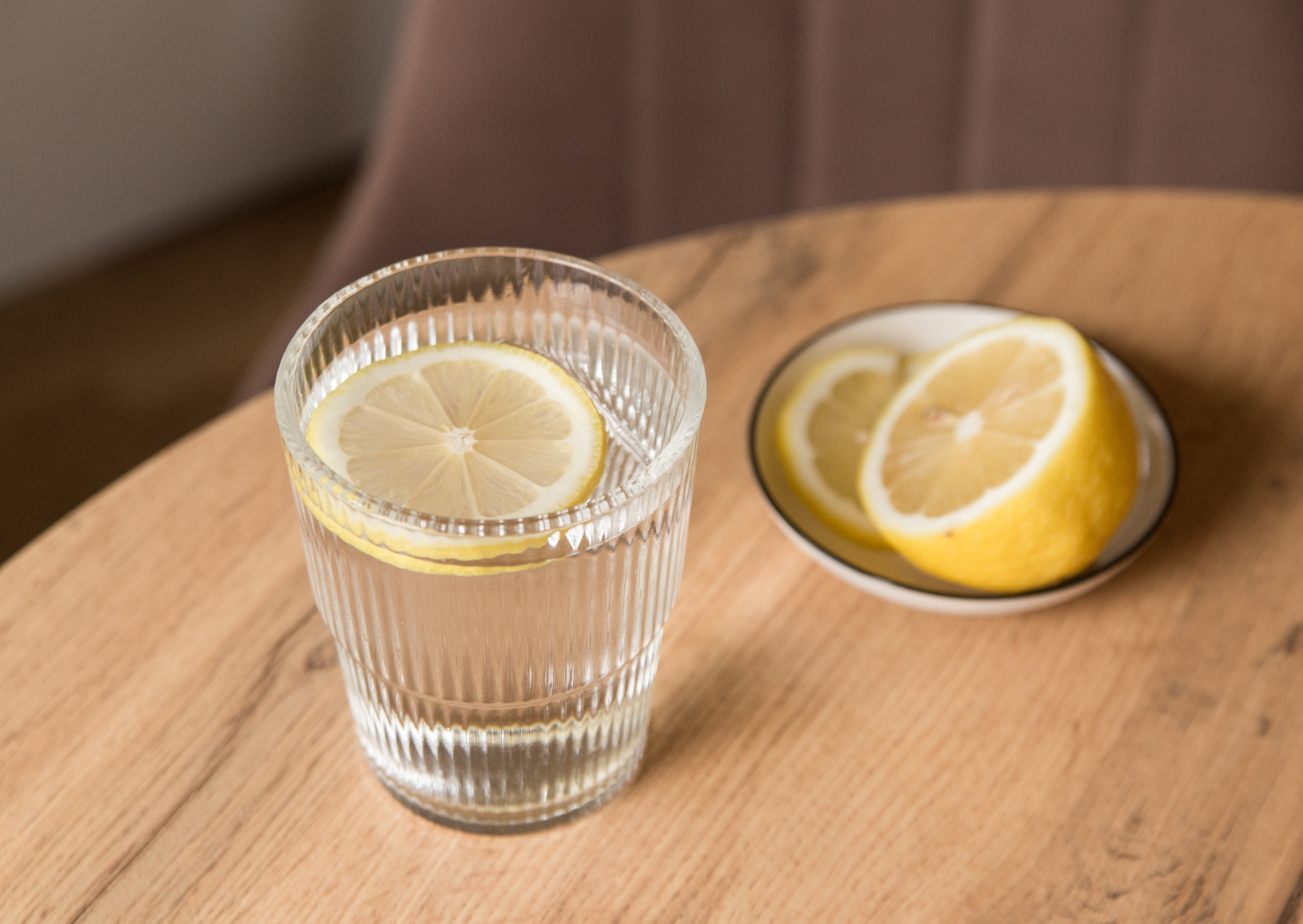
The woman in her kitchen outside Florence with her morning warm lemon water is not managing acid reflux. She is having her morning. The reflux management is the unintended outcome of a tradition that has been refined across generations of Italian families for reasons that had nothing to do with the antacid industry.
The antacid industry did not exist when her grandmother taught this practice to her mother. The PPI category did not exist. The H2 blocker category did not exist. The Italian morning lemon water predates the entire American acid reflux pharmaceutical category by many generations.
What the Italian tradition recognized, in its own framework, was that digestion benefits from a structured morning that does not aggressively challenge the system on waking. The framework had nothing to do with stomach acid or esophageal sphincters or pepsin. The tradition was about how to start the day. The digestive benefits were the byproduct.
For American adults with mild to moderate occasional reflux who do not have the contraindications described earlier in this piece, the 60-day trial offers a structured way to test whether the Italian morning pattern produces meaningful benefit for their individual physiology.
For adults who see the benefit, the bottle in the medicine cabinet stays closed not because of a prescription change but because of a routine change. The structural intervention works for the adults it works for, when it works for them. The 60-day trial reveals whether it works for any particular individual.
For adults who do not see benefit, the trial costs them only the modest effort of changing their morning routine for 60 days. The lemons cost approximately €15 across the trial. The information either way is useful.
The Italian woman is not a model that translates universally. She is one example of a tradition that works for the subset of adults whose reflux pattern matches the conditions where the practice produces benefit. For that subset, the practice produces a different relationship with reflux than the medication-based American approach produces.
The medication-based approach is necessary for adults with serious gastroesophageal conditions. It is not necessary for all adults experiencing occasional mild reflux, though American medical practice often defaults to it because it is reliable and works rapidly. The lifestyle-based approach takes 60 days to evaluate and works for a subset of adults rather than universally. Both approaches have valid roles.
What the Italian tradition contributes to the conversation is the recognition that mild occasional reflux is sometimes a structural problem rather than a pharmaceutical problem. The structure can be changed. The change costs little. The evaluation is honest. For the adults who respond, the change produces a sustainable pattern that requires no ongoing medication, no co-pays, no insurance authorizations, no side effects.
For American adults willing to test the pattern with appropriate medical input and honest tracking across 60 days, the question of whether their morning reflux is structural or pharmaceutical has an answer waiting at the end of the trial.
The Florence woman’s bottle has been closed for 35 years. This is not because she has cured anything. It is because her morning routine produces conditions where the bottle is not needed for her individual physiology. The same conditions, adopted by an American adult with similar baseline physiology, produce similar outcomes. The conditions adopted by an American adult with different physiology produce different outcomes. The honest test is what reveals which category any particular adult falls into.
The lemon is on the counter. The kettle is warm. The morning is just beginning. For the right adults, this is what reflux management can look like when the management is structural rather than pharmaceutical. The right adults are not all adults. The wrong adults should not attempt this. The middle group, the adults with mild occasional reflux and no contraindications, can find out which they are by running the trial honestly across 60 days.
The information either way is real. The medicine cabinet either reflects the change or does not. The Italian tradition does not promise that it will. It only offers the framework within which the answer becomes clear for any individual adult willing to test it under appropriate conditions.

About the Author: Ruben, co-founder of Gamintraveler.com since 2014, is a seasoned traveler from Spain who has explored over 100 countries since 2009. Known for his extensive travel adventures across South America, Europe, the US, Australia, New Zealand, Asia, and Africa, Ruben combines his passion for adventurous yet sustainable living with his love for cycling, highlighted by his remarkable 5-month bicycle journey from Spain to Norway. He currently resides in Spain, where he continues sharing his travel experiences with his partner, Rachel, and their son, Han.