
A grandmother in a small town outside Bari starts every morning the same way. Before coffee. Before bread. Before anything else. She drinks a small glass of extra virgin olive oil. About 30 milliliters. Cold. On an empty stomach.
She has done this every morning for 40 years. Her mother did it. Her grandmother did it. Most of the older women in her village do it. None of them are doing it for health reasons specifically. They are doing it because their mothers told them to, and because their mothers were doing what their mothers had told them to.
Recent research on extra virgin olive oil consumption has produced findings that explain what these grandmothers have been doing without explaining. A consistent cholesterol pattern emerges across consumers who adopt the morning olive oil practice for 60 days or longer. The pattern is documented in studies on Mediterranean diet adherence, in cardiovascular research, and increasingly in the practice notes of cardiologists working with patients who have tried the protocol.
This piece walks through what the practice actually is, what the cholesterol pattern looks like, why it emerges, and what the practical implications are for American adults considering whether to try it.
What The Morning Olive Oil Practice Actually Is
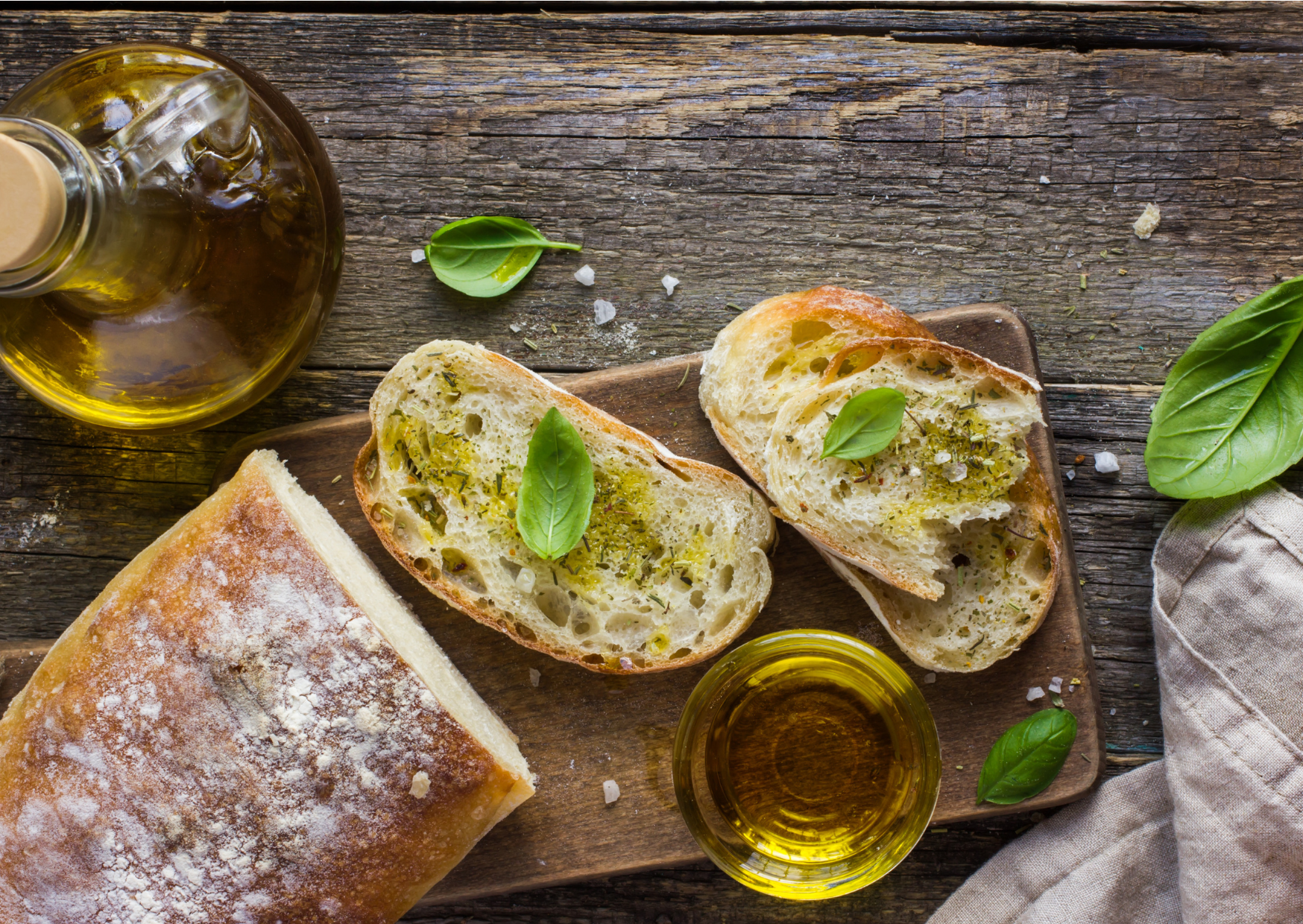
The traditional Italian morning olive oil practice has specific features that matter for the cholesterol effect.
Timing. The oil is consumed first thing in the morning, before any other food. The empty stomach is part of the protocol. Some practitioners wait 20 to 30 minutes before eating breakfast. Others have breakfast immediately afterward. The empty-stomach timing produces stronger effects than oil consumed with food.
Amount. Between 20 and 40 milliliters daily. The standard is approximately 30 milliliters, which is roughly 2 tablespoons. Smaller amounts produce smaller effects. Larger amounts produce diminishing additional returns and can cause gastrointestinal discomfort in some people.
Quality. Extra virgin olive oil specifically. Not refined olive oil. Not olive oil blends. Not olive oil labeled as “light.” The polyphenol content in extra virgin olive oil is the active ingredient. Refined or processed olive oils have most of their polyphenols stripped out during the refining process and produce much smaller cardiovascular effects.
Source. Italian, Spanish, Greek, or Portuguese extra virgin olive oil from the most recent harvest. Polyphenol content degrades with age. Olive oil more than 18 months past its harvest date has lost most of its active compounds. Olive oil stored in clear glass and exposed to light degrades faster. Dark glass bottles or stainless steel containers preserve the active compounds.
Consistency. Daily. The pattern depends on continuous practice rather than occasional use. Most studies show meaningful effects beginning at 30 days and continuing to build through 90 days. The effects diminish within 2 to 4 weeks of stopping the practice.
The traditional practice predates the modern research. Italian, Spanish, and Greek grandmothers have been doing this for centuries. The research is now catching up to what the practice has been producing all along.
What The Cholesterol Pattern Looks Like
The pattern that emerges across consumers who adopt the protocol consistently for 60 days or longer is documented enough to describe.
LDL cholesterol typically drops 8 to 20 mg/dL in consumers with starting LDL between 130 and 180. The drop is most pronounced in the first 30 days and continues to build modestly through day 60. Consumers with normal starting LDL see smaller absolute drops. Consumers with elevated starting LDL see larger absolute drops.
HDL cholesterol typically rises 3 to 8 mg/dL across the 60-day period. The rise is modest but consistent across study populations. The combined effect on the LDL/HDL ratio is more meaningful than either change alone.
Triglycerides typically drop 15 to 40 mg/dL in consumers with elevated starting triglycerides. The triglyceride effect appears earlier than the LDL effect and stabilizes by approximately day 30.
Total cholesterol drops by 10 to 25 mg/dL in most consumers. This is the combined result of the LDL reduction and the modest HDL increase. The total cholesterol drop is a less meaningful number than the underlying ratio changes but is what many patients see first on their lab results.
Oxidized LDL specifically drops by 15 to 30 percent in research that measures this marker. Oxidized LDL is more cardiovascularly damaging than total LDL. The reduction in oxidation is one of the most clinically meaningful effects of the practice. Olive oil polyphenols are specifically effective at preventing LDL oxidation.
Blood pressure effects appear in some consumers. Systolic reductions of 4 to 8 mmHg and diastolic reductions of 2 to 5 mmHg are documented in research, particularly in consumers with elevated starting blood pressure. The effect is smaller than the cholesterol effect but real.
Inflammatory markers (CRP specifically) drop in most consumers. The anti-inflammatory effect of olive oil polyphenols affects multiple cardiovascular pathways beyond cholesterol.
These changes are documented in published research on the Mediterranean diet pattern and in specific studies of olive oil consumption. The morning empty-stomach protocol produces stronger effects than olive oil consumed throughout the day with meals, because the polyphenol absorption is more concentrated and the cardiovascular protective mechanisms operate more efficiently.
Why The Mechanism Works
The biological mechanism is well understood at this point.
Polyphenols are the active compounds. Extra virgin olive oil contains specific polyphenols including oleocanthal, oleuropein, and hydroxytyrosol. These compounds have antioxidant and anti-inflammatory effects that directly affect cardiovascular markers.
Oleocanthal specifically inhibits inflammatory pathways in a way similar to ibuprofen, though much milder. The chronic anti-inflammatory effect produces measurable cardiovascular benefits over weeks and months. This is the compound that produces the throat-burning sensation when high-quality extra virgin olive oil is consumed straight.
The empty stomach absorption is more efficient. Polyphenols consumed with food are partially bound to food components and absorbed less completely. Polyphenols consumed on an empty stomach are absorbed more directly into the bloodstream, where they begin producing cardiovascular effects within 30 to 60 minutes.
The fat content slows gastric emptying. The 30 milliliters of olive oil sits in the stomach for 30 to 60 minutes before transferring to the small intestine. This produces sustained polyphenol release rather than a single absorption peak. The cardiovascular protective effect operates for several hours after consumption.
The monounsaturated fat composition affects lipid metabolism. Extra virgin olive oil is approximately 73 percent monounsaturated fatty acids, primarily oleic acid. The substitution of monounsaturated fat for the saturated fat or refined carbohydrates that would otherwise dominate American breakfasts produces direct effects on liver cholesterol production.
The vitamin E content provides additional antioxidant support. Extra virgin olive oil contains approximately 14 milligrams of vitamin E per 100 milliliters. This level is meaningful for cardiovascular protection.
The combined effect is structural rather than incremental. The 30 milliliters of morning olive oil affects multiple cardiovascular pathways simultaneously: cholesterol synthesis, LDL oxidation, inflammation, blood pressure, and metabolic health. The cumulative effect across 60 days is meaningful precisely because multiple mechanisms work in parallel.
Why The Italian Grandmothers Have Been Doing This For Generations
The morning olive oil tradition in Italian, Spanish, and Greek households predates the cardiovascular research by centuries. The traditional reasoning was different.
The tradition framed it as digestive support. Grandmothers told daughters that the morning oil “cleaned the stomach” and “started the day right.” The digestive framing is not entirely wrong. The oil does coat the stomach lining and may produce real protective effects against acid damage in some people.
The tradition framed it as constipation prevention. The lubricating effect of oil on the digestive tract is real. Regular morning olive oil consumption reduces constipation rates measurably. Many Italian grandmothers consider this the primary benefit even though the cardiovascular benefit is larger in magnitude.
The tradition framed it as skin and hair protection. The vitamin E content and the polyphenol antioxidants do affect skin and hair quality with sustained consumption. The mechanism is real, though the effect is modest.
The tradition framed it as joint and bone support. The anti-inflammatory effects of oleocanthal reduce joint inflammation in conditions including osteoarthritis. Many elderly Italians attribute their reduced joint pain to the morning oil practice.
The tradition framed it as life extension. The Italian, Greek, and Spanish blue zones (regions with unusually high concentrations of centenarians) all share the morning olive oil tradition among their cultural features. The grandmothers who attribute their long lives partly to the oil are not entirely wrong, though the longevity effect is the combined result of many lifestyle features rather than the oil alone.
What none of the traditional framings captured is the specific cardiovascular cholesterol effect. The grandmothers were producing cardiovascular protection without knowing they were doing so. The research has now identified what they were doing. The grandmothers do not need the research. They have the practice.
What The 60-Day Protocol Actually Requires
For American adults wanting to test the protocol, the implementation requirements are smaller than they might appear.
Source quality extra virgin olive oil. This is the single most important variable. Look for:
- Italian, Spanish, Greek, or Portuguese origin (not Tunisian, Moroccan, or California blends sold under Italian-sounding brand names)
- Harvest date within the last 12 months printed on the bottle
- Dark glass bottle or stainless steel container
- DOP (Denominazione di Origine Protetta) designation for Italian oils, DO for Spanish, PDO for European oils generally
- Cost between $18 and $35 per 500 ml bottle as a general quality indicator. Oil under $10 per 500ml is rarely genuine high-polyphenol extra virgin olive oil.
Storage matters. Once purchased, store in a dark cool place. Not next to the stove. Not in direct light. Not above the refrigerator where heat accumulates. Polyphenol degradation begins immediately on opening. Use the bottle within 6 weeks of opening for maximum effect.
Daily measurement. A small kitchen measuring cup or a shot glass with markings produces accurate 30 milliliter portions. Eyeballing the amount produces too much variation.
Timing. Consume immediately upon waking, before any other food or beverage other than water. The window before food matters. Coffee, tea, or breakfast can follow 15 to 30 minutes afterward.
Pace. Sip slowly rather than gulping. The slow consumption allows the polyphenols to begin absorbing in the mouth and throat. The throat-burning sensation in quality oil is the active compound (oleocanthal) doing its work. The burn is a good sign.
Consistency. Daily for 60 days minimum to evaluate the protocol honestly. Occasional consumption does not produce the cholesterol pattern. The daily practice is required.
Baseline measurement. A lipid panel before starting and another at day 60 (or day 90 for clearer signal) shows what changed. Without measurement, the consumer cannot evaluate whether the protocol worked for them specifically.
What The Cost Of A 60-Day Trial Actually Looks Like
The financial cost of testing the protocol is modest.
Olive oil cost. Quality extra virgin olive oil at €20 to €35 per 500ml bottle. 30 milliliters per day equals approximately 900 milliliters across 60 days. Total oil cost: €36 to €63 across the 60-day trial.
Baseline lab work. A standard lipid panel runs $30 to $80 in the US depending on insurance and provider. Most insurance plans cover annual lipid panels with no copay. Baseline lab work is typically already covered by existing healthcare arrangements.
Day 60 follow-up labs. Same as baseline. Either covered by insurance or modest out-of-pocket cost.
Total cost of evaluating the protocol: approximately $40 to $80 beyond the oil itself, assuming insurance covers the labs.
This is dramatically lower than the cost of starting a new prescription medication, which typically runs $200 to $800 per month depending on the specific drug. The protocol is testable at minimal cost. The evaluation is straightforward.
What This Pattern Suggests For American Adults Managing Cholesterol
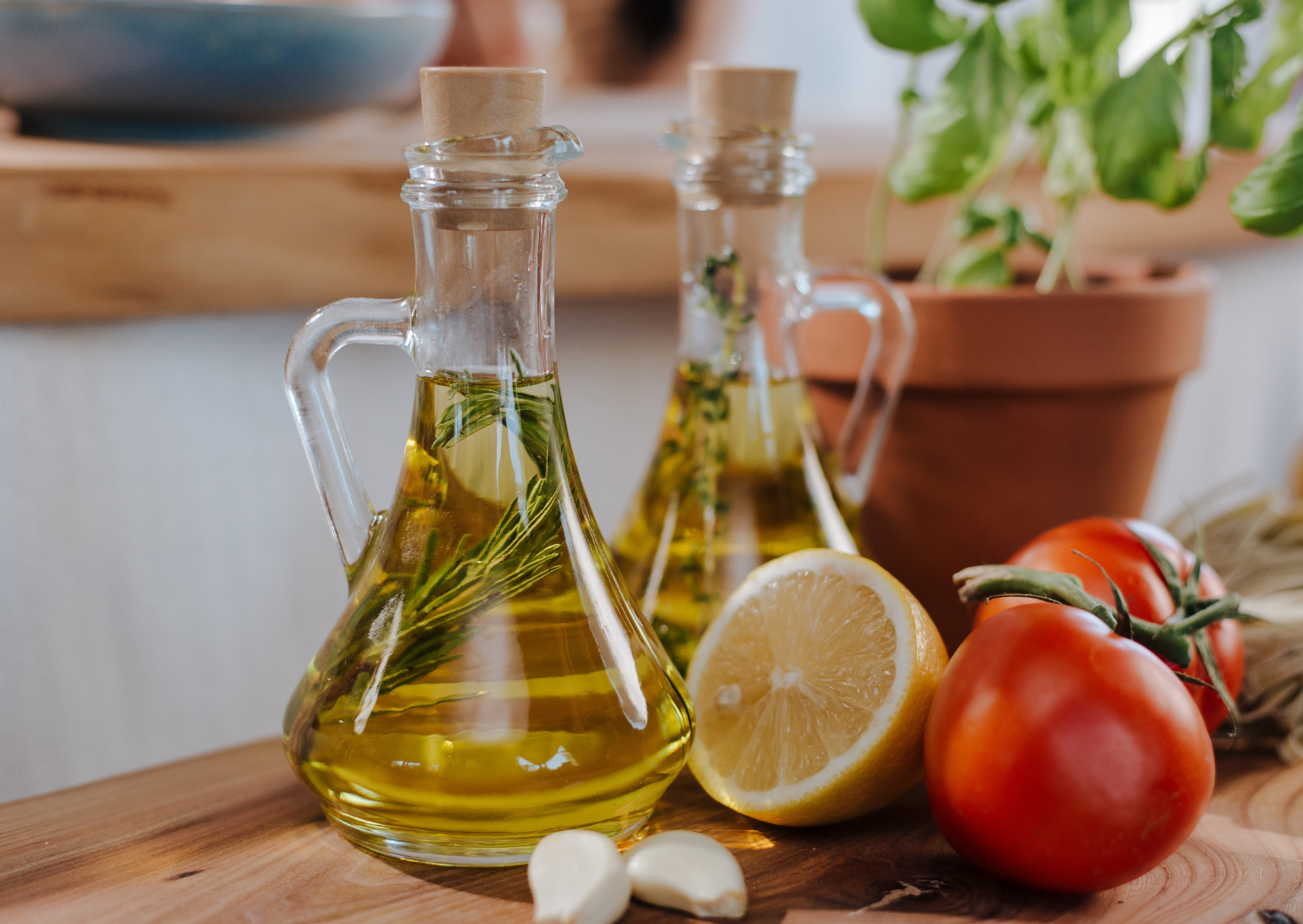
For American adults currently managing cholesterol concerns, several practical implications follow.
The protocol is not a replacement for prescribed cardiovascular medication. Statins, fibrates, ezetimibe, PCSK9 inhibitors, and other cardiovascular medications are prescribed based on specific risk assessments and produce specific protective effects that olive oil consumption cannot match. Patients currently on these medications should never stop taking them without medical supervision. The cardiovascular consequences of medication discontinuation against medical advice are well-documented and include heart attacks and strokes.
The protocol can supplement prescribed medication. Patients on statins or other cardiovascular medications who add the morning olive oil practice often see additional improvements in their lipid profile beyond what the medication alone produces. This is a conversation to have with the prescribing physician, who may adjust medication doses based on improved lab results over time. Any medication adjustment must be made by the physician, not by the patient based on dietary changes.
The protocol can be a first-line intervention for patients with borderline-elevated cholesterol who do not yet require medication. Many cardiologists prefer to try dietary and lifestyle interventions for 3 to 6 months before starting medication for patients with mild to moderate cholesterol elevation. The morning olive oil protocol can be part of this lifestyle intervention period.
The protocol works better in combination with other Mediterranean diet features than in isolation. Adding the morning olive oil to an otherwise standard American diet produces some benefit. Adding it alongside reduced ultra-processed food consumption, more vegetables and legumes, less red meat, and more fish produces substantially larger benefits. The combined intervention produces the strongest effect.
Individual responses vary substantially. Some adults see dramatic cholesterol improvements within 60 days. Some see modest improvements. A small percentage see minimal improvement. The variability is genuine and not fully understood. Genetic factors, baseline lipid profile, other dietary patterns, exercise habits, and medications all affect individual response.
Sustained practice is required for sustained benefit. Stopping the protocol returns lipid markers toward baseline within 4 to 8 weeks. The benefit depends on continued daily practice. This is different from medication, which produces effects independent of patient motivation. The protocol works only as long as it is practiced.
For any American adult with diabetes, blood pressure conditions, prescribed cardiovascular medications, gallbladder issues, or other relevant medical history, any significant dietary change including this protocol should be discussed with the prescribing physician before implementation. Olive oil consumption can interact with certain medications. The protocol is generally safe but individual medical contexts matter and require individual evaluation.
What The Pattern Recognizes
The cholesterol pattern that emerges across consumers who run the 60-day morning olive oil protocol consistently is real, measurable, and supported by published research.
The pattern is not exotic. It is the predictable physiological result of consuming concentrated polyphenols on an empty stomach daily for two months. The mechanism is understood. The effect size is meaningful. The intervention is low-cost and low-risk for most adults.
The Italian and Spanish and Greek grandmothers who have been doing this for generations were producing cardiovascular protection without knowing they were doing so. The research has now documented what they were producing. The framing has shifted from cultural tradition to evidence-based practice, though the actual practice is unchanged.
For American adults considering whether to test the protocol, the practical question is whether they can sustain daily quality olive oil consumption for 60 days. Most adults can. The cost is modest. The time investment is 2 minutes per day. The required behavior change is small.
The protocol does not replace medication for patients with serious cardiovascular conditions. It does not produce miracles. It does not work identically for all individuals.
What it does produce, for most adults who run it consistently with quality oil, is a measurable improvement in cholesterol markers that contributes to reduced cardiovascular risk over time. The improvement is on the order of what a low-dose statin might produce for some patients, though the mechanisms are different and the two interventions can work together rather than substituting for each other.
The grandmother in Bari drinking her morning olive oil is not running a protocol. She is doing what her mother told her to do. The cardiovascular protection is the byproduct of a cultural practice that has been refined across generations.
For American adults considering whether to adopt the same practice, the protocol is available at modest cost, requires small daily behavior change, and produces measurable results across 60 days of consistent practice. The evaluation is honest and straightforward. The lab results at day 60 either show meaningful change or they do not.
The Italian grandmothers are not waiting for the research. They have been making the choice for their families across generations. American adults benefit from the research that explains what the practice produces, and from the practice itself if they decide to adopt it.
The morning olive oil is not magic. It is a specific intervention with specific effects that have been documented across substantial research. For consumers willing to source quality oil and maintain daily consistency, the cholesterol pattern emerges reliably enough to be worth knowing about.
What emerges across 60 days is not dramatic transformation. It is incremental measurable improvement in the cardiovascular markers that matter. For adults concerned about their own cardiovascular trajectory, this kind of incremental improvement compounds across years and decades into meaningful differences in long-term outcomes. The Bari grandmother at 84 with the cardiovascular markers of someone 15 years younger is the long-term version of what the 60-day pattern is beginning to produce.
The 60-day frame is the entry point. The lifetime frame is where the actual benefit accumulates. For American adults considering the entry, the cost is small and the evaluation is honest. The research supports the practice. The grandmothers have already lived the proof.

About the Author: Ruben, co-founder of Gamintraveler.com since 2014, is a seasoned traveler from Spain who has explored over 100 countries since 2009. Known for his extensive travel adventures across South America, Europe, the US, Australia, New Zealand, Asia, and Africa, Ruben combines his passion for adventurous yet sustainable living with his love for cycling, highlighted by his remarkable 5-month bicycle journey from Spain to Norway. He currently resides in Spain, where he continues sharing his travel experiences with his partner, Rachel, and their son, Han.