

An American couple from Ohio arrives at a public pool in Valencia on a Tuesday morning in July. The pool is half full. A grandmother in her sixties is doing slow laps. Two women in their thirties are reading on loungers. Several teenagers are playing in the deep end.
About half the women are topless.
The American couple stops at the edge of the pool. The husband does not know where to look. The wife pulls her own towel tighter around her shoulders. They consider leaving.
They have walked into a normal Tuesday at a normal Spanish public pool. Nothing about the scene would register as unusual to any Spaniard present. To the American visitors, it reads as shocking, possibly inappropriate, definitely uncomfortable.
This piece is about what the American couple is actually seeing, why the Spanish do not see it the same way, and why the American reaction reveals more about American culture than about Spanish culture.
What Is Actually Happening At The Pool

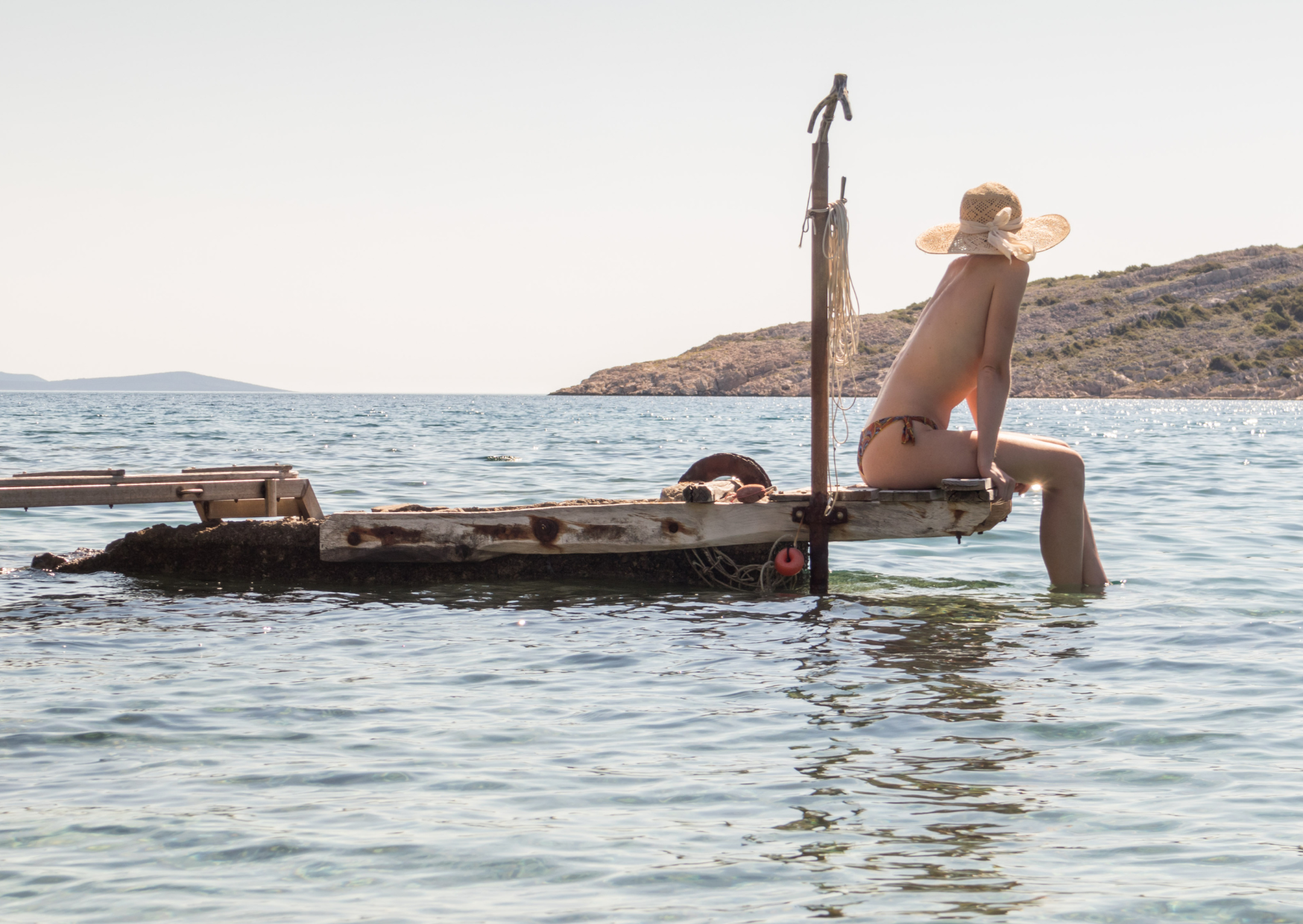
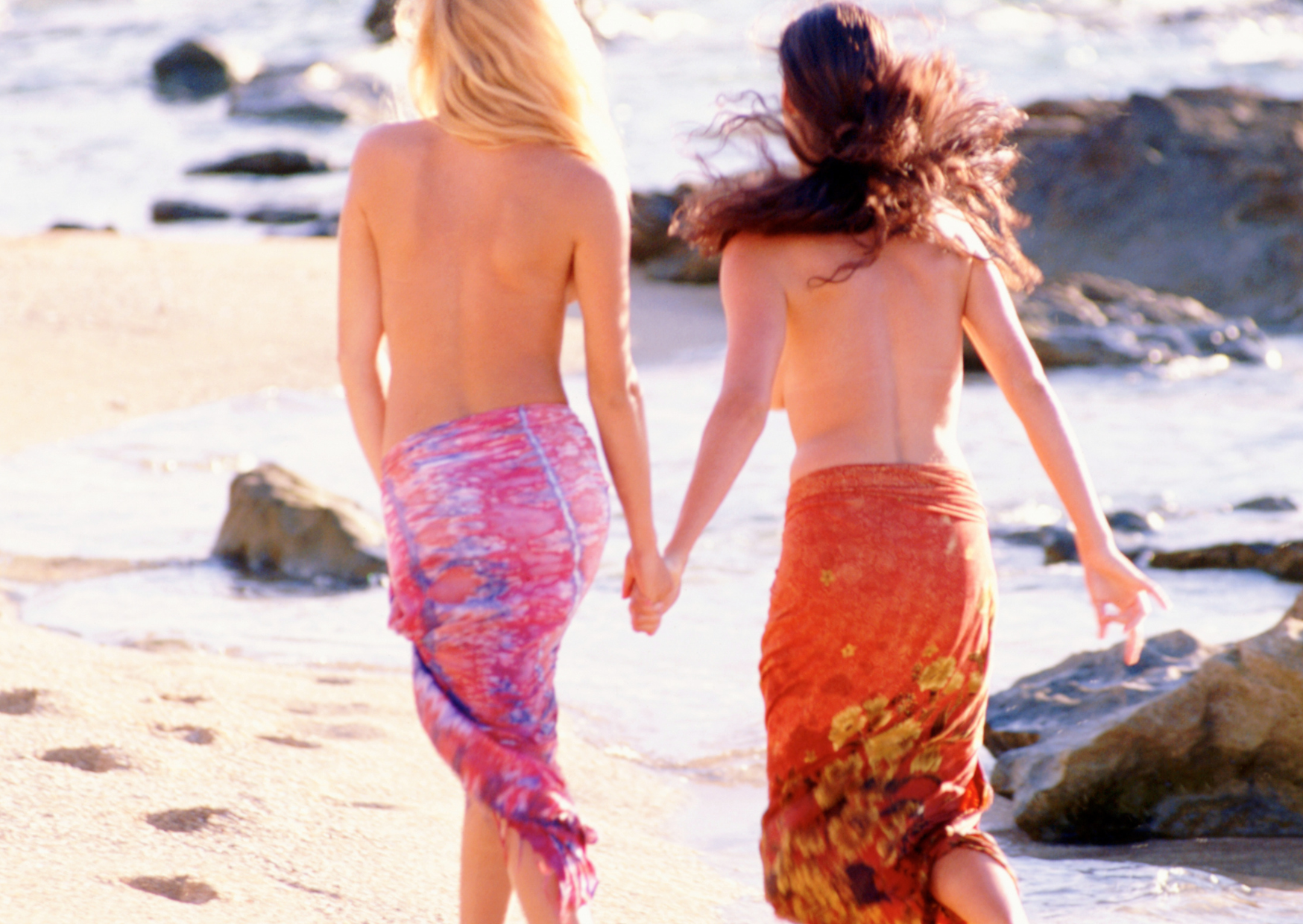
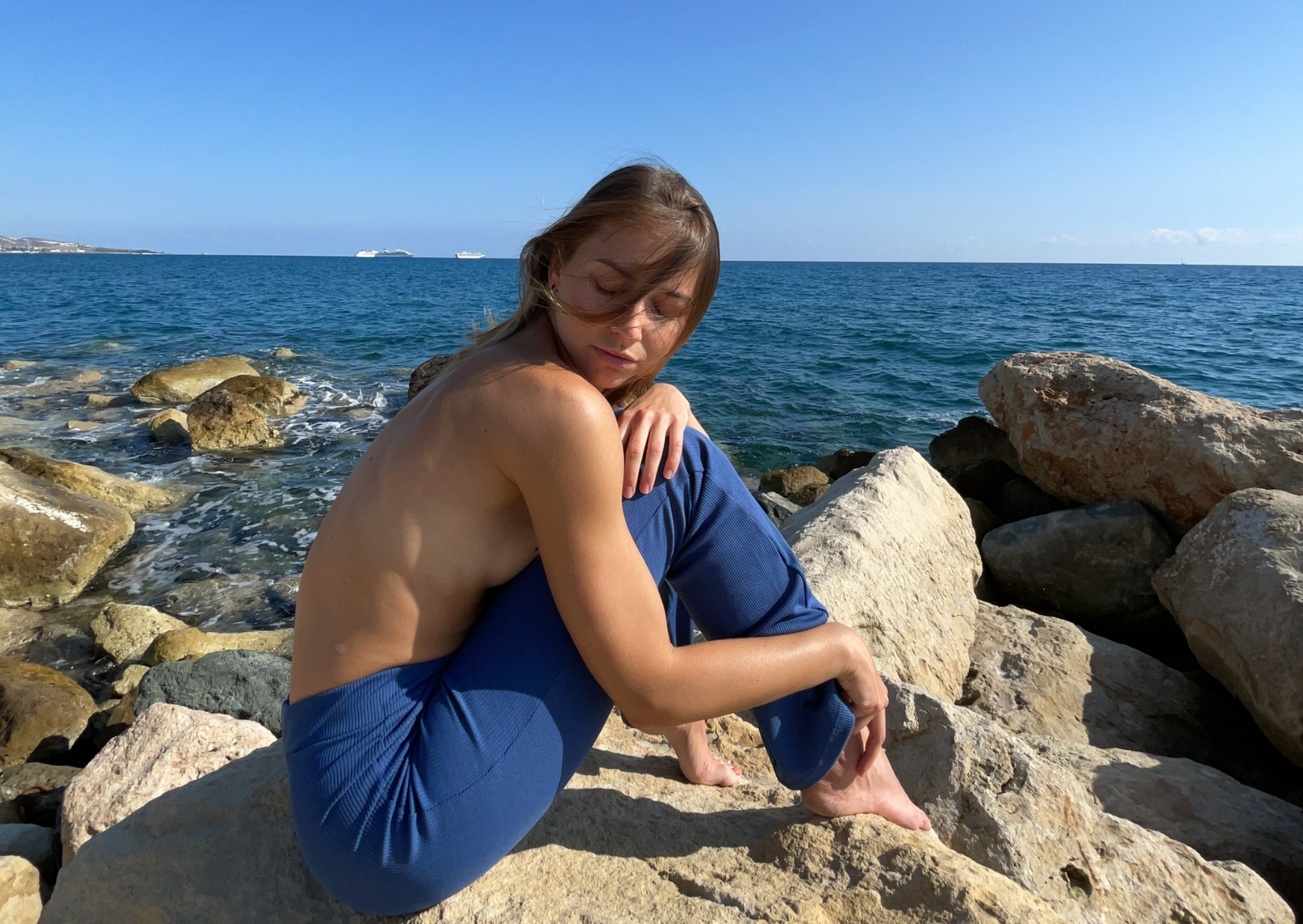
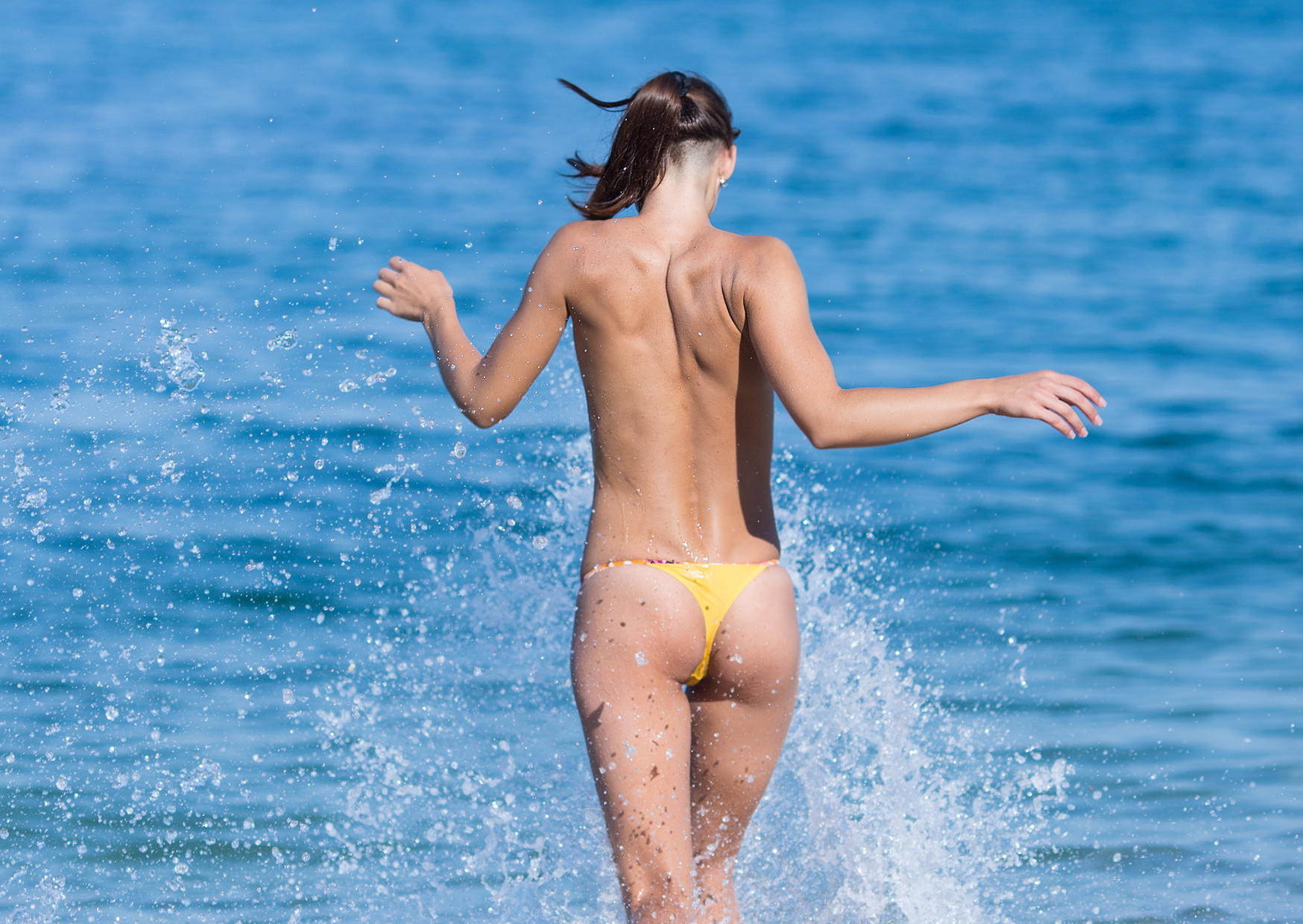
Spanish women have been bathing topless at public pools and beaches for several decades. The practice became widespread during the late 1970s and 1980s, in the cultural opening that followed the end of the Franco dictatorship in 1975. By the early 1990s, topless bathing was simply normal across most Spanish coastal areas and public swimming facilities.
The norm holds across age. Young women in their twenties. Mothers with their children. Grandmothers swimming their morning laps. The behavior is not generational or rebellious. It is just what Spanish women do at the pool or the beach when they feel like it.
The norm is not universal. Some Spanish women always wear tops. Some never do. Many switch depending on context, mood, weather, or who they are with. The choice is treated as personal preference rather than moral statement. No one is making a feminist point. No one is being scandalous. Women are at the pool. They are wearing what they feel like wearing.
Spanish men do not stare. They do not photograph. They do not comment. The cultural training is consistent: a topless woman at a pool is a woman at a pool, not a sexual display. The body is not the issue. The body is not interesting. It is just there, like everyone else’s body, in the heat of a Spanish summer.
The same norm extends to mixed-gender saunas in some Spanish gyms, certain spa facilities, and some beaches that are specifically designated as nudist (where total nudity is the standard). But the everyday context for American tourists is the public swimming pool and the regular beach, where topless is the unremarkable baseline.
Why Americans Experience It As Shocking

The American reaction to Spanish public bathing reveals several layers of American cultural assumption that travel poorly.
The sexualization of the female chest is specifically American. Most cultures throughout most of history have not treated the bare female chest as inherently sexual. American culture, particularly since the mid-twentieth century, has built an entire framework around treating the female chest as primarily sexual content that must be covered in public to maintain decency. This framework is not universal. It is a specific American cultural production.
When the American tourist arrives in Spain and sees topless women at a public pool, the American framework processes the scene as sexual content displayed in a public space. The Spanish women are doing nothing sexual. The Spanish context is not sexual. The sexualization happens entirely in the American observer’s framework, which the observer has imported with them.
The shame framework around the body is also specifically American. American culture, with deep roots in Puritan and evangelical Protestant traditions, treats the body as something potentially shameful that requires careful management. Spanish culture, with deep roots in Mediterranean traditions including Roman and Catholic frameworks, treats the body as natural and unremarkable in most contexts. The body is not shameful. The body is just a body.
The American reaction of looking away, pulling towels tighter, or feeling uncomfortable is the American framework asserting itself in a context where it does not apply. The discomfort is real. The framework producing it is not shared by the people the framework is reacting to.
The performance of modesty is specifically American. American beach culture involves substantial costume choices that signal modesty even when the costume is revealing. The full-coverage bikini that costs $80. The cover-up worn from the parking lot to the lounger. The towel held strategically when standing up. These are American performances of modesty that have specific cultural meaning.
Spanish bathing culture does not include these performances. A Spanish woman walks from the changing room to the pool topless and back without any sense that something significant is happening. She is changing locations. She is not performing anything.
The American tourist watching this often reads the absence of performance as casualness, indifference, or boldness. The Spanish woman is none of these things. She is simply not performing the American modesty script because she is not in an American cultural context.
What The Spanish Norm Is Actually Built On
Several specific cultural and historical foundations produce the Spanish norm.
The body is not inherently shameful in Mediterranean Catholic culture. Spanish Catholicism, despite its conservative reputation in some contexts, does not produce the body-shame framework that American Protestantism does. The body is a creation of God. The body is to be treated with dignity but not hidden as if it were sinful. This is a different theology of the body than the American Protestant framework operates with.
The post-Franco cultural opening was deliberate. When Franco died in 1975 and Spain transitioned to democracy, one of the visible changes was the rapid liberalization of cultural norms around the body. The 1980s movida madrileña in Madrid and similar cultural movements across Spain explicitly rejected the repressive body norms of the Franco era. Topless bathing was part of this cultural reclamation, not as a political statement but as the natural return to a Mediterranean norm that had been suppressed.
The summer heat is real. Spanish summers regularly run 35 to 42 degrees Celsius. The cultural acceptance of bathing as a primary heat management strategy produces a context where bathing happens often, casually, and without elaborate costume choices. The American assumption that swimming is a recreational activity that happens occasionally produces a different relationship with bathing dress than the Spanish assumption that swimming is a near-daily summer activity.
The architecture supports the norm. Spanish public pools, beaches, and bathing facilities are designed with the assumption that people will move comfortably through them. There are no privacy curtains around individual changing areas. The transitions from dressed to undressed to in-pool happen casually because the architecture does not produce friction around them.
The gender norm is not aggressively policed. Spanish men do not produce the kind of leering, photographing, or aggressive attention that women in some other cultures would face in the same situations. The norm is enforced socially in both directions. Topless women are normal. Men staring at topless women are not normal. The behavior expectations on both sides have been calibrated together.
This norm produces a context where women can choose to bathe topless without becoming the focus of male attention. The choice is therefore actually a choice, not a calculation about how much male attention the woman is willing to absorb. The freedom to choose depends on the cultural environment that supports the choice.
What American Tourists Frequently Get Wrong
The American reactions to Spanish public bathing produce predictable misunderstandings.
Photographing is taken as deeply offensive. Some American tourists, particularly American men, reach for their phones when they encounter topless bathing. This is recognized immediately by Spanish bystanders as inappropriate. Spanish men do not photograph women at the pool. The American who does is identified as a tourist behaving badly. In some cases, the photographer can be asked to leave the facility. Photos taken without consent can produce legal consequences under Spanish privacy law.
Staring is recognized. Spanish social norms include a strong taboo against extended staring in public spaces generally. The American tourist who cannot stop looking at topless women at the pool is engaging in a behavior that registers as rude even before the topless context is considered. The combination of staring plus the implication that the staring is sexually motivated produces visible disapproval from Spanish bystanders.
Complaining to management is sometimes attempted. American tourists occasionally approach pool staff to complain that women are bathing topless. The complaint is incomprehensible to the staff. The staff is not going to ask the women to put tops on. The behavior being complained about is not against the rules. The American who tries this is gently informed that this is how Spanish pools work.
Bringing children into the situation produces particular friction. American parents sometimes pull their children away from the pool when they see topless bathing, or cover their children’s eyes, or leave entirely. The Spanish observer sees this as the American parents teaching their children that the human body is shameful, which is exactly what the parents are doing but not how they would describe it. The Spanish children at the same pool are not being damaged by seeing breasts. They are just at the pool.
Lecturing Spaniards about the practice is sometimes attempted. American tourists, particularly American religious tourists, sometimes feel called to explain to Spaniards why what they are doing is wrong, immoral, or culturally inappropriate. The lecturing is received as the tourist not understanding where they are. The Spanish person being lectured is in their own country. The cultural norm being criticized is the norm of their own culture. The American doing the lecturing is the visitor.
Bathing yourself in cover-up to demonstrate American modesty produces no response. Some American women specifically wear more conservative swimwear than they would at home as a kind of protest or contrast. No Spaniard cares. The American woman in the high-coverage rash guard is just an American woman in a high-coverage rash guard. Nothing is being communicated to the Spanish bathers, who do not consider their own choices to require defense.
What This Tells American Travelers
For American tourists visiting Spain, several practical implications follow from the cultural reality.
Expect topless bathing at any Spanish public pool or beach. It will be common. It will be normal. No one is going to ask you in advance whether you find it acceptable. Spain is operating under Spanish norms, which include this norm.
Do not photograph. Do not point. Do not stare. The Spanish framework treats women at the pool as women at the pool. Anything that disrupts that framework by treating them as sexual objects is the visitor’s failure to operate within the local context.
Wear whatever you find comfortable. No one is checking. Wear a one-piece if that is what works for you. Wear a bikini. Wear a rash guard. The Spanish norm includes complete personal freedom in this choice. It does not require you to bathe topless. It does not require you to bathe in any specific way.
Do not require your children to look away. The Spanish children at the pool are seeing the same scene. They are not being harmed. Teaching your children that the human body is shameful is a choice you are making, not a fact about the situation. If you decide to make that choice, do it without producing visible reactions that draw Spanish attention.
Do not assume topless means sexually available. The Spanish woman bathing topless is no more available to you than the Spanish woman wearing a full one-piece. The bathing context is not a sexual context in Spanish culture. Approaching, conversing aggressively, or assuming any particular receptivity based on bathing dress is a fundamental category error.
Recognize the limits of your own framework. The American reaction of finding this shocking is a real reaction, but it is a reaction produced by American cultural training rather than by anything inherent to the situation. You are encountering a different cultural framework than the one you are used to. The framework you are used to is not the universal framework. It is the American framework.
Adjust your behavior to the local context. This is the practical implication of all of the above. You are a visitor. The local context operates under local norms. The local norms include topless bathing as unremarkable. Your job as a visitor is to operate within the local norms, not to react against them or attempt to change them.
What The Spanish Norm Recognizes

The Spanish acceptance of topless bathing recognizes several things that the American framework does not.
The female body is not the property of the surrounding men. The Spanish norm allows women to make choices about their own bodies in public space without those choices being interpreted as messages to men. The American framework treats the bare female chest as primarily a signal directed at male observers. The Spanish framework does not.
Modesty is not virtue. The American framework often treats covering up as morally superior to revealing. The Spanish framework treats both as equally valid personal choices. There is no virtue points awarded for full coverage in the Spanish bathing context.
The body is not the enemy. The American framework can produce surprising hostility toward the body, particularly the female body. The Spanish framework treats the body as the basic equipment of being a human, neither praiseworthy nor shameful, just present. The body is not something to overcome or hide. It is something to inhabit comfortably.
Children are not damaged by seeing bodies. The American framework often assumes that children must be protected from seeing the human form in any state of undress. The Spanish framework treats children as the same humans who will themselves have bodies and will see other bodies throughout their lives. The exposure is not protective. It is just life.
Cultural specificity is real. Different cultures handle these questions differently. No culture is universally correct. The Spanish norm is not better than the American norm in some absolute sense. It is different. The Spanish norm produces a particular set of consequences (more relaxed bathing culture, less performance, no need to constantly negotiate modesty) that work for the Spaniards who live within it.
What This Says About Cultural Adaptation More Broadly
The Spanish bathing norm is one example of a broader pattern. American travelers consistently encounter local norms that produce reactions the local culture does not share. The pattern is not unique to Spain or to bathing.
The Japanese onsen with mixed-gender or completely naked bathing produces similar American reactions. The Finnish sauna with naked bathing of both genders produces similar American reactions. The German FKK (free body culture) beaches produce similar American reactions. In each case, the American framework imports sexualization, shame, or discomfort that the local culture has not produced.
The travelers who handle these situations well share recognizable characteristics. They recognize that their own reaction is their own reaction, not a universal truth. They do not perform their discomfort visibly. They do not lecture locals about the local culture. They do not photograph or stare. They simply exist in the local context as guests, observing, not interpreting, not judging.
The travelers who do not handle these situations well produce friction, embarrassment, and sometimes legal consequences. The American at the Spanish pool who cannot stop staring becomes the subject of conversation among the Spanish bathers, who recognize that they are dealing with a visitor who has not learned how to be in their country.
For American travelers planning Spain trips, the practical implication is to know the bathing culture in advance. The shock of encountering it unprepared produces the worst reactions. The knowledge of what to expect produces a calmer response that allows the American to enjoy the pool or the beach without producing friction.
The Spanish woman swimming topless in Valencia on a Tuesday morning is not testing the American tourist. She is just swimming. The American tourist is being tested only by their own framework, which has produced a reaction the situation does not actually warrant.
Spain is a country where this norm exists and will continue to exist. American tourists who plan to visit Spain in 2026 and beyond will encounter it. The encounter is part of the experience of being in Spain. The encounter is not optional. What is optional is whether the American tourist enters that encounter prepared to operate within the local framework, or unprepared and reacting against it.
The American couple at the Valencia pool that morning has a choice. They can stay, find their loungers, swim their own laps, ignore what other people are wearing, and enjoy the morning at a beautiful Spanish public pool. They can leave and go somewhere else and tell the story for years afterward as evidence that Spain is shocking. The pool will be the same either way. Their experience of it will be different depending on the framework they choose to bring to it.
The Spanish bathing culture is one of many features of Spanish life that operate differently than American visitors expect. The features are not problems to be solved. They are aspects of a different country that has organized itself differently. The visitors who can hold both possibilities (that their own culture is one of many, and that other cultures have their own valid logics) are the visitors who travel well in Spain. The visitors who cannot hold this often find themselves spending their Spain trips in increasingly small circles of American-friendly venues, missing most of what Spain actually offers.
The pool is open. The water is good. The other bathers are not interested in what you are wearing or not wearing. Spain is not testing you. It is offering you a Tuesday morning at a public pool, with the heat already rising, and the option to participate or not.

About the Author: Ruben, co-founder of Gamintraveler.com since 2014, is a seasoned traveler from Spain who has explored over 100 countries since 2009. Known for his extensive travel adventures across South America, Europe, the US, Australia, New Zealand, Asia, and Africa, Ruben combines his passion for adventurous yet sustainable living with his love for cycling, highlighted by his remarkable 5-month bicycle journey from Spain to Norway. He currently resides in Spain, where he continues sharing his travel experiences with his partner, Rachel, and their son, Han.
Willempy
Sunday 24th of May 2026
These tips say the most important thing between the lines: Americans should understand that the world is not as crazy and (hypocritical prude) as the USA. We play, we have fun and enjoy life. These tips not only apply to Spain, they do to most of Europe. If you are not willing to accept cultural differences, stay in your state.