
For two American retirees who want comfort without luxury, the cheapest country is not always the one with the cheapest coffee. The real bill comes from hotels, trains, tourist taxes, stairs, heat, and how many famous cities the itinerary tries to swallow.
Two retirees can spend 14 days in Italy, Portugal, or Spain and feel like they took three completely different trips.
Italy gives the biggest cultural hit and the highest daily friction.
Portugal still gives good value, but Lisbon is no longer the cheap secret Americans keep repeating from 2016.
Spain wins when the itinerary avoids Barcelona and uses trains well.
The clean comparison, before flights from the U.S., looks like this: Spain around €3,200 to €4,900, Portugal around €3,300 to €4,900, and Italy around €4,250 to €6,100 for two people on a careful but comfortable 14-day trip.
The Comparison Only Works If The Trip Is Built The Same Way
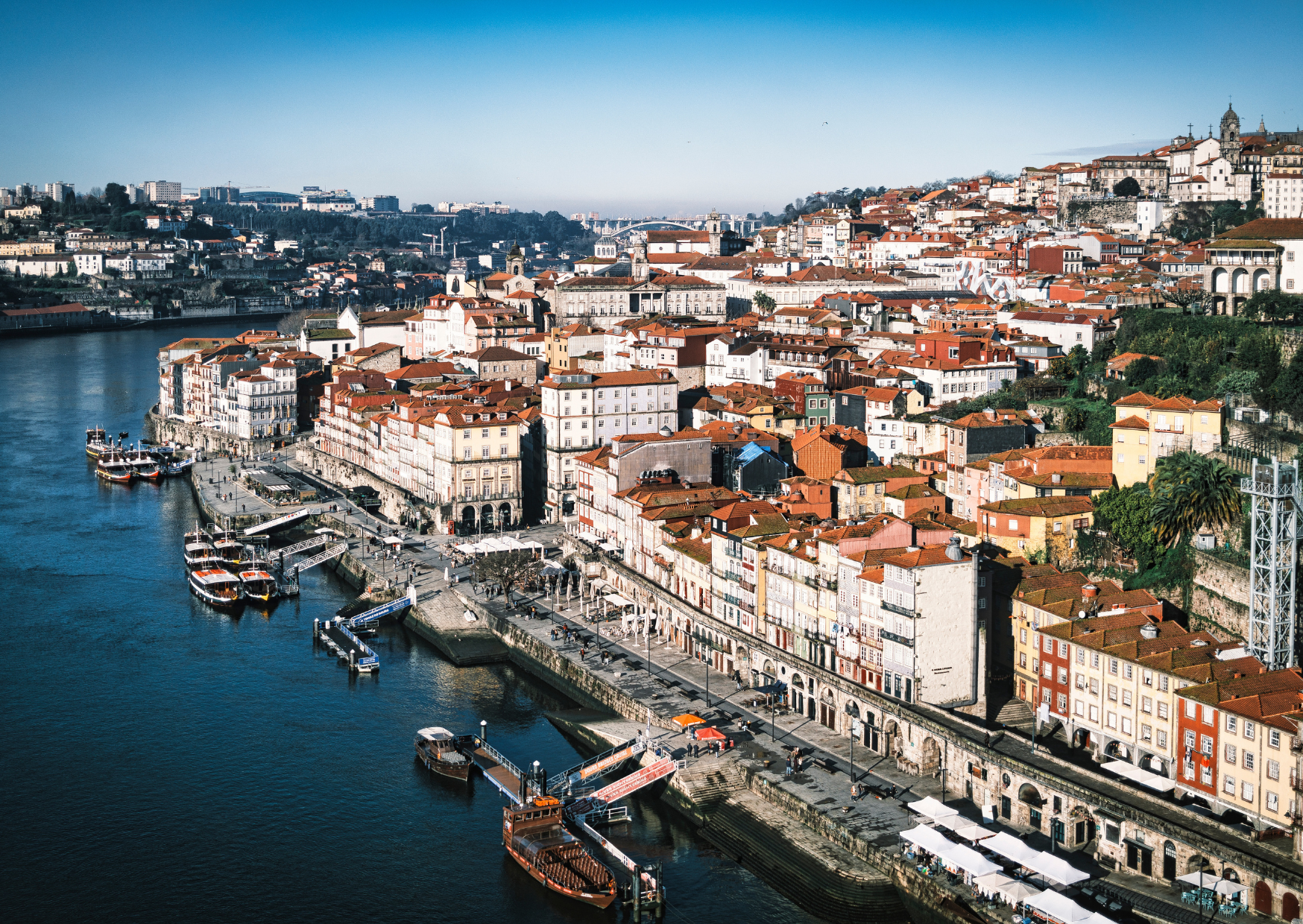
The fake way to compare Italy, Portugal, and Spain is to price Rome against rural Portugal and then declare Portugal cheap.
That proves nothing.
The useful comparison uses the same traveler, the same comfort level, and roughly the same number of hotel nights, rail moves, meals, paid sights, and rest days.
For this budget, the couple is not backpacking. They are also not booking palace hotels, private drivers, tasting menus, or ocean-view suites. They want clean rooms, elevators when possible, air conditioning, central but not trophy locations, and enough money to eat well without treating every dinner like an anniversary.
The trip is 14 days, which usually means 13 paid hotel nights because the final day is departure. Flights from the U.S. are not included because airfare can swing wildly depending on airport, season, miles, checked bags, and how allergic the couple is to long layovers.
The comparison uses shoulder-season logic: May, early June, late September, or October. July and August are different animals. Hotter, busier, more expensive, and less forgiving for older travelers who do not want to schedule their entire day around shade.
The routes are deliberately practical.
Italy: Rome, Florence, Bologna, and one shorter stop such as Naples or Lucca.
Portugal: Lisbon, Coimbra or Évora, and Porto.
Spain: Madrid, Valencia, and Granada.
Barcelona is not the Spanish benchmark here because Barcelona’s hotel prices, tourist tax, crowd pressure, and short-term rental politics can distort the comparison. It is still worth visiting, but it is not the smartest example for two retirees trying to keep a 14-day trip under control.
The goal is not the cheapest theoretical trip.
It is the trip people can actually enjoy.
Italy Costs More Because The Famous Version Is Hard To Avoid

Italy is the most expensive of the three when retirees build the itinerary around the places they usually came to see.
Rome and Florence are not budget destinations anymore. They have world-class sights, heavy visitor demand, accommodation pressure, restaurant traps, and tourist taxes that make the hotel bill grow quietly at checkout.
For a careful couple, Italy’s lodging is the first problem. A clean, comfortable, well-located double room or apartment-style stay in Rome or Florence can easily run €150 to €220 a night in good months, more if the couple wants charm, an elevator, breakfast, or a location that does not punish tired feet.
Across 13 nights, a realistic Italy lodging line is €1,950 to €2,665.
Then the tourist tax appears.
Rome’s 2026 city tax can run €6 per person per night in a 3-star hotel, €7.50 in a 4-star, and up to €10 in a 5-star, generally capped by stay length. For two retirees spending four nights in Rome at a 3-star or 4-star, that alone can add €48 to €60. Florence and other cities can add more.
This is not ruinous.
But it is one reason Italy starts feeling more expensive than the room rate suggested.
Food is the next line. Italy can still be reasonable if the couple eats like residents some of the time: cornetto and coffee, market fruit, pizza al taglio, a simple pasta, a trattoria lunch, water instead of automatic wine, one gelato instead of a daily dessert parade.
But Rome and Florence punish careless hunger.
A pair of retirees eating comfortably should expect €85 to €120 a day for food and drink if they mix simple breakfasts, casual lunches, and modest sit-down dinners. Over 14 days, that is €1,190 to €1,680.
Rail also adds up. Rome to Florence, Florence to Bologna, Bologna to Naples or back to Rome can be efficient, but high-speed trains are cheaper when booked early. For two people, intercity rail can land around €300 to €520, depending on route, timing, and whether they choose high-speed convenience over slower savings.
Italy’s 14-day ground budget:
- Lodging: €1,950 to €2,665
- Tourist taxes: €150 to €230
- Intercity trains: €300 to €520
- Local transport and airport transfers: €180 to €280
- Food and drink: €1,190 to €1,680
- Paid sights: €300 to €550
- Cushion: €250 to €400
Total: €4,320 to €6,325
Italy is not the loser.
It is the country where the couple must decide what they refuse to cut. The Colosseum, Vatican Museums, Uffizi, Accademia, and good train links may be worth the money.
But the budget needs to admit that Italy charges for being Italy.
Portugal Is Still Good Value, But Lisbon Changed The Math

Portugal used to be the easy answer.
For years, American travelers described it as Western Europe with a discount sticker. That description is now too lazy, especially in Lisbon.
Lisbon hotels have climbed hard. Central neighborhoods like Baixa, Chiado, Príncipe Real, Alfama, and Avenida da Liberdade can price like the city finally realized how many people had been calling it cheap. A comfortable double room in Lisbon can easily sit around €130 to €190 a night in popular months, while Porto often gives slightly better value if the couple avoids the most obvious river-view premium.
Across 13 nights, a good Portugal lodging range is €1,500 to €2,250 if the route mixes Lisbon, Coimbra or Évora, and Porto.
Portugal’s tourist taxes are also more visible now. Lisbon charges €4 per guest per night, capped at seven nights. Porto charges €3 per guest per night, also capped at seven nights. A couple spending five nights in Lisbon and four in Porto pays €40 in Lisbon and €24 in Porto, before any smaller city charges.
That is manageable.
It is not invisible.
Portugal still saves money in other places. Eating well is easier on a moderate budget. A simple lunch, coffee, bakery breakfast, grilled chicken, soup, fish in non-tourist places, daily specials, and supermarket fruit can keep the food line controlled.
For two retirees, a Portugal food budget of €75 to €105 a day is realistic if they avoid eating every meal in the most scenic square available. Over 14 days, that is €1,050 to €1,470.
The rail bill can be gentler than Italy. Lisbon to Porto on Alfa Pendular or Intercidades, plus Lisbon to Coimbra, Coimbra to Porto, or day trips, can sit around €160 to €300 for two if booked sensibly and not treated like a last-minute convenience product.
The local transport line is also good. Lisbon’s metro, buses, trams, and trains can work well, though hills matter. Porto is walkable in the center but steep enough that retirees should not romanticize every climb.
Portugal’s 14-day ground budget:
- Lodging: €1,500 to €2,250
- Tourist taxes: €65 to €85
- Intercity trains: €160 to €300
- Local transport and airport transfers: €140 to €240
- Food and drink: €1,050 to €1,470
- Paid sights: €220 to €400
- Cushion: €250 to €400
Total: €3,385 to €5,145
Portugal is not dramatically cheaper than Spain anymore.
It is easier to make pleasant on a middle budget if the couple avoids Lisbon overkill. Five nights in Lisbon can be enough. Coimbra, Évora, Braga, Guimarães, or a slower Porto stretch can make the trip feel more Portuguese and less like a housing-crisis walking tour.
The big Portugal mistake is arriving with old prices in mind.
The country is still good value.
The fantasy is not.
Spain Wins When The Couple Stops Chasing Barcelona

Spain is the best value of the three if the route is built intelligently.
That does not mean all of Spain is cheap. Barcelona is expensive and taxed. San Sebastián can laugh at your dinner budget. The Balearics can destroy a summer plan before the first swim. Seville in peak spring can be priced like every orange tree has a booking engine.
But Spain has a powerful advantage: big-city infrastructure with lower daily friction if the couple chooses the right route.
Madrid, Valencia, and Granada make a strong 14-day plan.
Madrid gives museums, parks, markets, train connections, and serious food without Barcelona’s tourist-tax pain. Valencia gives beach, architecture, flat walking, rice dishes, and more manageable lodging if booked outside festival spikes. Granada gives beauty, lower food costs, the Alhambra, and enough old-world atmosphere to make retirees feel they actually went somewhere.
For this route, lodging can land around €105 to €160 a night for a clean, comfortable room or apartment-style stay with air conditioning and decent access. Over 13 nights, that is €1,365 to €2,080.
Spain’s route-specific tourist-tax line can be close to €0 if the couple uses Madrid, Valencia, and Granada. That changes quickly if they add Barcelona, where 2026 tourist-tax rates in the city include higher per-person nightly charges and a municipal surcharge.
That is why Barcelona is the exception, not the benchmark.
Food in Spain is still manageable if the couple eats around the tourist center rather than inside it. Coffee, tortilla, menú del día, market fruit, simple grilled dishes, rice in Valencia, tapas in Granada, and supermarket breakfasts can keep two people around €70 to €100 a day without feeling deprived. Over 14 days, that is €980 to €1,400.
Rail costs depend heavily on advance booking. Madrid to Valencia is a strong route because high-speed and low-cost options compete. Madrid to Granada can cost more depending on timing, and Valencia to Granada may require routing decisions that make the itinerary less smooth.
For two people, intercity rail can land around €220 to €450 if booked early and kept simple.
Spain’s 14-day ground budget:
- Lodging: €1,365 to €2,080
- Tourist taxes on this route: €0 to €40
- Intercity trains: €220 to €450
- Local transport and airport transfers: €150 to €260
- Food and drink: €980 to €1,400
- Paid sights: €250 to €450
- Cushion: €250 to €400
Total: €3,215 to €5,080
Spain’s advantage is not that every category is the cheapest.
It is that fewer categories punish the couple at once.
The rooms can be reasonable. Food can stay sane. Public transport works. The trip can be built with fewer prestige traps. And if the couple chooses Valencia and Granada instead of Barcelona and Mallorca, the budget stops shaking.
Hotels Decide The Winner More Than Food Does

Retirees often focus too much on restaurant prices.
Food matters, but lodging decides the trip.
A couple can save €15 a day by eating bakery breakfasts and simple lunches. Good. Over 14 days, that is €210. Useful money. But one hotel mistake can erase that in three nights.
A room €45 more per night than planned adds €585 over 13 nights.
That is the difference between a Portugal trip that feels affordable and one that feels like Lisbon set the budget on fire. It is also the difference between Spain winning and Spain merely competing.
The retiree room has requirements younger travelers often ignore.
Air conditioning matters. Elevator access matters. Noise matters. The distance to transit matters. The slope back to the room matters. The bathroom matters. A cheap room up four flights of stairs is not cheap if it makes the couple dread coming back after dinner.
That is where Italy gets expensive. The charming historic center room can be small, noisy, stair-heavy, and overpriced. The more comfortable room farther out can require taxis or more transit. Rome and Florence give plenty of good options, but they punish lazy booking.
Portugal has a similar problem in Lisbon and Porto because hills are real. A beautiful apartment in Alfama or Bairro Alto may be a poor retiree choice if luggage, knees, heat, or nighttime noise are part of the trip.
Spain is kinder in Madrid and Valencia. Madrid has elevation and long walks, but the transport network is strong. Valencia is flatter and easier for retirees who want a less punishing daily rhythm. Granada has hills, but careful neighborhood choice solves a lot.
The cheapest room is rarely the right room.
The right room is the one that prevents taxis, bad sleep, skipped outings, and the feeling that the trip is physically wearing the couple down.
The Sightseeing Budget Is Where Italy Pulls Ahead For Better And Worse
Italy’s paid sights are expensive because the big items are hard to skip.
A couple going to Rome and Florence probably wants at least some combination of the Colosseum area, Vatican Museums, Borghese Gallery, Uffizi, Accademia, churches, museums, and guided context. Even if they avoid private tours, timed tickets and major museums add up.
That is not bad spending.
It is the reason they came.
But it means Italy’s sightseeing line should be €300 to €550 for two people over 14 days if the trip includes several major sites and a few booking fees.
Portugal’s sightseeing bill is gentler unless Sintra gets out of control. Lisbon monuments, museums, fado if chosen, Porto wine experiences, river views, palace tickets, and transport to day trips can add up, but the must-pay list feels less relentless than Italy.
A reasonable Portugal sightseeing line is €220 to €400.
Spain sits in the middle. Madrid’s major museums, the Royal Palace, the Alhambra, Valencia’s City of Arts and Sciences, and local attractions can easily hit €250 to €450 for two. The Alhambra is the one retirees should book early and treat seriously. Miss the right ticket and the replacement options can become expensive or disappointing.
The practical rule is simple.
Do not buy a city pass because anxiety says it will save money. Retirees rarely move fast enough to extract full value from overloaded passes. They need good mornings, shaded afternoons, breaks, and maybe one major paid sight per day.
Italy costs more here because the paid sights are more central to the itinerary.
Portugal costs less because more of the pleasure is walking, viewpoints, meals, trains, and smaller cities.
Spain is strongest when the couple chooses fewer, better-booked sights rather than museum-stacking until the trip feels like homework.
The Food Difference Is Smaller Than People Expect
Italy, Portugal, and Spain can all feed two retirees well without luxury spending.
They can also all punish people who sit in the wrong square.
Italy’s food line looks higher because Rome and Florence are easy places to make small mistakes. A forgettable pasta beside a monument. A bottle of water priced like a regret. A gelato every afternoon. A spritz that turns into a second round. Suddenly the couple is not eating better, just paying more often.
Portugal can be excellent value if the couple avoids the most obvious Lisbon center traps. Soup, grilled chicken, daily specials, cod dishes, pastries, coffee, fruit, and simple seafood can still feel generous. The danger is not the average meal. It is the upgrade path: riverfront dining, tourist fado dinners, seafood priced by weight, and Ubers taken because the hill won again.
Spain may be the easiest for food budgeting because a good day can be built from coffee, tortilla, menú del día, fruit, tapas, rice, and simple dinners. Granada still offers a kind of food value that retirees notice quickly, though central tourist streets can dull it.
A good food budget for two:
- Italy: €85 to €120 per day
- Portugal: €75 to €105 per day
- Spain: €70 to €100 per day
The lower end requires bakery breakfasts, supermarket water and fruit, fewer cocktails, fewer view-based dinners, and learning the meal rhythm.
The higher end allows sit-down dinners most nights, coffee breaks, local wine, dessert, and a few memorable meals.
The biggest food mistake in all three countries is American meal timing.
A big late breakfast, snacky lunch, early tourist dinner, and constant drinks will cost more and feel worse than a local rhythm: small breakfast, proper lunch, lighter dinner, and one planned treat.
The best budget meal is not always the cheapest one.
It is the meal that prevents three more purchases later.
The Hidden Retiree Costs Are Not Optional
A 30-year-old can turn travel discomfort into a story.
A 68-year-old should usually turn it into a budget line.
Retirees need extra money for things younger travelers skip: taxis after a bad travel day, checked luggage, laundry, pharmacies, seat selection, travel insurance, better flight times, museum audio guides, shaded cafés, and rooms that do not require heroic stairs.
That is why every country in this comparison needs a €250 to €400 cushion.
Not emergency money for catastrophe. Ordinary reality money.
Italy may need more taxis than planned because Rome is physically tiring and Florence crowds can be draining. Portugal may need taxis because Lisbon and Porto hills are not imaginary. Spain may need taxis in Granada or late at night, but Madrid and Valencia make car-free travel easier if the hotel location is sensible.
Laundry is another undercounted cost. A 14-day trip with two retirees should not require hauling half a wardrobe across the Atlantic. Plan laundry once, maybe twice. A hotel service may be expensive. A laundromat takes time. An apartment washer may solve the issue if the accommodation is otherwise right.
Medication planning also has a cost. Extra prescriptions, doctor letters, travel insurance, pill organizers, backup glasses, compression socks, and pharmacy trips do not sound like travel content, but they make the trip work.
The budget that ignores discomfort is fake.
The budget that includes it lets the couple enjoy the trip without treating every taxi like a personal failure.
The 14-Day Plan That Gives Each Country Its Best Chance
Italy works best with fewer moves than the fantasy itinerary suggests.
A good 14-day Italy route is 5 nights Rome, 4 nights Florence, 3 nights Bologna, and 1 final night back near Rome or Florence depending on flights. Naples can replace Bologna if the couple wants Pompeii and stronger food value, but the trip becomes more intense.
Do not add Venice unless the budget rises.
Portugal works best when Lisbon does not take over.
Try 5 nights Lisbon, 2 nights Évora or Coimbra, 5 nights Porto, and 1 final night back where the flight requires. If flights allow open-jaw travel into Lisbon and out of Porto, the trip improves immediately. Fewer backtracks mean less rail stress.
Spain works best with Madrid, Valencia, and Granada.
Try 4 nights Madrid, 5 nights Valencia, 3 nights Granada, and 1 final night positioned for departure. Or skip Granada if the rail routing feels too heavy and use Córdoba instead. Spain rewards practical geography more than people admit.
The slowest itinerary is often the best one.
A couple does not need five cities in 14 days. They need three bases and two travel days that do not feel like punishments.
The winner by style:
- Best for iconic art and history: Italy
- Best for scenic value and slower cities: Portugal
- Best for budget control and comfort: Spain
- Best if the couple hates heat and hills: Spain, with Valencia and Madrid
- Best if food is the whole point: Italy or Spain
- Best if the couple wants fewer paid sights: Portugal
The cheapest trip is not the only useful answer.
The best trip is the one that matches the body, budget, and tolerance for logistics.
The Smart Money Is In Picking The Right Country For The Right Weakness
Two American retirees should not choose only by total cost.
They should choose by the weakness most likely to ruin the trip.
If stairs, heat, and fatigue are the issue, Spain probably wins. Madrid and Valencia can be built around public transport, elevators, museums, parks, flat walking, and controlled travel days.
If the couple wants beauty, food, wine, train rides, and a slower western Europe feel, Portugal is still excellent, but Lisbon must be budgeted like a real capital now. The old cheap-Lisbon idea needs to be retired before the hotel search begins.
If the couple has dreamed of Rome and Florence for 30 years, Italy may be worth the higher bill. Just do not pretend it will behave like Portugal. Italy needs more booking discipline, more patience, and more money set aside for the things that make Italy worth visiting.
The honest ranking for a careful retiree budget in 2026 is narrow at the bottom and wider at the top.
Spain is the easiest to keep under control.
Portugal is close, but Lisbon and Porto taxes, hills, and hotel demand have narrowed the old gap.
Italy costs more because the famous version is expensive, crowded, and hard to replace with a cheaper imitation.
That does not make Italy a bad deal.
It makes Italy the country where the couple should spend deliberately, not hopefully.
The best retiree trip is not the one with the lowest receipt.
It is the one where the money goes toward comfort, access, food, rest, and the reasons they crossed the ocean in the first place.
For that, Spain wins the budget.
Portugal wins the gentle middle.
Italy wins when the dream is worth paying for.

About the Author: Ruben, co-founder of Gamintraveler.com since 2014, is a seasoned traveler from Spain who has explored over 100 countries since 2009. Known for his extensive travel adventures across South America, Europe, the US, Australia, New Zealand, Asia, and Africa, Ruben combines his passion for adventurous yet sustainable living with his love for cycling, highlighted by his remarkable 5-month bicycle journey from Spain to Norway. He currently resides in Spain, where he continues sharing his travel experiences with his partner, Rachel, and their son, Han.