
The problem is not that intermittent fasting can never work. The problem is the American version often arrives in Italy as a punishment schedule: black coffee, skipped meals, under-eating, late protein, and thyroid medication squeezed into whatever gap is left.
The Italian doctor does not usually object to the fasting window first.
They object to the patient sitting in front of them tired, cold, constipated, losing hair, sleeping badly, and still insisting the protocol is “clean.”
The food diary tells the rest of it.
Coffee at 7. Nothing until 1. Salad at 2. Protein too late. Dinner too light or too heavy. Thyroid medication taken with espresso, calcium, iron, fiber, or pure chaos.
By then, the problem is not discipline.
The problem is the wrong kind of restriction.

The Italian Objection Is Usually Practical, Not Philosophical
Italian doctors are not allergic to meal timing.
Italy has plenty of old food rhythms that look strange to Americans: small breakfasts, proper lunches, late dinners, seasonal fasting traditions, lighter evening meals, and a cultural suspicion of constant snacking. Nobody in Italy needs an app to understand that the body is not designed to graze all day like a confused airport passenger.
The issue is the imported American intermittent fasting protocol.
It often arrives as 16:8 with a punishment mood. A person skips breakfast, drinks coffee, pushes through hunger, eats too little at lunch, underestimates protein, and then tries to fix the day with a large late meal.
That may produce weight loss for a while.
It may also make a thyroid patient feel worse.
The thyroid does not operate in isolation. It responds to energy intake, stress, sleep, illness, medication timing, iodine, selenium, gut absorption, and the body’s general sense of whether enough food is coming in. Italian endocrine nutrition discussions are very clear on one point: thyroid activity is influenced by energy intake, calorie restriction, prolonged fasting, and malnutrition.
That does not mean a short eating window automatically damages the thyroid.
It means the context matters.
A structured 12-hour overnight fast with real meals is not the same as a 20-hour coffee-and-willpower day. A Mediterranean lunch with beans, fish, olive oil, vegetables, bread, and fruit is not the same as lettuce, vinegar, and moral superiority.
The doctor’s objection usually starts there.
Not “never fast.”
More like: stop confusing underfeeding with metabolic health.
The Thyroid Notices When The Body Feels Underfed
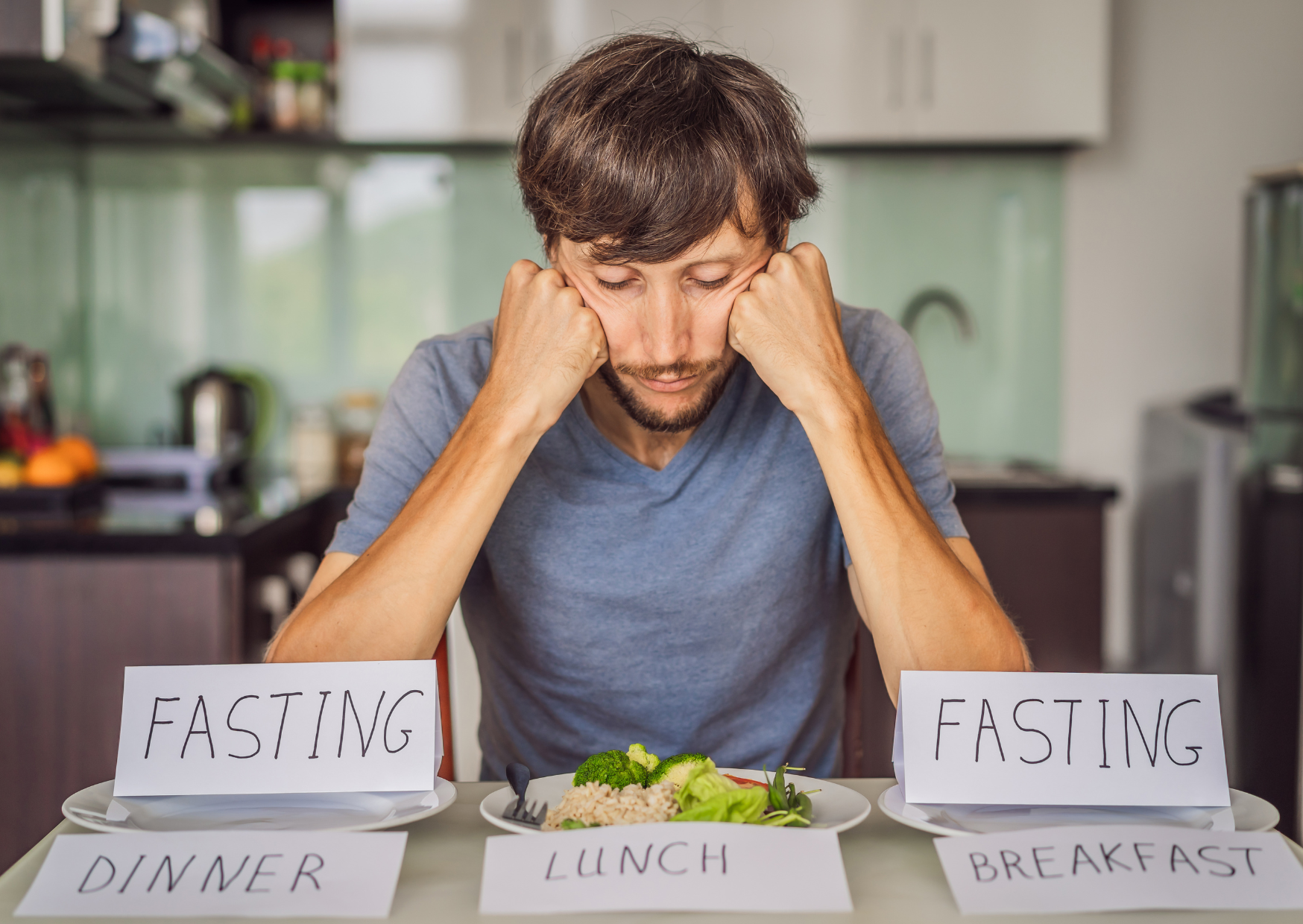
The thyroid helps regulate how the body uses energy.
That sentence sounds simple until a patient spends months telling the body that energy is unreliable.
When calories drop hard, protein drops, carbohydrates vanish, sleep worsens, and stress rises, the body can respond by becoming more conservative. One common pattern in restrictive dieting is a drop in active thyroid hormone activity, especially T3, as the body adapts to lower intake.
This is not betrayal.
It is survival math.
A patient may read that as “my metabolism is broken,” but the body may simply be responding to the signals it has been given. Less food. Less regularity. More stress. More caffeine. More pressure to perform.
For a thyroid patient, that can feel miserable.
The symptoms overlap with ordinary hypothyroid complaints: fatigue, cold intolerance, constipation, dry skin, low mood, brain fog, menstrual changes, weight resistance, hair shedding, and a body that feels slower than the schedule allows.
That overlap is why the doctor asks about the protocol.
Not because the doctor hates fasting.
Because the patient’s “healthy routine” may be mimicking or worsening the problem they came in to fix.
A smaller eating window can become too small when the person does not use it well.
This is especially common after 50. Appetite, muscle, sleep, menopause, medication timing, insulin resistance, digestion, and stress do not behave like they did at 29. A fasting plan that looked clean on social media can become too blunt for an older body managing real endocrine issues.
Italian doctors tend to look at the plate, not just the clock.
That is the better habit.
Levothyroxine And Coffee Are Where The Day Often Goes Wrong
For many thyroid patients, the morning is already complicated.
Levothyroxine is usually taken on an empty stomach, then followed by a wait before food. Many patients are advised to wait 30 to 60 minutes before breakfast. Coffee, calcium, iron, soy, high-fiber meals, some supplements, and certain medications can interfere with absorption or make levels more variable.
That is where the American fasting protocol creates a mess.
The patient wakes up, takes the pill, drinks coffee too soon, skips food for hours, adds supplements later, and assumes the empty stomach solved everything. It did not necessarily solve the timing problem. It may only have created a different one.
Coffee is the classic Italian argument because coffee is everywhere.
A thyroid patient in Italy may think an espresso is harmless because it is tiny. But tiny does not mean irrelevant. The issue is not the size of the cup. The issue is the timing around medication absorption.
The same applies to calcium and iron.
A patient who delays breakfast until noon and then opens the eating window with yogurt, fortified milk, iron, calcium, high-fiber cereal, or a supplement stack may be doing something very “healthy” that still interferes with a thyroid medication routine if the timing is wrong.
Consistency matters more than cleverness.
A doctor may prefer a boring medication schedule that produces stable labs over a heroic fasting schedule that turns every morning into a guessing game.
Some patients can use evening dosing. Some use liquid or soft-gel formulations. Some can coordinate breakfast timing differently with medical guidance. Those are clinical decisions, not comment-section hacks.
The bigger point is simple.
A thyroid plan starts with the medication actually working.
The fasting window comes after that, not before.
The American IF Plate Is Often Too Light At The Wrong Time
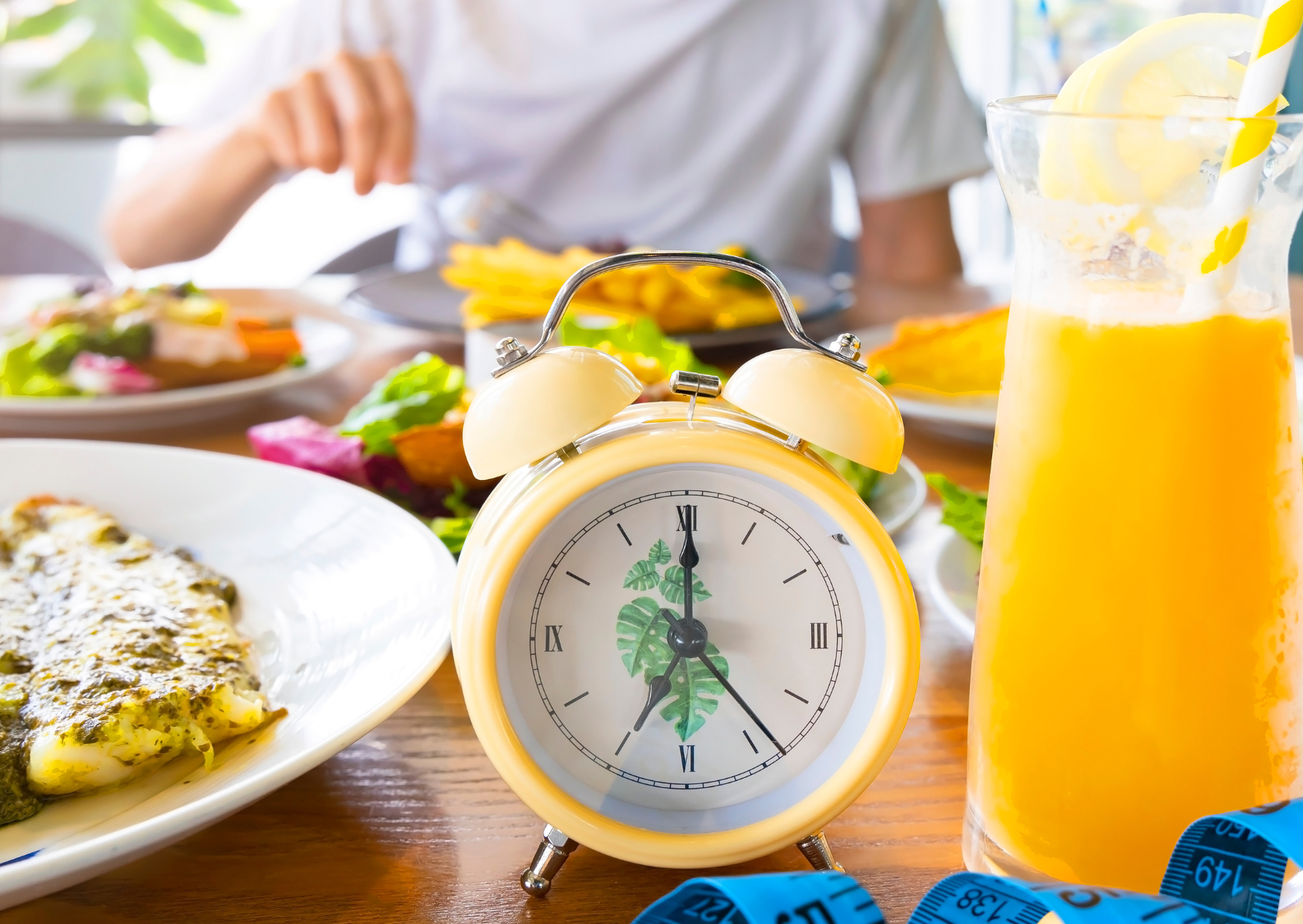
The Italian doctor may not care that the patient skips breakfast.
They care that lunch looks like punishment.
A common American fasting day opens with something like this: black coffee, more coffee, maybe electrolytes, then a salad with chicken at 1 p.m. The salad is large enough to photograph but not large enough to support the afternoon. Dinner becomes either too restrained or too big because the body is trying to make up for the day.
This is where Mediterranean logic is useful.
A real Italian lunch does not need to be huge, but it usually behaves like a meal. There is structure: protein, starch, vegetables, fat, salt, sometimes fruit, sometimes coffee after. The body receives information it can use.
A thyroid patient trying IF often needs more meal, less performance.
That may mean pasta with lentils. Fish with potatoes and vegetables. Eggs with bread and salad. Beans with olive oil and greens. Chicken with rice and vegetables. Yogurt with fruit and nuts as part of the day, not as a desperate late fix.
The meal has to carry minerals, protein, fiber, carbohydrates, and enough energy.
This is the part American diet culture keeps making weird.
Carbohydrates are not automatically thyroid enemies. Potatoes, beans, fruit, oats, rice, and bread can belong in a thyroid-friendly eating pattern when they are part of real meals. The problem is usually not a potato at lunch. The problem is an underfed day followed by snacks, poor sleep, and a body that never feels properly nourished.
For older adults, protein timing matters too.
Saving nearly all protein for dinner is a poor bargain. Muscle needs repeated support. Thyroid patients already dealing with fatigue do not need a routine that makes them weaker while the scale briefly rewards them.
Italian doctors tend to push the patient back toward food that looks like food.
That is not old-fashioned.
It is clinically boring in the best way.
The Thyroid Does Not Like Stress Wearing A Wellness Costume
A fasting protocol can look calm from the outside and feel stressful inside the body.
Wake early. Drink coffee. Ignore hunger. Exercise fasted. Work through the morning. Eat late. Compress protein. Sleep poorly. Repeat.
The person may call it discipline.
The body may call it a long stress signal.
This matters for thyroid patients because the endocrine system is not a set of separate rooms. Thyroid hormones, cortisol, insulin, appetite hormones, reproductive hormones, sleep, and energy availability talk to each other constantly.
A patient who is fasting hard, sleeping poorly, overtraining, and undereating may not get the elegant metabolic reset promised online.
They may get fatigue.
They may get cravings.
They may get cold hands, constipation, irritability, and a lower tolerance for normal life.
This is especially common when the fasting window is paired with low carbohydrate dieting, aggressive calorie restriction, and too much caffeine. Each piece may be tolerable alone. Together, they can make a thyroid patient feel like they are living inside a dimmer switch.
The Italian response tends to be less dramatic than the American internet version.
Eat a real lunch.
Stop making coffee your breakfast.
Take the medication correctly.
Do not train hard on fumes.
Check labs.
Sleep.
Repeat before inventing another protocol.
That does not sell supplements.
It works better than pretending the body is a machine that only needs a longer fasting window.
Italian Meal Timing Is Not The Same As American Fasting
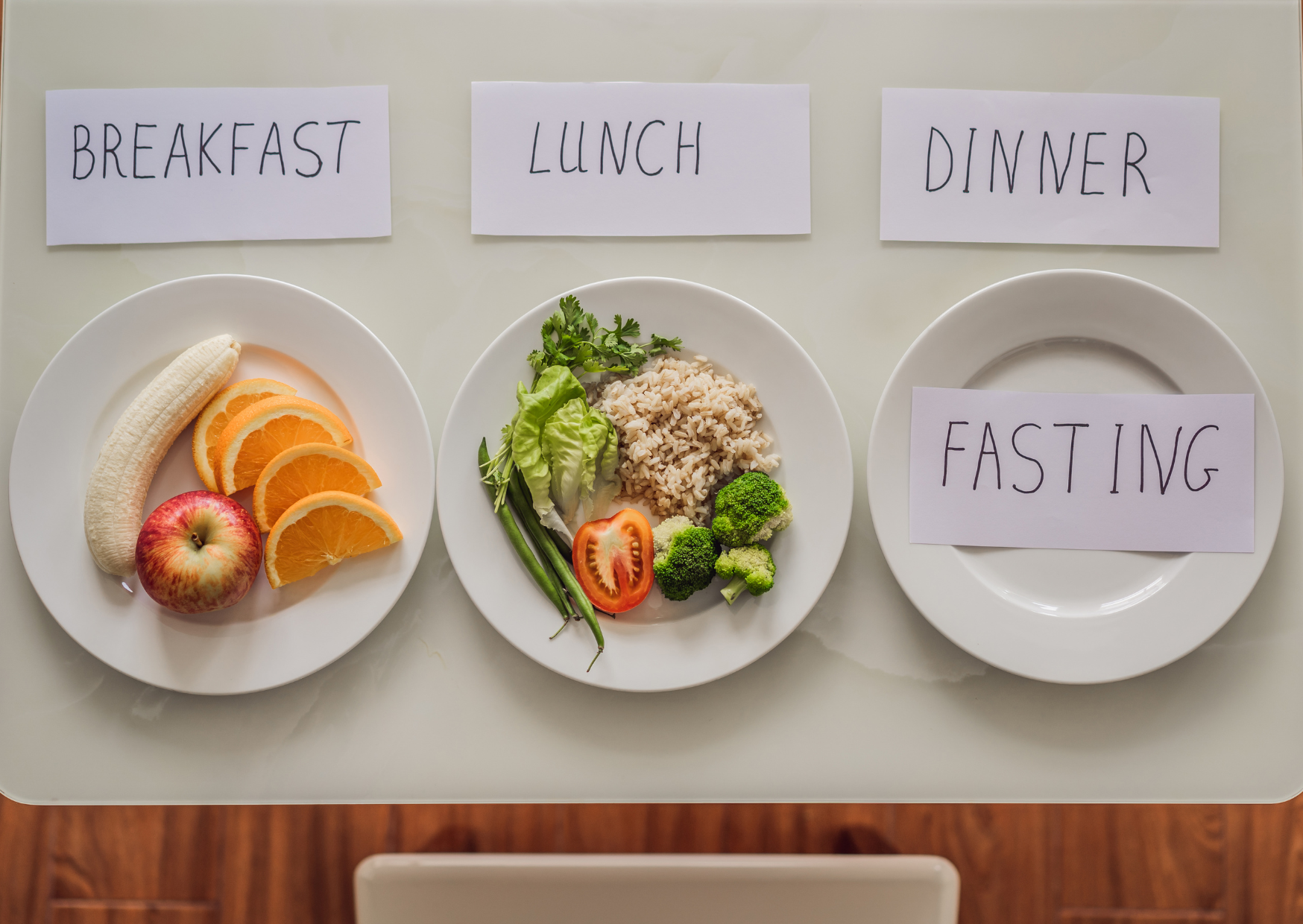
Italy already has a lighter breakfast tradition.
A coffee and cornetto is not a thyroid-health blueprint, but the cultural rhythm is different from the American all-day snack machine. There is often more respect for lunch, more structure around meals, and less expectation that people should eat portable food every two hours.
That can make American patients misunderstand Italy.
They see small breakfasts and think Italians are naturally doing IF. They see later dinners and think meal timing is casual. They see thin older Italians and assume coffee plus delayed eating explains everything.
That misses the ordinary mechanics.
Traditional Italian eating often includes a real midday meal, walking, smaller portions, fewer ultra-processed snacks, seasonal produce, legumes, olive oil, fish, pasta or bread in normal portions, and social eating. It is not just a clock.
A patient who imports only the fasting window and ignores the meal quality has copied the least interesting part.
An Italian-style day for a thyroid patient might look like this:
- thyroid medication on the schedule the doctor approves
- coffee only after the safe interval
- first meal that includes protein, not just caffeine
- lunch as the anchor meal
- afternoon movement, not punishment exercise
- dinner that is lighter but not nutritionally empty
- no late-night grazing
- labs checked after the routine has been stable long enough to mean something
That is different from a strict 20:4 plan built around black coffee and a giant evening meal.
The Italian rhythm has food in it.
That sounds obvious until someone compares it with the American fasting routines being sold online.
The Labs Tell A Better Story Than The App
A fasting app cannot tell whether a thyroid protocol is working.
The app can count hours.
It cannot interpret TSH, free T4, free T3, antibodies, symptoms, medication adherence, iron status, vitamin D, B12, sleep, weight change, menstrual status, constipation, or whether the patient has been taking levothyroxine next to espresso and calling it fasting.
A doctor looks at patterns.
Is TSH drifting?
Is the patient symptomatic?
Has weight loss been rapid?
Is the patient eating enough protein?
Has the medication timing changed?
Did supplements start?
Did menopause change the picture?
Did exercise increase while food decreased?
Did sleep fall apart?
Did the patient move from a regular breakfast to a delayed window and accidentally move calcium, iron, fiber, or coffee into a worse medication slot?
These questions are not anti-fasting.
They are anti-guessing.
For thyroid patients, the routine needs to be stable long enough for labs to mean something. Changing the fasting window, medication timing, supplement schedule, coffee timing, and calorie intake all at once creates a fog. When the patient feels worse, nobody knows which lever did it.
This is why Italian doctors often ask patients to simplify.
A stable medication schedule.
A stable eating pattern.
A reasonable calorie intake.
A real lunch.
A realistic dinner.
Then labs.
A person can still use time-restricted eating. But the thyroid plan should not become a stack of moving parts held together by confidence.
Confidence is not a biomarker.
The Safer Italian Version Is Usually Less Extreme
The better version of IF for thyroid patients is often not the most impressive one.
A 12-hour overnight fast may be enough for many people. Dinner at 7:30, breakfast at 7:30. Or dinner at 8, first meal at 9. That is not glamorous. It also does not collide with medication, protein, energy, and older-adult nutrition as easily.
A 14-hour window may work for some.
A gentle 14:10 schedule can remove late-night snacking without making lunch carry the whole day. For example, food from 9:30 a.m. to 7:30 p.m. gives enough space for medication timing, breakfast, lunch, and dinner.
For some patients, 16:8 works.
But the quality of the eight hours matters. Two underbuilt meals and coffee are not enough just because the app turned green.
The doctor’s likely preference is simple: choose the least extreme structure that improves the patient’s actual life.
That means:
- stable thyroid medication timing
- enough protein across the day
- adequate calories
- carbohydrates from real food
- iodine and selenium from sensible sources
- no supplement chaos
- sleep protected
- exercise matched to intake
- labs monitored after the change
Less extreme usually lasts longer.
It also makes room for the Mediterranean pattern that Italian clinicians know well: legumes, vegetables, olive oil, fish, eggs, dairy if tolerated, fruit, nuts, whole grains, and ordinary meals.
This is where the American patient may feel disappointed.
A moderate eating window does not sound like a secret.
It sounds like dinner ending earlier and breakfast not being stupid.
Sometimes that is the entire intervention.
The Thyroid-Friendly Fix Starts With A Normal Week
The first step is not choosing a new fasting label.
It is writing down the current reality.
For seven days, the patient tracks medication timing, coffee timing, first food, last food, protein at each meal, supplements, sleep, exercise, symptoms, and any thyroid-related labs already scheduled with a clinician.
Not calories.
Patterns.
Day one: check the medication routine. Is levothyroxine taken with water, consistently, and separated from food, coffee, calcium, iron, and interfering supplements as instructed?
Day two: fix coffee timing. Espresso can stay if the doctor agrees, but it should not sabotage the medication schedule.
Day three: build the first meal. If food starts at 11, the meal needs protein, fiber, fat, and enough energy. Yogurt and walnuts. Eggs with bread and vegetables. Beans and tuna. Leftovers. Not a decorative salad pretending to be lunch.
Day four: protect lunch. Make lunch the anchor, not the snack after fasting.
Day five: add carbohydrates back if the day has become too restrictive. Potatoes, beans, oats, fruit, rice, or bread can be part of the plan.
Day six: stop eating late. Many patients do better by cutting the evening drift before pushing the morning later.
Day seven: check symptoms. Cold hands, constipation, fatigue, hair shedding, poor sleep, low mood, menstrual changes, and worsening exercise tolerance are not badges of discipline.
For anyone already diagnosed with hypothyroidism, Hashimoto’s, nodules, thyroidectomy history, or medication-managed thyroid disease, the doctor should know about the fasting change.
That is not a disclaimer dressed up as a lecture.
It is the practical difference between a diet experiment and a medical mess.
The Part American IF Culture Gets Backward

American IF culture often starts with the clock and tries to squeeze the body into it.
Italian clinical common sense tends to start with the person.
How is the patient sleeping? What are they eating? When do they take medication? Are they nourished? Are their labs stable? Are symptoms improving? Is the routine livable? Does lunch look like food? Is the plan helping or just making the person proud of suffering?
That is why the doctor pushes back.
Not because fasting is automatically dangerous.
Not because breakfast is sacred.
Not because Italy has a secret thyroid diet.
Because a fasting protocol that worsens symptoms, destabilizes medication, reduces protein, delays all nourishment, and turns coffee into a coping mechanism is not a health routine.
It is restriction with better branding.
A thyroid patient does not need the hardest schedule.
They need the schedule their body can tolerate, their medication can survive, and their life can repeat.
For some, that may be 16:8 with real meals and medical monitoring.
For many, it may be 12:12 or 14:10, an earlier dinner, no evening snacking, better medication timing, a serious lunch, and enough food to stop the body from behaving like supplies are low.
The Italian doctor is not trying to ruin the protocol.
They are trying to get the patient back into a body that has enough fuel to heal, enough routine to stabilize, and enough humility to stop treating hunger as proof that the plan is working.
That is not less disciplined.
It is more intelligent.

About the Author: Ruben, co-founder of Gamintraveler.com since 2014, is a seasoned traveler from Spain who has explored over 100 countries since 2009. Known for his extensive travel adventures across South America, Europe, the US, Australia, New Zealand, Asia, and Africa, Ruben combines his passion for adventurous yet sustainable living with his love for cycling, highlighted by his remarkable 5-month bicycle journey from Spain to Norway. He currently resides in Spain, where he continues sharing his travel experiences with his partner, Rachel, and their son, Han.