
Some labor markets close. Others quietly open.
The European labor market for English-speaking workers has been shifting in ways that get less attention than the immigration policy news. While the conversation about Americans moving to Europe focuses on retirement visas and citizenship timelines, a parallel conversation is happening in European HR departments. Specific cities, in specific sectors, are actively recruiting English speakers from outside the EU, including Americans, with employer sponsorship paths that bypass the typical visa friction.
This is not a universal European trend. Most European cities have substantial unemployment in some demographic and are not actively recruiting from abroad. The cities below are specific exceptions, where particular industries face particular labor shortages and English-speaking talent is being courted with relocation packages, expedited work permits, and salaries that compete with US equivalents in some cases.
For Americans considering European relocation through the work pathway rather than the retirement or investment pathway, these are the cities where the math actually works in 2026. The list is shorter than expat enthusiasm sometimes suggests but it exists, and the recruitment patterns are documented enough to map.
Berlin, Germany. Tech And Startups.
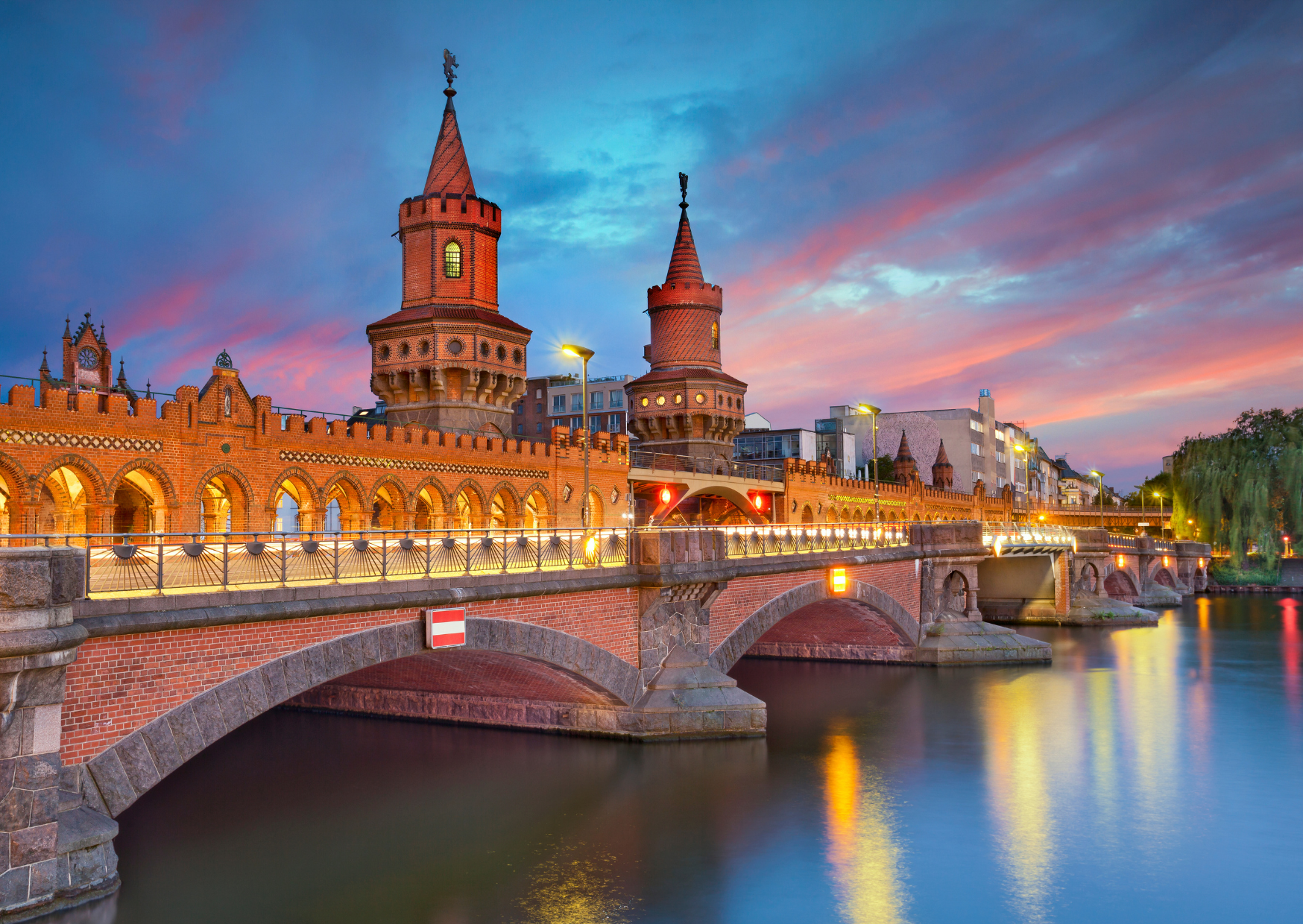
Berlin remains the strongest German-speaking destination for English-speaking tech workers despite the rest of Germany generally requiring German language for most positions. The Berlin tech ecosystem operates substantially in English, with major companies (Zalando, N26, Delivery Hero, SoundCloud, Babbel) hiring international talent in English-conducted interviews and English-language workplaces.
The active recruitment in 2026 focuses on senior software engineers, AI/ML specialists, product managers, and senior data scientists. Salaries for these roles range from €70,000 to €130,000 base, with senior staff engineers and principal engineers reaching €140,000 to €180,000. Total compensation is lower than US equivalents but the cost of living differential and quality of life factors close some of the gap.
The visa pathway for Americans in tech roles is the EU Blue Card, which has streamlined processing for qualifying high-skill workers. The salary threshold for Blue Card eligibility is €43,800 for 2026, which most tech roles exceed easily. The application process typically takes 6 to 12 weeks. Once issued, the Blue Card permits residence and work for up to 4 years, with paths to permanent residency and naturalization.
The German citizenship path was reduced to 5 years standard residency in 2024, with potential reduction to 3 years for applicants demonstrating “special integration achievements.” The pathway from Blue Card to German citizenship is therefore 5 to 8 years, faster than most other European naturalization paths.
Berlin’s appeal for English speakers is the operational language of the tech sector, the relatively affordable cost of living compared to Munich or Frankfurt, the cultural infrastructure of the city, and the established international community. The challenges include the gradual tightening of the German tech labor market in 2025, which has reduced hiring volume from the peak of 2022, and the German language requirement for daily life outside the tech bubble.
Amsterdam, Netherlands. Multiple Sectors.

Amsterdam is the most aggressive Dutch destination for English-speaking workers, with the Dutch labor market generally operating in English at the senior professional level. Major employers include ING, Booking.com, Adyen, Philips, Heineken, and the substantial fintech and biotech sectors.
The active recruitment in 2026 spans tech (similar to Berlin profiles), finance and fintech, biotech and pharmaceutical research, marketing and creative industries, and academic research at Dutch universities. Senior salaries range from €60,000 to €120,000 for most professional roles, with finance and tech reaching €130,000 to €180,000 for senior staff.
The Dutch work permit system has multiple pathways. The most relevant for Americans is the Highly Skilled Migrant scheme, which has streamlined processing for workers earning above the salary threshold (€60,000 in 2026 for workers over 30, €43,800 for workers under 30). Processing typically takes 4 to 8 weeks. The DAFT visa (Dutch-American Friendship Treaty) provides an alternative path for entrepreneurs and self-employed Americans, requiring a €4,500 business deposit and basic business plan.
The Dutch citizenship path requires 5 years of residency with B1 Dutch language proficiency. The path is achievable but demanding because of the language requirement; most Americans need significant Dutch study to reach B1.
Amsterdam’s appeal is the genuine operational use of English in professional contexts, the connection to broader European travel via Schiphol airport, the cultural infrastructure, and the strong international community. The challenges include very high cost of living, particularly housing (Amsterdam rents have risen sharply since 2022), and the recent tightening of the Highly Skilled Migrant rules that has reduced some employer flexibility.
Dublin, Ireland. Tech And Pharma.

Dublin is the most accessible English-speaking destination for Americans in the EU, with no language barrier and substantial multinational presence. Major employers include Google’s European headquarters, Meta, Apple, Microsoft, LinkedIn, and the substantial pharmaceutical sector (Pfizer, Johnson & Johnson, Merck).
The active recruitment in 2026 focuses on tech roles (engineering, product, marketing, customer success), pharma research and regulatory affairs, finance services, and the growing fintech sector. Salaries range from €55,000 to €110,000 for most professional roles, with senior tech and pharma reaching €120,000 to €160,000.
The Irish work permit system is the Critical Skills Employment Permit for senior technical and specialist roles, with employers handling most of the application process. Processing typically takes 4 to 8 weeks. The permit allows immediate family reunification and provides a path to permanent residency after 5 years.
The Irish citizenship pathway is straightforward at 5 years of residency, with no language requirement and minimal integration testing. Combined with the Foreign Births Register pathway for Americans with Irish ancestry (described in the previous citizenship comparison piece), Ireland offers among the most accessible EU citizenship paths.
Dublin’s appeal is the English-language workplace and daily life, the cultural similarity that reduces relocation friction, the strong tech and pharma ecosystem, and the relatively short citizenship timeline. The challenges include very high housing costs (Dublin housing crisis has been documented for years), the limited size of the Dublin labor market compared to larger European cities, and weather that some Americans find difficult.
Lisbon, Portugal. Tech And Digital Nomads.

Lisbon, despite the recent citizenship law changes, remains a strong destination for English-speaking workers in specific sectors. The Lisbon tech ecosystem operates substantially in English, with major employers including Farfetch, Outsystems, Volkswagen Digital Solutions, and Mercedes-Benz.io. The growing English-language professional services sector serves the substantial international community.
The active recruitment in 2026 focuses on tech roles (similar to Berlin and Amsterdam profiles), customer success and operations roles for international companies, and remote-friendly positions that combine Lisbon residency with global client work. Salaries range from €40,000 to €80,000 for most professional roles, with senior tech reaching €90,000 to €130,000.
Salaries in Portugal are lower than other major European destinations, but the cost of living differential closes much of the gap. The Portuguese personal income tax structure, while higher than the previous NHR program offered, remains competitive for foreign workers in some configurations.
The visa pathway for tech workers is the D8 Digital Nomad Visa for remote workers earning approximately €3,480 per month or higher, or employer-sponsored work permits through the standard immigration system. The D8 has become particularly popular for remote workers maintaining US client work while living in Lisbon.
The Portuguese citizenship pathway is now 10 years, with the realistic 13-year timeline discussed in earlier pieces. This is the major shift since May 2026 and has reduced Lisbon’s competitive position for citizenship-focused relocations. Lisbon remains attractive for the city itself and for the lifestyle, but no longer for fast EU citizenship.
The challenges include the citizenship timeline change, the rising cost of living particularly in housing, and the smaller labor market compared to Berlin or Amsterdam.
Stockholm, Sweden. Tech, Cleantech, And Biotech.

Stockholm has emerged as a strong destination for English-speaking technical workers, particularly in sectors where Swedish language requirements are minimal. Major employers include Spotify, Klarna, Ericsson, Volvo, and the substantial cleantech and biotech sectors.
The active recruitment in 2026 focuses on senior software engineers, AI/ML specialists, biotech researchers, cleantech engineers, and product roles in international companies. Salaries range from SEK 600,000 to SEK 1,200,000 (approximately €54,000 to €108,000) for most professional roles, with senior staff reaching SEK 1,400,000 to SEK 1,800,000 (€126,000 to €162,000).
The Swedish work permit system requires employer sponsorship and has been processing applications in 6 to 12 weeks for the relevant categories. The salary threshold for skilled worker permits is approximately SEK 28,500 monthly (€2,565), which most professional roles exceed substantially.
The Swedish citizenship pathway is 5 years of residency with basic Swedish language demonstration. Sweden has been tightening some integration requirements but the pathway remains accessible.
Stockholm’s appeal is the strong tech ecosystem, the high quality of life consistently ranked among Europe’s best, the substantial English-language professional environment, and the established international community. The challenges include very high cost of living (one of Europe’s highest), the long winter darkness that some Americans find difficult, and a tighter housing market in central Stockholm.
Munich, Germany. Engineering And Manufacturing.
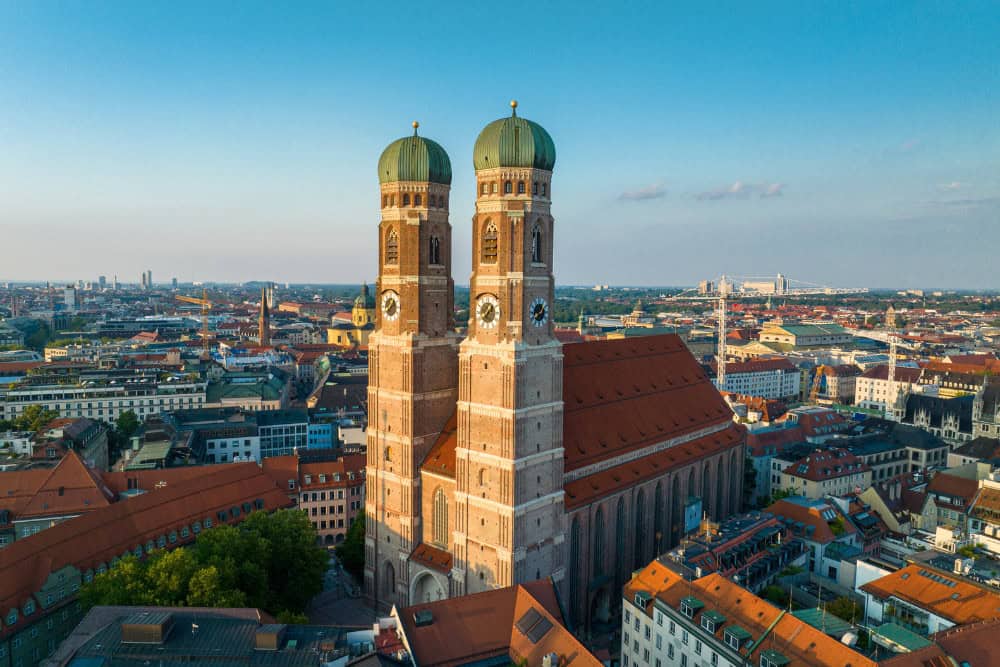
Munich differs from Berlin in being more German-language-required in daily life but with specific industries that recruit English-speaking technical talent aggressively. Major employers include BMW, Siemens, Allianz, Munich Re, and the substantial automotive engineering and aerospace sectors.
The active recruitment in 2026 focuses on senior engineering roles (mechanical, electrical, automotive, aerospace), research and development positions, and senior management roles in international corporations. Salaries are higher than Berlin, ranging from €80,000 to €150,000 for most senior roles, with principal engineers and senior technical specialists reaching €160,000 to €220,000.
The visa pathway is the same EU Blue Card system as Berlin, with the same €43,800 salary threshold for 2026. Most Munich roles exceed the threshold by substantial margins.
The German citizenship pathway is the same 5-year (or 3-year with special integration) timeline as Berlin. Munich requires more German language acquisition for daily life outside the international corporate bubble, which can make the citizenship integration easier in the long run.
Munich’s appeal is the high salary structure, the strong engineering culture, the proximity to the Alps and excellent transportation across Europe, and the world-class quality of life. The challenges include very high cost of living (Munich is among Germany’s most expensive cities), the more conservative cultural environment compared to Berlin, and the German language requirement for genuine integration.
Tallinn, Estonia. Digital Government And Tech.
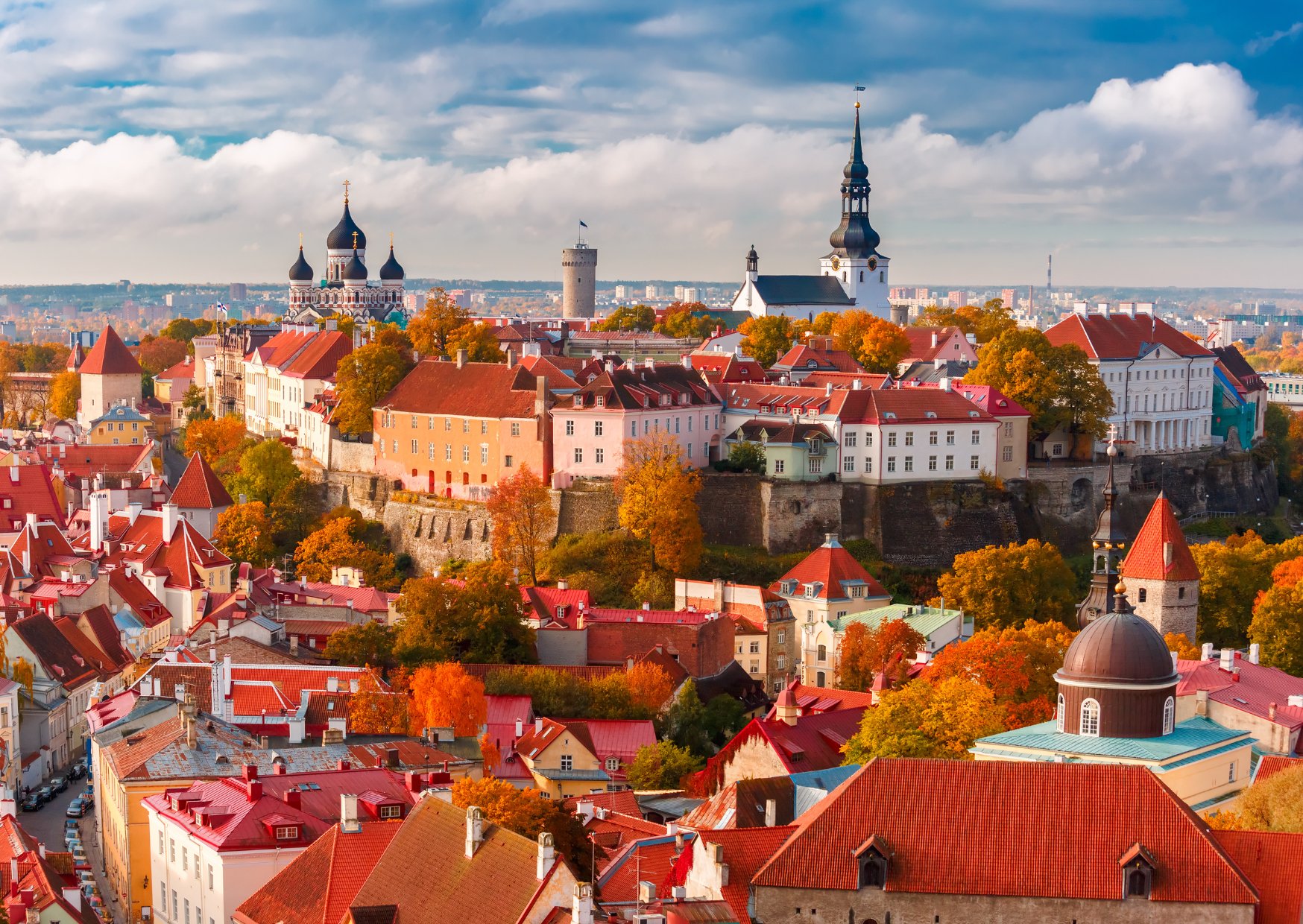
Tallinn is the smallest city on this list but has been actively recruiting international tech talent through its e-residency program and active startup ecosystem. Major employers include Wise (formerly TransferWise), Bolt, Skype’s continuing engineering presence, and the substantial number of startups serving Estonia’s globally recognized digital government infrastructure.
The active recruitment in 2026 focuses on software engineering, blockchain and cryptocurrency development, fintech, and digital government consulting. Salaries are lower than other destinations on this list, ranging from €45,000 to €90,000 for most professional roles, with senior tech reaching €95,000 to €130,000.
The Estonian visa system is among Europe’s most efficient, with work permits processed in 4 to 6 weeks. The startup visa program provides specific pathways for entrepreneurs and senior tech workers in the startup ecosystem.
The Estonian citizenship pathway is 8 years of residency with basic Estonian language requirements. The language requirement is more demanding than in larger destinations because Estonian is structurally different from English. The pathway is workable but requires real language commitment.
Tallinn’s appeal is the strong digital government infrastructure (everything from voting to healthcare runs on digital systems), the small but vibrant startup community, the relatively low cost of living compared to other tech destinations, and the position as a gateway to Northern European travel. The challenges include the smaller scale of the labor market, the Estonian language requirement for full integration, and the location which can feel remote to Americans accustomed to Western European travel patterns.
What These Cities Have In Common
The seven cities above share specific characteristics that explain why they are recruiting English-speaking workers more actively than other European destinations.
Specific industry concentrations that genuinely require international talent. Tech in Berlin, Amsterdam, Dublin, and Stockholm. Pharma in Dublin. Engineering in Munich. Fintech and digital government in Tallinn. The recruitment is industry-specific rather than general.
English-language working environments in the relevant sectors. The international companies and the local startups operating internationally use English as the working language, even in countries where the daily life happens in the local language.
Streamlined visa pathways for qualifying workers. The EU Blue Card, Highly Skilled Migrant programs, and Critical Skills permits all reduce the friction for skilled workers compared to standard immigration processes.
Demonstrated track records of integrating international workers. These cities have substantial international communities, established support infrastructure, and accumulated experience with American workers specifically.
Reasonable paths to citizenship for workers who want to stay long-term. Most are 5 to 8 years, which is competitive with most European citizenship paths and faster than the new Portuguese 10-year requirement.
The cities not on this list have specific reasons for their absence. Paris has high cost of living but limited English-language working environments outside specific sectors. London is no longer in the EU. Madrid and Barcelona have growing tech sectors but Spanish is required for most professional roles. Rome and Milan operate primarily in Italian. Eastern European cities (Warsaw, Prague, Budapest) have growing tech sectors but lower salaries that limit American interest.
What Americans Should Actually Do
For Americans considering European relocation through the work pathway, several practical steps emerge.
Research the specific city’s industry concentration. The recruitment is industry-specific. A software engineer has substantially different options than a marketing professional. A pharma researcher has different options than a financial services worker.
Apply through company websites for international roles. Most major employers in these cities maintain English-language career pages with international positions. The application process is similar to US application processes.
Consider the visa structure during the application. Some employers handle the visa process aggressively for desired candidates. Others expect candidates to navigate it themselves. Ask early in the interview process about visa support.
Calculate the total compensation honestly. European salaries are typically lower than US equivalents in nominal terms. Cost of living differentials, healthcare savings, vacation time differences, and other quality of life factors close some of the gap but rarely all of it. Run the math before committing.
Plan for the language acquisition. Even in the most English-friendly cities, learning some of the local language meaningfully improves integration and long-term satisfaction. The investment is real but worthwhile.
Consider the long-term path. A 3 to 5 year work assignment is different from a permanent relocation. The citizenship pathway timing matters for long-term planners. The retirement-friendly destinations are different from the work-friendly destinations.
The work pathway is genuinely available to Americans with relevant skills. The cities above are recruiting actively. The opportunities are real. The mistake some Americans make is assuming Europe is universally recruiting; it is not. The specific cities, in specific sectors, with specific qualifications produce the practical opportunities.
What This Recognizes
The European labor market for English-speaking workers in 2026 is selectively open. Specific cities, in specific sectors, with specific qualifications, are actively recruiting. The path from US worker to European employee to European resident is real and documented. It is also narrower than expat enthusiasm sometimes suggests.
For Americans whose skills match the actively recruiting sectors and cities, the work pathway is currently a viable alternative to retirement and investment-based relocation. The salaries are competitive (if lower than US equivalents). The visa processing is streamlined for qualifying workers. The path to permanent residency and citizenship is workable.
For Americans whose skills do not match these sectors, the work pathway is much more limited. Most European cities are not actively recruiting Americans. Most European companies prefer EU workers when EU workers are available. The work pathway is not the universal alternative that some American expat marketing suggests.
The seven cities above are the genuine options. The work pathway is real but specific. The Americans who match the recruitment patterns can build European careers. The Americans who do not match should consider other relocation pathways or different European destinations.

About the Author: Ruben, co-founder of Gamintraveler.com since 2014, is a seasoned traveler from Spain who has explored over 100 countries since 2009. Known for his extensive travel adventures across South America, Europe, the US, Australia, New Zealand, Asia, and Africa, Ruben combines his passion for adventurous yet sustainable living with his love for cycling, highlighted by his remarkable 5-month bicycle journey from Spain to Norway. He currently resides in Spain, where he continues sharing his travel experiences with his partner, Rachel, and their son, Han.