

The Mediterranean diet has been studied for cardiovascular effects for more than sixty years. The general findings are well established. What has received less attention in American health writing is a specific Spanish eating habit that researchers and increasingly cardiologists have been identifying as one of the strongest individual contributors to the blood pressure improvements observed in Americans who adopt Spanish-style eating after relocating to Spain.
The habit is the daily lunch structure: the largest meal of the day, eaten between 2pm and 4pm, with specific composition and preparation methods that differ substantially from the American lunch pattern. This is not a single food or supplement. It is a structural eating pattern that affects sodium intake, fat composition, fiber consumption, meal timing, and post-meal activity patterns, all in directions that research has linked to blood pressure improvement.
This piece walks through what the Spanish lunch pattern actually involves, what the research literature says about its components and their cardiovascular effects, and what Americans considering whether to adopt this pattern should understand. The piece is not medical advice. Anyone considering medication changes should consult their own physician.
A note before continuing: This piece describes a dietary and lifestyle pattern that has been studied in the context of cardiovascular health. It does not promise specific medical outcomes for any individual reader. Blood pressure responds to many factors, and individual results vary substantially. Anyone currently on blood pressure medication should never modify their dose without direct medical supervision. The information below describes what researchers have observed and what cardiologists have been noting in their American patients who adopt Spanish-style eating; it is not a prescription.
What The Spanish Lunch Actually Is
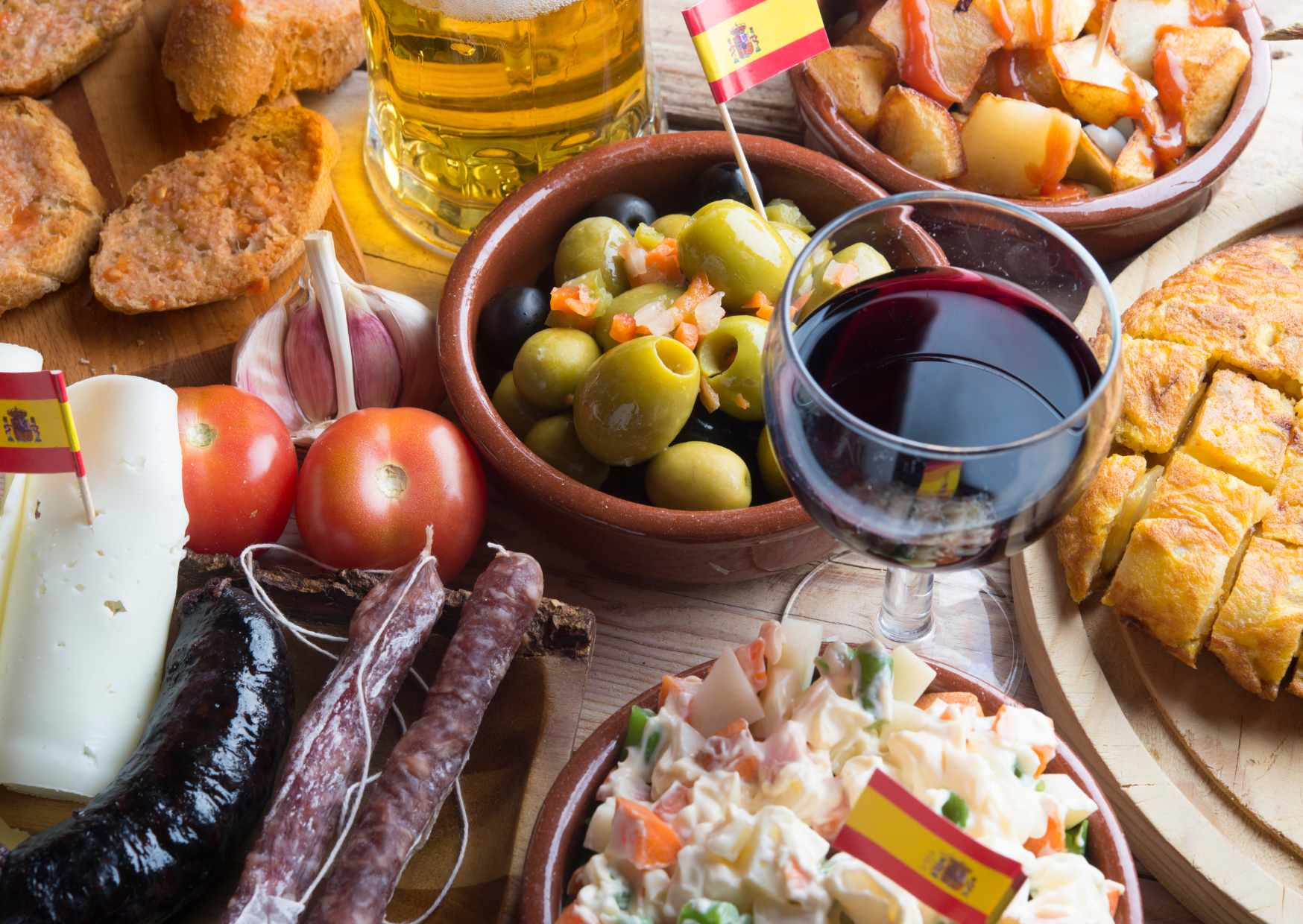
The Spanish lunch is structurally different from the American lunch in ways that go beyond food choices.
Timing. Spanish lunch typically begins between 2pm and 3pm and runs for 60 to 90 minutes. The American lunch typically happens between 12pm and 1pm and runs for 20 to 30 minutes. The Spanish timing places the largest meal of the day at a point when metabolic activity is at its highest, which research has linked to better insulin sensitivity and lower postprandial blood pressure responses.
Size and composition. Spanish lunch is the largest meal of the day, typically 600 to 900 calories, with a multi-course structure: a first course (usually vegetable-based or legume-based), a second course (usually fish or smaller portion of meat with vegetables), and a small dessert or fruit. The American lunch is typically a single dish, often built around bread, processed meat, or fast-food protein, with limited vegetable content.
Cooking methods. Spanish lunch is typically cooked at home or in a restaurant from fresh ingredients, with olive oil as the primary cooking fat, lemon and herbs as flavoring agents, and minimal use of salt as a primary seasoning. The American lunch typically involves processed or restaurant-prepared foods with significantly higher sodium content.
Post-meal pattern. Spanish lunch is followed by a period of reduced activity (the “siesta” period, even when not actually sleeping), which research has identified as beneficial for cardiovascular recovery. The American lunch is typically followed by immediate return to work with no recovery period.
Beverages. Spanish lunch typically includes a small amount of wine (often a single glass) and water, with no sugary beverages. The American lunch frequently includes sugary drinks (soda, sweetened iced tea, sweetened coffee), which research has linked to higher blood pressure and worse metabolic outcomes.
The combination of these structural differences produces a daily meal pattern that researchers describe as one of the most consistent contributors to the cardiovascular health profile observed in Mediterranean populations.
What The Research Says

The research literature on Mediterranean dietary patterns and blood pressure is extensive. The most cited large-scale study is the PREDIMED trial (Prevención con Dieta Mediterránea), a Spanish multi-center randomized trial that followed approximately 7,500 participants over five years, comparing Mediterranean diets supplemented with olive oil or nuts against a low-fat control diet.
The PREDIMED results showed significant cardiovascular benefits from the Mediterranean intervention, including reductions in major cardiovascular events. Blood pressure improvements were observed in the intervention groups, with average systolic blood pressure reductions in the range of 5 to 8 mmHg compared to the control group, depending on subgroup and adherence.
Subsequent analyses have identified several specific mechanisms by which the Spanish-style Mediterranean eating pattern affects blood pressure.
Reduced sodium intake from processed foods. When people cook from fresh ingredients rather than consuming processed foods, sodium intake typically falls by 30 to 50 percent. Sodium reduction is one of the most consistently effective interventions for blood pressure, with average reductions of 2 to 8 mmHg for moderate sodium reduction.
Increased potassium intake from vegetables, legumes, and fruit. The Spanish lunch’s multi-course vegetable-and-legume structure dramatically increases potassium consumption compared to typical American eating patterns. Higher potassium intake is associated with lower blood pressure through several mechanisms including sodium excretion enhancement and vascular relaxation effects.
Increased monounsaturated fat from olive oil. The Spanish use of olive oil as the primary fat (typically 4 to 6 tablespoons per day for active Mediterranean eaters) has been associated with vascular endothelial improvements that affect blood pressure regulation. Research has identified specific compounds in extra-virgin olive oil (oleocanthal, oleuropein) that produce anti-inflammatory effects relevant to cardiovascular health.
Increased fiber from legumes, vegetables, and whole grains. The Spanish lunch typically includes 15 to 25 grams of fiber per meal compared to 5 to 10 grams in a typical American lunch. Higher fiber intake has been associated with blood pressure improvements through multiple mechanisms including improved gut microbiome composition and better insulin regulation.
Reduced refined carbohydrate consumption. The Spanish lunch typically does not include large portions of white bread, white rice, or sugary foods. Reduced refined carbohydrate intake has been associated with better insulin sensitivity and lower blood pressure responses to meals.
The meal timing effect. Recent research on chrononutrition (the study of meal timing effects) has identified that consuming the largest meal earlier in the day rather than at night produces measurable cardiovascular benefits including better blood pressure regulation and improved insulin sensitivity.
Wine in moderation. The Spanish pattern of including a small amount of wine with lunch has shown mixed but generally favorable cardiovascular associations in research, though this is the most contested element of the Mediterranean dietary recommendations. Recent research has tempered earlier enthusiasm about wine’s cardiovascular benefits.
Each of these mechanisms produces a relatively modest individual effect on blood pressure. The combination produces a substantially larger effect than any single mechanism alone, which is part of why the Spanish lunch pattern has been identified as particularly effective compared to dietary interventions targeting a single component.
What Cardiologists Have Been Observing

American cardiologists treating patients who relocate to Spain have been reporting consistent patterns over the past decade. While individual case reports do not constitute clinical evidence in the formal sense, the pattern has been documented enough in medical literature and cardiology conference presentations to warrant attention.
The pattern reported is typically as follows.
Initial relocation period (0 to 3 months). Patients on blood pressure medication continue their medication as prescribed. Most patients report no significant changes in blood pressure readings during this transition period, as their dietary patterns are still adjusting and lifestyle structures are still being established.
Adjustment period (3 to 6 months). Patients who genuinely adopt Spanish eating patterns (cooking at home from fresh ingredients, eating lunch as the main meal, reducing processed food consumption, walking more) typically begin showing improvements in blood pressure readings. Reductions of 5 to 15 mmHg systolic and 3 to 8 mmHg diastolic are commonly reported, though individual variation is substantial.
Stabilization period (6 to 12 months). Patients who maintain the dietary and lifestyle changes typically reach a new baseline blood pressure that is meaningfully lower than their pre-relocation baseline. At this point, supervising physicians (whether American physicians via telemedicine or Spanish physicians the patient has established care with) sometimes begin discussing medication adjustments.
Long-term adjustment. Some patients are able to reduce their blood pressure medication doses substantially or, in some cases, discontinue medication entirely, with continued physician supervision. The medical literature has documented this pattern in case series and observational studies, though it should be emphasized that not all patients respond to lifestyle changes alone, and many continue to require medication even with improved dietary patterns.
The variability is important. Some patients see dramatic improvements. Others see modest improvements. Some see little change because their hypertension has primarily genetic rather than dietary contributors. Some have other health conditions that affect blood pressure independently of diet. The Spanish lunch pattern is one input among many that affect cardiovascular health, and individual responses vary substantially based on genetics, age, baseline health, and other lifestyle factors.
What Makes The Spanish Pattern Different From Generic Mediterranean Advice
Most American health writing about the Mediterranean diet provides generic recommendations: eat more vegetables, use olive oil, eat fish twice a week, reduce processed foods. These recommendations are correct but typically do not produce the dramatic results that Americans relocating to Spain experience.
The difference is structural rather than ingredient-based. The Spanish pattern is not just eating Mediterranean ingredients. It is eating them in a specific structure that the American diet typically lacks even when American eaters adopt Mediterranean ingredient choices.
Eating the main meal at lunch rather than dinner. This single change has been identified in recent research as producing substantial cardiovascular benefits independent of food composition. Americans who shift their eating pattern to make lunch the main meal often see metabolic improvements within weeks. Most Americans cannot make this change because of work schedules that don’t accommodate a 90-minute lunch.
Eating from multiple small plates rather than one large plate. The Spanish multi-course structure paces eating more slowly, which research has identified as producing better satiety signaling and lower postprandial blood pressure responses. Americans typically eat from one plate quickly, which produces metabolic stress signals.
Cooking from fresh ingredients daily. The Spanish pattern requires daily cooking, typically by the household. American patterns increasingly outsource cooking to restaurants, prepared foods, or processed foods. The act of cooking from fresh ingredients controls sodium, fat, and ingredient quality in ways that prepared foods do not.
Walking after lunch. Many Spanish workers and retirees walk for 20 to 40 minutes after lunch, either as commuting or as deliberate exercise. Post-meal walking has been identified in research as one of the most effective interventions for postprandial blood pressure regulation and insulin sensitivity.
Smaller dinner, earlier. The Spanish dinner is typically smaller than the American dinner and earlier than the American dinner (around 9pm rather than 10pm or later), though still later than American dinner timing. The smaller dinner reduces the metabolic load before sleep, which research has identified as beneficial for cardiovascular recovery.
These structural patterns can theoretically be adopted by Americans in the United States, but doing so requires deliberate effort to override American eating culture and work schedules. The Americans who relocate to Spain adopt the patterns more easily because they are surrounded by them. Americans staying in the United States need more deliberate planning to replicate the structural elements.
What Americans Can Actually Do

For Americans interested in adopting Spanish-style eating patterns for cardiovascular benefits, several practical approaches emerge from the research.
Shift the main meal to lunch where possible. Even if the American work schedule does not permit a 90-minute lunch every day, eating the larger meal at lunch on weekends and on work-from-home days produces partial benefits. The 12pm to 2pm timing is more compatible with American schedules than the 2pm to 4pm Spanish timing, and the metabolic benefits begin even at the earlier lunch timing.
Build multi-course lunches when possible. A salad or vegetable soup as a first course, followed by fish or lean protein with vegetables as a main course, produces better satiety signaling and lower postprandial blood pressure than a single-plate meal of the same total calories.
Cook from fresh ingredients more frequently. Even modest increases in home cooking (from 0 to 2 evenings per week, for example) produce measurable improvements in sodium intake and food quality.
Use olive oil generously as the primary cooking fat. The Spanish use 4 to 6 tablespoons per day. Most American kitchens use olive oil sparingly. Increasing olive oil consumption while reducing other cooking fats (butter, vegetable oils, processed fats) produces measurable cardiovascular benefits.
Add legumes regularly. Spanish cuisine includes chickpeas, lentils, and beans in multiple weekly meals. Most Americans eat legumes only occasionally. Adding 2 to 3 servings per week produces substantial fiber, potassium, and protein benefits.
Walk after meals. Even 10 to 20 minutes of walking after lunch produces measurable cardiovascular and metabolic benefits. This is one of the most accessible Spanish patterns for Americans to adopt regardless of relocation status.
Reduce processed food consumption. This single change produces the largest sodium reduction available to most Americans. Cooking from fresh ingredients rather than consuming processed foods typically reduces daily sodium intake by 30 to 50 percent.
Drink water with meals instead of sugary beverages. Americans often consume 200 to 400 calories of sugar per day through beverages. Eliminating sugary beverages produces measurable blood pressure and metabolic improvements within weeks.
Add fruit or small dessert at the end of meals. This Spanish pattern produces better satiety signaling than consuming dessert separately or skipping it entirely.
Reduce dinner size. Even on standard American dinner timing (6pm to 7pm), reducing the dinner portion size compared to lunch produces metabolic benefits.
What This Pattern Does Not Do
For accuracy, several things the Spanish eating pattern does not do are worth stating clearly.
It does not cure hypertension caused by genetics or medical conditions. Many people have hypertension with strong genetic or medical contributors that do not respond fully to dietary changes. Lifestyle improvements help but do not eliminate the need for medical management in these cases.
It does not produce results in everyone who adopts it. Individual responses to dietary changes vary substantially. Some people see dramatic improvements; others see modest improvements; some see little change.
It does not replace medical supervision. Anyone with hypertension or other cardiovascular conditions should continue regular medical supervision. The dietary pattern is supportive of cardiovascular health; it is not a substitute for medical care.
It does not work immediately. Most patients who adopt Spanish-style eating patterns see initial improvements in 4 to 8 weeks, with continued improvements over 3 to 6 months. Adopting the pattern and expecting immediate results is unrealistic.
It does not work without commitment. The pattern requires daily cooking, deliberate meal structure, and changes to eating culture. Americans who adopt some components occasionally typically do not see the full benefits. The pattern works as a system, not as a collection of optional behaviors.
It does not replace exercise. Dietary patterns and exercise produce different and largely complementary cardiovascular benefits. The Spanish pattern includes walking, but additional structured exercise (cardio, strength training) remains beneficial for most patients.
What The Evidence Recognizes
The research literature on Mediterranean dietary patterns and cardiovascular health is among the most extensively studied areas in nutrition science. The general findings are well established: Mediterranean-style eating patterns are consistently associated with lower cardiovascular disease rates, lower blood pressure, better metabolic profiles, and longer lifespans in populations that adopt them.
The specific Spanish lunch structure is one of the strongest implementations of these patterns currently observable in modern populations. Spanish cardiovascular disease rates are among the lowest in Europe, and Spanish longevity is among the highest globally. While these outcomes have multiple contributors (genetics, healthcare system, social structure, climate), the dietary pattern is one consistently identified contributor.
For Americans interested in cardiovascular health, the Spanish eating pattern offers an integrated approach that combines multiple evidence-based dietary improvements into a coherent daily structure. The pattern is not magic. It is not a cure. It is a coherent application of well-established dietary principles, organized in a way that human bodies appear to respond to favorably.
For Americans considering whether to adopt this pattern, the practical question is whether the structural changes are achievable given individual constraints. Americans who can shift to home cooking, larger lunches, multi-course meals, generous olive oil, regular legumes, water with meals, and post-meal walking have access to a dietary pattern that the evidence supports for cardiovascular health.
The improvements that result from adopting this pattern vary by individual but are typically meaningful enough to be measurable in blood pressure readings, lipid panels, and other cardiovascular markers within months. Whether these improvements translate to medication changes is a decision between the patient and their physician, based on their specific medical situation, current readings, and overall health profile.
The Spanish lunch is not a prescription. It is a dietary structure that has been shown to support cardiovascular health in the populations that practice it consistently. Americans who adopt it, with realistic expectations about timeline and individual variation, often find it improves the cardiovascular markers their doctors monitor. The discussion of medication adjustment is a medical conversation, not a dietary one.
For Americans relocating to Spain, the eating pattern is part of the environment. For Americans staying in the United States, adopting the eating pattern requires more deliberate effort but is possible. In either case, the underlying principles are the same, and the cardiovascular research that supports them is robust enough to be worth knowing about.
A final reminder: This piece describes patterns observed in research and reported by physicians. It is not medical advice. Anyone considering changes to medication should work with their own physician. Individual responses to dietary changes vary substantially. The pattern described has good evidence behind it; the application of that evidence to any specific person is a medical decision that requires individual evaluation.

About the Author: Ruben, co-founder of Gamintraveler.com since 2014, is a seasoned traveler from Spain who has explored over 100 countries since 2009. Known for his extensive travel adventures across South America, Europe, the US, Australia, New Zealand, Asia, and Africa, Ruben combines his passion for adventurous yet sustainable living with his love for cycling, highlighted by his remarkable 5-month bicycle journey from Spain to Norway. He currently resides in Spain, where he continues sharing his travel experiences with his partner, Rachel, and their son, Han.