
Last updated on July 29th, 2026 at 11:50 am
Italians apologize less than Americans, and the apologies they do give carry different weight, different content, and different consequences for the relationships involved.
This is not the stereotype Americans expect. The American stereotype of Italian culture leans toward warmth, family closeness, expressive emotion, and verbal generosity. The stereotype is not entirely wrong, but it gets the apology pattern backwards. Italian relationships, including the close ones Americans imagine, contain less verbal apology and more of something else that does the relational work American apologies do. The “something else” is not what Americans expect, and Americans who try to apply American apology patterns in Italian relationships often find that the pattern produces awkwardness rather than warmth.
The American who lives in Italy and apologizes the American way ends up signaling something different than they intend. The American who waits for Italian apologies that match American patterns ends up disappointed and confused. The American who learns the Italian system finds that relationships work differently and, in some ways, better than the American apology system would suggest.
This piece walks through what the Italian apology pattern actually is, what it does for relationships, and what changes when Americans understand and adopt it.

What Americans Mean By Apology
To understand the Italian pattern, the American pattern needs to be named clearly first. Americans use apologies in specific ways that operate as cultural infrastructure for relationships.
The American apology functions as social grease. “Sorry, I’m late.” “Sorry, can I just get past you.” “Sorry, I didn’t mean to interrupt.” “Sorry, my bad.” These are not real apologies for substantive wrongs. They are verbal markers that smooth interactions, acknowledge minor frictions, and signal that the speaker is paying attention to social dynamics. Americans use this kind of apology dozens of times per day without registering that they are apologizing.
The American apology functions as emotional repair. “I’m sorry I hurt your feelings.” “I’m sorry that came out wrong.” “I’m sorry I forgot your birthday.” These apologies address specific moments where the speaker has done something that affected the other person. The apology is the repair mechanism. The expectation is that giving the apology, with appropriate sincerity, restores the relationship to its previous state.
The American apology functions as social positioning. Americans often apologize preemptively to lower their social position slightly, to reduce the perception of arrogance, to invite the other person to lift them back up. “Sorry to bother you, but…” “Sorry if this is a stupid question…” The apology positions the speaker as humble and creates space for the listener to be generous in response.
The American apology functions as a closing signal. When something has gone wrong, the apology closes the incident. Once the apology is given and accepted, the matter is largely concluded. Continuing to discuss the incident after a sincere apology has been received is generally considered unnecessary, even rude.
These functions are so embedded in American culture that Americans generally do not articulate them. They simply apologize, expect apology, and use apology as the primary repair mechanism for relationship friction.
What Italians Do Instead
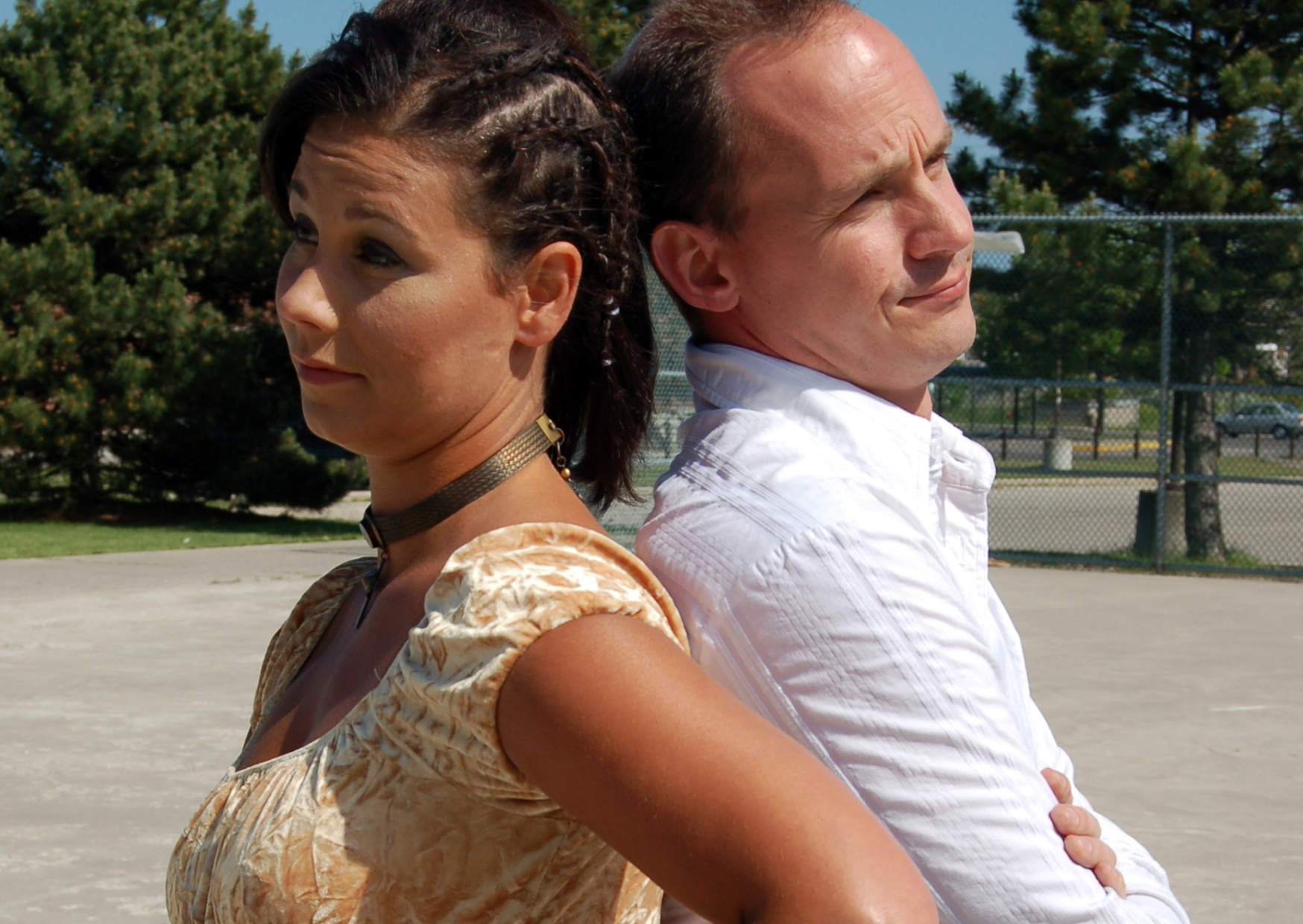
The Italian apology pattern operates differently along most of these dimensions.
The minor-friction apology is largely absent. When two Italians bump into each other on a crowded street, neither says “scusi” the way two Americans would say “sorry.” A small exchange of acknowledgment happens through eye contact, body language, and sometimes a brief verbal marker, but the apology framing is generally not used. The American who walks through Italy saying “scusi” constantly is using the word in a way that does not match how Italians use it.
The “scusi” or “mi scusi” is reserved for genuine moments. When you are actually requesting attention from someone who has not been engaged with you (asking a stranger for directions, getting a server’s attention, interrupting a conversation), “scusi” works. This is closer to the English “excuse me” than to “sorry.” The function is signaling that you need attention, not apologizing for something you have done wrong.
The relational apology operates differently. When something substantive has gone wrong between two Italians who know each other, the verbal apology is often less prominent than American patterns. What happens instead is a more complex pattern involving discussion, sometimes argument, sometimes a period of distance, and eventual return to normal relations through behavior rather than through formal apology.
The Italian who has hurt a friend’s feelings often does not say “I’m sorry I hurt your feelings.” What happens instead might be a long conversation about what happened, with both sides explaining themselves at length, sometimes with raised voices, and ending not with a clean apology but with a kind of mutual recognition that the matter has been worked through. The relationship continues with the incident processed through engagement rather than through apology and forgiveness.
In other cases, particularly with smaller frictions, the Italian response is to simply behave normally afterward, treating the incident as not having happened in any way that requires verbal repair. This works because the relationship is understood to be durable enough to absorb minor incidents without formal repair mechanisms.
The substantial apology, when it does come, carries weight. When an Italian does say “mi dispiace” or “perdonami” or “ti chiedo scusa” with full intent, the apology is meaningful. It is not deployed casually. The recipient understands that something significant is being addressed.
How Italian Relationships Handle The Friction Americans Apologize For

The friction that Americans handle with constant low-level apology gets handled differently in Italian relationships, and the differences are substantive enough to change how the relationships feel.
Direct conversation handles much of it. Italians are generally more willing than Americans to have direct conversations about disagreements, frustrations, and friction points. The American instinct to apologize and move on is replaced with the Italian instinct to discuss what happened, sometimes at length, sometimes loudly, until both sides understand each other’s position. The conversation is the repair, not the apology.
This pattern can be uncomfortable for Americans. The American expects friction to be smoothed over quickly with a verbal acknowledgment. The Italian wants to actually engage with the friction, examine it, discuss it, sometimes argue about it. The Italian engagement style can feel to Americans like the friction is being made worse rather than resolved. From the Italian perspective, the engagement is what produces resolution.
Physical and behavioral closeness handles some of it. Italian relationships involve more physical contact, more time together, more shared meals, more presence in each other’s daily lives than equivalent American relationships often do. This embedded closeness creates resilience to friction that does not need verbal repair to maintain. The friend who has been mildly annoying does not need to apologize because she will be at dinner Sunday anyway, and the time together will absorb the minor friction.
Family and friend networks handle some of it. Italians often process relationship frictions through their broader networks. The friend who is annoyed at you knows that mutual friends will mention it, knows that family members will weigh in, knows that the network has a memory and an opinion. The processing happens collectively rather than just between the two individuals involved. This produces both more accountability and more resolution than purely dyadic American patterns.
Time absorbs some of it. Italian relationships tend to be longer than equivalent American relationships, often spanning decades. Friends from childhood, from school, from family connections remain in each other’s lives across many phases. The long timescale means individual incidents have less weight relative to the overall relationship. A friction that would damage an American friendship of three years standing often does not damage an Italian friendship of thirty years standing because the relationship is too established to be threatened by a single incident.
These mechanisms together do the work that American apology does, but through different channels. The American who has access only to the apology channel and does not understand the Italian channels often experiences Italian friction handling as either dismissive (when the apology does not come) or excessive (when the long discussion happens instead).
What Americans Get Wrong
Americans interacting with Italians, whether visiting or living in Italy, often misread the apology pattern in specific ways.
Trying to apologize the American way produces the wrong signal. The American who apologizes constantly for minor things signals to Italians that the American is either anxious, socially awkward, or has done something more wrong than the situation warrants. The constant apology is read as inappropriate, not as polite. The Italian shopkeeper who hears an American say “sorry” five times during a brief transaction wonders what is wrong with the American.
Expecting Italian apologies that match American patterns produces disappointment. When something has gone wrong between an American and an Italian friend, the American expects the friend to apologize in American style: clear, sincere, addressing the specific issue, closing the matter. The Italian friend may instead engage in long discussion, argue about who was at fault, eventually arrive at a kind of mutual recognition. The American experiences this as the friend not apologizing properly, when in fact the friend has done the Italian equivalent and resolution has occurred.
Mistaking Italian directness for hostility. When an Italian expresses frustration or disagreement directly, the American often experiences this as aggression or as relationship damage. In Italian context, the directness is engagement, and engagement is the precondition for resolution. The American who responds to Italian directness by becoming wounded or defensive misses the opportunity for actual conversation.
Treating “scusi” as American “sorry.” When Italians do use “scusi,” Americans sometimes treat it as the American “sorry” and assume the same casual function. It is not. The Italian who says “scusi” usually means it more specifically than the American “sorry.” The American who responds dismissively to a genuine Italian “scusi” can produce confusion.
Expecting forgiveness as a clean transaction. Americans often expect that giving an apology produces forgiveness, and that forgiveness is then the end of the matter. Italian patterns often do not work this way. The matter may be returned to multiple times, may be referenced in future arguments, may be remembered by the network. The Italian “moving on” is more gradual and less binary than the American post-apology resolution.
Apologizing in professional contexts inappropriately. Italian professional contexts have specific apology norms that differ from both American professional norms and from Italian personal norms. The American who imports the constant low-level apology into Italian professional interaction often comes across as lacking confidence, which has professional consequences. Italian professional culture rewards confident self-presentation; constant apology undermines it.
How This Changes Specific Relationships
Once Americans living in Italy adopt the Italian apology pattern, specific relationships in their lives change in ways that are worth understanding.
Friendships become more substantive. Without the cushion of constant low-level apology managing every small friction, Italian friendships develop a different texture. The friction that does happen gets engaged with directly rather than papered over, which produces friendships where both parties actually know each other rather than just maintaining a polite surface. American friends back home, viewed from this Italian context, sometimes start to look like acquaintances managed through endless small apologies rather than actual friends.
Disagreements become possible without relationship damage. In American culture, disagreements often feel relationship-threatening, which is why they get smoothed over quickly with apology. In Italian culture, disagreements are normal and do not threaten relationships. Americans who learn this find that they can disagree with Italian friends openly without the relationship feeling fragile. The disagreement is engagement, not threat.
Romantic relationships work differently. American romantic relationships often handle friction through quick verbal apology and rapid restoration of harmony. Italian romantic relationships often handle friction through extended discussion, sometimes with significant volume and intensity, followed by full reconciliation that includes physical closeness and shared meals. The rhythm is different. Americans in Italian romantic relationships often have to learn that the long argument is the path to deeper closeness, not the threat to it.
Family relationships have more weight. Italian family relationships are characterized by intense engagement, including frequent disagreement, criticism, and direct expression of displeasure. The American instinct to maintain family harmony through avoidance and apology does not match the Italian pattern. Americans married into Italian families often have to learn that the mother-in-law who criticizes them directly is not threatening the relationship but engaging with it.
Professional relationships have different repair mechanisms. Italian professional culture handles friction through direct conversation, often with specific reference to the work in question rather than to the personal relationship. The American instinct to apologize personally for professional issues (“I’m so sorry I missed that detail”) often confuses Italian colleagues, who would expect a discussion of the work itself rather than a personal apology.
These changes in specific relationships are real, gradual, and sometimes uncomfortable for Americans accustomed to the apology-based system. The eventual result for most Americans who adapt is relationships that feel more genuine and less performed than their American equivalents, but the adaptation period can include significant confusion.
What Italians Recognize That Americans Often Do Not

The Italian apology pattern recognizes something the American pattern does not: that constant verbal apology can be a way of maintaining distance rather than closeness.
When two American friends apologize to each other constantly for minor frictions, the apologies are doing real work, but they are also keeping the friction at the surface level where it can be managed quickly and the deeper engagement can be avoided. The apology is a way of not having the conversation. The friction gets named, dismissed, and skipped over.
The Italian pattern, with its more substantive engagement when friction occurs, forces the conversation that the American apology pattern allows people to skip. This is harder. It can feel like more work. The result, when it works, is relationships where both parties have actually engaged with the difficult moments rather than verbally erasing them.
The Italian who does not apologize constantly is not being cold or rude. The Italian who engages directly when something has gone wrong is not being aggressive. The Italian who lets time and shared presence handle minor friction is not being dismissive. These are all aspects of a relationship pattern that handles friction through different mechanisms than American patterns use.
For Americans, learning to recognize what is actually happening, rather than missing the Italian repair mechanisms because they do not look like American apology, is the key to successfully navigating Italian relationships.
What Americans Should Actually Do

For Americans visiting or living in Italy, the practical adjustments are several.
Reduce the frequency of low-level apology dramatically. The American instinct to say “sorry” for minor frictions should be deliberately suppressed in Italian contexts. Save apology for genuine moments where something has gone wrong.
Use “scusi” as “excuse me” rather than as “sorry.” When you need to get someone’s attention, “scusi” works. When you have bumped into someone, “scusi” is acceptable but should not be repeated multiple times. When something more substantive has gone wrong, “mi dispiace” carries more weight and should be reserved for actual moments of regret.
Engage with friction directly rather than apologizing past it. When something has gone wrong with an Italian friend or partner, expect a conversation rather than a quick apology and resolution. Participate in the conversation. Share your perspective. Listen to theirs. The conversation itself is part of how the friction gets repaired.
Allow disagreements to happen without panicking. When an Italian friend or family member disagrees with you directly, even loudly, do not interpret this as relationship damage. The disagreement is normal Italian relationship texture, not a sign of threat. Engage with the disagreement directly rather than trying to defuse it through apology.
Trust that minor frictions will be absorbed by the relationship. You do not need to verbally repair every small friction with an Italian friend. The shared meals, the shared time, the embedded presence in each other’s lives will handle the absorption.
Recognize Italian repair mechanisms when they happen. The long discussion, the heated argument followed by warm reconciliation, the family member’s pointed remark followed by extra attention to your needs, the friend’s direct criticism followed by a clearer relationship are all Italian repair mechanisms. They look different from American mechanisms but they are doing the same work.
Save real apologies for real situations. When you do apologize, mean it. The Italian who hears “mi dispiace” from you understands that you mean something specific. Do not dilute the apology by overusing it.
In professional contexts, project confidence rather than humility. Italian professional culture rewards confidence. The American instinct to soften professional communication with apology often undermines professional standing. Discuss issues directly without personal apology where the issue is professional.
What This Recognizes
The Italian apology pattern, and the American adjustment to it, recognizes that relationships can be repaired through multiple different mechanisms, and that the verbal apology is only one of those mechanisms.
American culture has developed verbal apology into the dominant mechanism for relationship repair. This produces specific advantages: quick handling of friction, clear conventions for resolution, low ambiguity about whether repair has occurred. It also produces specific costs: surface-level engagement, avoidance of deeper conversation, and relationship patterns that can feel performed rather than substantive.
Italian culture has developed multiple mechanisms for relationship repair, with verbal apology playing a smaller and more specific role. This produces specific advantages: substantive engagement with friction, deeper relationship texture, and resolution that addresses what actually happened. It also produces specific costs: more time and emotional labor, more discomfort during the friction-resolution process, and ambiguity about whether matters have been fully resolved.
For Americans living in Italy, the practical task is recognizing which mechanisms are operating in this culture and engaging with them rather than waiting for American mechanisms to appear. The Italian friend who does not apologize the way an American friend would is not failing to maintain the relationship. The Italian friend is maintaining the relationship through different channels, and the American who learns to recognize and use those channels has access to a kind of friendship that the American apology pattern does not produce.
The Italians who apologize less than Americans are not less considerate. The Italians who engage directly when friction occurs are not aggressive. The Italians who let minor friction be absorbed by shared time are not dismissive. These are all features of a relationship system that does its work through engagement, presence, time, and substantive conversation rather than through verbal markers and clean resolution.
The American who learns to operate within this system finds that relationships in Italy work, and they work in ways that change what relationships can feel like. The friction that gets engaged with rather than apologized past produces deeper knowledge of the other person. The disagreement that does not threaten the relationship produces relationships that can hold disagreement. The slow absorption of minor friction by shared presence produces relationships that do not depend on constant verbal maintenance.
These are different relationships than American patterns produce, and for some Americans, they are better. For others, the adjustment is too foreign and they continue to operate in American mode within their American expat circles. But the choice exists, and understanding the Italian system is the prerequisite to making the choice intelligently rather than missing what is actually happening in the relationships around you.
The Italian who does not apologize the way you expect is not refusing to repair the relationship. The Italian is repairing the relationship through different means than you are watching for. Once you start watching for the right means, the repair becomes visible. Once the repair becomes visible, the relationship reveals itself to be what it actually is, which is often deeper and more substantive than you initially understood.
The American apology system is real and works. The Italian relationship system is also real and also works. The American who can operate in both systems has access to both kinds of relationship, which is the meaningful prize for the work of cultural adaptation.

About the Author: Ruben, co-founder of Gamintraveler.com since 2014, is a seasoned traveler from Spain who has explored over 100 countries since 2009. Known for his extensive travel adventures across South America, Europe, the US, Australia, New Zealand, Asia, and Africa, Ruben combines his passion for adventurous yet sustainable living with his love for cycling, highlighted by his remarkable 5-month bicycle journey from Spain to Norway. He currently resides in Spain, where he continues sharing his travel experiences with his partner, Rachel, and their son, Han.