
Rice in Europe is a different ingredient than rice in the United States, and the difference is not just about which dishes get made with it.
The American eats rice as a starch portion at the side of a plate, alongside a protein and a vegetable, in an unspecified white-rice form that came from a plastic bag and was cooked in salted water. The European eats rice in specific dishes, in specific varieties chosen for those dishes, in portions calibrated to the dish rather than to plate composition, and with cooking techniques that differ meaningfully from the American default.
The structural difference shows up most clearly in the produce aisle and the kitchen pantry. The American supermarket has a small rice section, dominated by long-grain white rice, with a few additional options (brown rice, basmati, jasmine, sometimes arborio for risotto) treated as specialty items. The Italian, Spanish, or Greek supermarket has multiple distinct rice sections, with named varieties for specific dishes, often with regional designations protecting specific rice types from specific growing areas.
The European does not eat “rice” generically. The European eats Carnaroli for risotto, Bomba for paella, Vialone Nano for slightly different risotto styles, parboiled long-grain for pilafs, and short-grain Greek rice for stuffed vegetables. Each variety is selected for a specific cooking method that exploits the variety’s specific starch behavior. The American practice of using whatever rice is in the cabinet for whatever dish is being made would be considered nonsensical by European cooks who think about rice seriously.
This piece walks through how the European approach to rice differs from the American approach, what those differences produce in the kitchen, and what Americans cooking European rice dishes are typically getting wrong.
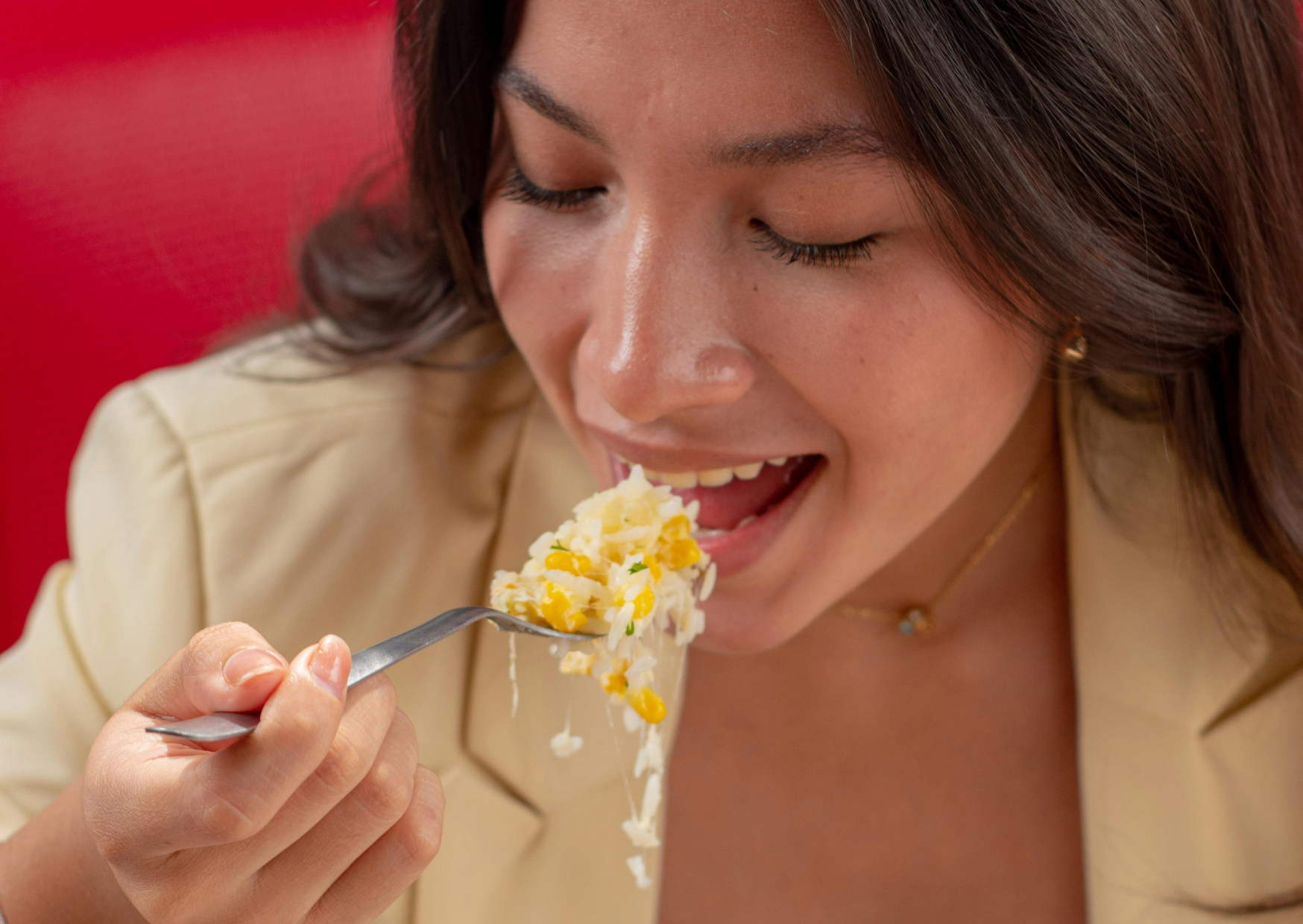
What Rice Actually Is In European Cooking
European rice cooking is structured around the dish, not around the rice. The cook decides what dish to make, then chooses the rice variety that supports that dish, then applies the cooking method appropriate to both.
This sounds obvious. It is not how American rice cooking works. The American approach is generally to cook rice as a neutral starch base and then put something on top of it or alongside it. The rice is the canvas, not the dish.
In Italian cooking, rice is generally not a side dish. It is a course in itself, called primo piatto, served as the starch course before the protein. The variety of rice (Carnaroli, Vialone Nano, Arborio) is chosen specifically because it absorbs liquid slowly and releases starch gradually, which produces the creamy texture that defines risotto. Other rice varieties cannot produce this texture and would be wrong for the dish.
In Spanish cooking, rice is the foundation of paella and similar one-pot dishes. The variety (Bomba, Calasparra, or specific regional varieties) is chosen because it absorbs more liquid than typical rice without breaking down or becoming mushy. The cooking technique (no stirring, even heat, specific liquid ratio) produces the slightly crusty bottom and well-separated grains that define proper paella.
In Greek cooking, short-grain rice is used for stuffing vegetables (yemista), for the rice-tomato pilaf called domatorizo, and for rice puddings. The variety is chosen for its texture in the specific application. Long-grain rice is used for different dishes (some pilafs, some side accompaniments) for different reasons.
In Portuguese cooking, rice appears in arroz de pato (duck rice), arroz de marisco (seafood rice), and arroz de tomate (tomato rice). Each uses a slightly different rice variety and cooking technique appropriate to the dish.
The pattern across European cuisines is consistent. Rice is not a generic starch. It is a specific ingredient with specific varieties matched to specific dishes, and the variety choice is part of the cooking decision.
Why The American Approach Developed
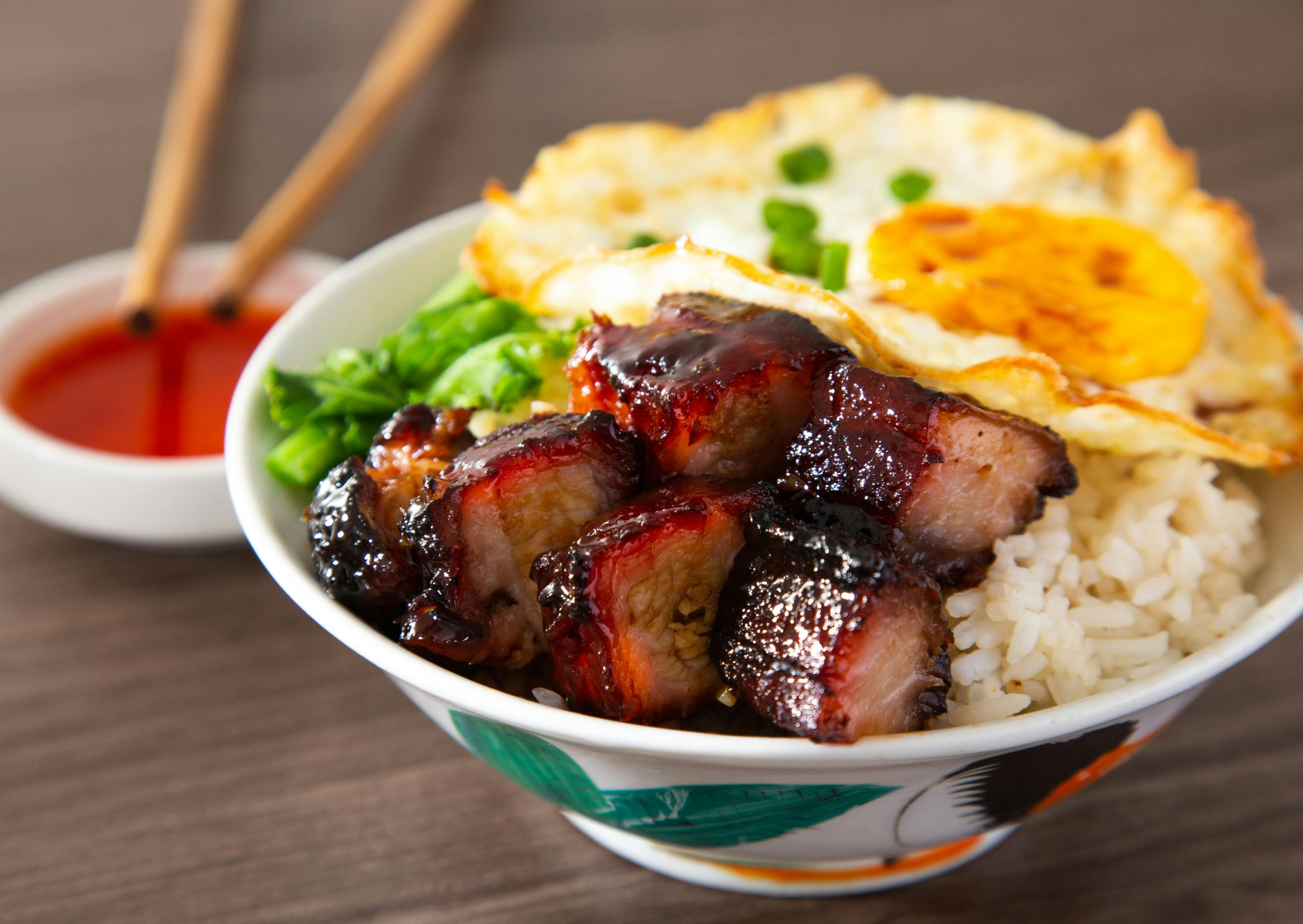
The American approach to rice as a generic starch reflects a specific historical and commercial development.
American rice production for most of the twentieth century focused on long-grain white rice grown primarily in Arkansas, Louisiana, Mississippi, and Texas. The market structure favored uniform, generic rice that could be processed and marketed nationally without regional variation. Uncle Ben’s, Carolina, and Mahatma dominated the supermarket shelves with similar products: long-grain white rice in plastic bags or boxes.
The cooking technique that supported this market was correspondingly generic. Boil water with salt, add rice, simmer covered for 15 to 20 minutes, fluff with a fork. The same technique works for almost any long-grain white rice and produces an acceptable result for almost any application.
This generic rice and generic technique combination is efficient at producing acceptable results across many uses. It is also, by design, uniform, which means it produces the same result regardless of what dish it is being used for. Rice for chili, rice for stir-fry, rice for curry, rice for stuffed peppers, rice as a side dish, all use the same rice cooked the same way.
The American approach is not wrong in any absolute sense. It produces edible rice with minimal effort. The trade-off is that no dish gets rice that was specifically chosen and cooked for it. The pilaf gets the same rice as the side dish gets the same rice as the rice pudding. The dishes that benefit from specific rice varieties simply do not get them.
European rice traditions developed differently because European agriculture and cuisine developed differently. Italian Po Valley rice growers have been cultivating specific varieties since the 15th century, with named varieties tied to specific growing regions and specific dishes. Spanish rice growers in Valencia and the Ebro Delta have similar traditions going back centuries. The link between variety and dish is embedded in the cuisine because the cuisine developed alongside the agricultural specialization.
The American approach is generic because the American market favored generic. The European approach is specific because the European market favored specific. Neither is more correct than the other. They produce different results.
The Risotto Specifically
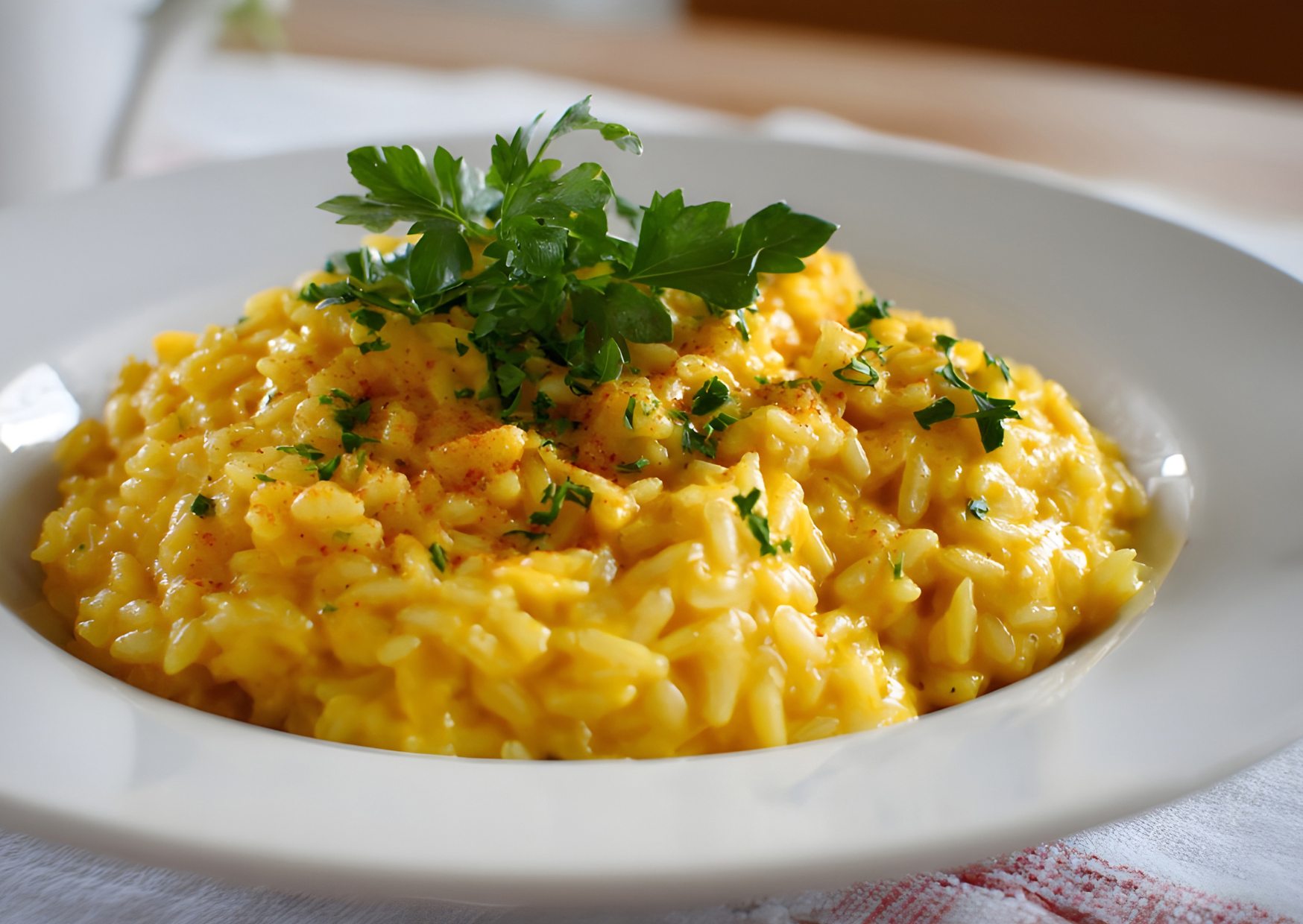
Risotto is the dish where the American-versus-European rice approach matters most visibly.
A proper risotto requires a specific rice variety. Carnaroli is the gold standard for most risotto styles. Arborio is more common in Italy and works for most preparations. Vialone Nano is preferred for some Veneto-region risottos. All three have a specific starch profile that is different from generic long-grain rice.
The starch in these short-to-medium-grain rice varieties is a mix of two starches called amylose and amylopectin. Risotto rice has a higher proportion of amylopectin, which dissolves into the cooking liquid and produces the creamy, almost sauce-like consistency that defines risotto. Long-grain rice has more amylose, which keeps the grains separate and dry, the opposite of what risotto needs.
Cooking risotto with long-grain rice does not produce risotto. It produces long-grain rice in flavored liquid. The texture, the integration of the liquid and the rice, and the overall character of the dish are different.
The American who has only ever made risotto with substituted long-grain rice (because the recipe says “use risotto rice” but the kitchen has Uncle Ben’s) has not actually made risotto. They have made an approximation that the recipe writer did not intend.
The risotto cooking technique also requires the right rice. The slow addition of warm broth over 18 to 22 minutes, the constant stirring, the controlled release of starch all assume risotto rice. Long-grain rice does not respond to this technique the same way. It either becomes mush or it stays separate and does not develop the creamy texture.
For Americans wanting to make actual risotto, the rice variety is non-negotiable. Carnaroli is available at specialty stores and increasingly at well-stocked supermarkets. Arborio is widely available. Either produces a real risotto. Substituting long-grain rice does not.
The Paella Specifically

Paella is the Spanish dish where the rice variety matters in a different way than risotto.
Paella rice (Bomba, Calasparra, or similar Spanish varieties) is selected for its high liquid absorption capacity without breaking down. Bomba rice can absorb three times its volume in liquid without becoming mushy. This allows the paella to develop the deeply flavored rice that has absorbed all the saffron, seafood, meat, and vegetable flavors during cooking.
The cooking technique for paella is essentially the opposite of risotto. The rice is added to the hot liquid all at once. It is not stirred. The pan is left alone over medium heat until the liquid is absorbed and the rice is cooked. The bottom of the pan develops a slightly crusty layer called socarrat, which is considered the best part of the dish.
Substituting long-grain rice or risotto rice for paella rice produces a different dish. Long-grain rice cooks too quickly and absorbs too little liquid. Risotto rice releases too much starch and produces a creamy texture that paella is not supposed to have. The combination of high absorption and structural integrity is what defines proper paella rice, and it is not interchangeable with other varieties.
The American approach to “Spanish rice” or “yellow rice” using long-grain rice with saffron or turmeric is not paella. It is rice cooked in a Spanish-influenced way. The actual dish requires the actual rice.
For Americans wanting to make actual paella, Bomba is the right choice. Bomba is more expensive than other rice varieties but a small amount goes a long way. A 500-gram bag of Bomba serves 6 to 8 people in a paella and costs 8 to 14 dollars in specialty stores or online. The price per serving is reasonable.
The Daily Rice Question
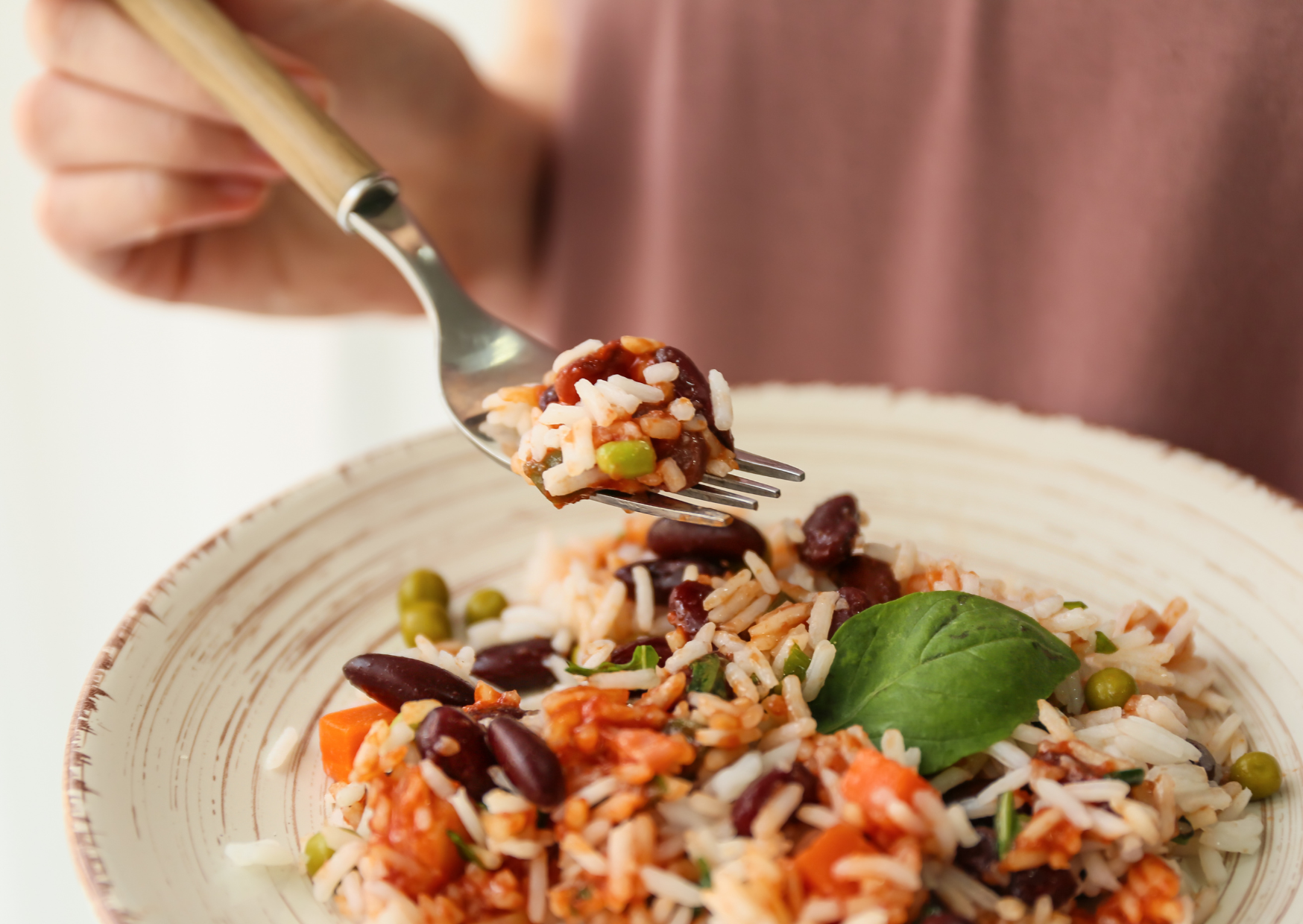
Beyond specific dishes, Europeans simply eat less rice as a daily starch than Americans do. The pattern is structural.
European meals are typically built around bread or potato as the daily starch, with rice appearing in specific dishes rather than as a default side. Italian meals often have bread but no rice. French meals usually have bread or potato. German, British, and Eastern European meals favor potato or bread. Greek and Turkish meals have rice in specific dishes (pilaf, stuffed vegetables) but not as a general accompaniment.
The American meal pattern of protein + starch + vegetable, with rice frequently filling the starch slot, is uncommon in European meal planning. The European meal pattern is more varied in its starch component, with rice appearing in specific contexts rather than as a generic option.
This structural difference reflects regional agricultural history. Most of Europe is wheat country, with rice growing only in specific southern regions (Po Valley, Valencia, Ebro Delta, Greek plains, parts of Portugal). Bread and pasta from local wheat have been the dominant carbohydrates for most of European history. Rice has been a regional specialty rather than a national staple.
The American agricultural pattern is different. Rice is grown in significant quantities, distributed nationally, and marketed as a daily-use starch. The supply created the demand, which created the meal pattern.
The implication for Americans cooking European-style is that rice should be treated as occasional rather than daily, used in specific dishes rather than as a default side, and chosen for variety rather than for generic availability. The Italian who cooks risotto twice a month and otherwise has bread or pasta is operating differently from the American who has rice four nights a week as a side dish.
The Cooking Technique Variations
Beyond variety selection, European rice cooking uses specific techniques that the American boiled-rice default does not.
The Italian risotto technique involves toasting the dry rice briefly in fat before adding any liquid, then adding warm broth gradually with constant stirring. The toasting step (called tostatura) seals the outside of the grains and produces a different texture than rice cooked from raw. The gradual liquid addition allows controlled starch release.
The Spanish paella technique involves searing the meat and seafood first, building a flavorful base in the pan, then adding the rice to the hot oil before adding the liquid. The rice toasts briefly in the oil before the cooking liquid arrives, which produces the slightly nutty flavor that distinguishes proper paella from generic flavored rice.
The Greek pilaf technique involves toasting the rice in butter or olive oil before adding the cooking liquid, similar to the Italian and Spanish techniques. The toasting step is consistent across European rice traditions and is largely absent from American rice cooking.
The Italian stuffed vegetable technique uses partially cooked rice that finishes cooking inside the vegetable. The rice is cooked separately for half its normal time, mixed with herbs, tomato, and other ingredients, and then stuffed into peppers, tomatoes, or zucchini for finishing in the oven.
The common element across these techniques is treating the rice cooking as part of the dish rather than as a separate process. The rice gets toasted, the rice gets seasoned during cooking, the rice integrates with the other ingredients rather than being prepared separately and combined later.
The American approach of cooking rice in salted water and then adding it to the dish skips most of these integration steps. The rice ends up in the dish but does not participate in the dish’s flavor development.
What This Means For The American Cook
For Americans cooking European-style, the practical implications are several.
Buy specific rice for specific dishes. Carnaroli or Arborio for risotto. Bomba for paella. Greek short-grain for stuffed vegetables. The varieties cost slightly more than generic long-grain but the difference per serving is small and the dishes turn out meaningfully better.
Toast the rice before adding liquid in dishes that call for it. This is a simple technique change that improves most pilaf-style dishes substantially.
Use rice in specific dishes rather than as a default side. Replace some of the daily rice with bread, potato, or pasta to align with European meal patterns. The variety in starches produces more interesting meals than the same rice every night.
Read the recipe for which rice it actually wants. A risotto recipe assumes risotto rice. A paella recipe assumes paella rice. Substituting based on what is in the cabinet often produces a different dish than the recipe was designed for.
Build a small rice library rather than relying on a single variety. Carnaroli, Bomba, basmati, jasmine, and one good long-grain cover most cooking applications. The total cost is modest and the cooking flexibility is meaningful.
For Americans not particularly interested in European cooking, the generic American rice approach continues to work for most American applications. The argument is not that the European approach is universally better. It is that European rice dishes specifically benefit from European rice variety selection and cooking technique, and substituting generic American practice for European specific practice produces a different result.
What This Recognizes
European rice cooking is one example of a broader pattern. The European food system tends to be more specific than the American food system in many areas: cheese varieties for specific dishes, olive oil grades for specific applications, flour types for specific baked goods, salt types for specific seasoning purposes. The American food system tends to be more generic, with one or two dominant products serving many applications.
Neither system is universally better. The European specificity produces more dish-appropriate ingredients but requires more knowledge and more shopping effort. The American genericity is more convenient but produces less optimized results for specific dishes.
For Americans cooking European cuisines, learning the specific ingredient choices is part of the cooking. The recipe for risotto assumes risotto rice. The recipe for paella assumes paella rice. The recipes for European rice dishes are specific in ways that American recipe writing often glides past, partly because the American writer assumes the reader will use whatever rice they have.
The European who eats rice eats specific rice in specific dishes. The American who eats rice eats generic rice in unspecific applications. The two are doing different things with the same name. Understanding this is the first step toward producing European rice dishes at home that taste like the actual dishes rather than like American interpretations.
The rice in the cabinet is rarely the right rice for the dish you are cooking. The cook who pays attention to which rice each dish wants produces better food. The cook who treats rice as a generic ingredient produces what most Americans produce: rice-adjacent versions of dishes that were designed around specific rice varieties.
Rice is not just rice. The European supermarket has known this for centuries. The American supermarket is starting to catch up, with more rice variety appearing in specialty sections and well-stocked stores. The American cook who uses this expanded availability produces better European dishes than the cook who continues with the generic default.
The dish tells you which rice to buy. The cook just has to listen.

About the Author: Ruben, co-founder of Gamintraveler.com since 2014, is a seasoned traveler from Spain who has explored over 100 countries since 2009. Known for his extensive travel adventures across South America, Europe, the US, Australia, New Zealand, Asia, and Africa, Ruben combines his passion for adventurous yet sustainable living with his love for cycling, highlighted by his remarkable 5-month bicycle journey from Spain to Norway. He currently resides in Spain, where he continues sharing his travel experiences with his partner, Rachel, and their son, Han.