
The retired American nurse, single, in her early sixties, with $140,000 in retirement assets and Social Security still two years away, is one of the most specific cohorts arriving in Spain in 2024 and 2025.
The specificity matters because of the profession. American nurses spend their careers inside the US healthcare system, and they leave it with a clear-eyed understanding of what that system delivers and what it does not. The retired nurse who chose Spain over staying in the US generally did so for healthcare-specific reasons, not just for cost. She knew exactly what she was leaving and exactly what she was getting, in a way most American retirees do not.
This produces an unusual cohort. The retired nurse arriving in Spain is not naive about healthcare comparisons. She is not impressed by superficial differences. She has run the comparison from inside the US system, with full professional knowledge of what each side actually delivers, and she chose Spain. The reasons she chose Spain are worth examining specifically, because they describe what the Spanish system actually gives back to a healthcare professional who has seen both.
The starting capital of $140,000 is tight. Below the retirement-visa thresholds for some pathways. Above them for others. The financial structure of this profile is similar to the Maryland teacher cohort in some ways, but the healthcare framing produces different priorities and different outcomes.
Why The Spanish Healthcare System Specifically

The retired nurse cohort that chose Spain over Portugal, Italy, or France generally cites Spain’s specific healthcare characteristics as the deciding factor.
The Spanish public health system, Sistema Nacional de Salud, operates as a regional network of integrated care, with each autonomous community managing its own healthcare delivery within national standards. The system covers all legal residents, including foreign retirees who have completed the residency process and registered with the local health center.
The relevant features for the retired nurse cohort are several.
Universal coverage with no out-of-pocket cost at point of service. Visits to general practitioners, specialists, hospital care, surgeries, emergency care, and most preventive services carry no copayment. Prescriptions are subsidized on a sliding scale, with retirees paying a maximum of around 8 to 18 euros per month total for typical prescription needs, depending on income.
No deductibles. The Spanish system does not have deductibles, out-of-pocket maximums, or the byzantine billing structures that define US healthcare. The retired nurse who spent her career navigating insurance prior authorizations, denied claims, and patient billing finds the absence of all this administrative weight to be one of the largest qualitative differences.
Strong primary care infrastructure. Each registered resident has an assigned primary care physician at a designated health center, with continuity of care across years. The American retired nurse cohort consistently cites the relationship with the primary care physician as one of the most meaningful improvements over the US baseline, where primary care relationships often last only as long as the insurance plan that pays for them.
Integrated electronic health records. A patient’s records are accessible across the regional health network. The retired nurse who treated patients with fragmented records, lost test results, and miscommunication between specialists finds the Spanish system’s integration to be a substantial structural improvement.
Reasonable wait times for non-urgent specialist care. Wait times vary by region and specialty, but typical waits for non-urgent specialist appointments run six to twelve weeks. Faster than some US Medicare experiences for similar appointments, depending on the region and specialty.
The cohort that has worked inside US healthcare and then experiences the Spanish system reports a specific kind of relief. The professional knowledge produces a sharper appreciation of what is missing from the US baseline rather than a simple admiration of the Spanish system.
Where This Cohort Lands In Spain

The retired nurse at this asset level rarely lands in Madrid or Barcelona. The major Spanish cities have priced this cohort out, similar to the dynamics in the Algarve and Lisbon.
The current settlement pattern clusters in mid-sized Spanish cities and smaller towns. Valencia and the surrounding towns along the Mediterranean coast are the most common landing zone. The city itself is meaningful but mid-sized, the cost structure is reasonable, and the healthcare system is well-developed. Málaga and the smaller Costa del Sol towns are the second cluster, with similar advantages. Granada, Córdoba, and the Andalusian cities are the third common destination, with lower costs and strong healthcare infrastructure.
A meaningful subset land in smaller coastal towns like Cádiz, Cartagena, Almería, or the inland towns near Valencia like Xàtiva or Sagunto. The pattern is consistent: cities or towns with reliable healthcare access, lower rent than Madrid or Barcelona, and Spanish-language daily life that the retired nurse cohort generally engages with rather than avoiding.
The Madrid or Barcelona destination is workable at this asset level only with significant compromise on housing or with supplemental income. The mid-sized city or smaller town destination preserves both the budget and the lifestyle.
The Cost Breakdown
The numbers below are a working monthly budget for a single retired nurse in this profile, in Valencia, after the first year of settling in. Granada and Córdoba run roughly 10 to 15 percent lower. Smaller coastal towns run 5 to 10 percent lower. Madrid and Barcelona run 30 to 40 percent higher.
Housing: 750 to 950 euros per month.
A one-bedroom apartment in a reasonable Valencia neighborhood (Ruzafa, Russafa, El Carmen, or the residential districts north of the city center) runs 700 to 900 euros. A small two-bedroom in a less central area runs 850 to 1,100. The cohort typically lands in the 800 to 900 range. Buildings are usually older, with adequate but not generous heating and air conditioning. Utilities (electricity, water, gas) add 90 to 160 euros depending on the season, with summer running higher because of air conditioning.
Health insurance: 80 to 130 euros per month.
For a single woman in her early sixties, private health insurance to satisfy the Non-Lucrative Visa requirement runs about this range. Major Spanish insurers (Sanitas, Adeslas, DKV, Asisa) all offer plans in this band. The cohort typically maintains private insurance for the first year. After establishing residency and registering with the public health system, most reduce or drop the private coverage. The Spanish public system serves the cohort adequately for most needs, and the private supplement (40 to 70 euros monthly for a basic specialist-access plan) handles the gaps.
Groceries: 280 to 380 euros per month.
Single-person groceries in a Spanish city run meaningfully below US levels for produce, fish, bread, and dairy. Mercadona, Lidl, and the local mercado handle most needs. The cohort typically eats Mediterranean-style, which the Spanish food environment supports naturally. Wine adds 30 to 60 euros depending on consumption.
Eating out: 150 to 280 euros per month.
Spanish casual eating is genuinely affordable. Menú del día (the lunch special at most casual restaurants) runs 12 to 18 euros for three courses with bread and a drink. Tapas at local bars run 2 to 5 euros each. The retired nurse cohort eats out for lunch two to four times per week and for dinner less often, which produces this monthly range.
Transportation: 25 to 60 euros per month.
Most of this cohort does not own a car. The Valencia public transit pass for retirees is around 15 to 25 euros monthly. Granada and Málaga are similar. Walking handles most daily errands in the cities this profile lives in. Occasional Uber or taxi adds 10 to 30 euros monthly. The cost is dramatically lower than the US baseline of car ownership.
Phone, internet, subscriptions: 55 to 80 euros per month.
Spanish mobile plans run 10 to 20 euros for solid data and voice. Home internet runs 30 to 45 euros. Streaming services add another 15 to 25.
Personal, household, miscellaneous: 100 to 180 euros per month.
Toiletries, cleaning supplies, household items, occasional clothing, gym membership (25 to 40 euros monthly for a basic gym), pharmacy items not covered by insurance.
Travel and weekend trips: 150 to 280 euros per month averaged.
Weekend trips to Madrid, Barcelona, Sevilla, or smaller Spanish destinations. Occasional flights to other European countries. Annual flight back to the US for family visits, typically 800 to 1,400 euros from Spanish airports.
Buffer and irregular expenses: 100 to 180 euros per month averaged.
Unexpected costs, occasional larger purchases, dental work not fully covered by public or private insurance, gifts.
The Total Monthly Picture
For the retired nurse cohort in Valencia after first-year adjustment:
Lower end: roughly 1,690 to 1,850 euros per month. Middle: roughly 1,900 to 2,100 euros per month. Higher end: roughly 2,200 to 2,500 euros per month.
The monthly run-rate the cohort actually settles into, by the end of year two, is typically 1,950 to 2,200 euros. At the current exchange rate, that is roughly $2,150 to $2,400 per month.
This is meaningfully lower than the same nurse’s monthly spending in most US cities, which typically ran $3,200 to $4,200 per month in retirement. The cost reduction is roughly 35 to 45 percent.
The Income Bridge

The retired nurse in this profile is operating without Social Security for the first two years.
The portfolio of $140,000 is the only source of monthly income during the bridge period. At a 4 percent withdrawal rate, this produces $467 per month, which covers roughly 22 percent of the budget. The remaining 78 percent has to come from somewhere.
The cohort handles this in three patterns.
Higher portfolio drawdown for the bridge. Withdrawing 12 to 16 percent annually from the portfolio to cover the gap until Social Security starts. This drains the portfolio aggressively. At 14 percent annual withdrawal, the portfolio drops from $140,000 to roughly $95,000 over two years (assuming 4 percent growth), which is sustainable for the bridge but leaves the post-Social-Security position tight.
Per diem nursing or telehealth income. A meaningful subset of the retired nurse cohort takes on remote telehealth work for US clients, online nursing education, or health writing. Income in the 1,000 to 2,500 euro per month range is achievable for nurses with relevant certifications and experience. This income violates the Non-Lucrative Visa terms and the cohort that does this either transitions to the Digital Nomad Visa or operates carefully with Spanish tax compliance.
Spanish nursing work. The credentialing process for foreign nurses to work in Spain is involved but possible. The cohort that pursues this path can earn 1,800 to 2,800 euros per month in Spanish nursing roles, which transforms the financial picture entirely. The cost is the credentialing time (typically 12 to 24 months) and the Spanish-language requirement.
The Setup Costs
First-year setup for this profile, beyond the monthly budget:
Apartment setup: 2,200 to 4,000 euros. Two months rent as deposit. One month rent as agency fee. Initial furniture and household goods.
Visa and immigration: 400 to 1,500 euros. Non-Lucrative Visa application, document apostilles, certified translations, optional immigration attorney fees.
Health insurance setup year one: 1,000 to 1,500 euros. Required private insurance before public system eligibility.
Travel between US and Spain during transition: 1,800 to 4,000 euros. Flights including return trips for US-side closure.
Furniture and household setup: 1,200 to 2,500 euros. Beyond basic apartment setup.
Buffer for unexpected first-year costs: 2,500 to 5,000 euros.
Total first-year setup: 9,100 to 18,500 euros. The cohort that plans well lands in the lower range. The cohort that improvises lands in the upper range.
What The Healthcare System Gave Back Specifically
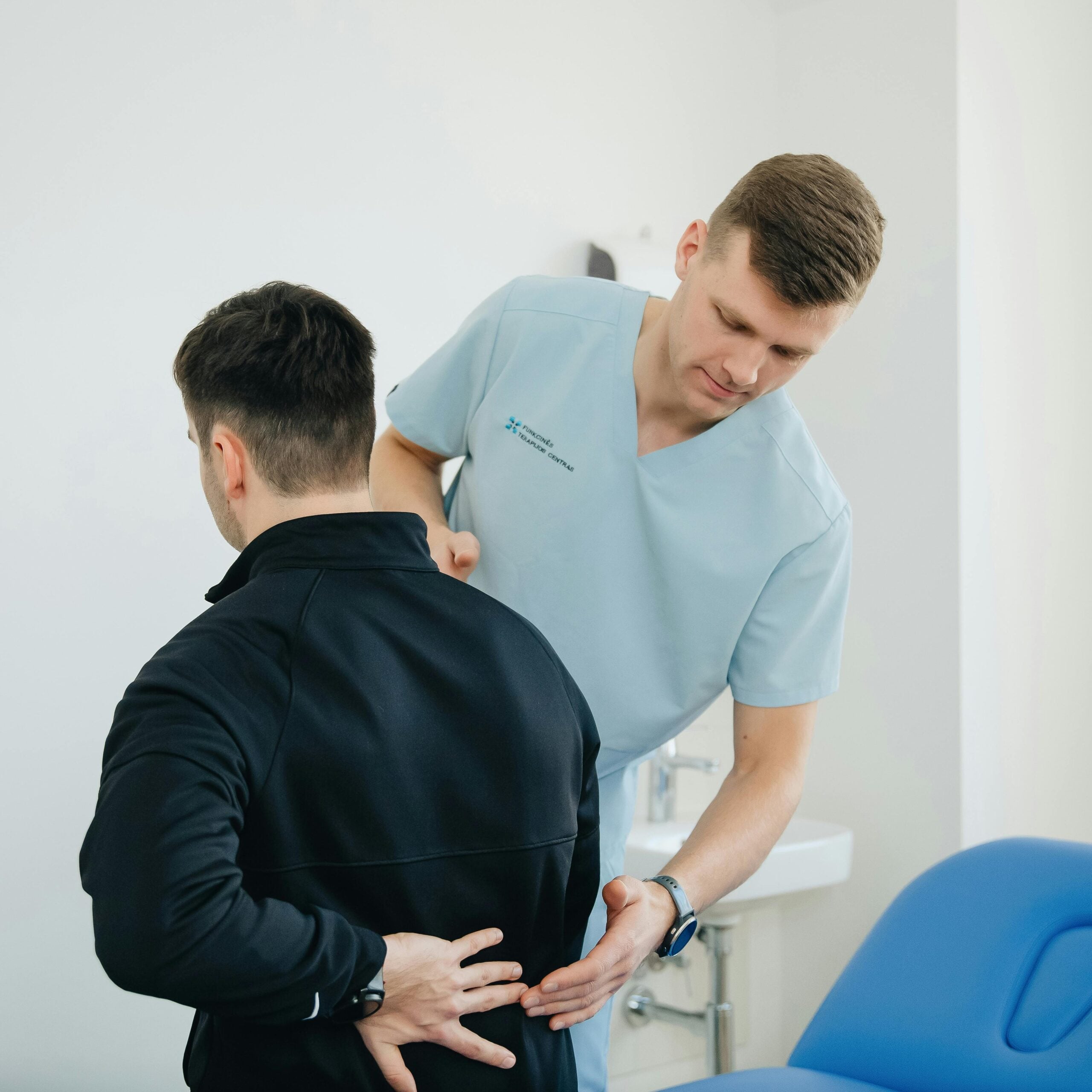
The headline of this piece is what the Spanish healthcare system gave back. The financial cost structure is part of the answer. The qualitative experience is the larger part, and it is what the retired nurse cohort cites most often when asked.
The end of insurance navigation. A US nurse spends a meaningful share of her professional life dealing with insurance authorization, denied claims, prior approvals, billing disputes, and the administrative architecture of American healthcare. As a patient in Spain, she does not deal with any of this. The doctor orders a test. The test happens. The result comes back. There is no parallel administrative process. This absence is the single most-mentioned change in interviews and surveys with retired nurses in Spain.
The continuity of primary care. Most US insurance changes mean primary care provider changes. The retired nurse who spent her career watching her own patients lose continuity to insurance disruptions arrives in Spain and gets assigned a primary care physician for the duration of her residency. The relationship can develop over years. The doctor knows her history. The doctor knows her family history. The doctor remembers the previous appointment.
The integration of records. Spanish electronic health records are accessible across the regional system. A specialist visit in another city, with another doctor, references the records from the primary care visit two months earlier. The retired nurse who treated patients with fragmented records, lost test results, and miscommunication between providers experiences the integration as one of the structural improvements.
The absence of cost-driven medical decisions. The retired nurse made medical decisions throughout her career while watching patients refuse necessary tests and treatments because of cost. As a patient in Spain, she does not weigh whether to skip a test because of the deductible. She does not delay a specialist referral because of the copayment. The medical decisions happen on medical grounds, with the cost layer absent.
The reduced caregiver burden for aging. The Spanish system handles aging patients more gracefully than the US system, with home visits available, reasonable assisted-living costs when needed, and a healthcare framework that does not deplete the patient’s savings to qualify for end-of-life care. The retired nurse who watched American patients spend their life savings on the final years of care arrives in a country where this dynamic does not operate the same way.
The professional respect for nursing care. Spanish nursing is a respected profession with reasonable working conditions, adequate staffing ratios, and a healthcare culture that treats nurses as professionals rather than as cost centers. The retired nurse experiences the system as a patient and registers, with professional recognition, that the people caring for her are working under conditions she wishes she had worked under.
These six elements compound. The retired nurse who has the professional knowledge to understand what each element actually means experiences the system differently than a non-medical American retiree would. The cohort’s satisfaction with the Spanish healthcare system is not naive enthusiasm. It is informed comparison.
What The Cohort Got Right
The retired nurse cohort in Spain at month 18 generally reports satisfaction with the move. The pattern is consistent.
The financial decision worked. The cost structure is sustainable through the Social Security bridge, even at the tight $140,000 starting capital. The portfolio drawdown is uncomfortable but workable.
The healthcare delivers. The system gives back what the retired nurse cohort came for, in the specific ways described above. The qualitative improvement is real and durable.
The lifestyle is supportive. Spanish small-city life, the Mediterranean climate, the walking infrastructure, the food environment, the social fabric of cafes and weekly markets, all support the retirement the cohort moved for.
The Spanish language acquisition is gradual but achievable. Most of the cohort can manage daily healthcare interactions in Spanish within twelve to eighteen months. The cohort that resists Spanish-language engagement makes the first year harder; the cohort that engages it finds the second year much easier.
The travel optionality is real. Weekend trips, multi-week European travel, occasional US visits. The European base produces possibilities the US-based retirement did not.
What The Cohort Got Wrong
A few patterns of regret:
Some chose Madrid or Barcelona despite the math. The cohort that insisted on the major Spanish cities at this asset level often regrets the housing compromise required. The mid-sized city alternative produces a better life at this asset level.
Some did not pursue Spanish nursing credentialing early enough. The cohort that wanted to work part-time in Spanish nursing and waited too long to start the credentialing process loses the income that would have made the bridge years easier. The credentialing should start within the first six months for cohort members who plan to use it.
Some underestimated the residency-to-public-health-system timeline. Public system access does not arrive immediately. The first year on private insurance is real and the cost is meaningful. The cohort that planned for immediate public system access usually experienced disappointment.
Some did not engage Spanish-language daily life. The cohort that maintained an English-only expat bubble missed the integration that makes the Spanish life genuinely good. The bubble is available but it produces a thinner experience.
Some underestimated the climate sensitivity. Spanish summers in Valencia, Madrid, Sevilla, and Córdoba run hot, often above 38 degrees Celsius for sustained periods. The retired nurse cohort with health conditions sensitive to heat had to plan accordingly, sometimes with summer relocations to cooler northern Spain or to other European destinations.
Seven Days Of Initial Setup
This is a starter sequence for the retired nurse considering this move at this asset level.
Day 1. Calculate the bridge cost. Years until Social Security starts times monthly budget. The total is the bridge requirement.
Day 2. Compare bridge cost to portfolio capacity. Portfolio at projected withdrawal rate, over the bridge period, with realistic growth assumptions. Identify the annual withdrawal rate needed to bridge.
Day 3. Evaluate supplemental income options. Telehealth, remote nursing education, health writing, Spanish nursing credentialing pathway. Determine realistic income potential for each.
Day 4. Compare landing destinations. Valencia, Granada, Málaga, smaller alternatives. Use the cost breakdown above as a baseline.
Day 5. Plan the visa pathway. Non-Lucrative Visa with current income demonstration requirements. Most retired nurses at this asset level need to demonstrate the income through a combination of portfolio statements, expected Social Security, and any pension documentation.
Day 6. Plan the healthcare integration timeline. First year on private insurance, registration with the public health system after residency, gradual reduction of private supplement. Set realistic expectations.
Day 7. Stress-test against shocks. A 20 percent portfolio drop in year one, a delayed Social Security activation, a health emergency requiring US treatment. Plan for at least one of these to occur.
What The 18-Month Mark Recognizes
The retired nurse in Spain at month 18 has the answer to what she came for. The Spanish healthcare system does deliver what her professional knowledge predicted it would deliver. The cost structure is workable through the bridge years. The lifestyle supports the retirement she moved for.
The cohort that thrives is the cohort that arrived prepared, with professional clarity about what the Spanish system would and would not provide, and with realistic expectations about the financial bridge to Social Security. The cohort that struggles is the cohort that arrived with idealized expectations of a Mediterranean retirement disconnected from the financial and administrative realities.
The math is workable at $140,000 with the bridge planning. The healthcare delivers what the retired nurse cohort came for, in the specific ways the professional knowledge could anticipate. The Spanish life is genuinely available at this asset level, if the destination choice and the bridge planning are handled honestly.
For the next retired nurse considering the same move, the financial template above is what 2026 looks like. The healthcare framing is real. The cohort that chooses Spain over staying in the US generally does so for healthcare-specific reasons that hold up under post-relocation experience, and the satisfaction with the move is consistent enough to predict.
Spain gives back what the professional knowledge expected. That is the report from month 18.

About the Author: Ruben, co-founder of Gamintraveler.com since 2014, is a seasoned traveler from Spain who has explored over 100 countries since 2009. Known for his extensive travel adventures across South America, Europe, the US, Australia, New Zealand, Asia, and Africa, Ruben combines his passion for adventurous yet sustainable living with his love for cycling, highlighted by his remarkable 5-month bicycle journey from Spain to Norway. He currently resides in Spain, where he continues sharing his travel experiences with his partner, Rachel, and their son, Han.