
The Portuguese woman in line at the pharmacy in Cascais asks for a specific brand of intimate wash by name, the way an American might ask for a specific shampoo.
The pharmacist hands it over without comment. Two products, one for daily use, one for stronger cleansing during menstruation or post-illness. The transaction takes ninety seconds.
This is a routine purchase in Portugal. In the United States, the same product category occupies roughly two feet of drugstore shelf space and is treated as either a niche concern or a slightly embarrassing one. The cultural framing is so different that most American visitors to Portugal never notice the gap, and most Americans who relocate to Portugal take six to twelve months to figure out what their Portuguese neighbors have been doing differently the entire time.
The hygiene gap between Portugal and the United States is not about cleanliness in the sweeping sense. Americans shower as often as the Portuguese, brush their teeth as often, and wash their hands at similar rates. The gap is about what counts as basic, non-negotiable, and assumed, versus what counts as optional, individual, or slightly embarrassing.
Portuguese hygiene culture, like most of Mediterranean and southern European hygiene culture, treats certain practices as foundational that American culture treats as optional or unfamiliar. The practices are not exotic. They are not difficult. They are simply absent from the American default.
This piece walks through nine of those practices, in roughly the order they show up in a typical Portuguese day. None of them are obscure. All of them are routine in Portugal. Most of them are barely known in the United States.
The Bidet Routine
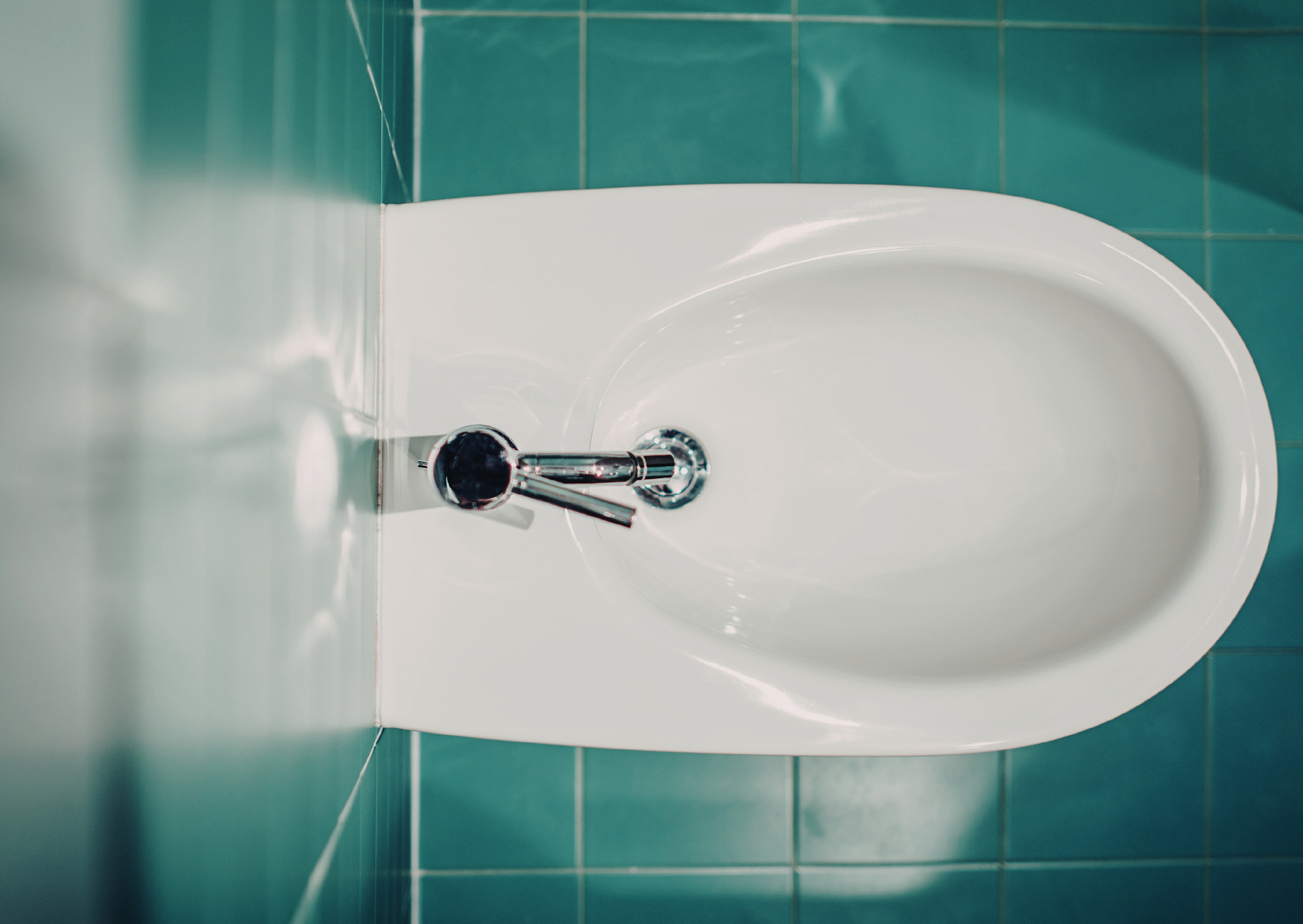
The bidet is the most visible difference, and the one Americans encounter first when they enter a Portuguese bathroom and find a second porcelain fixture next to the toilet.
Portuguese bathrooms have bidets at a rate close to 90 percent in residential construction. Hotels include them. Older apartments have them. New construction continues to install them. The bidet is not a luxury feature in Portugal. It is standard plumbing, the way a sink is standard.
The use is straightforward. After using the toilet, the Portuguese user moves to the bidet, washes the relevant area with water and mild soap, and dries with a dedicated towel. The toilet paper is used for initial cleaning. The bidet finishes the job.
The cultural framing is matter-of-fact. Portuguese children are taught bidet use as part of basic toilet training. Adults use the bidet automatically. The practice is not discussed because it does not need to be discussed. It is simply how bathrooms work.
The American absence of the bidet is a structural rather than cultural fact. American plumbing codes, residential construction practices, and bathroom design have not historically included bidets. The result is that Americans, even those who travel internationally, often go their entire lives without engaging with what most of southern Europe considers a basic hygiene fixture.
The American shift toward bidet seats and attachments since 2020 has narrowed the gap, but the underlying cultural framing remains different. Americans who install bidets often treat them as a personal innovation. Portuguese users treat them as plumbing.
The Daily Genital Wash
The bidet is the fixture. The practice it supports is what Portuguese pharmacy aisles reflect.
Portuguese drugstores carry an extensive range of intimate hygiene products, primarily mild pH-balanced washes designed for daily use. The brands are familiar to every Portuguese adult. Lactacyd, Hibitane, Saugella, and similar products occupy real shelf space, and they are purchased and used daily by a meaningful share of the Portuguese population.
The practice is to use a small amount of intimate wash during the daily shower or bidet routine. The product is mild, designed for sensitive tissue, and intended to maintain rather than disrupt the natural skin balance.
American drugstores carry a much smaller range of these products, often confined to a corner of the feminine hygiene aisle and rarely featured prominently. The American medical and cultural conversation around intimate hygiene has historically discouraged the use of soaps in this area, partly in response to the harsher products of earlier decades that did cause irritation and disrupt healthy bacterial balance.
The Portuguese practice uses different products. The pH-balanced washes available in Portuguese pharmacies are formulated specifically for daily intimate use and are not the same category of product as the harsher feminine hygiene products that drove the American medical caution. The result is a gap in available products and a gap in the assumed routine.
Portuguese women, and an increasing number of Portuguese men, treat daily intimate washing with a dedicated product as a basic hygiene step. The American default is water alone, often without specific attention to the area. Neither approach is medically wrong, but they produce different baseline practices.
The Foot Hygiene Routine
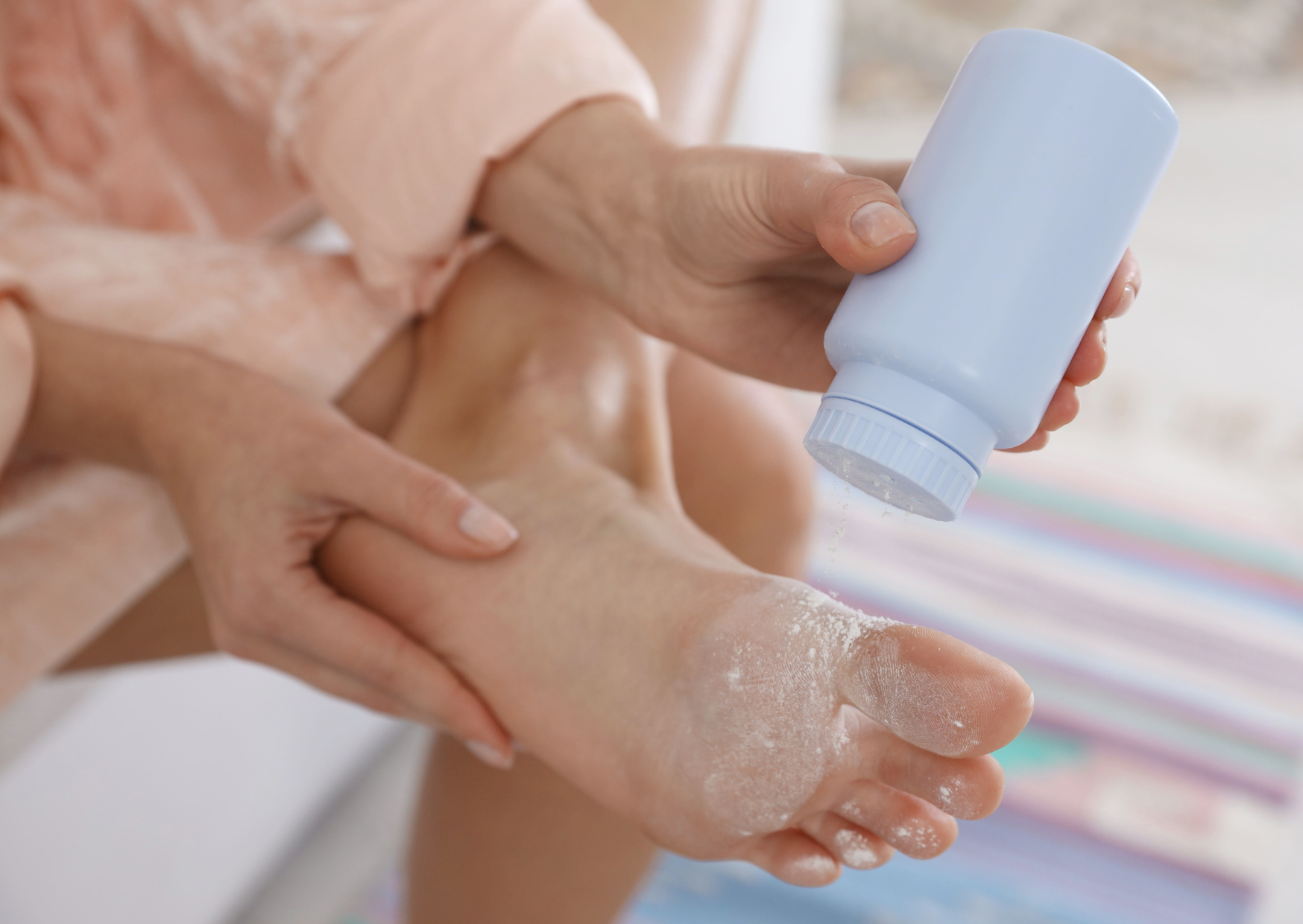
Portuguese foot care extends beyond the American norm in several specific ways.
The daily shower in Portugal typically includes deliberate washing of the feet with attention to the spaces between the toes. The foot is washed with the hands, with soap, as a distinct step. Foot odor, when it occurs, is treated as a hygiene failure rather than as an inevitable consequence of having feet.
Portuguese pharmacies carry a wide range of foot-specific products. Antifungal powders, foot creams, deodorant powders, and dedicated foot soaps are standard inventory. The pharmacist will recommend specific products for specific situations, including for diabetic foot care, athletic foot maintenance, and general daily routine.
The post-shower foot routine often includes drying the feet thoroughly with a dedicated towel, including between the toes, applying a moisturizing or antifungal product depending on individual needs, and changing into clean socks. Putting on socks that have been worn earlier in the day is not part of the Portuguese default.
The American default treats foot hygiene as a periodic rather than daily concern. Foot care products in American drugstores are generally targeted at problems rather than at maintenance. The pharmacist conversation about foot care is rare in the American context.
The cumulative effect over a lifetime is meaningful. Portuguese podiatrists report fewer of certain common American foot problems, including chronic athlete’s foot, fungal nail infections, and the kind of long-standing foot odor that becomes a social issue.
The Towel Hierarchy
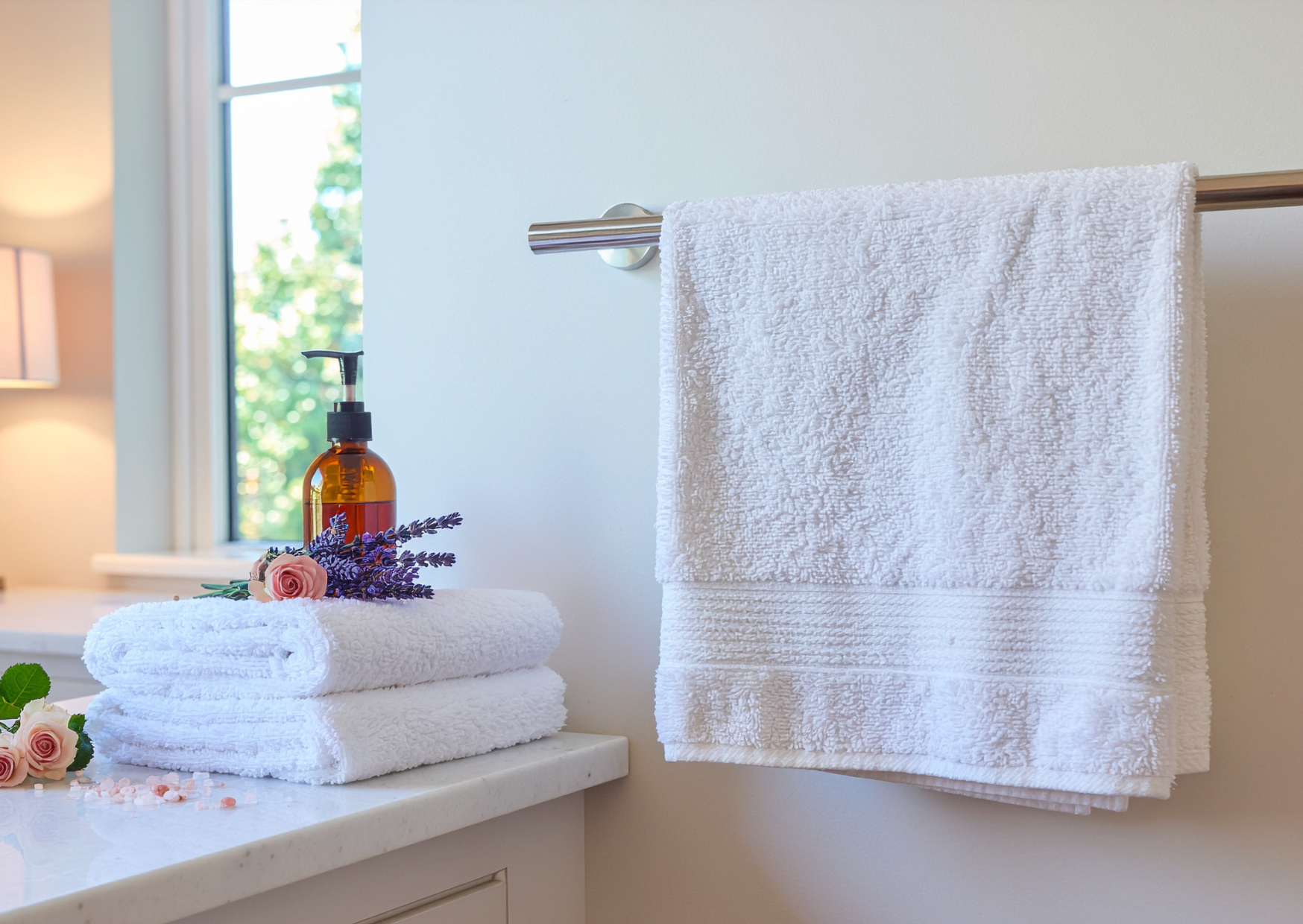
Portuguese bathrooms operate on a towel hierarchy that Americans rarely encounter.
A typical Portuguese household has dedicated towels for distinct purposes. The face towel is small and used only for the face. The body towel is larger and used after the shower. The bidet towel is separate and dedicated to its specific function. The hand towel by the sink is used only for hands.
Towels are washed frequently, typically every three to five uses, and are not shared across these categories. A guest in a Portuguese home is offered a clean set of towels for the visit, with the categories generally indicated by size and placement.
The American towel norm is more flexible. The same large towel is often used for multiple purposes across multiple days, and the dedicated function towels common in Portugal are less established. Hand towels and body towels are usually distinct, but the more granular hierarchy is unusual in American homes.
The Portuguese hierarchy is not driven by aesthetic preference. It is driven by hygienic logic. Different body areas have different bacterial profiles, and dedicated towels reduce cross-contamination. The practice is taught to children and reinforced through household routine.
For American visitors and residents in Portugal, the towel hierarchy is one of the first practices to encounter. Hotel housekeeping, host families, and Portuguese friends all operate within this system, and the cultural expectation that a guest will respect the category distinctions is consistent.
The Shoe Removal Practice
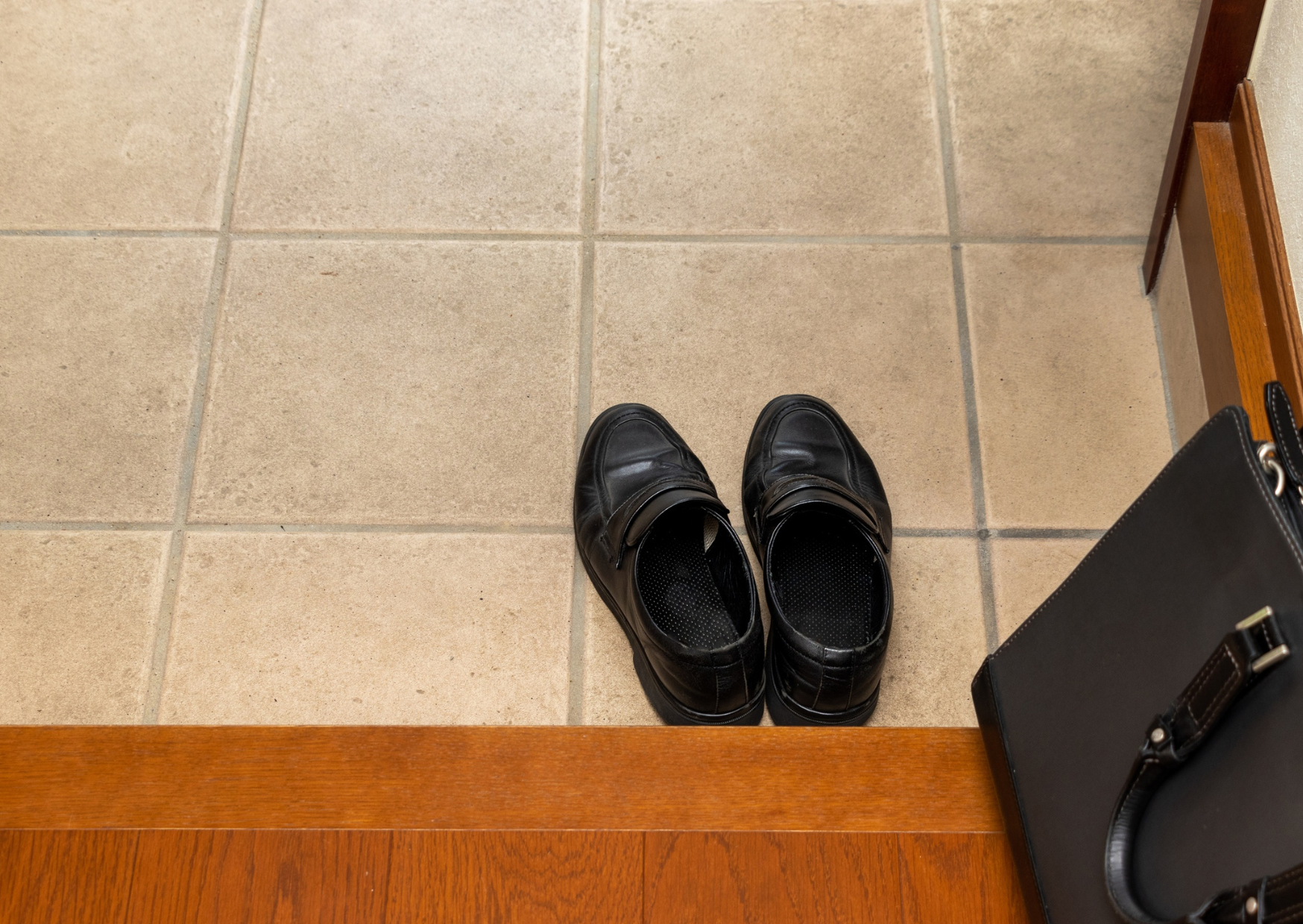
Portuguese homes operate on a shoe-off principle that is more rigorous than the American norm.
Entering a Portuguese home means removing outdoor shoes, almost without exception. The practice is universal enough that homes have dedicated shoe areas near the entrance, often with shelves or a small bench for the transition. House slippers, called chinelos or pantufas depending on the type, are standard household equipment, and most homes have an extra pair available for guests.
The reasoning is hygienic rather than ceremonial. Outdoor shoes carry whatever the wearer has walked through during the day, including dirt, water, animal waste, urban grime, and chemical residues. Bringing this material onto household floors, where children sit and pets rest, is treated as obviously unhygienic.
The American norm varies by region, family, and household, but the default in most American homes is to wear outdoor shoes throughout the home. The Portuguese visitor to an American home is often startled by this practice. The American visitor to a Portuguese home learns the convention quickly, usually after stepping inside in shoes and being gently redirected.
The practice extends to children’s social visits. Portuguese children visiting friends remove their shoes automatically. Birthday parties and school playdates assume shoe removal at the door. The hygiene logic is taught through example and reinforced through universal practice.
The Hand-Washing Frequency And Method
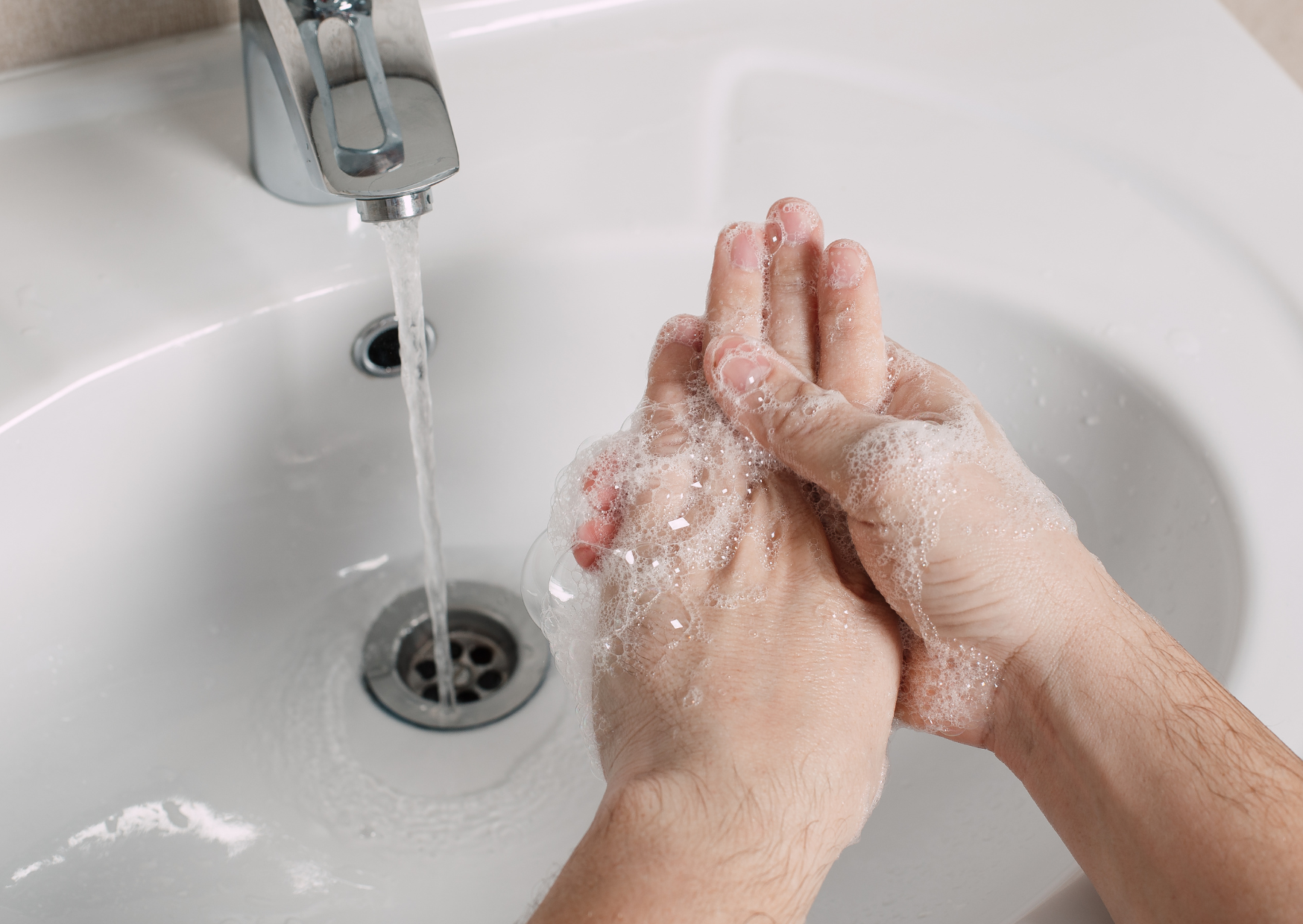
Portuguese hand washing is more frequent and more thorough than the American default in several specific contexts.
Returning home is a hand-washing trigger. Portuguese adults wash their hands as part of the entry routine, before any household activity. The practice is automatic enough that it does not require explicit reminder for adults and is taught early to children.
Eating with the hands is preceded by hand washing. The Portuguese norm before eating bread, fruit, or any food handled directly with the fingers is to wash hands first. The practice extends to restaurants, where Portuguese diners often visit the bathroom to wash before sitting down to eat.
Public transportation is a hand-washing trigger. The Lisbon metro, Porto metro, buses, and trams are understood as carriers of accumulated hand contact from many people. Portuguese commuters who handle handrails and surfaces often wash or sanitize their hands when reaching their destination.
The method is also more deliberate than the American casual rinse. The Portuguese hand wash typically takes 20 to 30 seconds, includes lathering with soap on both sides of the hands and between the fingers, and ends with a dedicated hand towel rather than air drying or wiping on clothing.
The American default has improved significantly since the pandemic, but the Portuguese baseline was already at a higher level before 2020. The cultural framing of hand washing as a frequent, automatic, multi-context practice rather than a periodic medical recommendation produces different lifetime outcomes.
The Underwear Change Frequency
Portuguese underwear change is daily and non-negotiable.
This sounds like an obvious practice, but the assumption is more rigorous than in some American contexts. Portuguese adults change underwear every day, regardless of activity level, sweat, or visible soiling. The practice is universal enough that it does not require discussion. Wearing the same underwear two days in a row is treated as a hygiene failure, not as an acceptable variation.
The supporting infrastructure is consistent. Portuguese laundry routines run frequently, often multiple times per week, to keep underwear supplies refreshed. Portuguese homes have drying racks for laundry, both because of climate considerations and because dryer use is less common, and the racks are sized for daily underwear loads.
For travelers, the practice means packing enough underwear for the duration of the trip. The Portuguese default of laundry every few days does not always translate to international hotel stays, and travelers who plan to wear the same underwear across multiple days find the cultural expectation uncomfortable when interacting with Portuguese laundry services or accommodations.
The American norm varies more widely. The daily change is common but not universal, and the cultural framing is less rigid. Portuguese visitors to American contexts sometimes encounter casual references to multi-day underwear that they find genuinely surprising.
The Mouth And Oral Hygiene Routine

Portuguese oral hygiene includes practices that extend beyond the American twice-daily brushing default.
Tooth brushing in Portugal happens after meals, not just morning and evening. The midday brush after lunch is standard, particularly for office workers and students who eat in cafeterias and bring portable brushing kits. The practice is taught in schools and reinforced through household routine.
Mouthwash use is more common than in the American context. Portuguese pharmacies carry a wide range of mouthwashes, including alcohol-free, fluoride-enhanced, and gum-health formulations, and use is integrated into the daily routine rather than reserved for occasional use.
Tongue cleaning is a frequent practice. Portuguese drugstores stock tongue scrapers and tongue-cleaning brushes, and the morning routine for many Portuguese adults includes tongue cleaning as a distinct step. The American default rarely includes this practice, despite increasing dental recommendations to do so.
Inter-dental cleaning, primarily through dental floss but also through inter-dental brushes, is more consistent than the American norm. Portuguese dentists report higher patient compliance with daily flossing than American studies typically find.
The cumulative effect is a Portuguese oral health profile that produces lower rates of certain common American dental issues, including chronic bad breath, gum disease at younger ages, and the kind of accumulated tartar buildup that American dentists routinely address at hygiene appointments.
The Skin And Sun Protection Routine

Portuguese skin care, particularly sun protection, is more rigorous than the American default in specific ways.
Daily sun protection is integrated into the morning routine. Portuguese adults apply SPF moisturizer or sunscreen as part of the morning skincare routine, regardless of the weather forecast. The practice is more universal than in the United States, where sun protection is often treated as a beach-day or summer-specific practice.
The Portuguese pharmacy stocks an extensive range of SPF products, primarily designed for facial daily use rather than for beach use. La Roche-Posay, Avène, Vichy, and similar dermatological brands are widely used, and the products are frequently recommended by Portuguese dermatologists as part of basic skin maintenance.
Skin cancer awareness is high in Portugal, which has significant sun exposure throughout much of the year and a population that includes both fair-skinned and darker-skinned individuals at varying risk levels. Public health messaging on sun protection is consistent, and the cultural framing treats daily SPF as basic preventive care rather than as cosmetic concern.
The American default is more uneven. Younger Americans have adopted daily SPF in higher numbers since the 2010s, but the practice is not yet universal across age groups, and the cultural framing of sunscreen as a beach-specific product persists in some contexts.
The cumulative lifetime effect of daily versus occasional SPF use is significant. Portuguese dermatologists report different patient profiles than American dermatologists in terms of accumulated sun damage, photoaging, and skin cancer presentation timing.
What The Hygiene Gap Actually Reveals
The nine practices above are not exotic. They are not particularly difficult. They are simply embedded in Portuguese culture in ways they are not embedded in American culture.
The cumulative effect of nine small daily differences, repeated across decades, is meaningful. Portuguese adults at 60 generally have different oral health, different skin profiles, different foot conditions, and different baseline hygiene assumptions than American adults at 60.
The differences are not because Portuguese people are more careful or more conscious. They are because the cultural defaults are set differently. The bidet is plumbing. The intimate wash is in the shower. The shoes come off at the door. The towels have categories. The teeth get brushed after lunch. None of this requires effort once the practice is established. It requires only that the practice be established in the first place.
For Americans considering relocation to Portugal, or simply visiting and noticing the cultural patterns, the gap is worth understanding. The Portuguese are not advertising these practices. They are simply doing them, the way Americans simply do the practices that constitute American hygiene baseline. The visibility comes from comparison.
For Americans who adopt some or all of these practices without relocating, the question is not whether they are technically optimal in some medical sense. The question is whether they are basic, normal, and assumed by a Mediterranean culture that produces above-average longevity, lower rates of certain chronic conditions, and a generally robust population health profile.
The Portuguese answer is that these practices are basic. The American absence of them is the cultural anomaly, not their presence in Portugal.
The gap has been widening rather than narrowing in some respects, and narrowing in others. The bidet seat market in the United States has grown significantly since 2020. American skincare culture has moved closer to the European model. Hand washing improved during the pandemic and partly persisted. Other practices have not yet crossed the cultural divide.
For Americans looking at the difference, the practical move is to identify which of the nine practices have plausible relevance to individual life and to integrate them. The shoe-off rule. The daily SPF. The towel hierarchy. The post-meal brush. None require infrastructure changes. All are taught to Portuguese children before they reach school age. The American culture that did not teach them as defaults is the gap, and closing it is mostly a matter of deciding to.
The Portuguese woman at the pharmacy in Cascais is not following a routine. She is buying what she has always bought, the way her mother and grandmother bought it before her. The transaction takes ninety seconds because it is not a decision. It is a refill.
That is the real difference. The American who notices what the Portuguese are doing differently is noticing patterns that are not perceived as patterns inside Portugal. They are simply how the day works.

About the Author: Ruben, co-founder of Gamintraveler.com since 2014, is a seasoned traveler from Spain who has explored over 100 countries since 2009. Known for his extensive travel adventures across South America, Europe, the US, Australia, New Zealand, Asia, and Africa, Ruben combines his passion for adventurous yet sustainable living with his love for cycling, highlighted by his remarkable 5-month bicycle journey from Spain to Norway. He currently resides in Spain, where he continues sharing his travel experiences with his partner, Rachel, and their son, Han.