
Last updated on July 29th, 2026 at 11:32 am
The Italian woman in her sixties does not leave the house in athleisure.
She does not leave the house with wet hair.
She does not leave the house in the same clothes she slept in.
She has spent thirty to ninety minutes between waking and walking out the door, and the result is the woman you see at the bakery, at the pharmacy, on the bus, at the morning coffee bar. Hair done. Outfit considered. Skin attended to. Posture upright. Looking, by American standards, dressed up.
She is not dressed up. She is just dressed.
This is the gap most Americans miss when they visit Italy and notice that older Italian women look different from older American women in some way they cannot quite articulate. The difference is not genetic. It is not even mostly about clothes. It is about the morning. Italian women over sixty have a morning routine. Most American women over sixty do not, in the structured Italian sense, and the cumulative effect across decades is what produces the visible gap.
The routine is not a beauty regimen in the American sense. It is closer to a daily standard. A floor that does not move. The woman who has been doing this every morning for forty years is not making a special effort. She is doing what she does. The American who skips most of these steps is also doing what she does. Two different defaults. Two different outcomes.
What follows are seven habits that show up in some configuration in almost every Italian woman over sixty, and that show up in almost no American women over sixty. The point is not to copy Italian women. The point is to notice that the routine exists, and that the absence of any equivalent routine in American culture is a cultural choice, not a neutral default.
She Wakes Up And Does Not Touch Her Phone For Thirty Minutes

The Italian woman in her sixties wakes up, puts on a robe, and goes to the kitchen.
She does not check her phone in bed. She does not scroll through news, email, or social feeds before her feet hit the floor. The phone is somewhere else, often in another room, and the first thirty minutes of the day belong to the body and the kitchen rather than to the screen.
This is not a wellness practice. It is what people did before phones, and Italian women in their sixties grew up before phones, kept the habit, and never replaced it with the morning scroll that has become the American default.
The American baseline now is to check the phone within minutes of waking, often before getting out of bed, and to maintain a low-grade screen presence throughout the morning routine. The cumulative effect on cortisol, attention, and morning mood is well documented. The Italian woman is not avoiding her phone for medical reasons. She is just not interested in it before her coffee.
The habit is rebuildable in any culture, but the Italian version has something the American rebuild rarely has, which is forty years of momentum. The phone has not been part of her morning. Adding it would feel intrusive. Removing it from an American morning where it is already embedded requires real friction.
She Makes Coffee Properly And Sits Down To Drink It
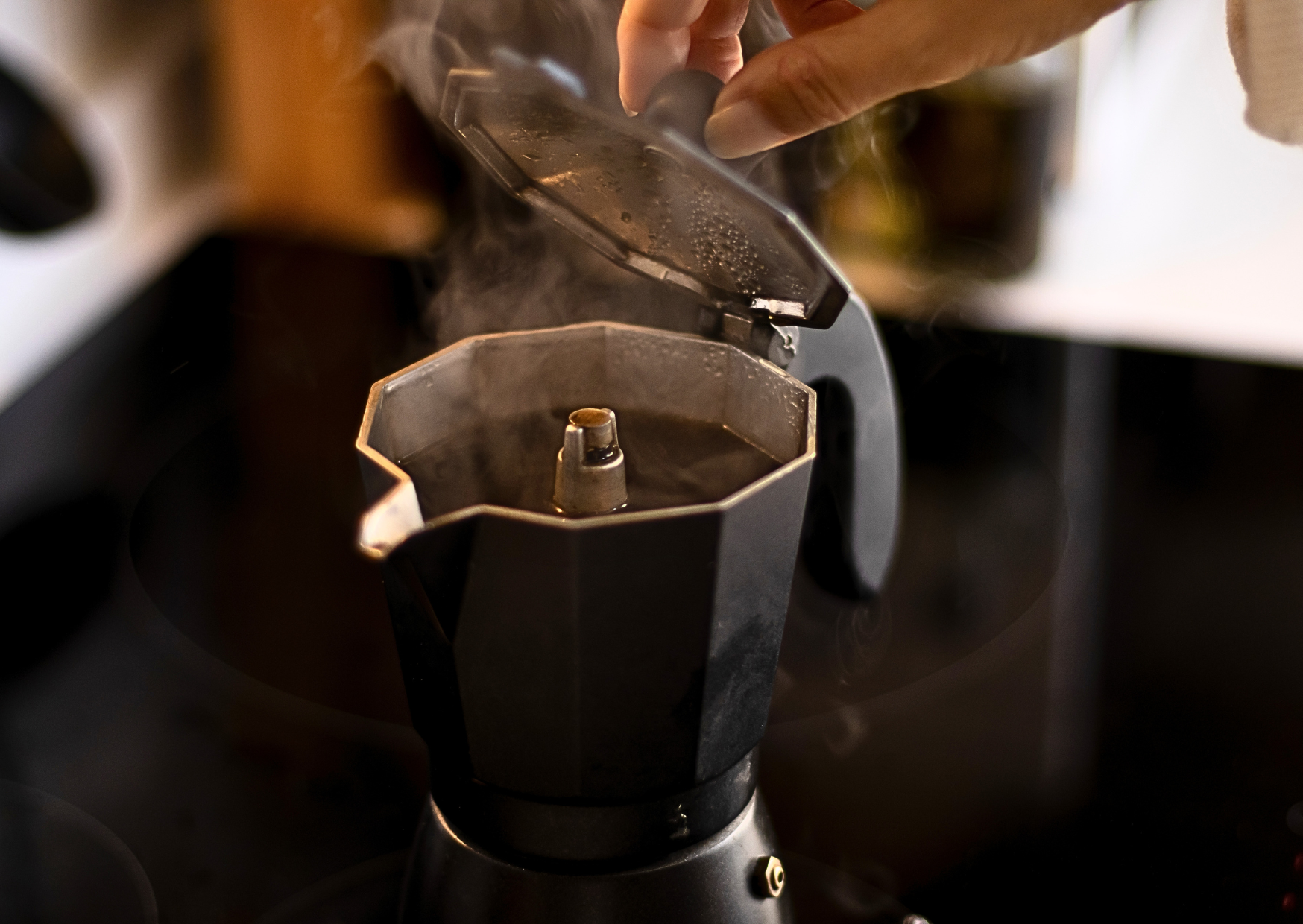
The first ten to fifteen minutes after waking is breakfast, and breakfast is structured.
Italian breakfast is small. Coffee, often a moka pot brew at home rather than from a machine. A piece of bread or a small pastry. Sometimes yogurt. Sometimes fruit. The meal is light by American standards, but the structure around it is heavier.
She sits down. The coffee is in a cup, not a travel mug. She drinks it at the table, not while moving through the house. The breakfast takes ten minutes minimum and is not combined with other tasks.
The American breakfast pattern, where it exists at all, is often functional fueling rather than a sit-down meal. Coffee in a commuter cup. A protein bar in the car. Eating at the desk. The Italian woman’s breakfast looks small from the outside. It is the structural anchor of the morning from the inside.
The thing the Italian morning has that the American morning does not is a clear transition. Sleep ends. Breakfast happens. The day begins. Three distinct phases. The American pattern often blurs all three into a single rushed activity, and the body never quite registers the transition.
She Showers Or Bathes Daily, Including Hair Care That Is Actually Done
The Italian shower is daily, often longer than the American norm, and includes hair care as a genuine step rather than as an afterthought.
Hair is washed two to three times a week, depending on type. On non-wash days, hair is rinsed, conditioned at the ends, and styled with attention. The styling is not elaborate. It is consistent. The Italian woman in her sixties does not leave the house with hair that has been ignored.
The cultural framing matters here. Italian women treat hair as a daily presentation responsibility, similar to brushing teeth. The hair gets attention every morning. The result is hair that looks intentional, even when the style is simple. A short cut, blown out properly. A longer cut, brushed and arranged. Color, maintained. Roots, addressed before they become visible.
The American norm is more variable. Some American women in their sixties maintain hair carefully. Many treat it as a once-a-week salon project with minimal daily intervention. The Italian baseline is the daily intervention.
This is the habit most visible to American visitors. The Italian woman walking to the market at nine in the morning has hair that has been done. Not styled for an event. Done for the day. The standard is daily.
She Applies Skincare As A System, Not As A Product

The Italian skincare routine is a system, not a collection.
She has a cleanser. She has a moisturizer. She has a serum. She has a sunscreen. The products are matched to her skin type, often selected with input from a pharmacist or dermatologist, and used in the same order every day.
The Italian pharmacy stocks an extensive range of dermatological skincare, primarily European brands with active ingredients tested in clinical use. La Roche-Posay, Avène, Bioderma, Caudalie, and the various Italian dermatological lines are familiar to Italian women across age groups. The pharmacist conversation about skincare is normal and recurring.
The morning routine takes five to ten minutes. Cleanse, treat, moisturize, protect. The protection step, sunscreen, is non-negotiable. Italian women apply daily SPF as a matter of course, not as a beach-day product.
The American norm has been catching up since the 2010s, with younger American women adopting daily SPF in increasing numbers. The cohort over sixty did not grow up with this expectation, and many American women in their sixties skip the SPF step entirely. The cumulative effect over thirty or forty years is visible on the skin, and is one of the reasons Italian women in their sixties often look different from American women of the same age.
The Italian routine is not expensive. The dermatological brands are sold at pharmacy prices, often cheaper than equivalent American department store products. The cost is consistency, not money.
She Gets Dressed In Actual Clothes
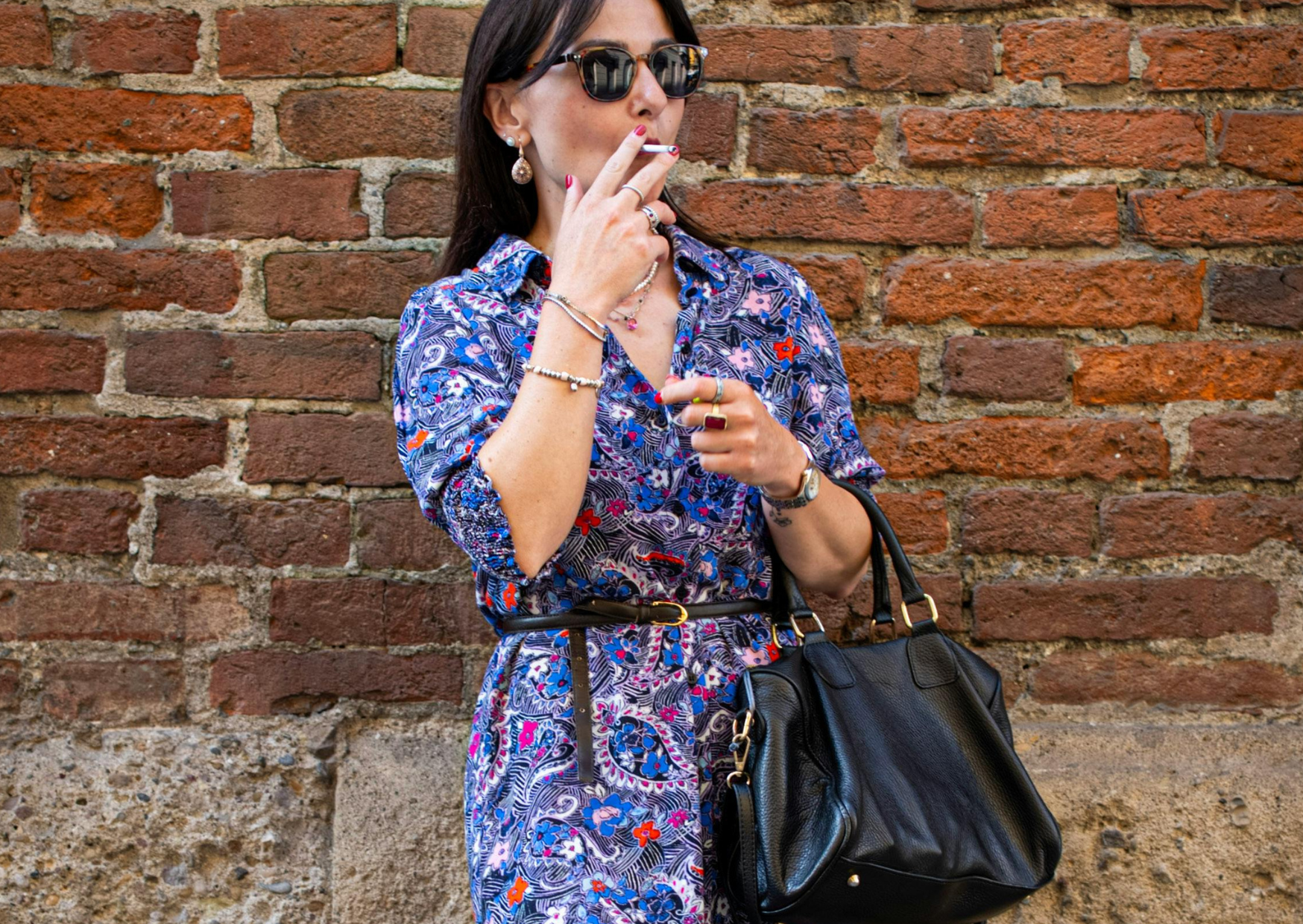
The Italian woman over sixty does not have a category of clothing called “loungewear” that doubles as outside-the-house clothing.
She has clothes she sleeps in. She has clothes she wears at home. She has clothes she wears outside the house. The three categories do not overlap. Leaving the house requires changing into clothes that are designated for that purpose.
The outside-the-house clothes are not formal. They are simply clean, considered, fitted, and chosen for the day. A pair of trousers. A blouse or sweater. A scarf if the weather suggests it. Comfortable shoes that are not athletic shoes. A bag.
The look is not glamorous. It is dressed. The distinction matters. A glamorous outfit is for an event. A dressed outfit is for going to the bakery, which is what she is actually doing.
The American norm has shifted significantly toward athleisure, particularly for women over fifty. The cultural framing treats leggings, oversized sweatshirts, and athletic wear as acceptable for daily errands, social visits, and casual outings. The Italian framing does not. An Italian woman in her sixties wearing athleisure to the supermarket would be unusual enough to be noticed, by herself and by her neighbors.
The clothes are also generally fitted. Italian women across age groups tend to wear clothes that are appropriate to their actual body, not oversized to hide it. The result is a profile that reads as deliberate. The American baggy norm reads, to Italian eyes, as unfinished.
She Stands Up Straight And Has Done So For Sixty Years
Italian posture in older women is not an accident. It is the result of decades of attention.
The Italian woman in her sixties walks with her shoulders back, her head up, and her core engaged. She does not slouch. She does not collapse her chest forward. She moves through space with awareness of how she is moving, and the result is a physical presence that reads as confident even when she is just walking to the pharmacy.
Some of this is embedded in Italian culture from childhood. Italian girls are corrected on posture by mothers and grandmothers throughout their lives. Italian schools emphasize physical bearing as part of general comportment. The result is a population of older women who have spent sixty years standing up straight, and whose bodies have adapted accordingly.
The American norm is less consistent. American posture culture is more variable, and the older American woman has often spent decades sitting at desks, slouching into phones, and not receiving the kind of consistent posture feedback that Italian women receive throughout their lives.
The visible difference is significant. Two women of the same age, the same height, and the same general fitness level can look meaningfully different based on posture alone. The Italian woman tends to look taller, more composed, and more vital. The American woman often does not.
This habit is the one most resistant to late-life adoption. Posture changes are slow, and sixty years of pattern do not reverse in a few weeks. But it can be partially addressed at any age, and the Italian example is at least worth noticing.
She Leaves The House With A Purpose, Even If The Purpose Is Small

The seventh habit is the structural one, and it is the habit that holds the others in place.
The Italian woman over sixty leaves the house every morning. Not for exercise. Not for an appointment. For an errand. The bakery. The pharmacy. The market for fresh produce. The coffee bar to read the paper and chat with the same three people she has been chatting with for thirty years.
The errand is small. The errand is the point. It is the reason to get dressed. It is the reason to do the hair. It is the reason to put on real clothes. It is the reason to apply sunscreen. The morning routine exists because the morning has a destination.
The American norm for retired women, particularly in suburban contexts, is often the opposite. There is no daily destination. There is no reason to leave the house unless something specific is scheduled. The morning routine, where it exists, is internal rather than expressive. The clothes do not matter because no one will see them.
The Italian destination, even when it is just the bakery, produces the structure. The structure produces the routine. The routine, repeated for forty years, produces the woman.
This is the habit Americans most often miss when they try to import the Italian model. Buying the skincare, doing the hair, putting on real clothes, all of it falls apart without somewhere to go. The Italian woman has somewhere to go every morning, and the somewhere is built into the urban fabric of her town.
A village in Tuscany has a bakery, a pharmacy, a market, and a coffee bar within five hundred meters of most homes. A suburb in Florida usually does not. The infrastructure produces the habit, and the habit produces the woman. Replicating the Italian morning in an American context requires either replicating the infrastructure, which is hard, or building artificial destinations to substitute for it, which is possible but requires deliberate effort.
What The Routine Actually Is
The seven habits are not seven separate practices. They are one practice, broken into observable parts.
The practice is the daily expectation that the day deserves to be met dressed, prepared, and present. The Italian woman over sixty meets the day this way because she has been meeting the day this way her entire life. The morning is not a chore. It is not a beauty obligation. It is the act of becoming the woman she is for the day, and the act takes thirty to ninety minutes because that is how long it takes.
The American absence of the equivalent practice is partly cultural and partly structural. The American culture treats older women’s appearance as either irrelevant (the comfortable retirement framing) or as a youth-extending project (the anti-aging framing). The Italian culture treats it as neither. The older Italian woman is not trying to look young. She is also not opting out. She is meeting the day as a sixty-five-year-old woman, dressed and prepared, the way she met the day at thirty-five.
The cumulative effect is the gap that American visitors notice and cannot quite name. The Italian woman at the bakery is not more beautiful than the American woman of the same age. She is more present. She has shown up for the day. The day is shorter than it was. The act of showing up still happens.
This is the part that translates least well to American retirement culture, where the dominant message is that retirement is the time to stop doing things. The Italian model does not stop. It continues. The morning routine at sixty-five is the morning routine at thirty-five, slightly adjusted for changing skin and changing hair. The standard does not move. The woman shows up to meet it.
What Americans Could Actually Take
Not all seven habits travel well, and pretending otherwise is dishonest. Posture is hard to fix at sixty. Infrastructure is impossible to fix at any age. Sixty years of skincare cannot be retrofitted.
Three of the habits do travel.
The morning structure. Phone in another room. Coffee at the table. Ten minutes of sitting before the day begins. This is rebuildable at any age and produces immediate effects on mood and cortisol.
The dressed standard. Real clothes for leaving the house, even for small errands. The athleisure default is a cultural choice, not a comfort requirement. Choosing differently is available.
The destination. A daily reason to leave the house, ideally on foot, ideally to a place where regulars are recognized. The American suburb makes this hard but not impossible. The morning coffee shop, the small market, the neighbor’s porch. Build a destination if one does not exist.
These three, applied consistently, produce most of the visible difference. The skincare and the hair are real but secondary. The posture is mostly out of reach. The structure, the standard, and the destination are the levers.
The Italian woman in her sixties does not think about any of this. She is not following a routine. She is just doing what she does, the way her mother did, the way her grandmother did. The American who notices the difference and wants some version of it is doing something Italian women never had to do, which is build the routine deliberately. That is harder than inheriting it. It is also possible.
The day still has a morning. The woman still has the option of meeting it.

About the Author: Ruben, co-founder of Gamintraveler.com since 2014, is a seasoned traveler from Spain who has explored over 100 countries since 2009. Known for his extensive travel adventures across South America, Europe, the US, Australia, New Zealand, Asia, and Africa, Ruben combines his passion for adventurous yet sustainable living with his love for cycling, highlighted by his remarkable 5-month bicycle journey from Spain to Norway. He currently resides in Spain, where he continues sharing his travel experiences with his partner, Rachel, and their son, Han.