
Italy grows more kiwifruit than almost anywhere on earth, and Italians eat the little green fruit by the crateful, so when I came across the odd claim that eating two kiwis before bed can improve your sleep, it felt like a habit worth borrowing from a country that already has kiwis everywhere. The claim rests on a real, if small, piece of research, and I am a reliably mediocre sleeper, so I decided to test it the only way that means anything to me: thirty nights of two kiwis an hour before bed, with my watch tracking my sleep the whole time. The result was a change in my sleep score modest enough to keep me honest and real enough to surprise me, a nudge in the numbers I did not quite expect from a piece of fruit.
This is a report on one person’s month of eating kiwis at bedtime, which makes it an anecdote rather than proof, and I want to be straight about both the encouraging and the uncertain parts, because the science here is thin and the effect, if it is real, is gentle. Here is the setup, what my sleep numbers did, what I noticed beyond them, what the research actually says, and whether it was worth it. This is a personal experiment and general information, not medical advice.
Why Kiwis, and the Rule I Set
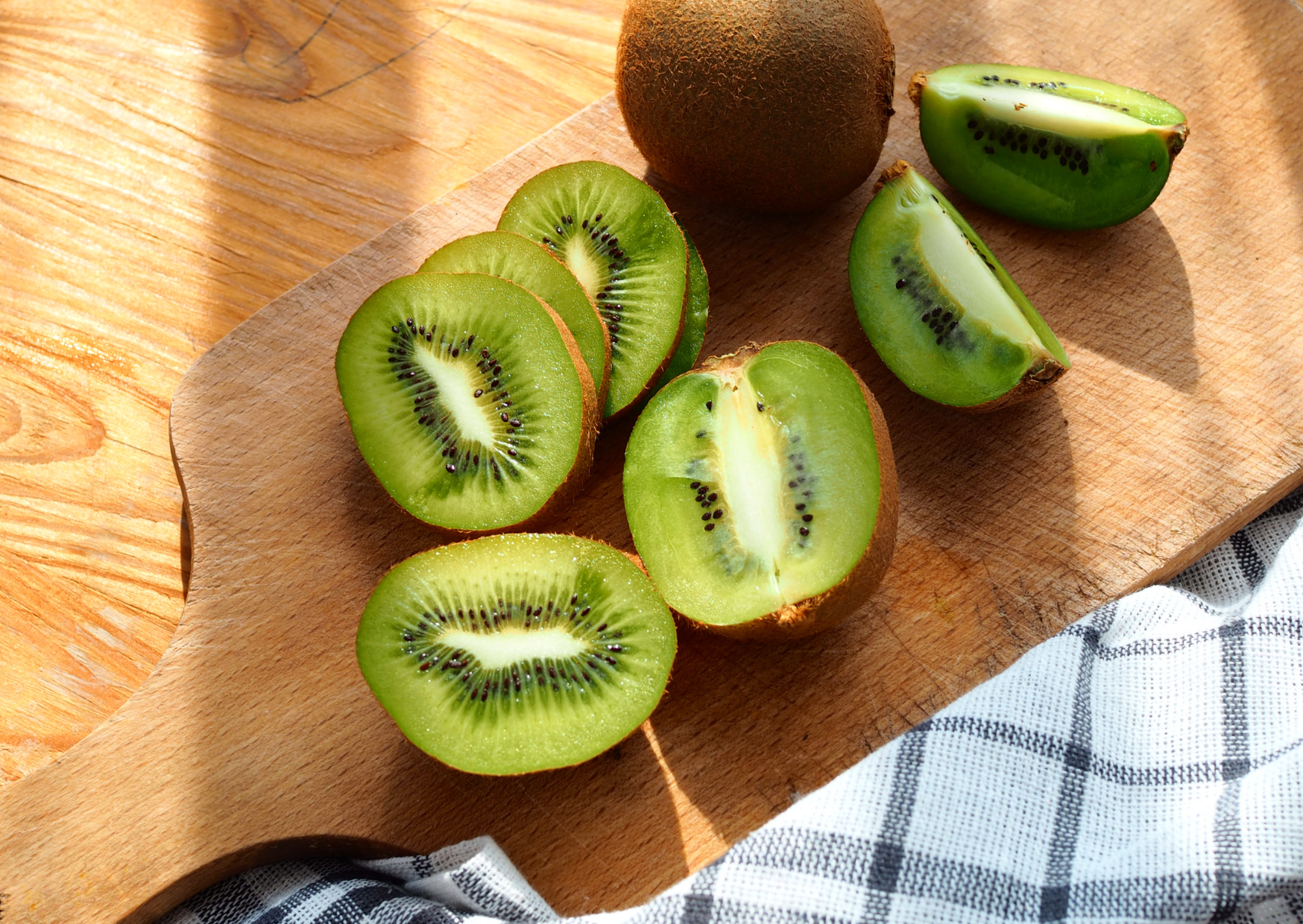
The specific claim I was testing comes from a small study in which people with sleep problems ate two kiwifruit an hour before bed for a few weeks and reported falling asleep faster and sleeping better, which is the kind of cheap, harmless, mildly intriguing finding that is fun to test on yourself. Kiwis contain things, antioxidants and serotonin among them, that researchers have speculated might help with sleep, though the mechanism is far from settled, and the idea of a bedtime fruit that helps you sleep is appealing precisely because it asks so little. I like kiwis anyway, so the barrier to entry was low.
The Italian framing is real enough, because Italy is one of the world’s largest kiwifruit producers and Italians eat a great deal of the fruit, so borrowing a kiwi habit from a kiwi-loving country felt apt, even if the sleep research itself came from elsewhere. I was not pretending the before-bed trick was an ancient Italian custom, just that leaning on Italy’s abundant kiwis for a sleep experiment was a pleasant way to frame it. The fruit was easy to get and cheap, which is part of the appeal.
My rule was simple and faithful to the study: two kiwis, about an hour before bed, every night for thirty nights, eaten peeled or scooped, with nothing else changed about my routine so the kiwis were the only new variable. I kept my bedtime, my screens, my caffeine, and everything else as usual, so that any change in my sleep could reasonably be laid at the door of the fruit. And I let my watch record my sleep every night, giving me a nightly sleep score to compare against my baseline from the month before. Two kiwis, one hour before bed, thirty nights, and a watch keeping score.
Week One

The first week was mostly about getting used to the routine, remembering to eat the kiwis at the right time, which took a little discipline, since an hour before bed is exactly when I am least inclined to prepare a snack. I settled into scooping two kiwis with a spoon while winding down, which became a pleasant enough little ritual, the tart sweetness a nice last taste of the day. There was nothing unpleasant about it, and the habit bedded in quickly.
I did not notice any dramatic change in that first week, which is what I expected, since the study ran for weeks and sleep effects, if they exist, tend to build rather than strike overnight. My sleep in week one felt about normal, and my scores were in their usual range, so I was neither impressed nor disappointed, just logging the nights and waiting to see whether anything emerged over the fuller span. Patience was clearly going to be required.
What I did notice early was that the ritual itself was calming, the act of sitting down with the kiwis an hour before bed serving as a small wind-down cue, a signal to the body that the day was ending. Whether that was the fruit or simply the routine, I could not yet say, but the bedtime kiwi became a gentle marker of the evening’s close, which I suspected might matter as much as anything chemical in the fruit. The habit had a soothing shape to it regardless of its contents.
The Sleep Score My Watch Did Not Believe
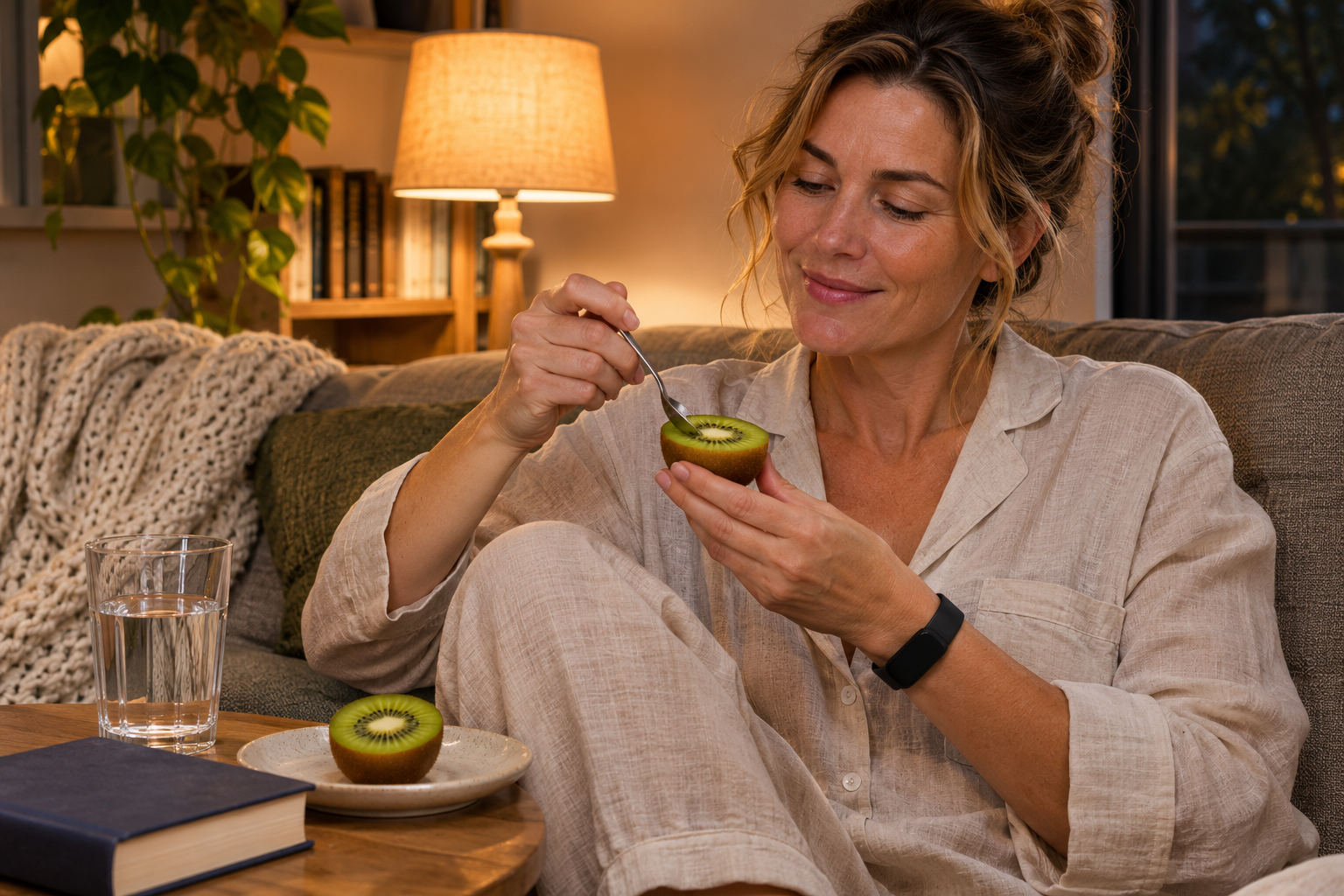
By the back half of the month, the numbers had done something mild but real: my average nightly sleep score had crept up by a handful of points compared with my baseline, a small but consistent improvement that held across the final two weeks. It was not a dramatic leap, but it was more than I had expected from a piece of fruit, enough that I double-checked my baseline to make sure I was reading it right, which is what I mean by the score my watch did not quite believe. The trend was gently, persistently upward.
Digging into what moved, the main change seemed to be in falling asleep, with my watch showing me dropping off a little faster and waking slightly less through the night, which happens to match exactly what the kiwi study reported, improvements in sleep onset and quality. Whether that match is meaningful or a coincidence I cannot say from one person’s month, but it was striking that my modest improvements fell in the same places the research predicted. The shape of the change, if not its size, was suggestive.
I have to be honest about the size, though, because a handful of points on a watch’s sleep score is a small change, well within the range of ordinary variation, and I cannot rule out that it was coincidence, placebo, or the calming effect of the bedtime ritual rather than any property of the kiwis themselves. My numbers leaned positive, consistently and in the predicted direction, which is genuinely interesting, but they are one person’s noisy data, not evidence. The score moved the right way, and I hold that result loosely, as an intriguing lean rather than a proof.
What I Noticed Beyond the Numbers
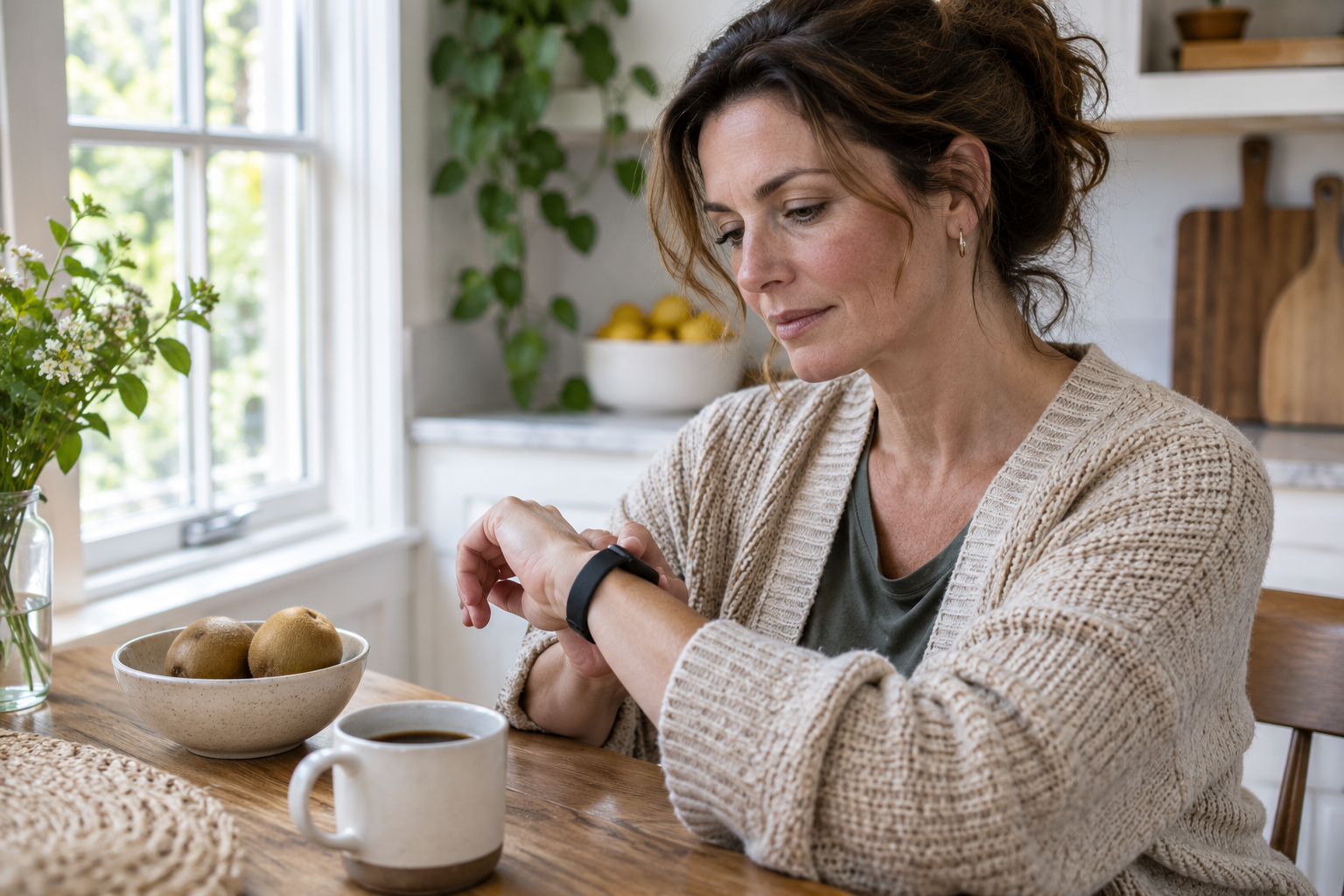
Setting the watch aside, I did feel, subjectively, like I was sleeping a little better over the month, waking somewhat more rested and lying awake less at the start of the night, which lined up with the gentle rise in my scores. It was not a transformation, and on any given night I could not have told you whether the kiwis were working, but across the month there was a faint sense of easier, steadier sleep that I was inclined to credit, at least in part, to the experiment. The feeling and the numbers agreed, for whatever that is worth.
How much of that was the fruit versus the ritual I genuinely cannot separate, and I suspect the calming routine of a quiet, screen-free wind-down with a bedtime snack may have done as much as any compound in the kiwi. Establishing a consistent pre-sleep ritual is itself good sleep practice, and my kiwi habit accidentally created one, so the improvement might be as much about the structure as the fruit. This is the eternal problem with these self-experiments, that the intervention changes more than one thing at once.
The one clear non-sleep benefit was that I ate more fruit, two kiwis a day of vitamin-rich fruit I would not otherwise have eaten, which is a small genuine good regardless of the sleep question. If the bedtime kiwis did nothing for my sleep, they at least added a healthy daily dose of fruit to my diet, which is not nothing. So even on the most skeptical reading, the experiment left me slightly better nourished, with a calmer bedtime routine, and possibly sleeping a touch better, which is a reasonable return for eating a fruit I like.
What the Science Actually Says
The honest scientific picture is that the kiwi-sleep idea rests on limited evidence, chiefly a small study or two in which people reported better sleep after eating kiwis before bed, which is suggestive but far from conclusive. The studies are small, some rely on self-reported sleep, and the mechanism, whether serotonin, antioxidants, or something else, is speculative rather than established, so the finding sits in the category of intriguing and under-researched rather than proven. My month is consistent with it, which is about all one person’s data can offer.
It is worth being clear that a result like this is exactly what you would expect whether the effect is real or not, because a gentle improvement in a noisy measure, in a person who knew what they were testing, could easily be placebo or coincidence as much as fruit. The research does not let anyone claim that kiwis reliably improve sleep, only that there is a modest, preliminary signal worth more study, and my experience neither proves nor disproves it. I lean toward thinking the kiwis helped me a little, while fully acknowledging I cannot be sure.
So the sensible way to hold all this is as a cheap, harmless experiment with a modest, uncertain payoff, worth trying because it costs little and might help, not because the science guarantees anything. Eating two kiwis before bed will not hurt you, will add fruit to your diet, and might improve your sleep a little, through the fruit or the ritual or your own expectation, and that is a fair and honest summary. It is a nice thing to try, held at the right level of confidence, which is to say gently.
Why the Ritual May Matter as Much as the Fruit
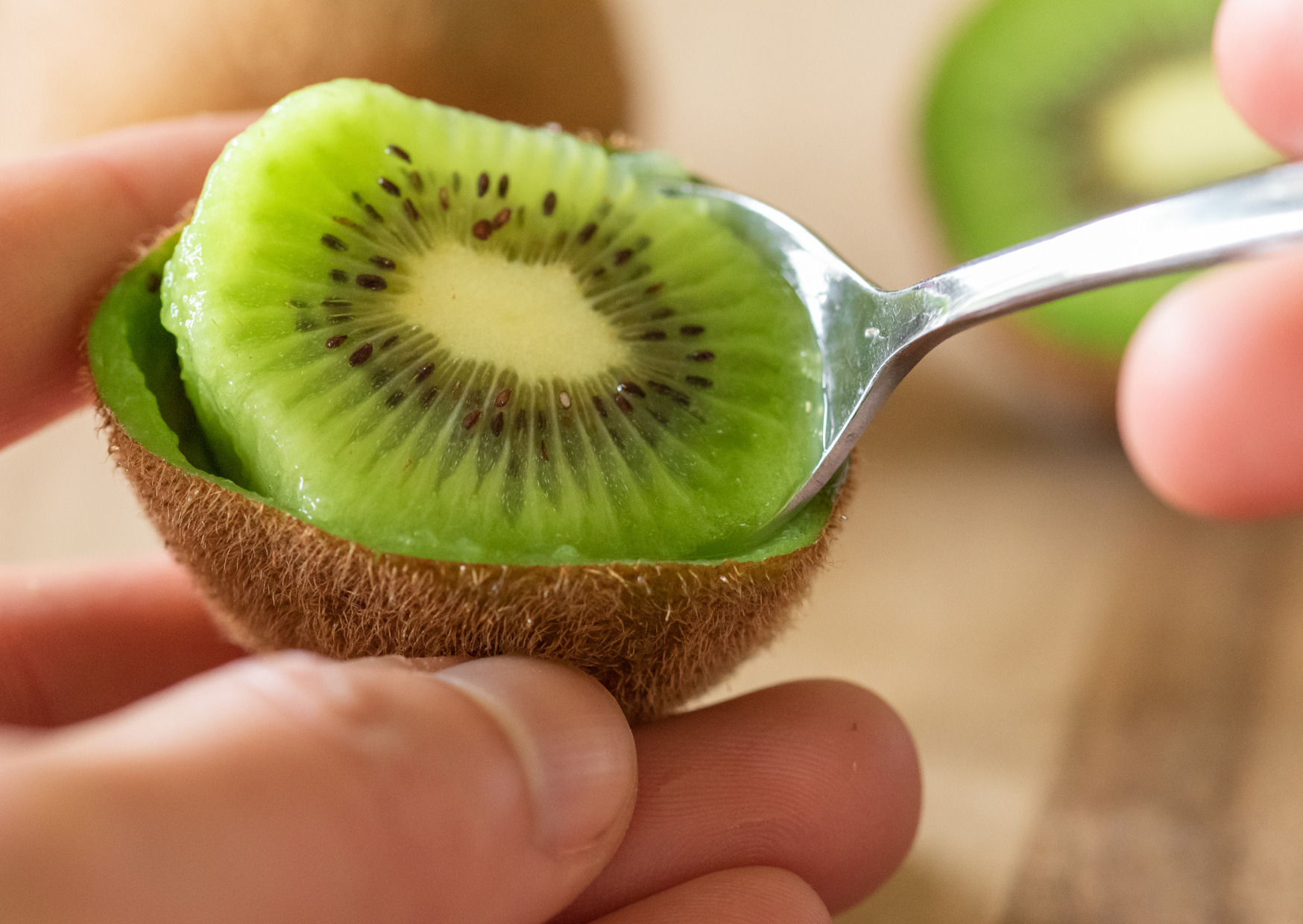
The more I sat with the month, the more I came to think the bedtime ritual was doing real work alongside, or even instead of, the kiwis. Sitting down an hour before bed to eat something, slowly and without a screen, is itself a wind-down cue, and sleep science is clear that a consistent calming pre-bed routine helps people fall asleep. My kiwi habit accidentally built exactly such a routine, so disentangling fruit from ritual is genuinely impossible from where I sit.
That is not a disappointment so much as a reframing of what the experiment actually tested, because whether the benefit came from compounds in the kiwi or from the structure the habit imposed on my evening, the practical upshot is the same. I got a calmer, more consistent close to the day, and my sleep improved a little, and I do not strictly need to know which half of the habit deserves the credit. The useful thing is that the package worked, and the package is easy to keep.
It also suggests a broader lesson about these bedtime experiments, which is that anything that gives your evening a gentle, repeatable shape may help your sleep, almost regardless of its specific content. A warm drink, a short read, a piece of fruit, a few minutes of stretching, any of these can serve as the cue, and the kiwi is simply a pleasant and healthy version of that cue. So if the fruit itself turns out to do nothing, the ritual it builds is still worth having, which lowers the stakes of the whole question.
This is why I am relaxed about the uncertainty rather than frustrated by it, because even on the most deflationary reading, where the kiwis are nutritionally nice but pharmacologically inert, I have ended up with a consistent calming bedtime routine and a bit more fruit in my diet. Those are real goods that do not depend on the sleep claim being true, and they are mine to keep whatever the science eventually says. The ritual, in other words, is the floor beneath the experiment, and it is a comfortable floor to stand on.
The Caveats and the Verdict
The caveats are mild, because eating kiwis is low-risk, but worth a word. Some people are allergic to kiwi, and the fruit is acidic, so anyone with an allergy or a sensitive stomach should be cautious, and as always a persistent sleep problem is a matter for a doctor rather than a fruit, since real insomnia deserves proper attention and not just a bedtime snack. If your sleep trouble is serious, see a professional, and treat the kiwi trick as a harmless experiment around the edges rather than a treatment.
With those small caveats, my verdict is a mild and cheerful yes: I have kept eating kiwis before bed, not because I am convinced they are a sleep cure but because they are cheap, pleasant, healthy, and possibly helpful, which is a good enough combination to continue. My sleep scores leaned gently upward over the month, in the places the research predicted, and whether that was the fruit, the ritual, or my own hopeful expectation, the net effect was positive and the cost was nil. That is exactly the kind of experiment worth keeping.
So I come out of the month a soft believer, holding the kiwi-sleep idea loosely, enjoying my two bedtime kiwis, and sleeping perhaps a touch better for them. The watch showed a change it did not quite believe, and neither, entirely, do I, but it leaned the right way, and a cheap, healthy habit that might improve your sleep and will not hurt it is one I am happy to keep. If you like kiwis and sleep imperfectly, as I do, it is a harmless experiment well worth thirty nights of your own.
The wider point, which applies to more than kiwis, is that the cheap and harmless experiments are the ones most worth trying, because the downside is nil and the possible upside, however uncertain, is free. A piece of fruit before bed cannot hurt you, costs almost nothing, and might help, so the rational move is simply to try it and keep it if it seems to work. That is a different calculation from the bold, expensive, or risky interventions the wellness world often pushes, and it is the calculation I trust most. Try the small harmless things, hold the results loosely, keep what seems to help, and you will accumulate a handful of gentle good habits without ever betting much on any of them, which is exactly how the kiwi earned its place at my bedside.

About the Author: Ruben, co-founder of Gamintraveler.com since 2014, is a seasoned traveler from Spain who has explored over 100 countries since 2009. Known for his extensive travel adventures across South America, Europe, the US, Australia, New Zealand, Asia, and Africa, Ruben combines his passion for adventurous yet sustainable living with his love for cycling, highlighted by his remarkable 5-month bicycle journey from Spain to Norway. He currently resides in Spain, where he continues sharing his travel experiences with his partner, Rachel, and their son, Han.