
Visitors to France are often startled by the sight of small children sitting calmly through a long restaurant meal, eating beets and fish and salad without complaint, waiting patiently between courses, and generally behaving at the table in a way that would seem impossible back home. It is tempting to assume French children are simply born different, but they are not. They are taught, early and deliberately, a set of habits around food and the table that most American children never learn, and that, strikingly, a great many American adults never learned either. These are not secret techniques or genetic gifts; they are ordinary cultural habits, instilled before the age of six, that shape how a person eats for life. Here are nine of them, the table habits French children absorb young that leave so many Americans, grown and small alike, a step behind.
What follows is the nine habits, from eating what the adults eat to treating the meal as something shared and savored rather than rushed.
1. They Eat What the Adults Eat
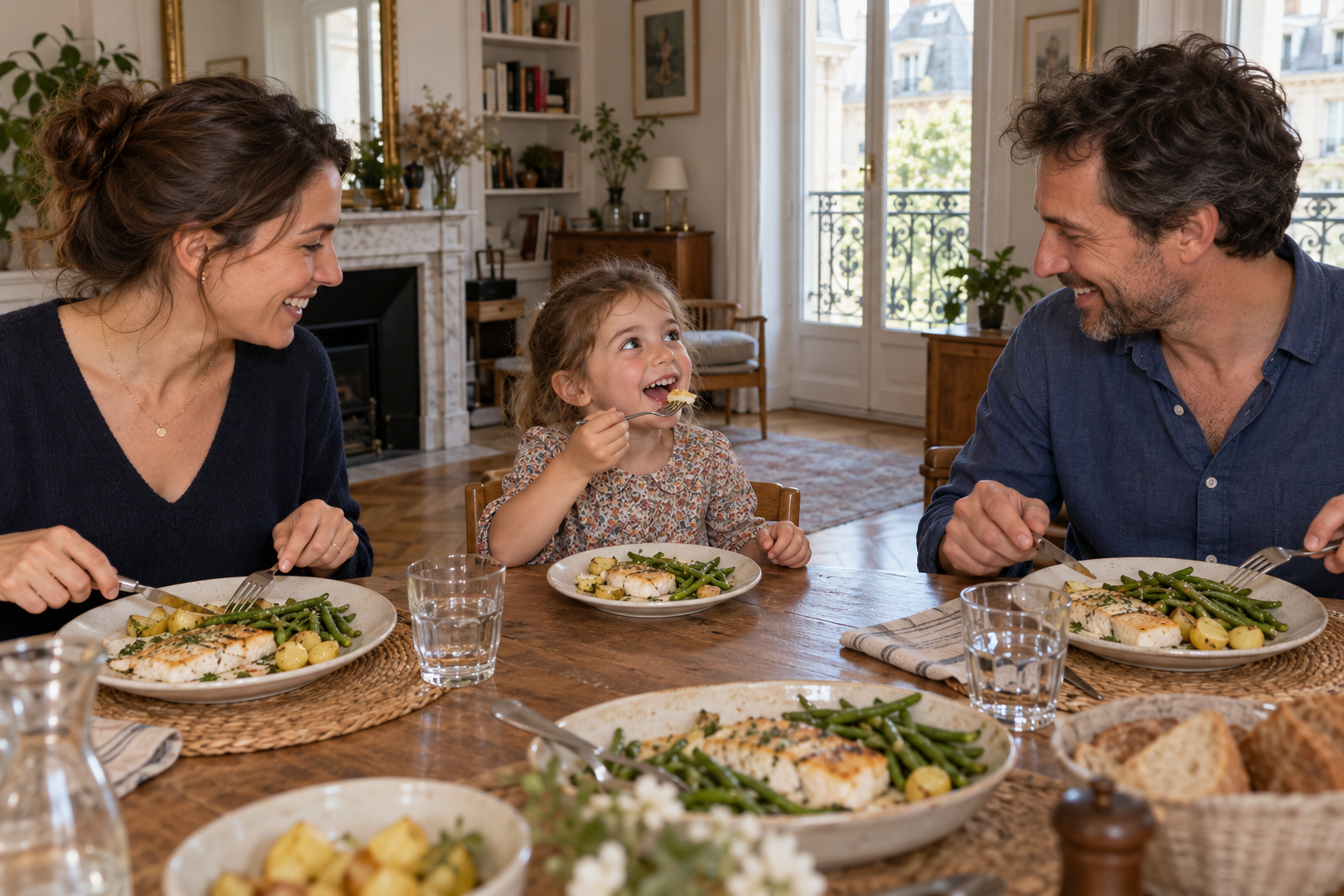
The foundational French habit, the one from which much else flows, is that children eat the same food as the adults, with no separate kids’ menu of chicken fingers and plain pasta. From an early age, French children are served, and expected to eat, the real food of the family table, the vegetables, the fish, the stews, the strong cheeses, whatever the household is having. The very idea of a special bland children’s cuisine, a world of nuggets and buttered noodles kept separate from grown-up food, is largely foreign to the French.
This single difference reshapes everything. Because there is no fallback kid food, children’s palates expand to include the whole range of what adults eat, so the French child who happily eats spinach, mussels, or blue cheese is not a marvel but the ordinary product of never having been offered an alternative. American children, by contrast, are often served a narrow, separate menu of child-friendly food, which teaches them that real food is something other people eat and that their job is to hold out for the nuggets. The French assumption that a child will eat what is cooked, because that is simply what is for dinner, is the quiet root of the famous French child who eats everything, and it is a habit most American households, with their separate kid meals, never establish.
2. The Parents Choose the Menu
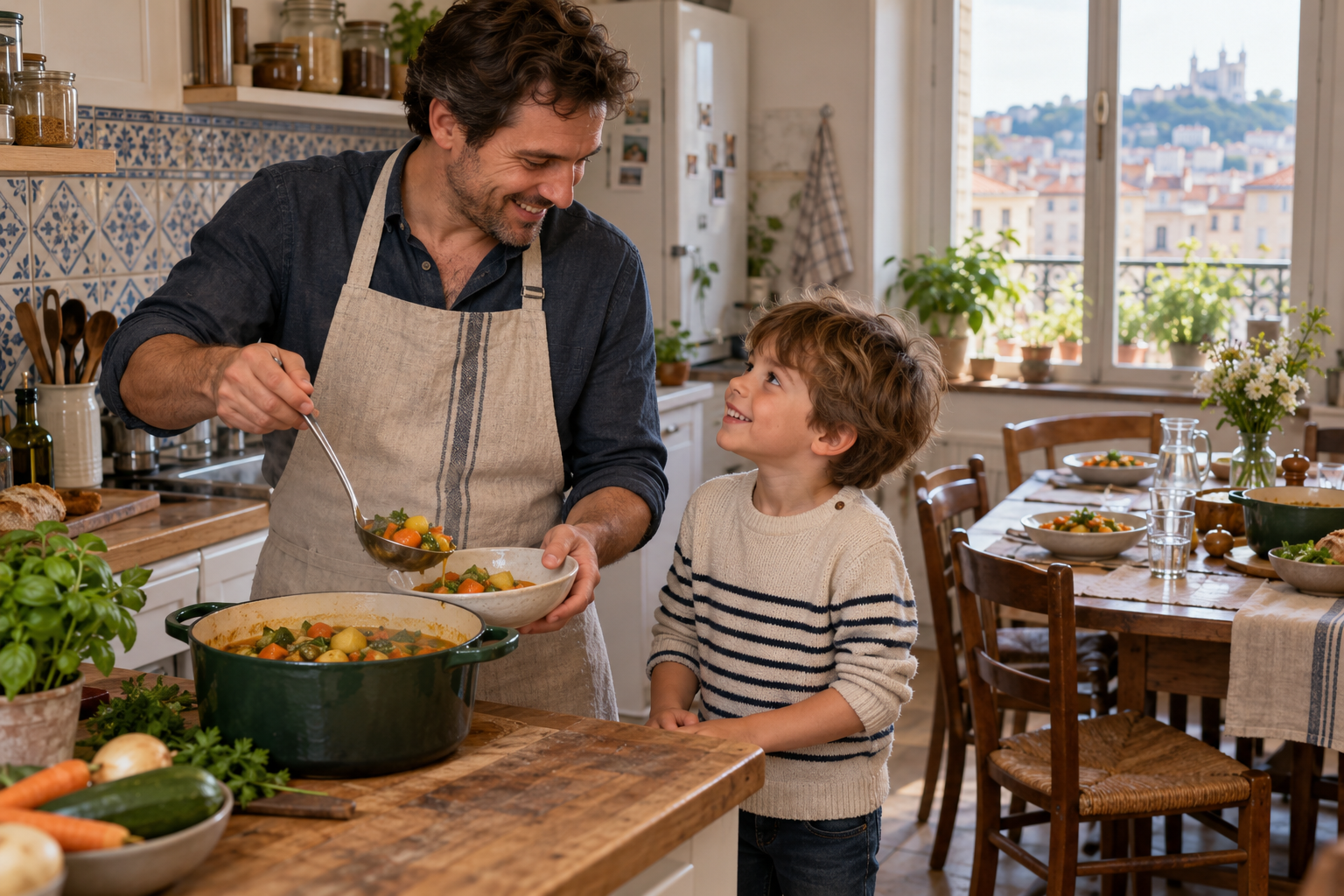
Closely tied to the first is a clear line of authority the French draw around food: the parents decide what is served and when, and the child does not negotiate. There is no running list of alternatives offered to a reluctant eater, no short-order cooking of a second dinner because the first was rejected, no ceding of the menu to a child’s preferences. The adults plan the meals, and the child’s role is to eat what appears, not to dictate it.
This reflects a broader French attitude that children, before they reach what the French traditionally call the age of reason, around seven, are not well placed to make their own decisions about important things, food very much included. Far from being harsh, this is experienced as a kind of relief on both sides, because the endless American negotiation over what a child will deign to eat simply does not happen; the question is settled before it is asked. The parent is not a waiter taking orders but the person who decides what the family eats, and the child, freed from the burden and the power of choice, learns to meet the meal as it is rather than as a thing to be bargained over. That calm clarity of authority is something many American parents, locked in nightly food negotiations, never achieve, and many American adults, raised amid those negotiations, never internalized.
3. They Taste Everything
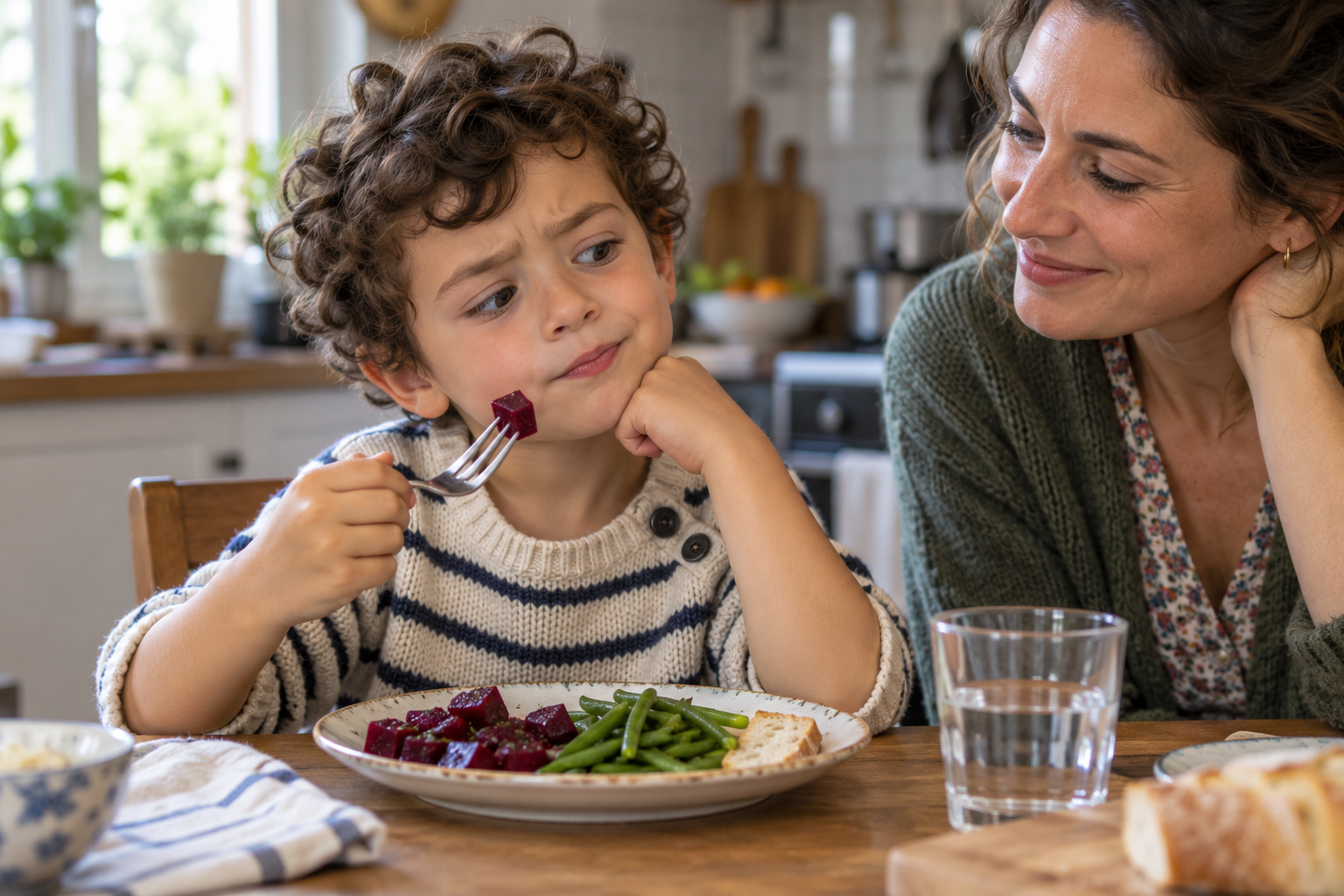
The French do not insist that a child clean the plate, but they do insist on one thing with great consistency: the child tastes everything, at least a bite, even of foods they think they dislike. Refusing to try a dish is not an option; finishing it is not required. The expectation is simply that you taste, every time, which keeps every food in rotation rather than letting a child rule things out untried.
Behind this lies a piece of knowledge the French take for granted and Americans often do not: that liking a food usually takes repeated exposure before it is accepted. French parents and nutritionists work on the understanding that a child may need to taste a new food around seven times, sometimes many more and sometimes many more, before coming to like it, so a single rejection means nothing and the food simply returns another day for another taste. This patient, unpressured, try-it-again approach, with no bribes and no battles, just the steady expectation of a taste, is how French children’s palates slowly broaden to take in the whole adult menu. The American tendency to conclude after one refusal that a child “doesn’t like” a food, and to strike it from the menu forever, is precisely the habit the French avoid, and it is why so many Americans arrive at adulthood with the narrow range of tastes they had as a picky child.
4. They Don’t Snack
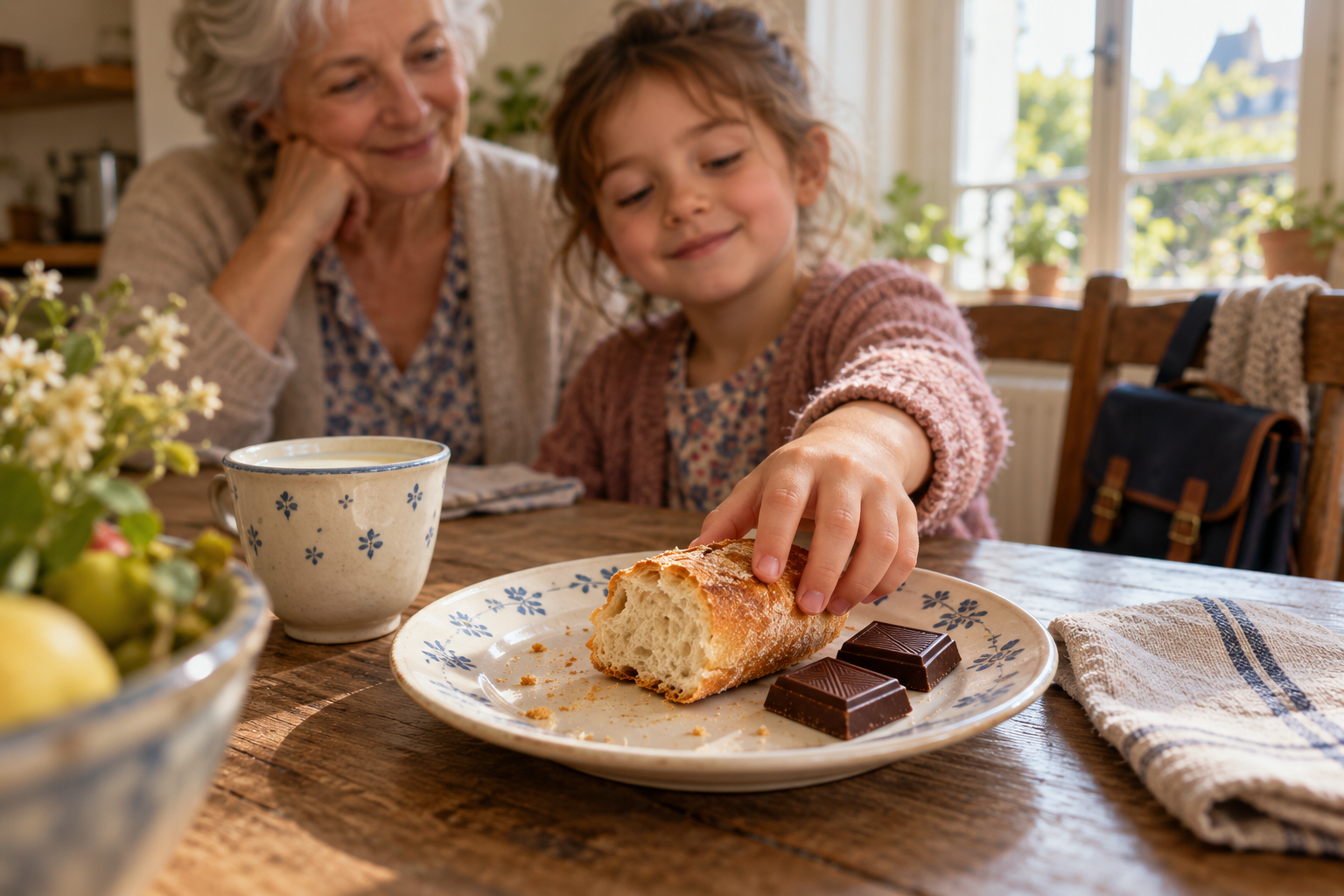
Perhaps the habit that most surprises Americans is the French attitude to snacking, which is, essentially, that children do not do it. French children traditionally eat three proper meals a day plus a single scheduled afternoon snack, the gouter, at around four o’clock, and that is all. There is no grazing through the day, no constant stream of crackers and cheese sticks and fruit snacks, no eating in the car or the stroller or the supermarket aisle. Food happens at mealtimes and at the one snack, not continuously.
This is not deprivation but design. By not allowing constant snacking, the French ensure that children arrive at meals genuinely hungry, the simplest possible way to make a child eat, and eat well. The horror with which French parents regard the American habit of handing a child a snack to keep them quiet is real; to them it is a near-guarantee of a child who will then pick at dinner, having blunted their appetite on junk an hour before. The single afternoon gouter is a civilized exception, a proper little moment often of bread and chocolate, not a license to graze. For Americans used to snacking as a constant background activity, for children and adults alike, the French discipline of meals-and-one-snack is one of the starkest differences, and one of the most consequential, because it is the scaffolding that makes the good eating at mealtimes possible.
5. They Come to the Table Hungry
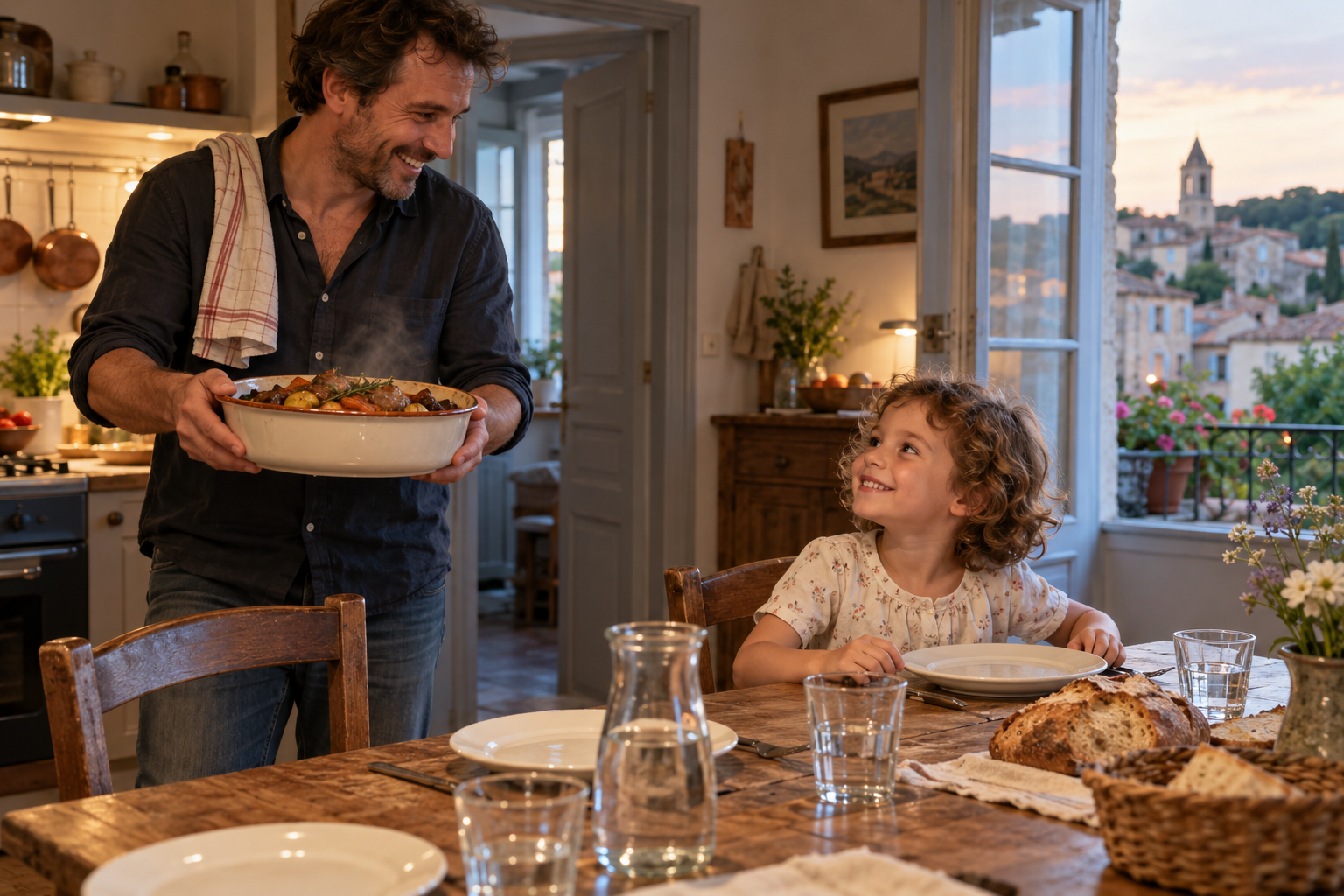
The flip side of not snacking is a habit the French embrace and Americans often fear: letting a child be a little hungry before a meal. Where an American parent tends to treat a hungry child as a small emergency to be solved at once with food, the French regard a bit of pre-meal hunger as not only acceptable but useful, the natural and healthy state in which to approach a meal. A hungry child eats more, complains less, and is far more willing to try, and even enjoy, foods they might otherwise refuse.
This small shift in attitude, that hunger before a meal is fine and even good, underpins the whole French system. It is what makes the no-snacking rule bearable and effective, and it is what turns mealtimes into occasions a child actually wants to eat at rather than battles to be endured. The American instinct to never let a child feel hunger, to head off every rumble with a snack, is well-meaning but self-defeating, producing children who are never quite hungry and therefore never quite eat properly. The French willingness to let appetite build, to trust that a child who is hungry at dinner will eat a good dinner, is a quiet confidence many American parents lack, and a rhythm of real hunger and real eating that many American adults, raised on constant grazing, have simply never known.
6. They Sit Down Together, Without Screens
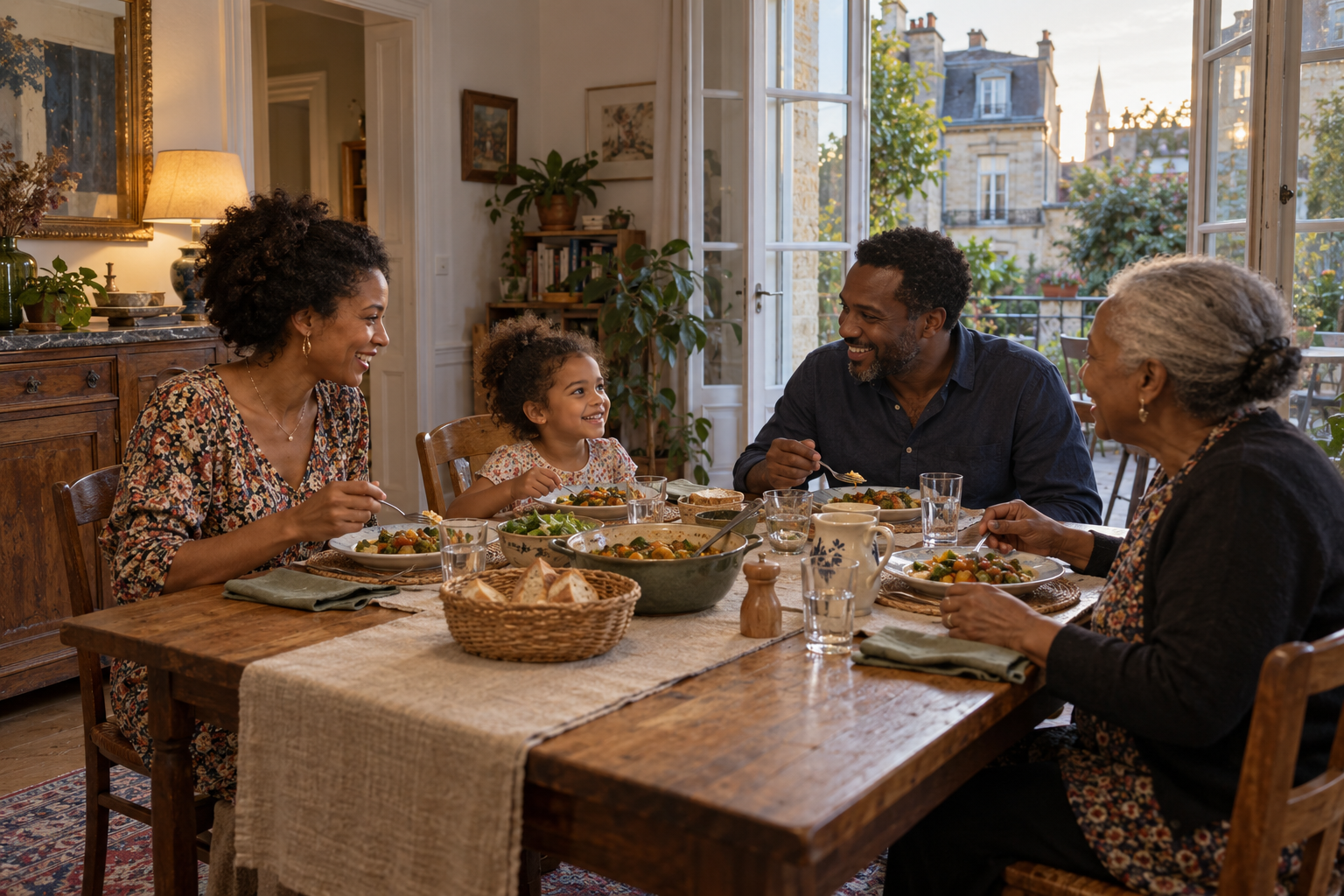
French meals are eaten sitting down, at a table, together, and this too is taught from the start. The meal is a fixed occasion, with everyone at the table at the same time, eating the same food, attention on the food and each other, not on a screen, a toy, or a device. Children learn by sitting among adults who are themselves sitting, eating, and talking, absorbing the whole ritual by being part of it.
The contrast with much American eating is sharp. Where American family meals have increasingly given way to eating on the go, in front of the television, at separate times, or with children parked before a device to keep them occupied, the French hold the line on the shared, seated, undistracted meal as the normal way to eat. Setting the table properly signals that the meal is an occasion and not just refueling, and the shared ritual quietly teaches children that eating is a social act with its own attention and manners. This is perhaps the habit that has eroded most in America, where the communal evening meal has in many homes dissolved into individual grazing, and its loss takes with it much of the context in which all the other good habits are learned, because it is at the shared table that children absorb how to eat.
7. They Stay for the Whole Meal
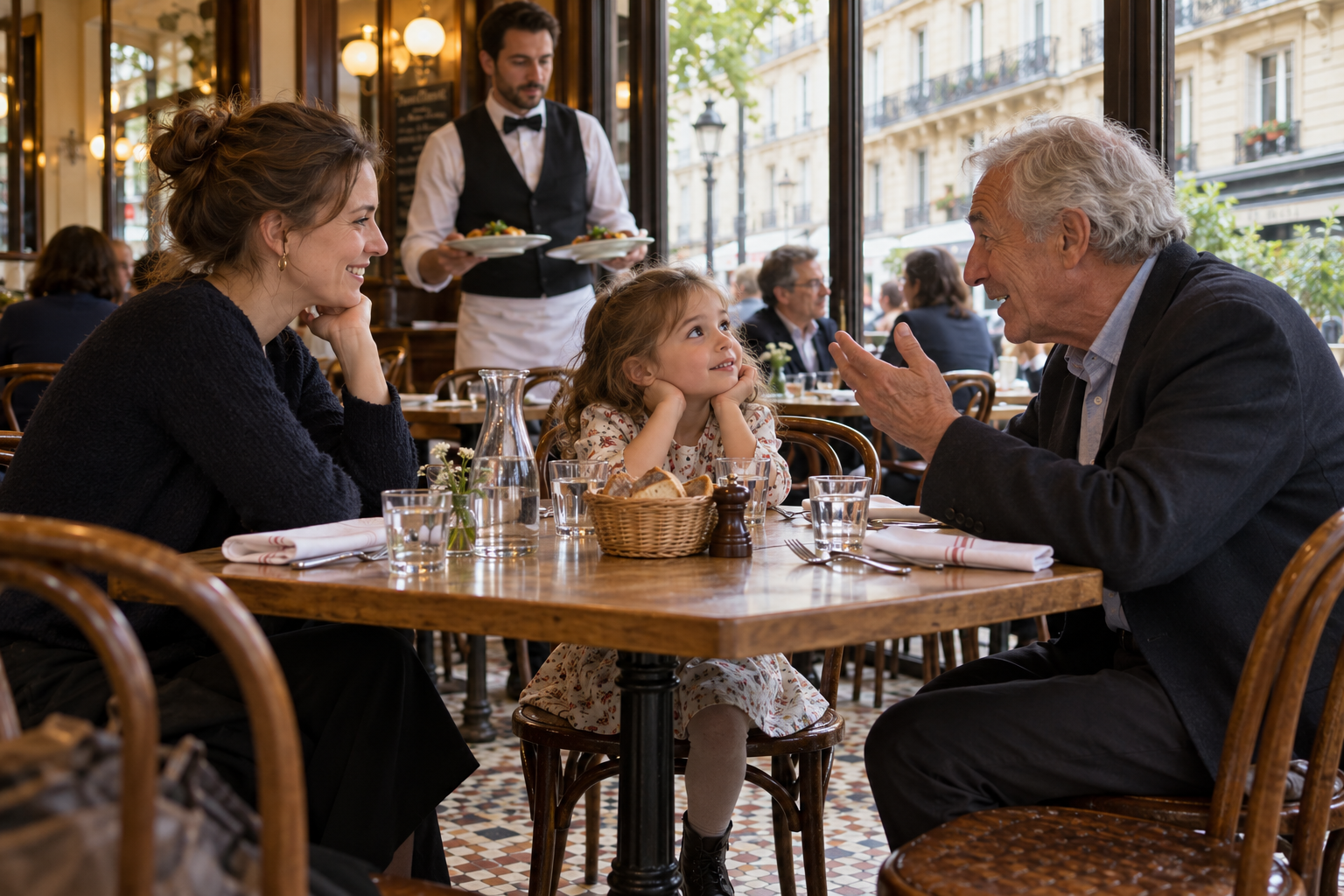
Within that shared meal, French children are expected to stay at the table for the whole meal, which, given that French meals are leisurely multi-course affairs, is no small thing. They sit, they use their cutlery properly, they wait between courses, and they remain part of the meal from start to finish rather than bolting the moment their own plate is empty. The patience and the table manners that so impress visitors are not innate; they are the product of this steady expectation, applied from a young age.
What makes it possible is that the expectation is consistent and the meal is genuinely social, so sitting through it is not pure endurance but participation in something the whole family is doing together. A French child learns to sit through a long meal for the same reason they learn anything, because it is simply expected of them and modeled by everyone around them, and because the meal is paced and pleasant rather than a grim trial. The result is the calm, seated, well-mannered child at the long table, a sight that strikes Americans as almost miraculous but is really just the fruit of the habit having been taught early and upheld consistently. Many American children are never expected to sit through a whole meal, and many American adults, as a result, never learned the patience and the table manners that the French absorb before they start school.
8. Food Is Pleasure, Never a Bribe
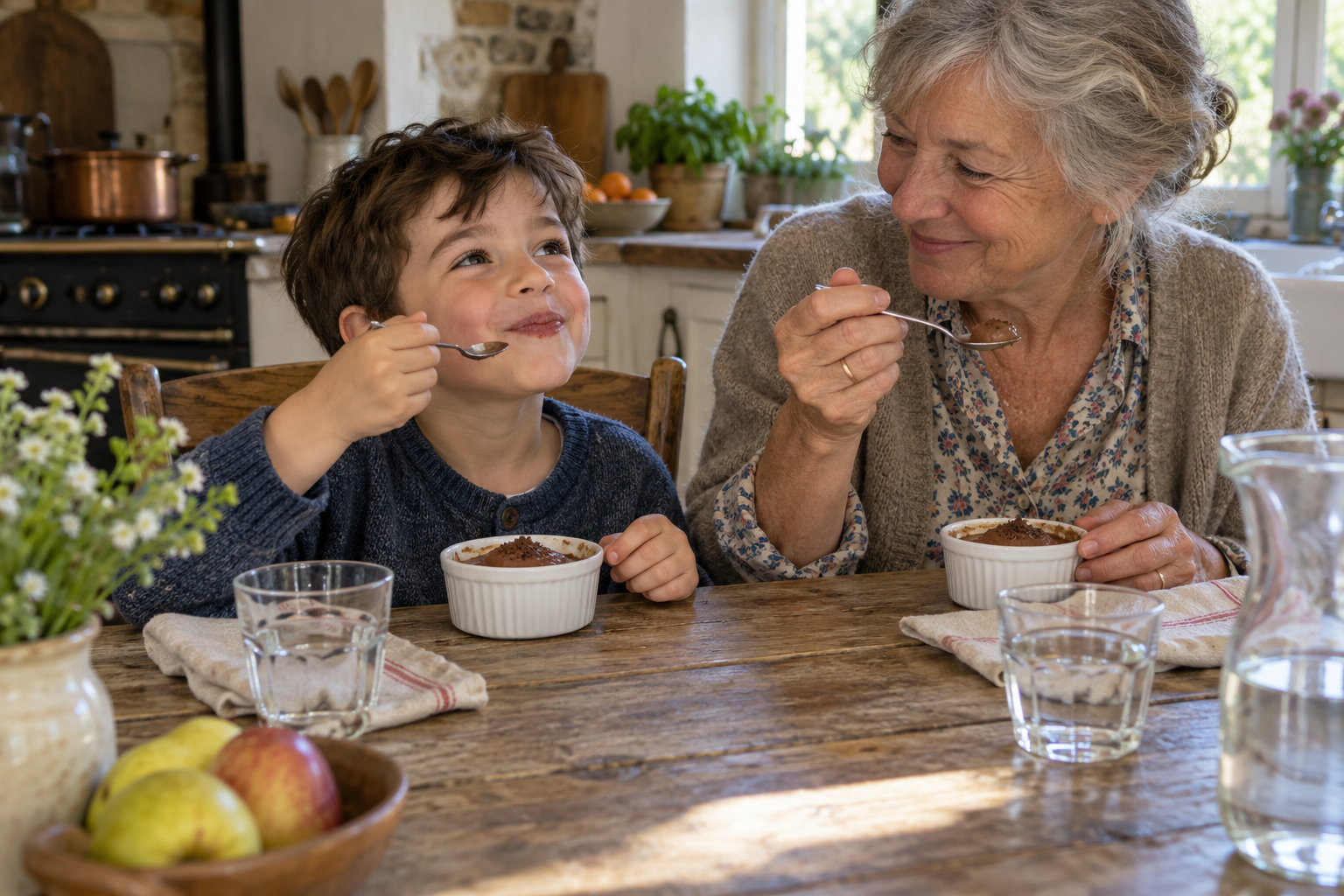
A subtle but important French habit is the refusal to use food as a reward, a bribe, or a punishment. Dessert is not dangled as the prize for eating vegetables, treats are not handed out for good behavior, and food is not weaponized in the daily negotiations of parenting. food, in the French view, is a pleasure to be enjoyed for its own sake, a source of sensory delight and shared enjoyment, not a currency to be traded for compliance.
This matters more than it might seem, because using food as a bribe quietly teaches exactly the wrong lessons: that vegetables are a chore to be endured for the reward of dessert, and that sweet treats are the truly desirable food, the thing worth working for. The French approach, treating all the food of the meal as pleasure and none of it as either a punishment or a prize, helps children develop a healthier relationship with eating, one free of the emotional tangle that comes from food being loaded with reward and bribery. The American habit of “eat your broccoli and you can have dessert,” however well intentioned, builds in precisely the hierarchy the French avoid, and it is one small reason so many American adults carry a fraught, reward-driven relationship with food that the French, taught from the start to see food simply as pleasure, largely do not.
9. The Meal Is a Social Occasion
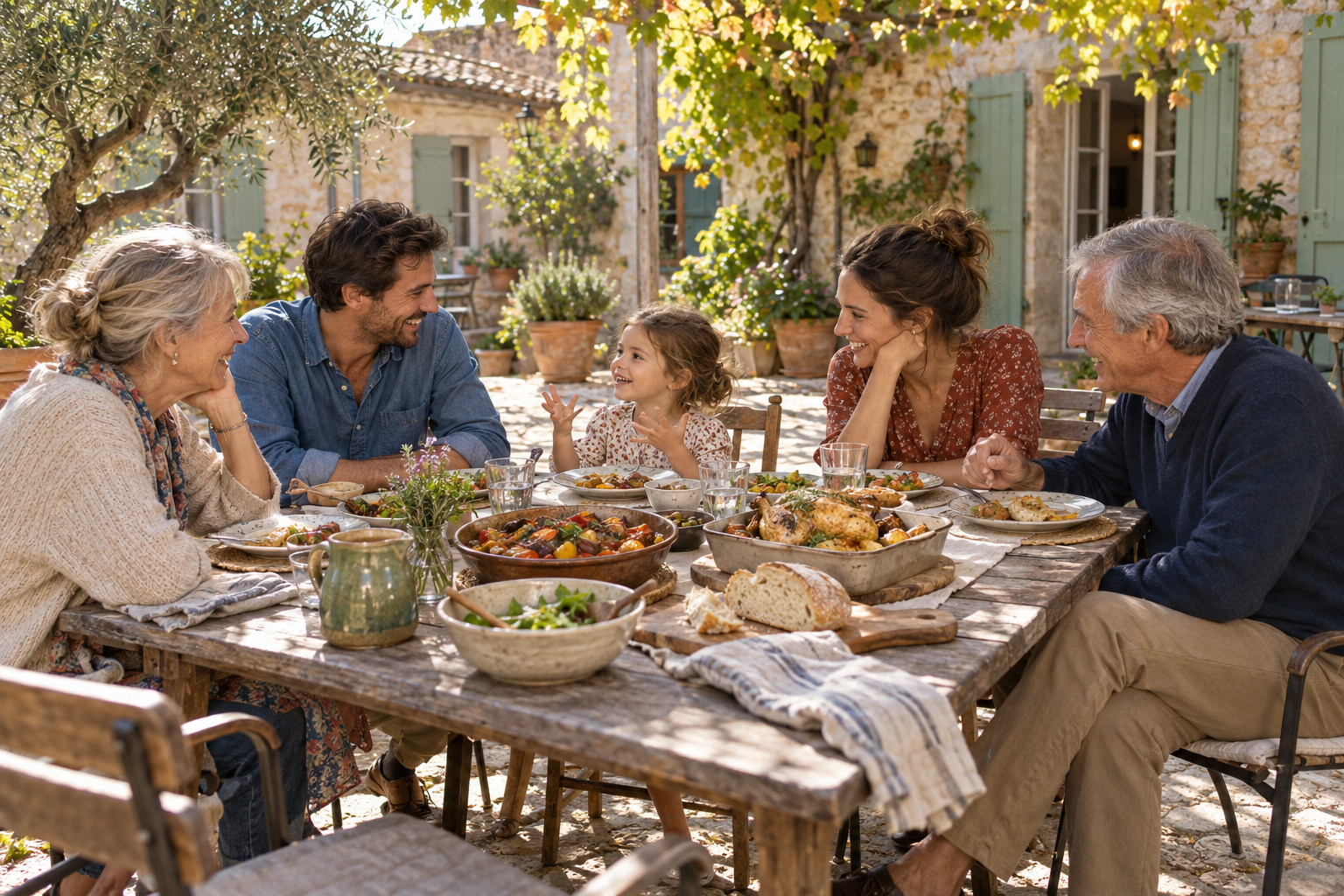
Underlying all the rest is the deepest French habit of all: the understanding that a meal is a social occasion, a time for conversation and shared pleasure, not merely a biological necessity to be dispatched as quickly as possible. From their first years at the family table, French children absorb the idea that eating is something you do slowly, together, with talk and attention, as one of the genuine pleasures and rituals of daily life. the meal is to be savored and lingered over, not rushed.
This is the frame that holds all the other habits together, because once a meal is understood as a cherished social occasion rather than a pit stop, everything else follows naturally: of course you sit down together, of course you stay for the whole thing, of course you pay attention to the food and to each other, of course it is a pleasure rather than a bribe. The French child learns, before the age of six, that the table is one of the central and happiest institutions of a life, and that knowledge shapes their eating forever. It is the thing most lost in the hurried, individual, functional way so much American eating has become, and it is, in the end, the habit most worth reclaiming.
A fair word of caution belongs here: this is an idealized picture, not every French family lives up to it, the approach can be quite authoritarian, and it works in large part because the whole surrounding culture supports it, which makes it far harder to practice alone in a snack-driven society. But the habits themselves are real, they are learned young, and any American, parent or not, can take something from them, because the deepest lesson under all nine is simply that food and the table deserve more time, more attention, and more pleasure than the American rush tends to give.

About the Author: Ruben, co-founder of Gamintraveler.com since 2014, is a seasoned traveler from Spain who has explored over 100 countries since 2009. Known for his extensive travel adventures across South America, Europe, the US, Australia, New Zealand, Asia, and Africa, Ruben combines his passion for adventurous yet sustainable living with his love for cycling, highlighted by his remarkable 5-month bicycle journey from Spain to Norway. He currently resides in Spain, where he continues sharing his travel experiences with his partner, Rachel, and their son, Han.