
When a newly divorced American nurse in her early fifties decided to start over abroad with $52,000 to her name, most people would have quietly pointed her toward the well-worn expat paths of Portugal or Mexico. She chose Turkey instead, and eighteen months later, having lived through a stretch of real currency turmoil, she has a genuine story worth telling, not because it is a fairy tale but because it is honest about both the remarkable opportunity and the genuine risk. Her experience is a composite, drawn from the real numbers and the real conditions foreigners face in Turkey right now, assembled to show honestly how this particular gamble actually plays out. It is not financial advice, and Turkey is emphatically not for everyone, but for the right person, handled with care, it can stretch a modest sum astonishingly far. The catch, and there is a real one, is the currency. Everything good about her Turkish life and everything precarious about it flow from the same source, and understanding that tension is the whole point of her story.
What follows is why she chose Turkey, what her dollars actually buy there, the currency crisis she lived through, the one discipline that saved her, and the honest verdict on whether it was worth it.
Why Turkey
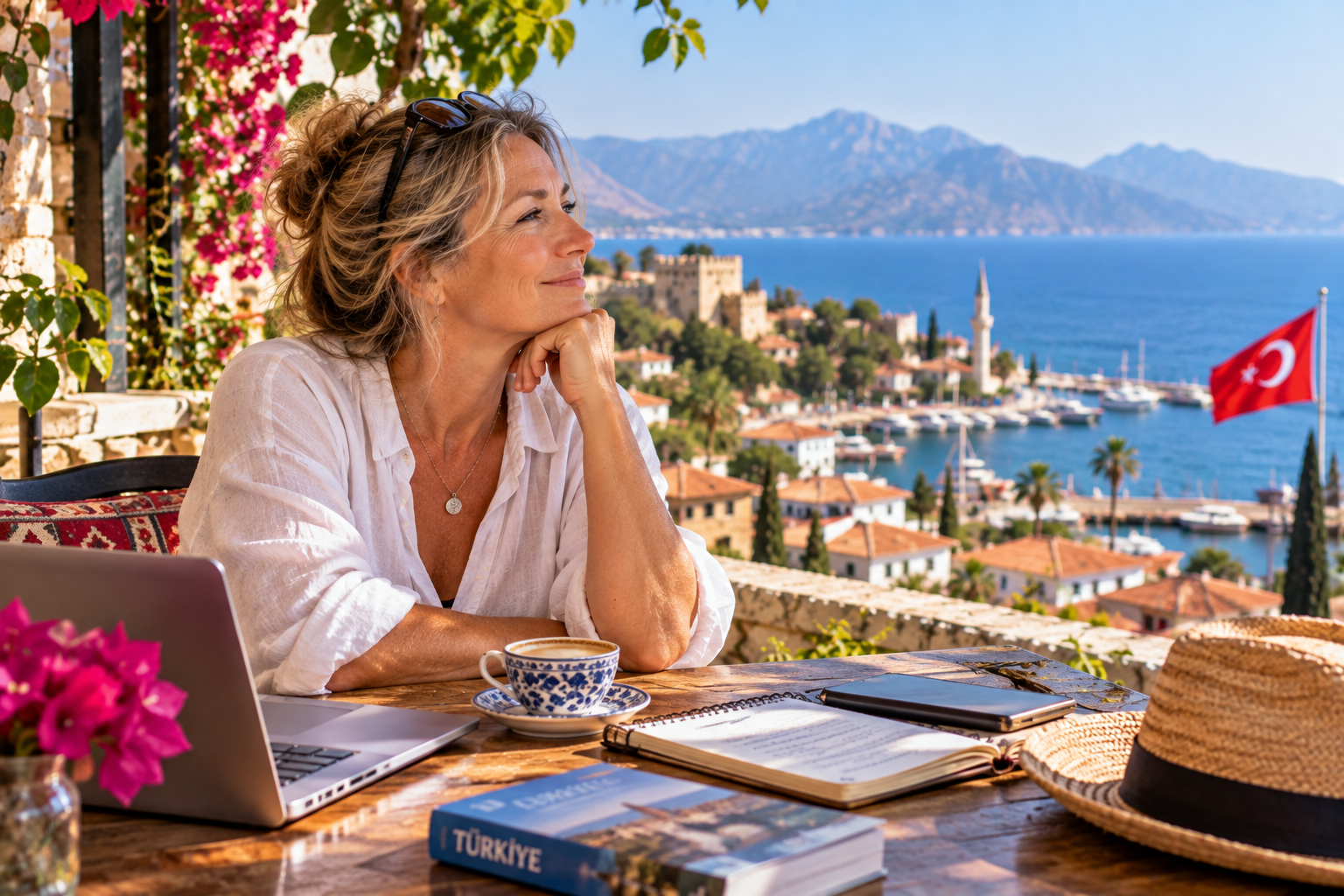
The appeal that drew her was simple arithmetic. Turkey is one of the most affordable countries in the world for someone arriving with foreign currency, with an overall cost of living that runs dramatically lower than in the United States, and that gap is the whole opportunity. A single person can live comfortably in much of the country on well under two thousand dollars a month including rent, and in the coastal towns and smaller cities the figure drops lower still. For a woman starting life over again on fifty-two thousand dollars, that math meant something powerful: her modest savings could become a genuine cushion rather than a countdown. Back home, fifty-two thousand dollars was a sum that shrank a little every month with nothing to show for it; in Turkey it became the foundation of an actual life, which is a transformation in what the same money means.
There were other draws beyond the money. She settled near the Mediterranean coast, in the kind of town where a large and established community of foreign residents has grown up, drawn by the warm climate, the beaches, and the ease of the place, so she would not be entirely alone among strangers. Having a ready-made community of other foreigners to lean on in the early months, people who had already navigated the paperwork and the banking and the language, made the difference between a daunting leap and a manageable one.
The residency process for Americans was relatively straightforward, an entry followed by a local application for a residence permit, far simpler than the visa gauntlets of many European countries. And the healthcare, a serious concern for anyone her age, turned out to be a genuine strength, with excellent private hospitals, English-speaking doctors, and affordable private insurance that cost a fraction of the American equivalent. For an American in particular, used to healthcare as a source of financial dread, the discovery that good care could be both accessible and cheap was quietly one of the biggest reliefs of the whole move. On paper, it was close to ideal, and for a good while the paper matched the reality almost exactly.
What the Dollars Buy
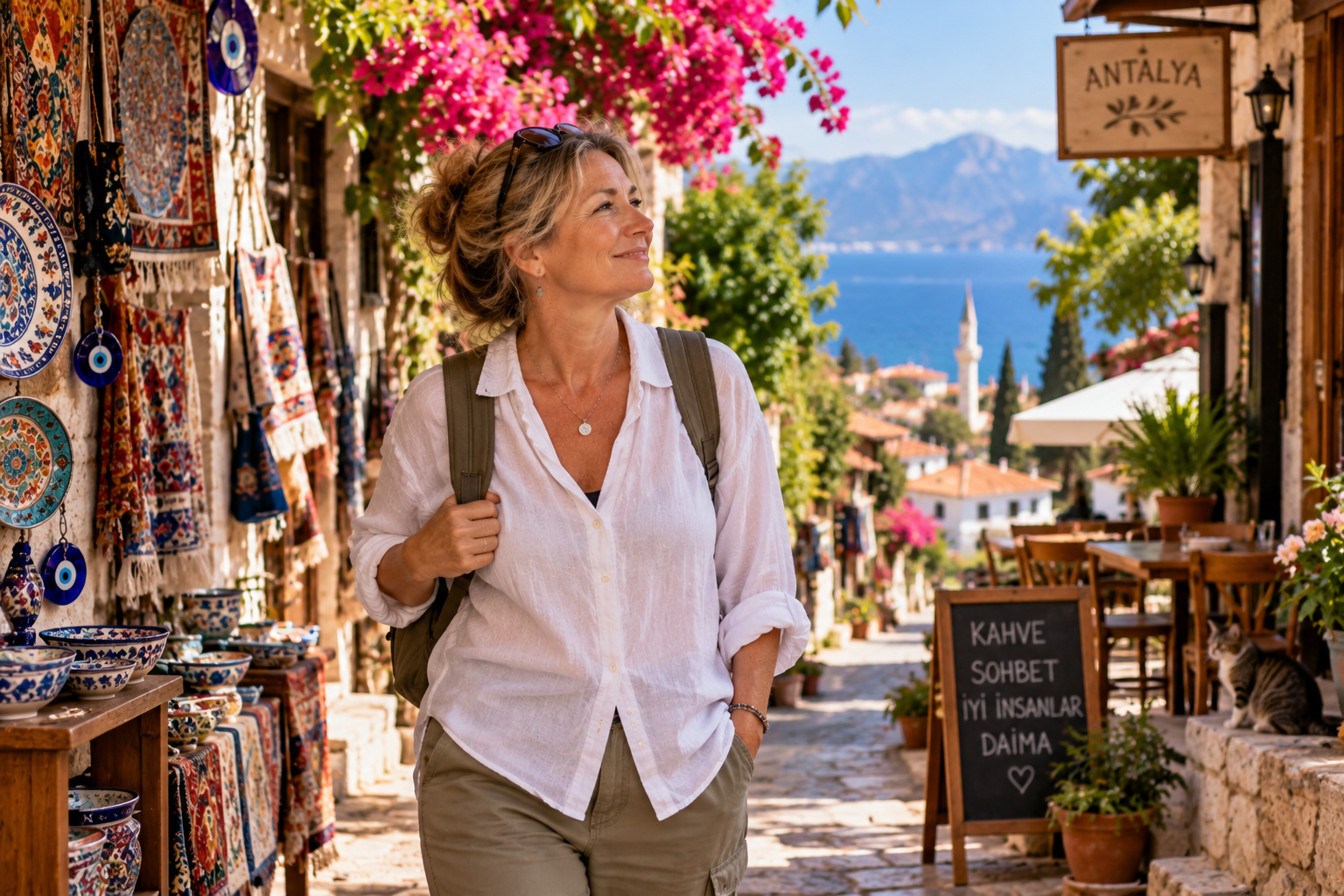
The day-to-day life her budget bought genuinely astonished her at first, and it is worth being specific about why. Rent, the biggest expense anywhere, was the biggest shock in the best way, since a comfortable one-bedroom apartment in a good area cost only a few hundred dollars a month, a sum that would not cover a week in much of America. That single fact reshaped everything, freeing up money for a life rather than mere survival, and it meant her savings were barely touched by the basics. Rent that low does not just save money; it changes the entire psychology of a budget, turning every other expense from a worry into a choice.
Everything else followed the same pattern. Fresh food from the local markets was abundant and cheap, eating out was a pleasure she could afford regularly rather than as a rare treat, and the small luxuries that had long felt out of reach at home, a coffee by the sea, the occasional massage, a little help with the cleaning, quietly became ordinary parts of her week.
Her private health insurance and her routine medical care cost a fraction of what they would in the States, lifting a particular weight off her shoulders. For the first eighteen months, living on a modest slice of her savings topped up by a little remote work, she found she was not depleting her nest egg at all but living well within her means, in a warm and beautiful place, for less than it had cost her simply to exist back home. That was the revelation that made the whole gamble feel vindicated, the sense that for the first time since the divorce her money was working for her rather than draining away. This is the real and genuine promise of Turkey for the foreigner with hard currency, and it is not an illusion. The affordability is not a marketing exaggeration or a honeymoon that fades; it is a structural feature of an economy where a strong outside currency simply goes a very long way. It is just not the whole story.
The Currency Crisis She Lived Through
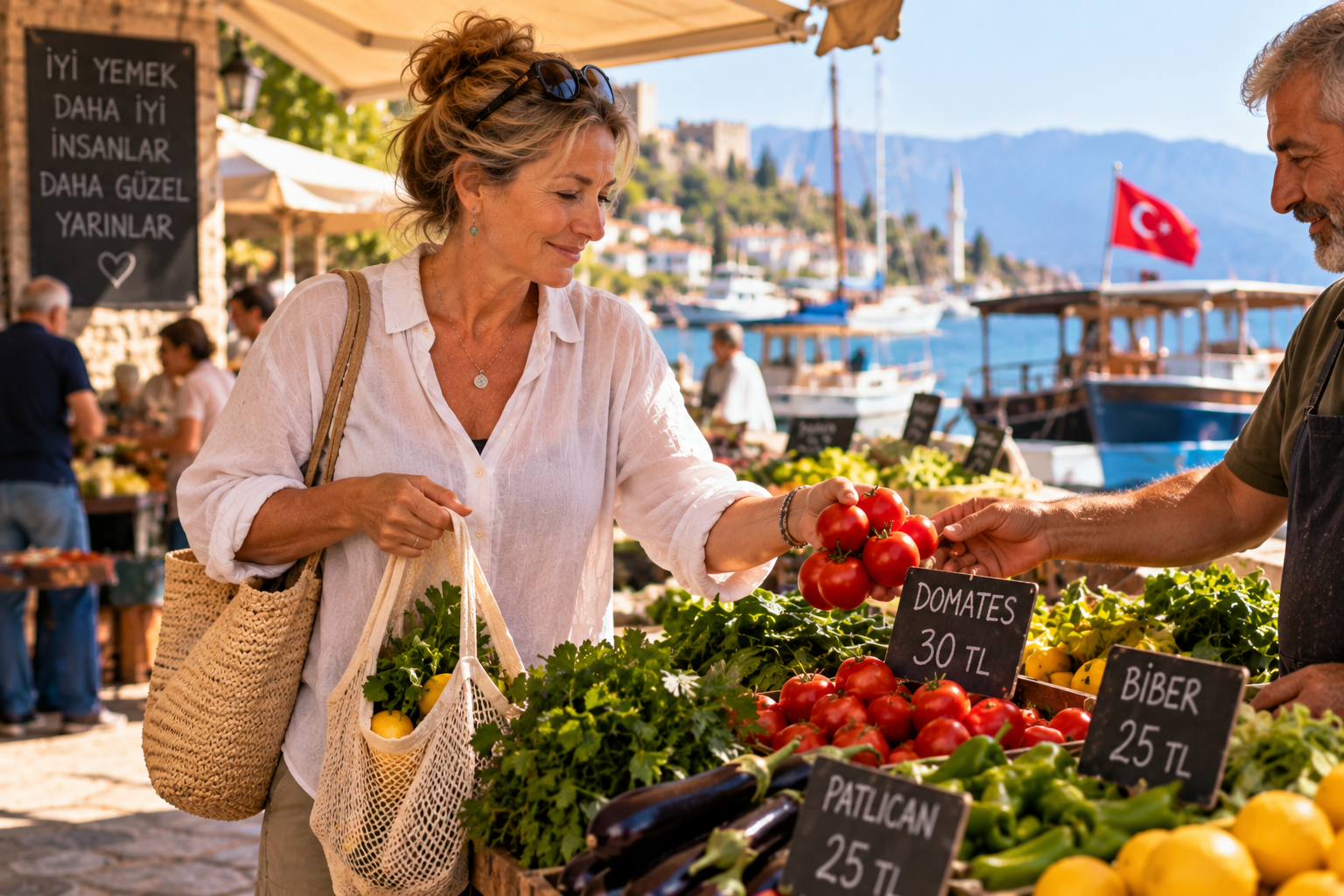
What she had walked into, without fully grasping it at first, was an economy in the grip of a long and serious bout of instability. Turkey has spent years wrestling with very high inflation and a currency, the lira, that has lost enormous value against the dollar, and living inside that reality is a different experience from reading about it. Over her eighteen months, she watched the lira slide further against the dollar, and she watched local prices climb relentlessly, with the cost of goods and services in lira rising month after month in a way that was dizzying to witness and genuinely painful for the Turks around her whose wages could not keep pace.
For her, holding dollars, the falling lira was in one sense a windfall, since each dollar she converted bought more lira than it had the month before, and her effective cost of living in dollar terms kept dropping even as prices rose for locals.
But it was not the simple free lunch it might sound like, because the volatility cut both ways and never let her feel settled. Her rent, initially so cheap, was subject to steep inflation-linked increases at renewal, taking a sudden jump that ate into the advantage.
Prices in the shops changed so fast that budgeting became guesswork. And beneath it all ran a current of genuine unease, the sense of living in an economy that could lurch further at any time, where a sharper crisis or a policy shock could change her situation overnight. It is a strange feeling to prosper inside someone else’s difficulty, and she never entirely shook the awareness that her good fortune was tied to a system under real strain. The cheapness was real, but it was cheapness borrowed from instability, and that is a very different thing from security. A bargain that exists because a currency is in trouble is a bargain with an asterisk, and she came to understand that the same forces filling her sails could just as easily capsize someone less careful. She kept, always, a quiet awareness that the ground could move, and a loose sense of what she would do if it did, which is its own kind of insurance that costs nothing but attention.
The One Discipline That Saved Her
The single most important thing she did, and the thing that separates the foreigners who thrive in Turkey from those who get burned, was refusing to hold her money in lira. This is the iron rule that every experienced expat in the country repeats, and she learned to follow it religiously: keep your savings in a stable, hard currency, in her case dollars, and convert only the small amount of lira you need for the coming days or weeks. Money left sitting in lira simply melts away as inflation erodes it, so the discipline is to treat the local currency as something you use, never something you hold. She learned to think of lira almost like perishable groceries, buying only what she would consume soon and never stockpiling, since anything held too long lost its value on the shelf.
In practice this meant keeping her nest egg in dollar accounts, watching the exchange rate, and changing money in small, frequent amounts rather than large ones, so that her savings never sat exposed to the lira’s slide.
It sounds simple, and in principle it is, but it requires constant attention and a certain steadiness of nerve, a refusal to be spooked into rash moves by a currency lurching around beneath you. It is a low-level, ongoing task rather than a one-time setup, the sort of thing that becomes second nature but never quite disappears, and it is precisely the part that the wrong sort of person finds exhausting rather than manageable. The foreigners who come to grief in Turkey are usually the ones who, out of convenience or misplaced optimism, park significant money in lira and watch it evaporate. She avoided that trap, and it is the main reason her eighteen months have been a success rather than a cautionary tale. The difference between the two outcomes was not luck but discipline, a set of small, consistent habits around money that she never let slip. The opportunity Turkey offers is real, but it comes with a user’s manual written in a single line: do not keep your money in the local currency, and never build your plan on the exchange rate staying where it is.
Who Turkey Is and Isn’t For
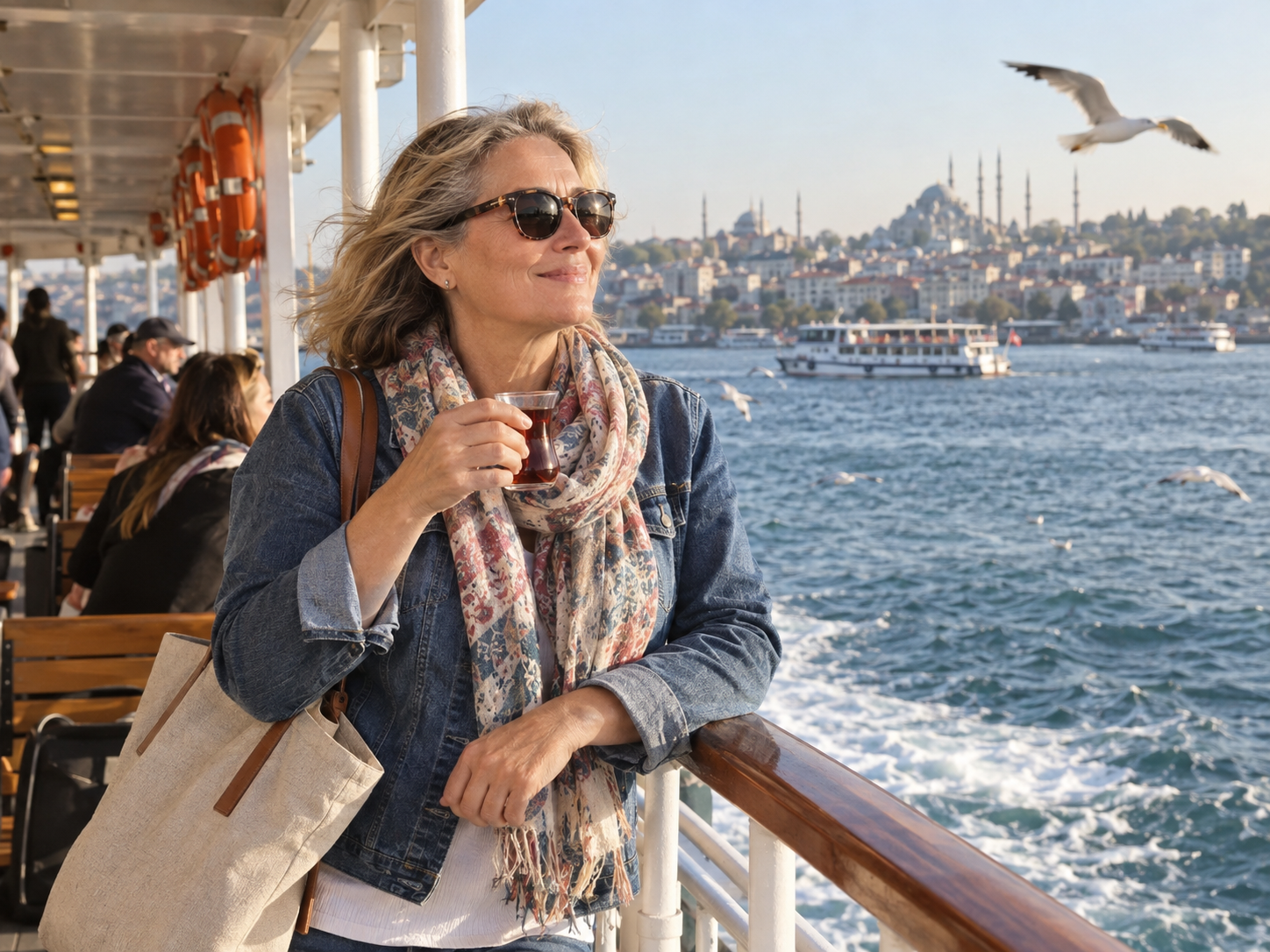
Her story raises the obvious question of who should even consider this, and the honest answer sorts people fairly cleanly into two camps. Turkey suits the person who arrives with a hard-currency income or savings, who is comfortable managing money across currencies and paying attention to exchange rates, and who has a certain adventurousness and flexibility, the willingness to live somewhere less predictable in exchange for a life that stretches much further. It rewards the adaptable, the curious, and the financially disciplined, the person who treats the whole thing as an opportunity to be actively managed rather than a hammock to lie back in. She fit that description, which is a large part of why it worked; a more passive or anxious person with the identical savings might have had a far harder time of it in exactly the same apartment.
It is genuinely the wrong choice for others, and it would be irresponsible to pretend otherwise. Anyone whose priority is stability and predictability, who wants to move once, set a fixed budget, and never think about it again, will find Turkey’s economic churn a poor fit and a source of ongoing stress. So will anyone without a hard-currency cushion, since the entire advantage evaporates for someone earning and saving only in lira. And so will anyone who cannot or does not want to stay attentive to their finances, since the country punishes passivity with money. The mistake is not choosing Turkey; it is choosing it for the wrong reasons or without the temperament it demands. Knowing which camp you fall into, honestly, matters more than any figure on a cost-of-living chart.
Was It Worth It

So, eighteen months and one bout of currency turmoil later, was it the right move? For her, and with heavy emphasis on the caveats, the answer has been yes. She is living a fuller, warmer, less anxious life than her fifty-two thousand dollars could have bought her almost anywhere in the developed West, her savings are largely intact, and she has built a real life in a place she has come to love. Measured against the alternative of stretching that same modest sum thin and fearful back home, Turkey gave her room to breathe, and she does not regret it. She talks about the change less in financial terms than in emotional ones, the difference between counting down a dwindling account and waking up in a warm place she can actually afford to enjoy.
But the honesty this deserves cuts both ways, and the caveats are not decoration. Her success rests on a foundation of careful currency management that not everyone has the temperament for, and on a favorable exchange rate that could shift, since the very instability that makes Turkey cheap for her also makes it unpredictable, and no one should build a rigid retirement plan on a currency advantage that is explicitly not guaranteed to last.
The relentless inflation is real and stressful even for those insulated by dollars, and living amid the economic strain of the people around you carries its own quiet weight.
Turkey rewarded her because she went in clear-eyed, kept her money in hard currency, treated the cheapness as a managed opportunity rather than a permanent entitlement, and stayed flexible enough to leave if things turned. For a person willing to do all of that, it can be a remarkable second act. For anyone wanting the security of a stable, predictable, set-it-and-forget-it retirement, it is the wrong country, and no amount of cheap rent changes that. The very trait that makes it affordable is the trait that makes it demanding, and you cannot take the one without the other. As always, this is one composite story and general information rather than financial advice, and a move of this kind deserves careful research and a conversation with professionals who can look at your own particular numbers.

About the Author: Ruben, co-founder of Gamintraveler.com since 2014, is a seasoned traveler from Spain who has explored over 100 countries since 2009. Known for his extensive travel adventures across South America, Europe, the US, Australia, New Zealand, Asia, and Africa, Ruben combines his passion for adventurous yet sustainable living with his love for cycling, highlighted by his remarkable 5-month bicycle journey from Spain to Norway. He currently resides in Spain, where he continues sharing his travel experiences with his partner, Rachel, and their son, Han.