
Walk through Paris, Rome, or Madrid in the middle of August and you will notice something strange: half the city seems to have gone home. Neighbourhood restaurants have handwritten signs in the window reading closed until September. Bakeries are shuttered, the corner shop is dark, and the streets where locals live feel oddly hollow. Europe, it turns out, largely takes August off, and the travellers who understand this quietly book their trips for September instead.
August is the peak of the European summer holiday, the month when much of the continent stops working and heads for the coast and the mountains. For a tourist, it produces a peculiar combination of crowded tourist sites and closed local life, all at the highest prices of the year. September offers nearly the opposite: reopened cities, thinner crowds, gentler prices, and weather still warm enough to feel like summer. With August almost upon us, it is exactly the right moment to understand why the smart money is looking one month ahead.
The Month Europe Shuts Down
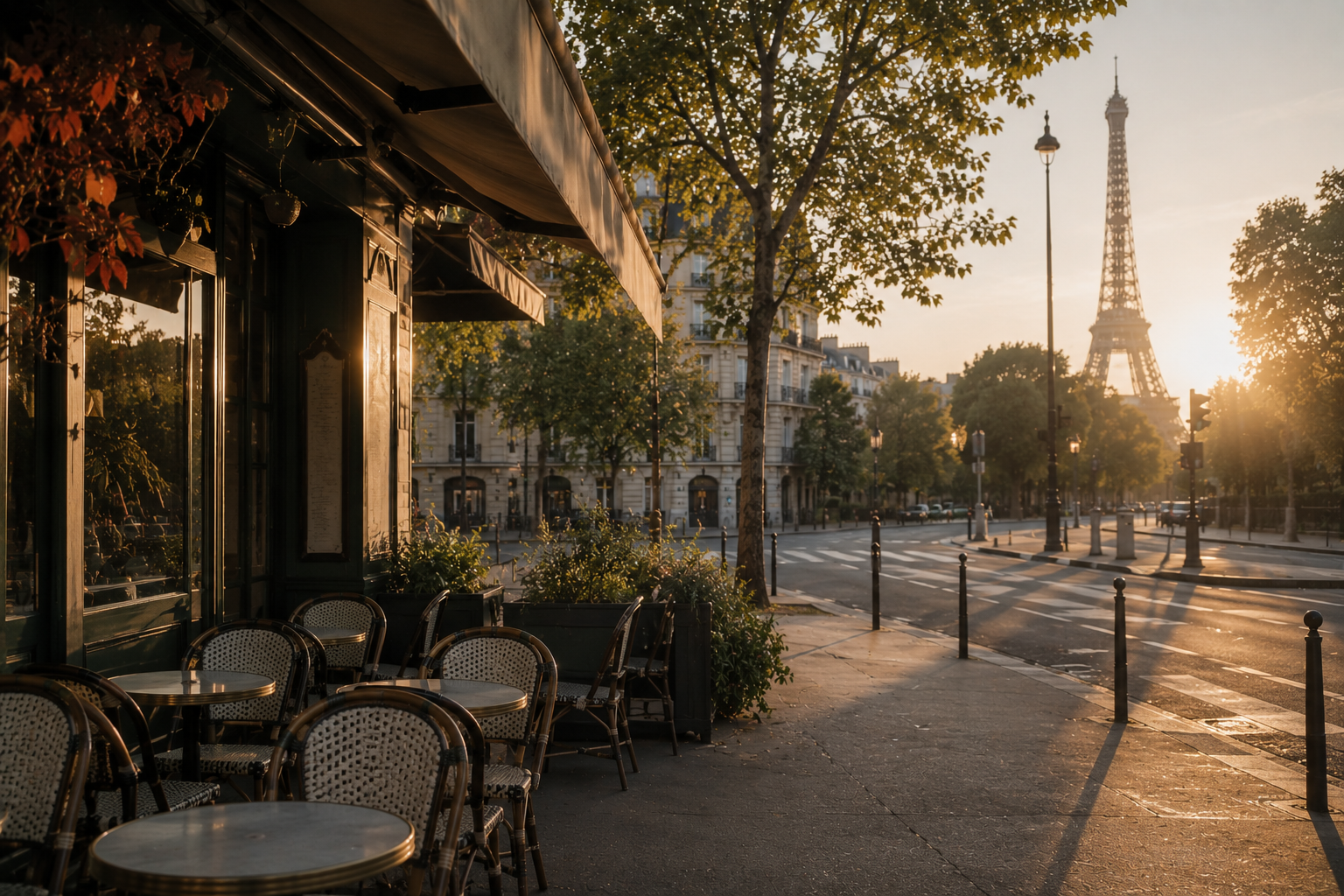
The August shutdown is not a myth or an exaggeration; it is a deep, planned feature of European life, especially across the south and centre of the continent. In Italy, France, Spain, and Greece, a great many small and family-run businesses simply close for a stretch of the month, their owners away on the same holiday as everyone else.
The signs are everywhere for those who read them. In Italy they say chiuso per ferie, closed for holidays; in Spain, cerrado por vacaciones. Whole categories of ordinary life pause at once: independent restaurants, neighbourhood shops, workshops, professional offices, even some doctors’ practices. Because owners know their regular customers have also left town, closing makes economic sense, and many use the downtime for annual maintenance and deep cleaning. This is not businesses failing to open; it is an entire culture choosing, in unison, to rest.
Underpinning it is a European approach to work and time off that differs sharply from the American one. Italian workers are guaranteed at least four weeks of paid holiday a year, French workers around five, and it is common to spend a big block of that leave in August, sometimes coordinated as a formal company-wide shutdown. The result is a synchronised national exhale. Where American vacation is staggered and often guiltily brief, European summer holiday is long, collective, and unapologetic, and August is when it happens.
Ferragosto and the Great Escape
At the heart of the August exodus sits a single date: the fifteenth. In Italy it is Ferragosto, and it is the cultural centrepiece of the whole summer. The holiday is ancient, descending from the Feriae Augusti, the festivals of the Emperor Augustus instituted in 18 BC, later merged with the Catholic Feast of the Assumption, which falls on the same day across much of Catholic Europe.
Ferragosto is not merely a day but the peak of a much longer break. Italian businesses commonly close for a week or two around it, roughly the tenth to the twentieth of August, with the fifteenth as the still point when the country is at its emptiest of locals and its fullest on the beaches. Families head to the sea or the mountains, cities empty of residents, and the whole rhythm of the nation bends around the date. France has its own version in the grandes vacances, the great holidays, a tradition stretching back to the first legally mandated paid leave in the 1930s and now woven deep into national life, with Assumption Day providing its own mid-month closures.
Understanding this date is the key to understanding August travel. The closures are not random; they cluster tightly around the middle of the month, peaking at Ferragosto and easing as the month wanes. A traveller who knows this can read the calendar strategically, and it explains why the back end of August and the start of September feel like a different country entirely from the shuttered middle weeks.
What Actually Closes, and What Stays Open
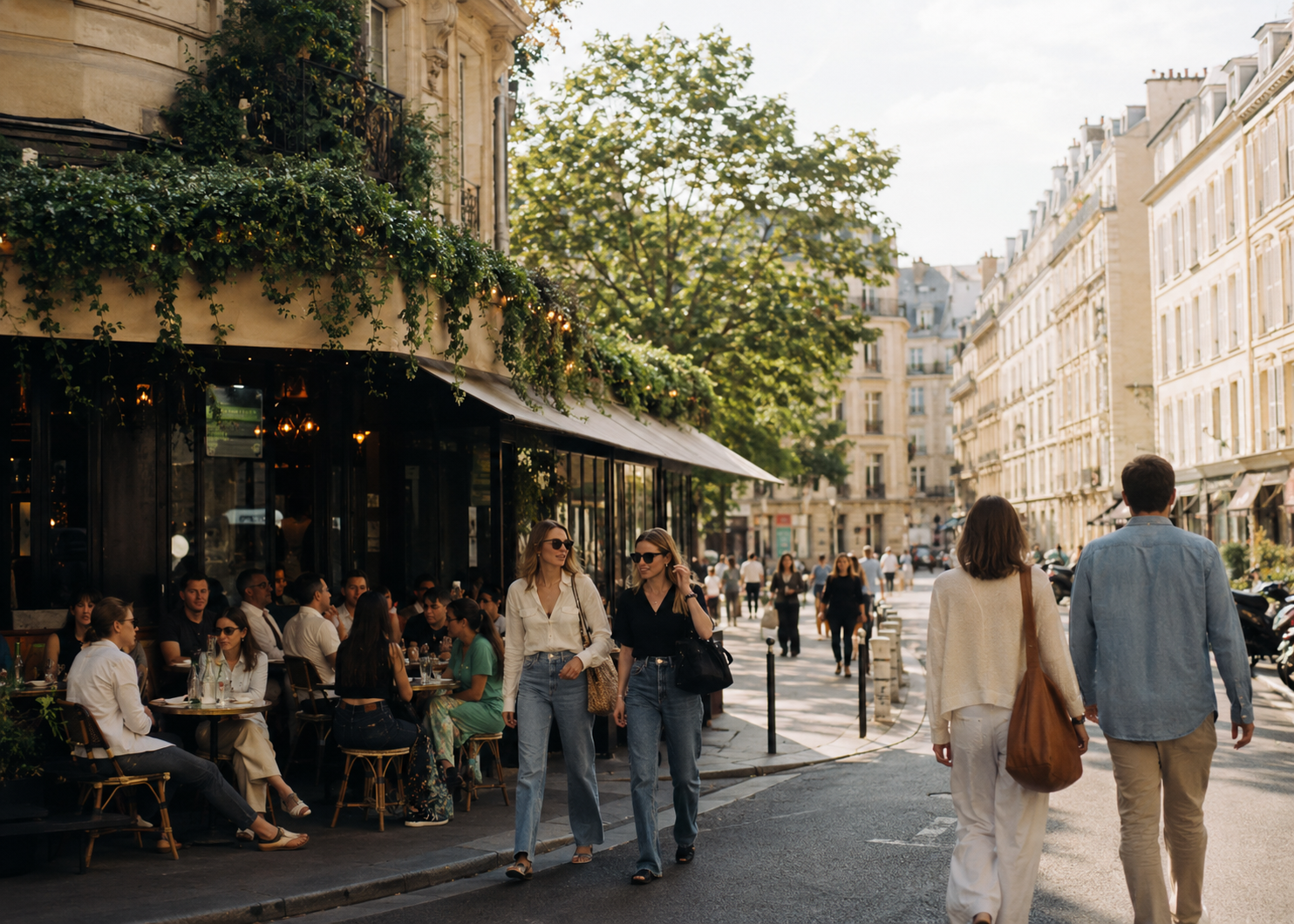
It is important to be precise here, because the shutdown is real but not total, and the difference matters enormously for planning. What closes in August is mostly the local, everyday layer of a city: the family trattoria, the neighbourhood bakery, the small independent shop, the businesses that serve residents rather than tourists.
What stays open is the tourist infrastructure. The great museums and monuments keep their doors open through August, because they serve visitors who come regardless of the local calendar; the Louvre, the Colosseum, the Vatican Museums, Versailles, and their like run on their normal summer schedules. Hotels stay open, as do the restaurants and shops in the tourist heart of a city and the international chains everywhere. A visitor determined to see the headline sights will not be stranded in August; the machinery built for tourists hums along.
There is also a strong regional dimension. The August shutdown is a Southern and Central European phenomenon above all. Northern Europe, including Scandinavia, the Netherlands, and much of Britain and Germany, closes far less dramatically, and in some places school terms resume by mid-to-late August, pulling families back early. So the picture is not a continent uniformly padlocked but a spectrum, heaviest in Italy, France, Spain, and Greece, and concentrated in the small-business, local-life layer rather than the tourist one.
The Real Problem With August
If the tourist sites stay open, why avoid August at all? The answer is that being able to see the sights is not the same as having a good trip, and August quietly stacks several disadvantages on top of one another. The problem is not access; it is the overall experience.
Start with crowds. August is peak season, so the very attractions that remain open are at their most jammed, with the longest queues and the most elbows of the entire year. Add heat: August is the hottest month, and Southern European cities regularly push past thirty-five degrees Celsius, close to a hundred Fahrenheit, turning midday sightseeing into an endurance test in cities where air conditioning is far from guaranteed. Then add money: with demand at its annual peak, hotel prices hit their highest, and you pay top rates for the privilege of sweating through the crowds.
Finally, and most subtly, add the closures. Because the local layer has shut down, a visitor in August often gets the tourist shell of a city without its living soul, the monuments without the neighbourhood life, the sights without the everyday scenes that make a place feel real. You queue in the heat at full price to see a city half its residents have temporarily abandoned. None of this makes August impossible, but together it explains why experienced travellers treat it as the season to endure rather than to seek out.
There is a certain irony in it. The month most people picture when they imagine a European summer holiday is, for the cities at least, close to the worst month to actually take one. The postcard image of August in Rome or Paris quietly omits the queues, the heat, the peak prices, and the shuttered side streets that define the real thing.
Why September Is the Sweet Spot
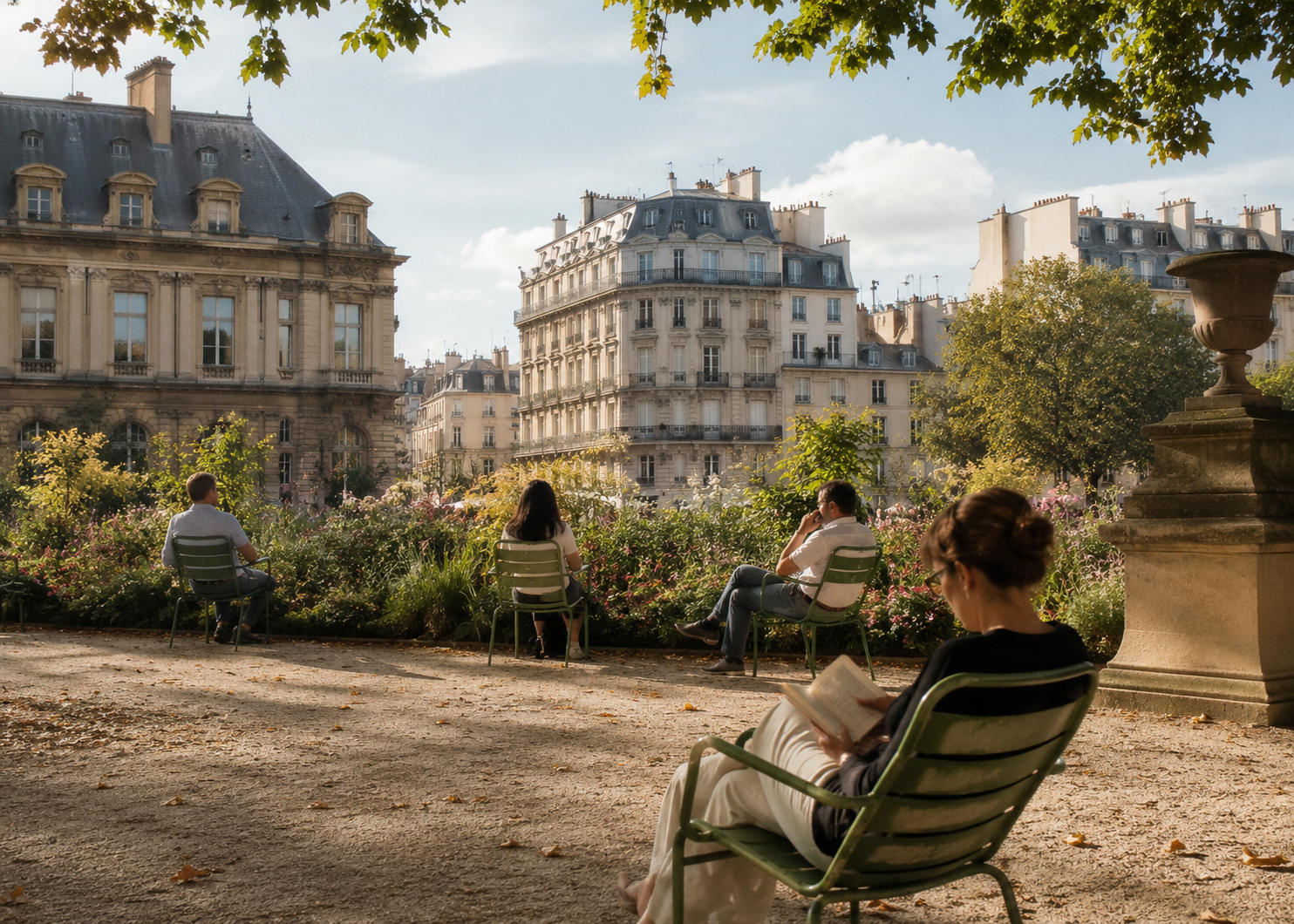
September solves almost every one of August’s problems at once, which is why seasoned travellers prize it so highly. As the calendar turns, Europe comes back to life: the locals return from their holidays, the shuttered businesses reopen, and cities refill with the residents who give them their character. The living layer switches back on.
At the same time, the pressures of August ease. Crowds thin markedly as European families return to work and school and the summer tourist wave recedes, with visitor numbers at major sites dropping substantially from their August peak. Prices follow the demand downward, and hotel rates in particular can fall significantly from their August highs. The weather, crucially, stays generous, holding onto summer warmth well into the month, often in the low twenties Celsius, the low seventies Fahrenheit, comfortable for walking all day rather than hiding from the sun. And the cultural calendar reawakens, with theatres, operas, and concert seasons opening after the summer pause.
The combination is close to ideal: a city that is fully alive again, noticeably cheaper, noticeably less crowded, and still bathed in warm weather. This is what travellers mean by shoulder season, that narrow, golden window when the crowds and prices of high summer have retreated but the good weather has not. In much of Europe, and especially in its great cities, September is the clearest example of it, and it is no accident that experienced visitors guard the secret jealously.
Paris in September Specifically
Nowhere illustrates the September advantage better than Paris, which many seasoned travellers consider the city’s single best month to visit. In August, Paris empties of Parisians and fills with tourists; in September it does the reverse, and the difference in the feel of the city is enormous.
The French even have a word for the return: la rentrée, the great going-back, when the country comes home from its holidays and the year begins again in earnest. In Paris this means bistros and boutiques reopening after their August congés, the streets regaining their residents, and a distinct crackle of renewed energy as the cultural season launches with new exhibitions and premieres. The weather holds warm and pleasant, the Luxembourg Gardens begin their slow turn toward autumn, and the crowds at the major museums fall away from their summer crush. Hotel rates, having peaked in August, ease back down.
For the visitor who wants the real Paris rather than its August tourist husk, September delivers it: a working, living, elegant city, comfortable to walk, easier on the wallet, and full of Parisians doing Parisian things. The cafés have their regulars back, the queues are shorter, and the whole city feels like itself again. If there is one month to book a first trip to Paris, or a return, the argument for September is very strong indeed.
Beyond Paris, September Across Europe
Paris makes the cleanest case, but the September advantage is a continental one, and the same logic rewards travellers almost everywhere the August shutdown bites. Rome, Florence, Venice, Barcelona, Madrid, Athens: all of them empty of locals and swell with tourists in August, then reverse in September as residents return and the summer crush recedes.
Italy in particular flips fast once Ferragosto passes. From around the twentieth of August the trattorias reopen, the artisans return, and by early September the country pairs full working life with lingering summer warmth and thinning crowds, which is why many seasoned Italy hands name that stretch the best-value window of the year. Spain and Greece follow a similar curve, their coastal resorts still lively but their cities relaxing back into normal life. The specific dates shift from country to country, but the shape is the same everywhere: a shuttered, crowded, expensive August giving way to an open, calmer, cheaper September.
The lesson generalises cleanly. Wherever in Southern or Central Europe you are headed, the same one-month shift tends to trade a worse trip for a better one. Book the city you want for September rather than August, and you inherit the reopened version of it, whichever city that happens to be. Paris is the showcase, but it is far from the only place the trick works.
How to Play It
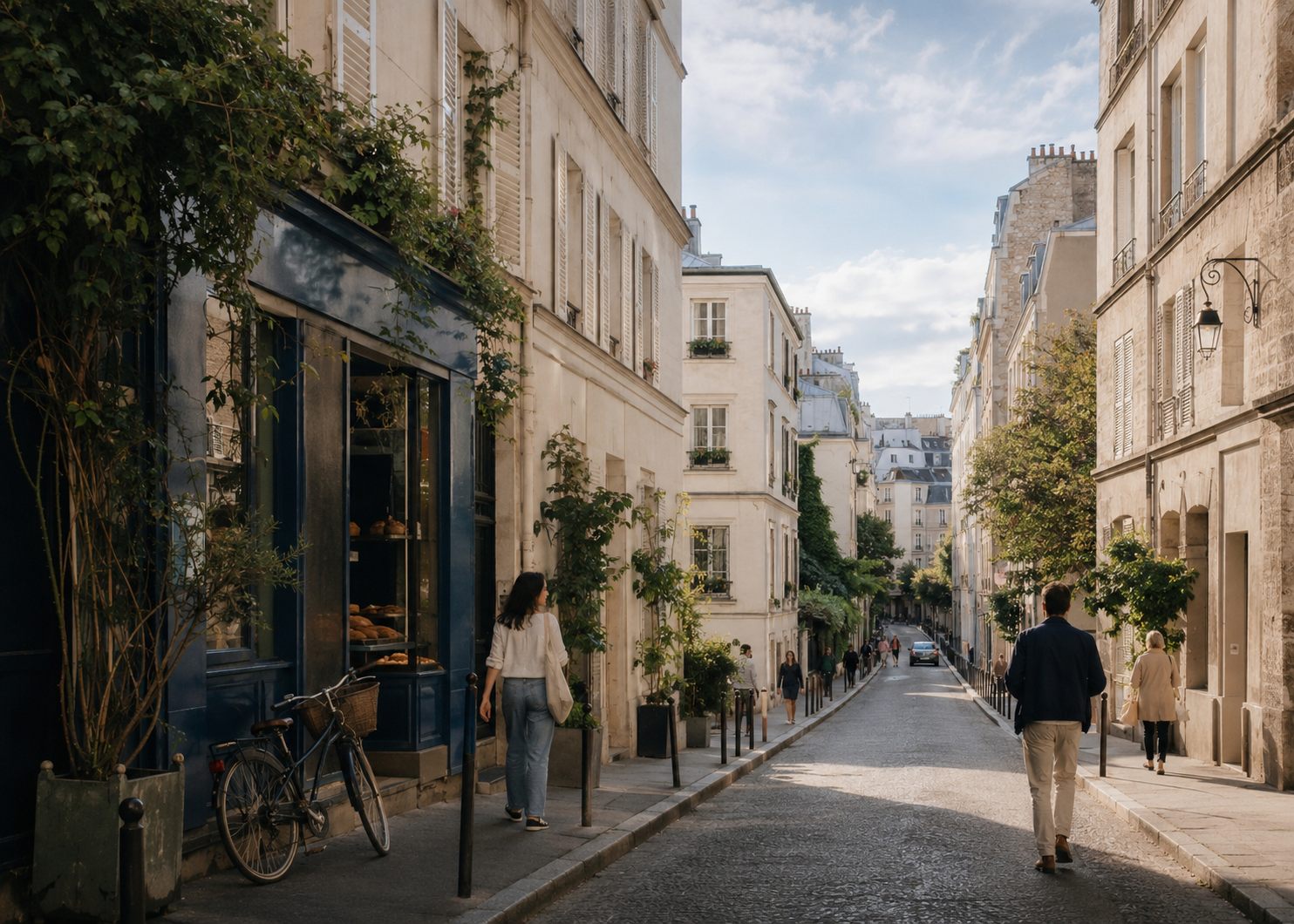
Turning all this into a plan is straightforward, and with August nearly here, the timing is pointed. The simplest move is to book September rather than August whenever the choice exists, capturing the reopened cities, thinner crowds, softer prices, and lingering warmth in a single decision. For a great many European city trips, that one swap materially improves the experience.
If August is unavoidable, there are ways to soften it. Aim for the last third of the month if you can, after roughly the twentieth, when the closures lift and the crowds begin to thin ahead of September proper. Lean on the tourist infrastructure that stays open, book restaurants and key sites in advance rather than trusting to walk-ins, and plan sightseeing for early mornings and evenings to dodge the worst of the heat. Consider Northern Europe, which closes far less in August, if your heart is set on travelling then. And whatever the month, book accommodation early, because the best-value rooms go first in every season.
The overarching strategy is simply to travel a beat behind or ahead of the European crowd rather than in the thick of it. August is when Europe travels for itself; the savvy visitor lets that wave pass and arrives just after it, into the calmer, cheaper, fully reopened weeks that follow. Booked now, a September trip lets you do exactly that, arriving as Europe comes back to life rather than as it heads for the exits.
Let the Locals Have August
In the end, August belongs to Europeans, and there is something fitting in leaving it to them. It is their great collective exhale, earned through a work culture that still believes in real rest, and a visitor who insists on crowding into it gets the worst of both worlds: the heat and prices of high summer, the crowds at every open door, and the closed shutters of the city’s real life. August is not built for the traveller seeking the genuine article.
September is. It hands back everything August takes away, the open bistros, the returned residents, the breathing room, the gentler rates, without giving up the warm weather that drew people to summer in the first place. It is the reward for a little patience, a month that quietly outperforms its more famous neighbour on nearly every measure that matters to an actual trip.
So as the closed-until-September signs go up across Europe over the coming weeks, read them not as a disappointment but as an invitation. Let the locals have their August. Book Paris, or Rome, or Madrid, for September, arrive as the city wakes back up, and enjoy the version of Europe that its own residents come home to. The smart money has always known where to look, and it is looking one month ahead.

About the Author: Ruben, co-founder of Gamintraveler.com since 2014, is a seasoned traveler from Spain who has explored over 100 countries since 2009. Known for his extensive travel adventures across South America, Europe, the US, Australia, New Zealand, Asia, and Africa, Ruben combines his passion for adventurous yet sustainable living with his love for cycling, highlighted by his remarkable 5-month bicycle journey from Spain to Norway. He currently resides in Spain, where he continues sharing his travel experiences with his partner, Rachel, and their son, Han.