

A couple from Denver sits down at a terrace in the Gothic Quarter. They have walked since 11am, they are hungry, and the lunch rush has filled the restaurant.
Twenty minutes pass. The waiter has not appeared.
The husband raises his arm, snaps his fingers twice, and calls out “señor” toward the door of the restaurant.
The waiter looks up. He sees the snap. He turns and walks back inside. Forty more minutes go by before anyone returns to the table.
The couple decides Barcelona service is rude. They leave a small tip and tell the story for years afterward. They never find out what actually happened. The waiter was responding to the snap the way Catalan service staff respond to the snap, which is by becoming invisible until the customer figures out what they did wrong or leaves.
What The Snap Means In Spain
The finger snap to summon service is the single gesture most reliably identified by Spanish hospitality workers as the marker of a tourist who does not know how to be in their restaurant.
The snap is read as an instruction to a subordinate. Spanish waiters do not consider themselves subordinate to their customers. The relationship is professional and reciprocal. The customer eats at the restaurant. The waiter serves the food. Both have dignity in the exchange. The snap collapses this into a master-servant dynamic that Spanish service culture rejects.
The same applies to clicking the fingers without the full snap. To clapping for attention. To loud whistling. To saying “garçon” (which is French, used in Catalonia rarely, and reads as condescending). To calling out “hey you” in any language.
The Catalan response to these gestures is consistent across Barcelona, Girona, Tarragona, and the smaller towns. The waiter notes the gesture. The waiter does not react in the moment. The waiter delays the next interaction with that table substantially. The delay can run forty minutes to an hour and a half in busy service. The customer never gets explained why.
The customer often does not know there is a connection between their behavior and the long wait. They attribute the wait to incompetence, to Spanish laziness, to the famous “mañana” stereotype. The wait is actually a quiet correction.
What The Spanish Way Looks Like
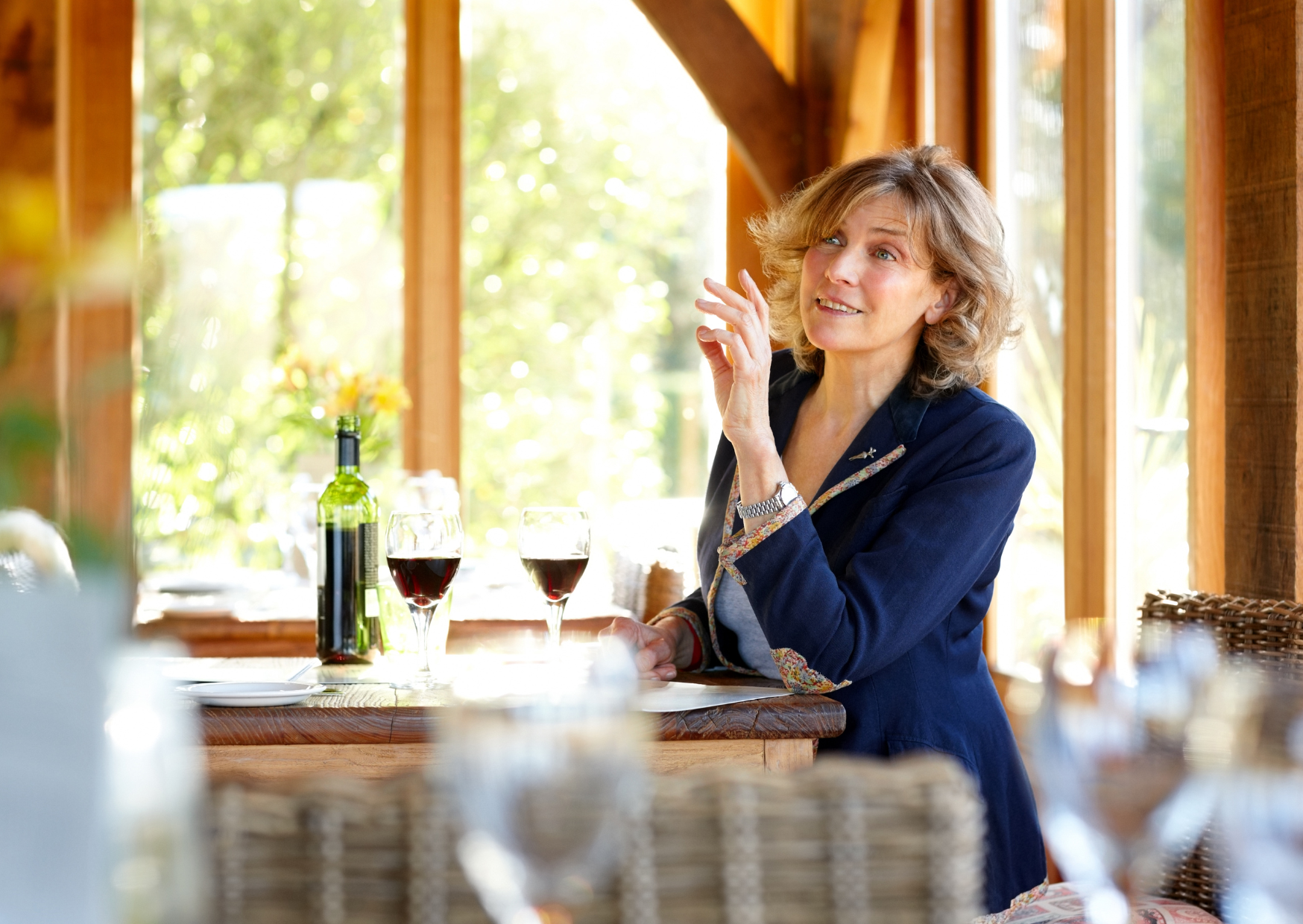
The Spanish method of summoning a waiter has specific working features.
Eye contact first. Catch the waiter’s eye when they pass by. A slight nod or smile. Spanish waiters are scanning the room constantly. They will see the eye contact even when they look like they are not looking.
A small raised hand if the eye contact does not produce a response. Palm open, fingers together, lifted slightly above shoulder height. Held briefly. Lowered. This is the universal Spanish “ready when you are” signal.
“Perdón” or “perdone” if the raised hand is not enough. Spoken at conversational volume, not shouted. The word means “pardon me” and signals respect rather than command.
“Oiga” if absolutely necessary. Spoken at slightly higher volume in a noisy bar. This is the firmest acceptable form. It is used by Spaniards and is not rude. Foreigners often think it sounds harsh because it can translate as “listen” or “hear me,” but in Spanish it carries no such edge.
Never the snap. Never the clap. Never the whistle. These three forms collapse the relationship into something Catalan service culture will not accept.
The functional difference between the American and Spanish approaches is the assumed authority. The American gesture set assumes the customer commands the service. The Spanish gesture set assumes the customer requests the service from a professional who will respond when professionally appropriate. The professional appropriateness is the variable. A Catalan waiter who feels respected will respond within two minutes. A Catalan waiter who feels disrespected will respond when he feels like it.
Why Catalonia In Particular
Catalonia takes this further than other parts of Spain.
Barcelona is the most touristed Spanish city. Catalan service staff deal with high volumes of foreign customers including many who carry American or Northern European service expectations into the restaurant. The Catalan service culture has developed strong responses to the most common foreign behaviors.
Catalan identity also plays into this. Catalonia is proud of its distinct culture and language. Service workers in Catalonia often experience the foreign customer who expects everything in Spanish (rather than acknowledging Catalan) or who treats them as generic European service workers. The snap from a foreign tourist combines several of these irritations into one gesture.
Madrid is somewhat more forgiving. Madrid service culture is fast-paced, the staff turnover is higher, the volume of tourists is similar to Barcelona but the expectations are slightly different. A snap in Madrid produces a shorter delay than a snap in Barcelona in most cases. Not zero delay, but not an hour.
Andalusia is the most forgiving region. Service culture in Seville, Granada, and Málaga is slower and more easygoing overall. Tourists who snap in Andalusia still produce some negative reaction but the consequences are softer.
The Basque Country sits closer to Catalonia in terms of strictness. San Sebastián service staff respond to gestural disrespect the way Catalan staff do, with longer delays and tighter politeness.
For American tourists planning a multi-city Spain trip, the practical implication is that the gesture matters most in Barcelona and San Sebastián, somewhat in Madrid, and less in Andalusia. The safe practice is to use the Spanish method everywhere and never snap regardless of location.
What Else Reads As Rude In Catalan Service Contexts

The finger snap is the most visible offense but it is part of a broader pattern of American restaurant behavior that produces friction.
Asking for substitutions on the menu. Spanish restaurants typically serve their dishes as composed. Asking for the sauce on the side, asking to swap a side, asking for the fish without the skin, asking for the meat cooked more or less than the chef has determined. These requests are received as a critique of the kitchen. Some restaurants accommodate; many do not. The American instinct that the customer designs the meal does not transfer.
Asking for the bill repeatedly. Spanish service culture treats the bill request as a single act. Ask once. The bill arrives when it arrives. Asking three times in twenty minutes does not speed it up. It tends to slow it down because the staff reads it as the customer trying to dictate the pace.
Loud volume. American restaurant volume is higher than Spanish restaurant volume on average, particularly at lunch. A loud American group at a Barcelona terrace stands out and produces some staff response. Not delay specifically but a coolness in the interaction.
Splitting the bill at the table. Spanish restaurants typically bring one bill. The convention is that one person pays and the others settle privately. American couples requesting separate checks, or each of six diners paying separately by card, produces irritation. Some Barcelona restaurants will accommodate this; many resist.
Tipping a percentage. Spanish service is paid through wages rather than tips. A small rounding-up is the norm. A small tip of one to three euros for table service is welcomed. Leaving a 20 percent tip is not welcomed in the way Americans assume it would be, because it carries an implicit assertion that the staff depends on the tip, which they do not.
Eating at 6pm. Spanish dinner runs 9pm to 11pm. American tourists arriving for dinner at 6pm find restaurants either closed for the afternoon break or serving only the early-tourist menu, which is often a different and lower-quality offering than the night menu. The early arrival itself is not rude but it routes the customer to a worse experience.
These secondary issues compound. The customer who snaps the fingers, asks for substitutions, demands the bill repeatedly, and tips 20 percent has compounded four signals of foreign-tourist behavior. The Catalan waiter has seen this combination hundreds of times. The professional response is detachment.
Why The Detachment Rather Than Confrontation
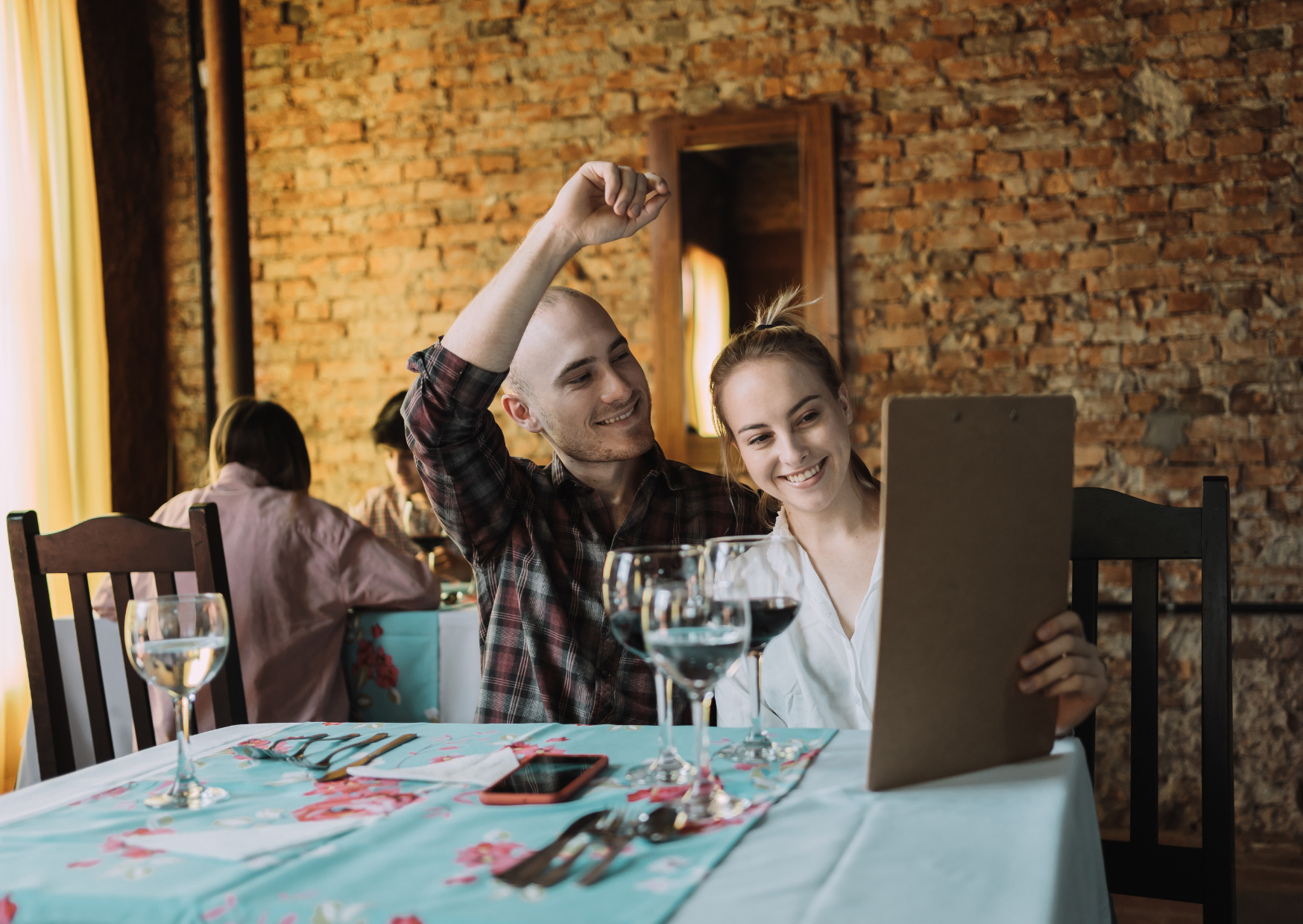
A reasonable American reaction to all of this is: why does the waiter not just say something? Why the silent correction? Why not explain the cultural difference?
The Spanish service answer is that the customer is paying for a service, not for cultural instruction. The waiter is not responsible for educating tourists. The waiter is responsible for serving customers who behave appropriately. Customers who do not behave appropriately receive less prompt service. This is the system functioning as designed, not a malfunction.
The deeper answer is that Spanish service culture values dignity on both sides. A confrontation about the snap would damage the customer’s dignity and would also require the waiter to play a role (instructor, complainer) that the role of waiter does not include. The silent correction preserves dignity for both parties even though it produces frustration for the customer who does not know what is happening.
Some Catalan waiters will eventually mention the gesture if the customer asks directly why service has been slow. Most will not. The customer is expected to figure it out or to leave unsatisfied and never return. The restaurant operates on enough volume that losing the snap-using tourist is not a problem.
What This Tells Tourists About Operating In Barcelona
The practical implications for American tourists visiting Barcelona are specific.
Use eye contact and a small raised hand. Never snap, click, or call out. The gesture set transfers across cities, restaurants, bars, and most service contexts. Use the Spanish method consistently.
Learn three words. Perdone, oiga, la cuenta. The first two summon a waiter. The third asks for the bill. These three words handle 80 percent of restaurant interaction needs and immediately mark the customer as someone making an effort.
Sit down and slow down. Spanish meals take longer than American meals. A leisurely lunch runs 90 minutes minimum. A dinner runs two hours. The customer who tries to compress this into 45 minutes produces a poor experience for everyone. The relaxed pace is the product. Resisting it gets less of the product.
Eat at Spanish times. Lunch from 1:30pm to 3:30pm. Dinner from 9pm to 11pm. Restaurants are at their best during these windows.
Order the menu as written. If something does not appeal, order something else. The substitution culture does not transfer.
Accept the bill when it arrives. Pay. Round up if service was good. Leave. Do not split into six separate cards or argue about the math at the table.
If the service has been slow, examine your own behavior first. Most Barcelona service workers are professional and reasonably prompt with customers who follow local conventions. Persistent slow service usually indicates that something about the customer’s behavior is triggering the soft correction.
What This Reveals About Cultural Adaptation
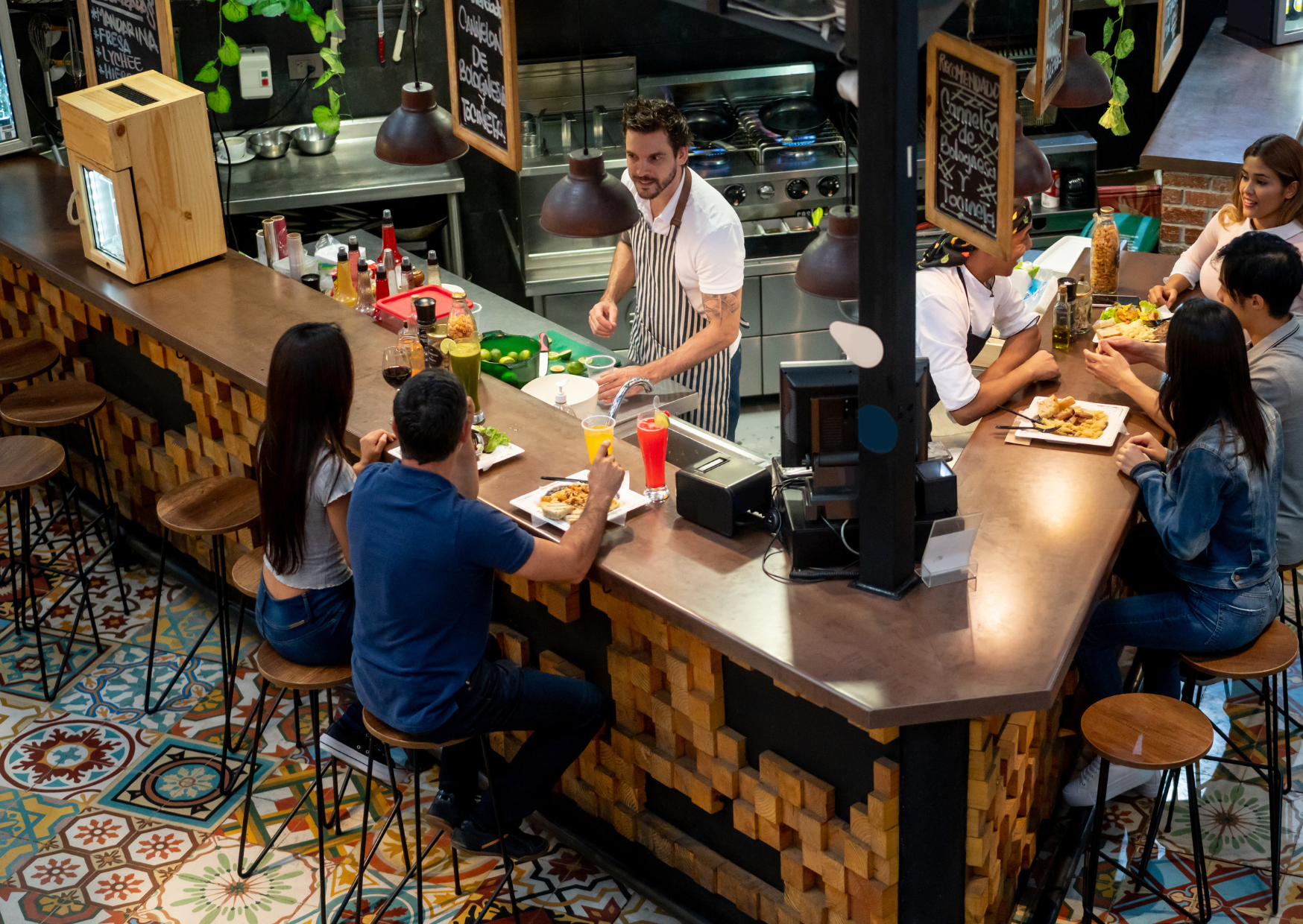
The Barcelona snap is one example of a broader pattern. American tourists abroad routinely produce behaviors that are normal in American context and rude in local context. The behaviors are usually small. The local response is usually quiet. The American often never connects the behavior to the consequence.
The traveler who notices the connection has a tool that works in many cities. The pattern repeats with different specific behaviors and different specific local responses. The general principle is that local service culture has rules the traveler does not know, those rules produce consequences when broken, and the consequences usually appear as the local service being mysteriously bad rather than the traveler being noticeably wrong.
For Americans planning Barcelona trips, the snap-and-disappear pattern is worth knowing specifically because it produces the worst service experiences for the customers who least deserve them. A traveler who would never intentionally insult anyone routinely insults Catalan waiters through a gesture that means nothing offensive in American context.
The fix is small. Stop snapping. Use eye contact and a small raised hand. Learn three words of Spanish. Wait patiently. The service that emerges is not slower than American service in absolute terms. It is differently paced and differently mediated. The customers who adapt enjoy meals they remember for the rest of their lives. The customers who do not adapt eat the same meals through a haze of frustration and tip 20 percent on top.
What The Forty Minute Wait Recognizes
The couple from Denver waiting forty minutes for their second visit from the waiter is experiencing a system functioning as it was designed to function. The snap was the trigger. The wait is the response. The fact that neither party explained any of this is the system’s normal operating mode.
For the couple, the experience reads as bad service. For the waiter, the experience reads as professional handling of a customer who needs to learn how the restaurant works. Both readings are coherent within their respective frames. Neither party is wrong. They are operating from different cultural rule sets.
The American who visits Barcelona repeatedly and learns the rules eventually has a different experience. The waiters become quicker. The service feels warmer. The food seems better. None of this is the restaurant changing. The customer has changed. The system was responding correctly the whole time.
For first-time visitors, the practical question is whether they want to learn the rules or to keep producing the snap-and-wait pattern. Learning the rules takes one paragraph of reading and a small adjustment of habit. The payoff is years of enjoyable Spanish meals rather than a story about how rude Barcelona service is.
The waiter in the Gothic Quarter who turned and walked back inside after the snap is still working there. He has continued not approaching tables that snap at him. He will continue this practice for the rest of his career. The customers who learn the gesture eat well in his section. The customers who do not learn it eat poorly.
The rule is small and the consequence is large. One gesture decides whether the meal is good or bad. Most American tourists never find out about the rule. The ones who do find out tend to enjoy Barcelona substantially more than the ones who do not.

About the Author: Ruben, co-founder of Gamintraveler.com since 2014, is a seasoned traveler from Spain who has explored over 100 countries since 2009. Known for his extensive travel adventures across South America, Europe, the US, Australia, New Zealand, Asia, and Africa, Ruben combines his passion for adventurous yet sustainable living with his love for cycling, highlighted by his remarkable 5-month bicycle journey from Spain to Norway. He currently resides in Spain, where he continues sharing his travel experiences with his partner, Rachel, and their son, Han.