
Last updated on July 28th, 2026 at 06:22 am
The useful comparison is not that Italians are magically cleaner. It is that many Italian homes treat hygiene as daily order, not as a weekend rescue project after the house has already lost control.
An Italian kitchen can look almost too simple.
A sponge where it belongs. A dish towel that is not used for everything. A sink cleared after lunch. Raw meat kept away from salad. The table reset before the next meal. Shoes not wandering onto beds. The bathroom actually built for washing a body, not just wiping it and hoping for the best.
None of this is glamorous.
That is why it works.
1. The Kitchen Gets Cleaned As Part Of Cooking, Not After The Damage
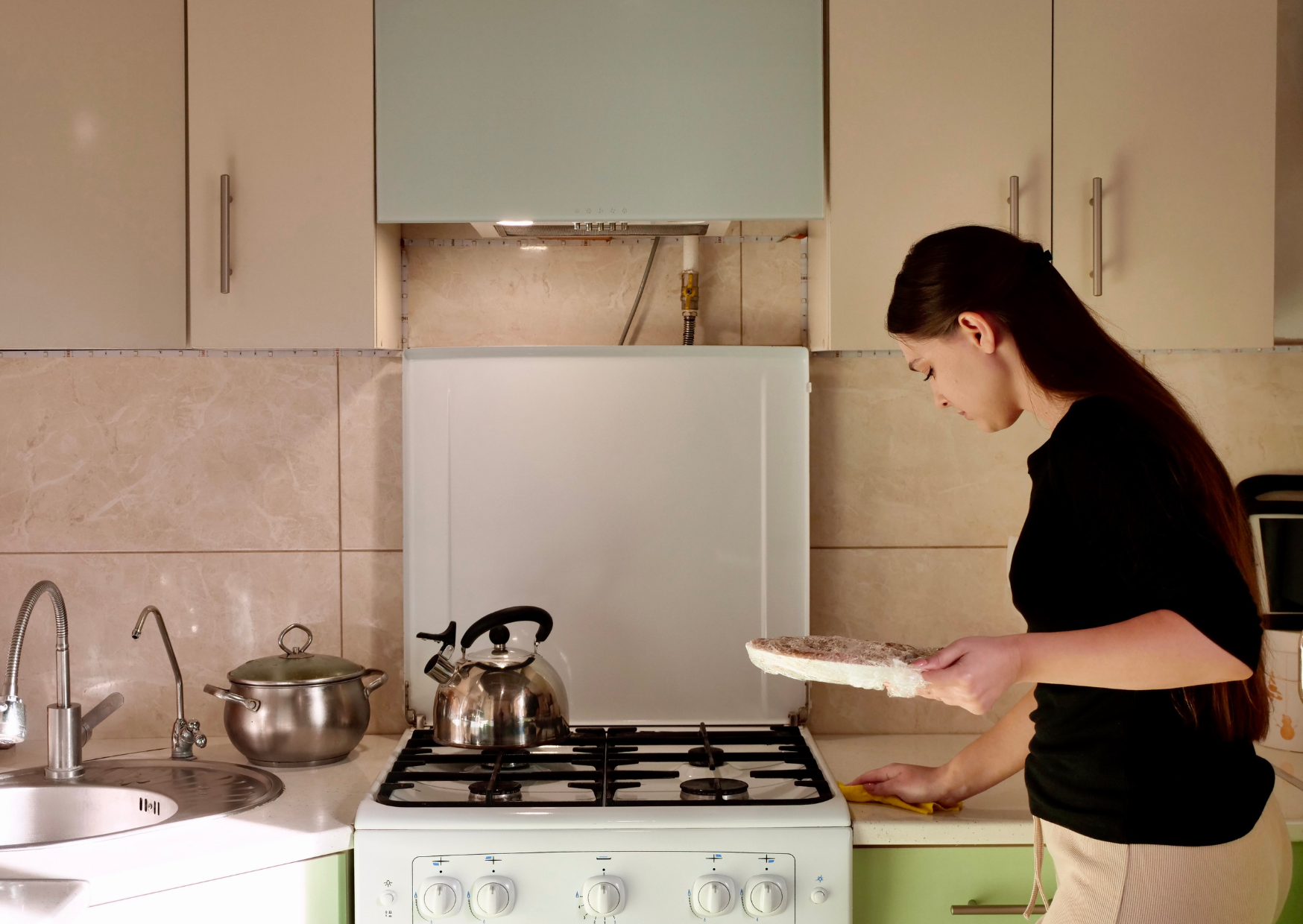
Many Italian households treat cooking and cleaning as one motion.
The meal is not finished when the food hits the plate. The meal is finished when the counter is wiped, the cutting board is washed, the sink is not full of evidence, and tomorrow’s kitchen does not begin in yesterday’s mess.
That sounds obvious until you watch how often American kitchens become holding areas. Breakfast dishes wait for lunch. Lunch containers wait for dinner. Dinner pans soak until someone gives up and orders food the next night because the kitchen feels hostile.
The Italian habit is less dramatic: clean as the meal moves.
A board used for raw chicken is washed before vegetables touch the counter. The cloth used to dry hands is not automatically the cloth used to dry dishes. A sponge that touched something questionable does not become a universal household tool. The stovetop gets wiped before oil hardens into archaeology.
This is not only about appearance.
Food-safety guidance in Italy is very direct about handwashing, cleaning surfaces, and keeping tools and materials that touch food clean. The Ministry of Health’s home food-safety advice emphasizes frequent handwashing during food preparation and regular cleaning of surfaces, utensils, small appliances, refrigerators, cloths, and sponges.
The old household version is practical before it is scientific.
If the kitchen is reset after every meal, tomorrow’s first decision is not whether to clean before cooking. The space is ready. That makes home cooking easier, and easy home cooking keeps the household from drifting into packaged food, delivery, and snack dinners.
Americans often treat kitchen cleanliness as a cleaning category.
Italian households are more likely to treat it as part of eating well.
That difference shows up every day.
2. Raw And Cooked Food Do Not Share The Same Casual Space

Italian household food safety can look fussy to Americans until someone explains the logic.
Raw chicken is not just an ingredient. Raw eggs are not just breakfast. Raw fish is not just dinner waiting to happen. They are foods that need distance, timing, and their own tools before they become safe.
That is why many Italian kitchens are strict about separating raw and cooked foods.
A cutting board used for raw meat does not casually become the tomato board. A knife does not move from chicken to salad because “it is all going into the same meal.” Cooked food is not placed back on the plate that held the raw food. Ready-to-eat food does not sit where raw food can drip, touch, or leak into it.
The principle is simple: raw stays raw until cooked, cooked stays protected.
This matters because cross-contamination is one of the easiest kitchen mistakes to make. Italy’s public-health guidance repeatedly stresses separating raw and cooked foods, using clean utensils, and washing hands after handling one food before touching another.
The refrigerator is part of this.
Cooked foods and ready-to-eat foods should not be stored under raw meat, raw fish, or anything that can drip. Many Italian households understand this visually. Raw food sits low and contained. Cooked food stays covered. Cheese, cured meats, leftovers, fruit, and vegetables are not treated as if the fridge is a cold junk drawer.
American kitchens often fail here because the fridge is bigger.
A big fridge creates false safety. It gives food more places to hide and more ways to share space badly. Italian fridges are often smaller, which forces a little more attention. There is less room for chaos, and less room for the lie that cold automatically means clean.
Cold slows risk.
It does not erase bad handling.
3. Dish Towels Have Jobs, And They Are Not All The Same Job
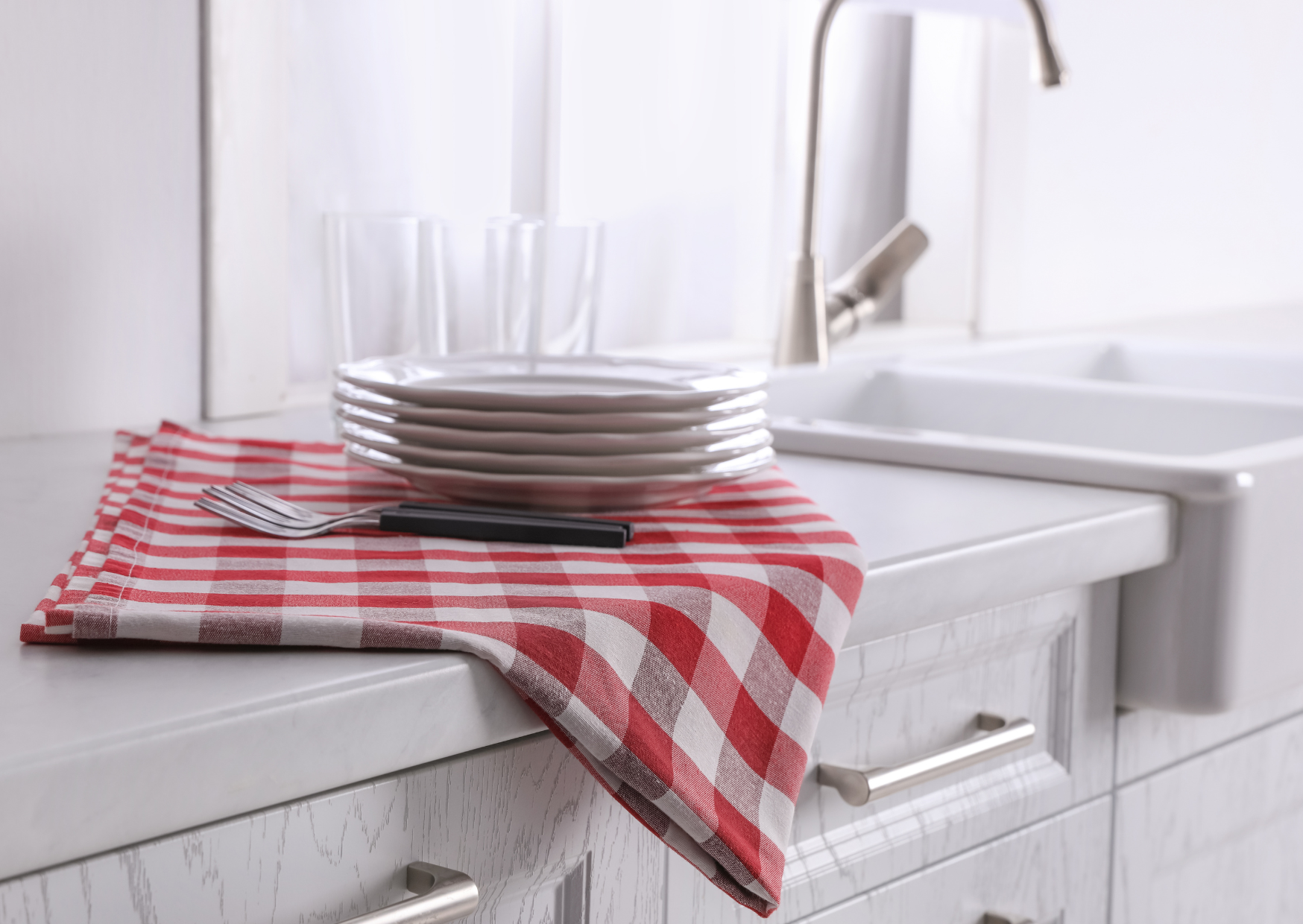
The Italian kitchen towel situation can feel intense if you grew up with one heroic towel doing the work of an entire cleaning department.
In many American homes, one towel dries hands, wipes a spill, handles a pan, dries dishes, cleans a counter, then hangs there damply like nothing happened.
Italian households are often stricter.
One cloth for hands. One for dishes. One for counters. One sponge for dishes. Another sponge or cloth for surfaces. Paper towel or a specific cloth for messes that should not be spread around pretending to be cleaned.
The point is not cross-training the germs.
This is one of those small standards that looks excessive until you think about what the cloth has touched. If a towel dries hands after raw food handling, then dries a glass, then wipes the counter, the kitchen has not been cleaned. It has been redistributed.
The Ministry of Health’s food-safety guidance specifically mentions using different cloths for drying hands and dishes, and different sponges for cleaning work surfaces and washing dishes. That advice sounds like common sense. It is not common enough.
The Italian household version is usually less official and more automatic.
The dish towel near the dishes is not for the floor.
The counter sponge is not for the plates.
The bathroom cloth does not wander into the kitchen.
A damp towel is not a permanent resident.
This also explains why laundry feels more integrated into hygiene. Kitchen cloths get changed. Napkins get washed. Tablecloths are not allowed to become long-term crumb habitats. A household may not be sterile, but the objects that touch food are expected to cycle through cleaning.
Americans often buy disinfecting sprays and then let the towel undermine the whole operation.
The Italian habit is cheaper.
Use the right cloth. Change it often. Stop pretending one damp square of fabric can be trusted with every job in the room.
4. The Refrigerator Is Managed Like A Hygiene Tool, Not Just Storage
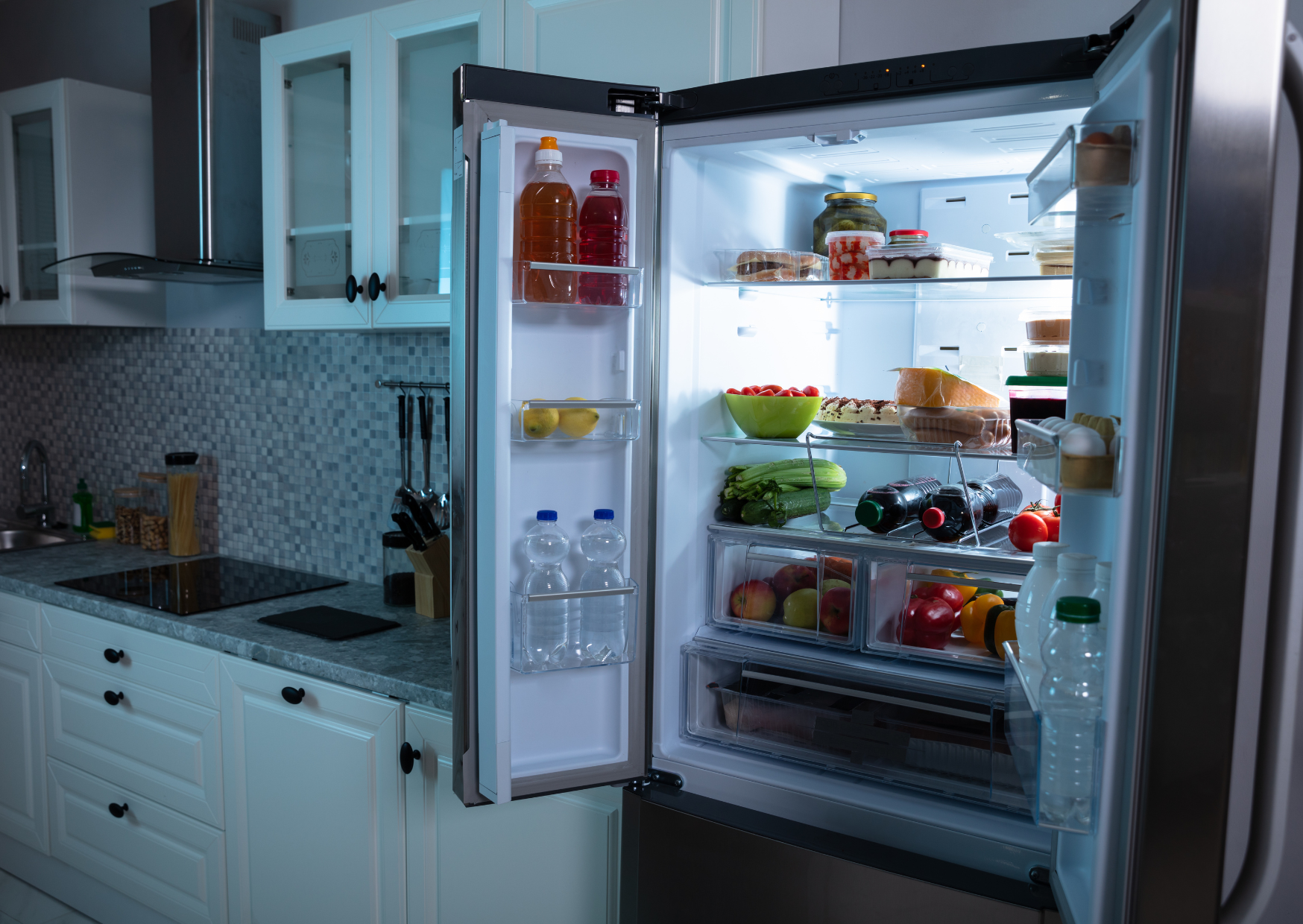
An Italian refrigerator is often smaller than the American version.
That can be annoying.
It is also useful.
A smaller fridge forces food to be seen, used, covered, and rotated. It makes it harder to buy three weeks of aspiration and let half of it age quietly behind a tub of something nobody remembers opening.
The hygiene standard here is visibility plus turnover.
Leftovers are covered. Opened food is used. Old food is noticed. Raw food is contained. Ready-to-eat foods have their place. The refrigerator is not packed so tightly that cold air cannot circulate properly.
Italian food-safety guidance and public-health advice regularly point back to simple basics: keep foods at safe temperatures, separate raw and cooked items, wash fruit and vegetables that will be eaten raw, and clean the refrigerator and food-contact surfaces regularly.
This is less about perfection than rhythm.
A refrigerator that is too full becomes dirty faster because food spills, wrappers leak, drawers get ignored, and leftovers become unidentified. A readable fridge is easier to clean and safer to cook from.
Many Italian households also use leftovers more directly. Cooked greens become frittata. Beans become soup. Bread becomes crumbs, toast, pappa al pomodoro, or ribollita. Pasta becomes a baked dish or frittata di pasta. Food does not sit around waiting for someone to be emotionally ready to eat the same exact plate again.
That is both frugal and hygienic.
Food that moves through the kitchen quickly has less time to become a problem.
American households often make the fridge too big, too full, and too emotionally vague. There is food everywhere, but no clear meal. There are containers, but no priority. There is produce, but some of it is already halfway to compost.
The Italian habit is not just eating leftovers.
It is not letting the fridge lie.
5. Bathroom Hygiene Includes Washing, Not Just Paper
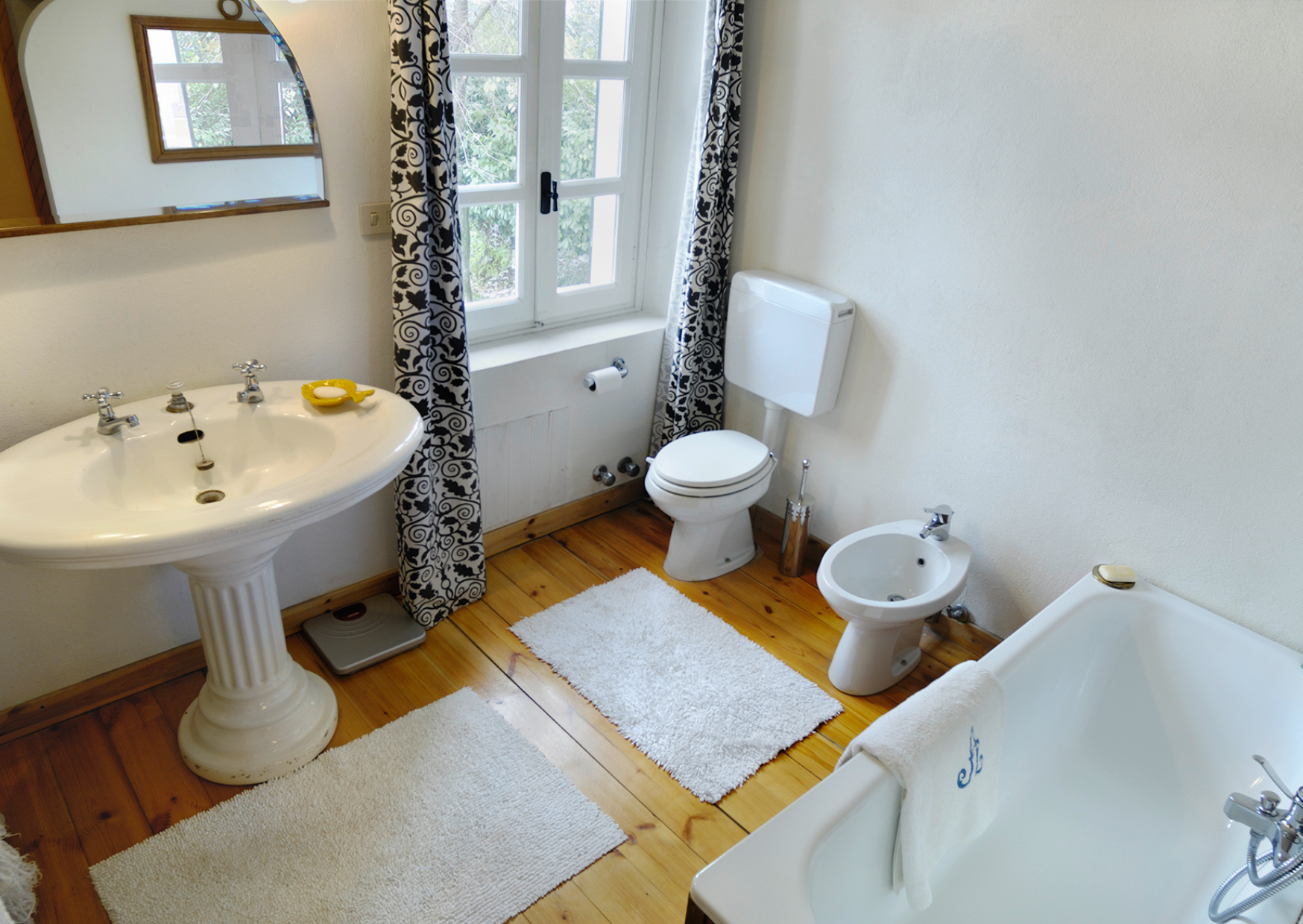
This one makes Americans uncomfortable because the subject is too ordinary to discuss and too important to ignore.
Italian bathrooms usually have a bidet.
Not as a luxury. Not as a hotel novelty. As normal plumbing.
That changes the hygiene standard inside the home. The bathroom is not built around the idea that toilet paper alone is the final answer to everything. Washing is available, expected, and ordinary. A person can clean properly after using the toilet, during menstruation, after sex, during hot weather, after exercise, or whenever the body needs actual water.
The standard is water as part of daily hygiene.
Americans who did not grow up with bidets often treat them as comic or mysterious. Then they use one for two weeks in Italy and realize the joke was mostly on the country that decided dry paper was enough.
This does not mean every Italian household has perfect bathroom habits. Of course not. Human beings remain human beings, and bathrooms remain bathrooms. But the infrastructure supports a higher baseline.
The bidet also affects laundry and comfort. Cleaner bodies mean underwear, towels, and bedding are not asked to absorb as much. Daily washing becomes easier. Children learn a different idea of clean. Older adults have an easier tool for maintaining dignity, especially when mobility, digestion, medications, or health issues change.
For Americans over 50, this becomes less funny and more practical.
Aging bodies need more useful hygiene, not less. A bidet attachment in the U.S. is one of the cheapest upgrades a household can make. It does not require becoming Italian. It requires admitting that water works.
Toilet paper still has a place.
It just should not be the whole plan.
6. Outside Shoes Are Not Treated Like Bedroom Objects
Italy is not Japan.
It is not accurate to say every Italian household removes shoes at the door. Many do not, especially when hosting guests. In some Italian homes, asking a visitor to remove shoes can even feel awkward or too intimate unless the relationship is close.
But Italian households still tend to have a strong indoor footwear logic.
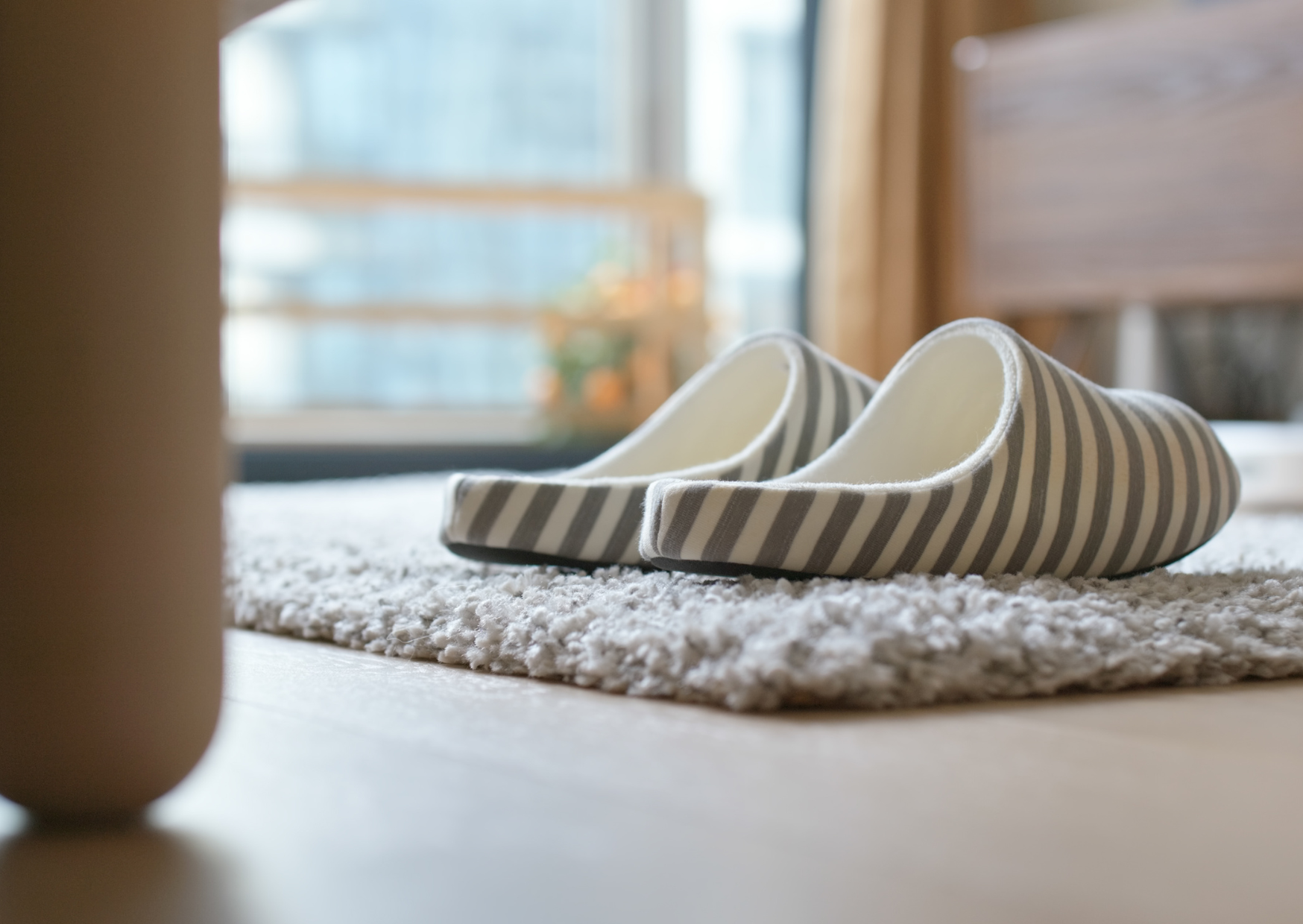
There are ciabatte or pantofole, house slippers. There is a difference between street shoes and what touches the bed, sofa, or private parts of the home. Shoes may come inside, but they do not usually get treated like neutral objects that belong everywhere.
This is the distinction Americans often miss.
The issue is not only whether shoes cross the threshold. The issue is what happens after that.
Do people put street-shoe feet on the bed?
Do children climb onto blankets with outdoor sneakers?
Does someone lie on the sofa with shoes that walked through sidewalks, public bathrooms, train platforms, parking lots, and grocery floors?
In many Italian homes, that would feel disgusting.
The house has zones. Shoes have limits. Beds are protected. Sofas are not extensions of the sidewalk. Slippers exist because the floor is part of the home, but the street is not invited into every soft surface.
This is a realistic standard for Americans to copy because it does not require forcing every guest into socks at the door.
Create a house-shoe habit.
Keep slippers near the entrance.
Do not put outside shoes on beds or sofas.
Do not let luggage wheels sit on clean bedcovers.
Clean entry areas more often than other spaces because that is where the outside comes in first.
The Italian habit is not necessarily shoe removal.
It is respecting the boundary between outside dirt and inside comfort.
7. Beds Are A Clean Zone, Not A Second Couch
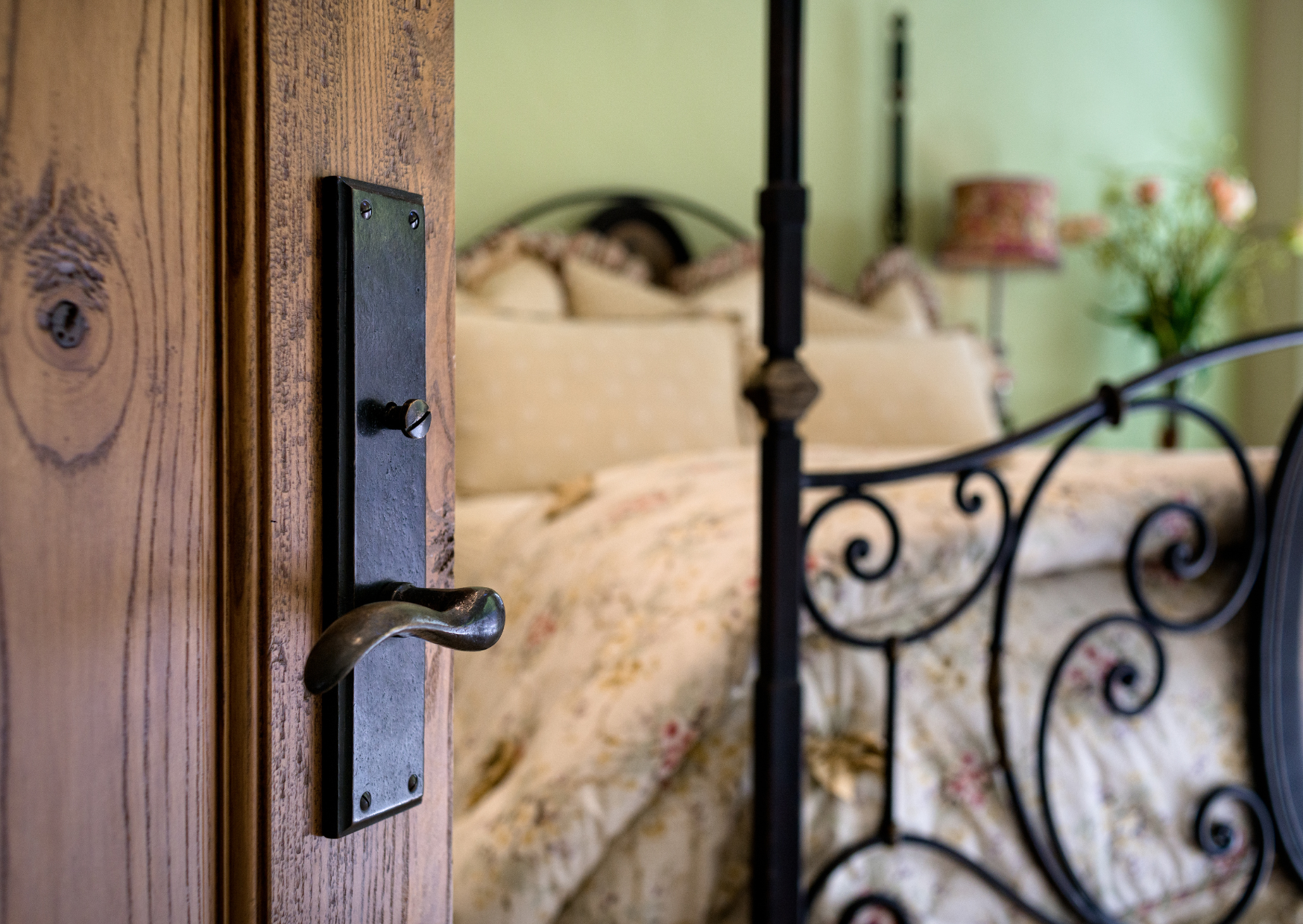
Italian homes often treat the bed with a seriousness that American households sometimes lose.
The bed is not a snack table. It is not where street clothes belong for hours. It is not where luggage opens. It is not where shoes touch. It is not where children eat crackers because someone gave up enforcing anything after 8 p.m.
The bed is a clean zone.
That standard matters more than people admit.
A person spends a large part of life in bed. The face touches the pillow. Skin touches sheets. Hair, sweat, oils, dust, pets, pollen, street residue, and food crumbs all become part of the sleeping environment when boundaries disappear.
Italian households are not all strict in the same way, but the old standard is recognizable: air the room, make the bed, change linens regularly, keep the bedroom separate from kitchen mess, and do not drag the outside world under the covers.
The habit is sleep hygiene before wellness language.
American culture now sells sleep optimization with apps, trackers, supplements, special lighting, weighted blankets, magnesium powders, and mattresses that cost like used cars. But many homes still let the bed become a couch, desk, dining area, laundry sorter, and suitcase stand.
That is backwards.
Start with the obvious.
No shoes on the bed. No luggage on the bed. No eating in bed as a habit. Street clothes do not belong under clean sheets. Pillowcases get changed often enough to matter. Sheets are not treated as seasonal decorations.
A clean bed is not old-fashioned.
It is one of the most basic forms of health maintenance in the home.
The Italian standard works because it is simple. Protect the place where the body recovers.
Do not make the bed clean up the rest of the household’s laziness.
8. The Bathroom Gets Reset Daily Because Guests Are Not The Only People Who Use It
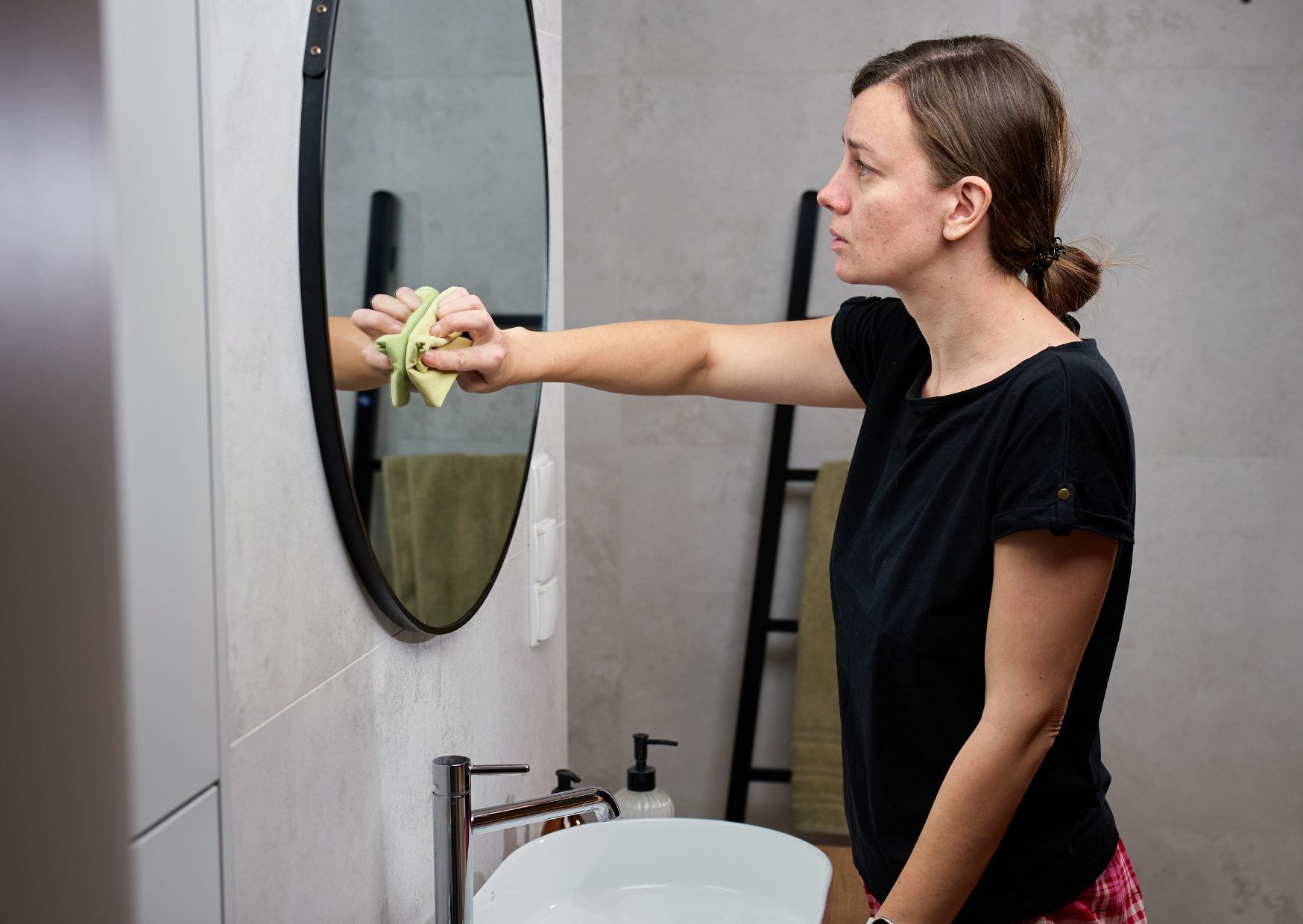
American homes often clean bathrooms as an event.
Italian homes are more likely to treat the bathroom as a room that needs regular resetting because the family uses it constantly.
Sink wiped. Mirror not tragic. Toilet cleaned. Bidet cleaned. Towels changed before they smell like resignation. Floor addressed. Hair removed. Soap available. Toothpaste not fossilized into the basin.
Not deep-cleaned every day.
Reset.
That difference matters.
A bathroom used by multiple people deteriorates quickly because it handles water, skin, hair, teeth, hands, feet, toilet use, cosmetics, shaving, laundry overflow, and humidity. Waiting a week to notice that is not efficient. It is simply allowing the room to become unpleasant.
The standard is daily attention, deeper cleaning later.
This is one of those areas where American homes can look clean from the hallway and fall apart up close. A guest bathroom may sparkle because it is barely used. The real bathroom tells the truth.
Italian households often have less square footage and less tolerance for ignoring the truth. Smaller spaces make mess visible faster. That can be annoying, but it creates discipline.
Towels are a good example.
In a well-run household, towels have owners or purposes. They dry properly. They are changed. They are not left damp in a pile. Shared hand towels are watched, especially during illness. If someone has a stomach bug, the bathroom standard changes because risk changes.
Italy’s public-health advice around infectious illness includes practical measures like regular handwashing, cleaning bathroom fixtures, and making sure people have their own towels when needed. The home version is simpler: do not let the bathroom become a shared damp ecosystem.
A clean bathroom is not a guest performance.
It is family hygiene.
9. The Table Is Reset Because Eating Is Not Supposed To Happen Everywhere
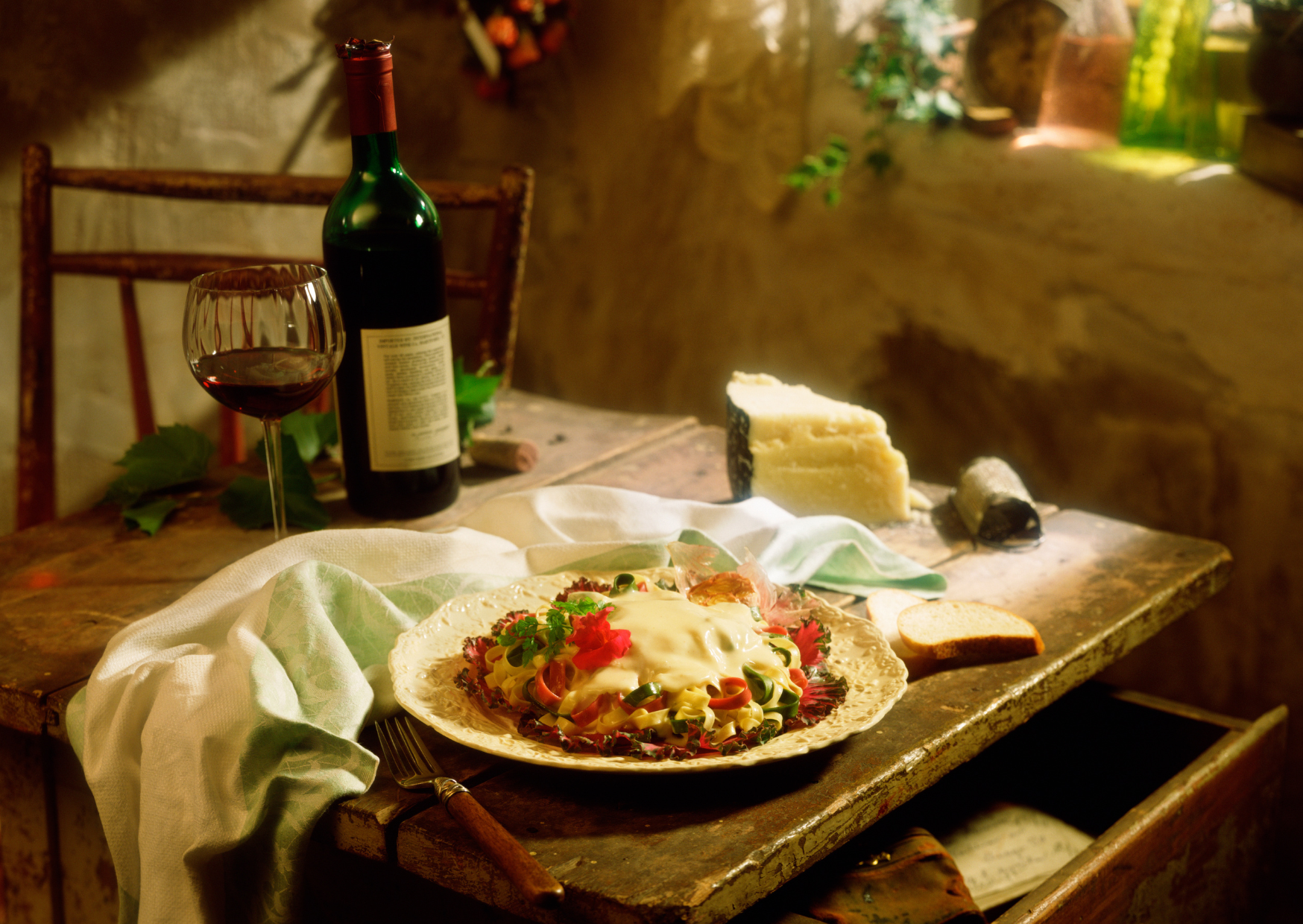
Italian households often protect the table better than American households do.
Not always formally. Not always with tablecloths and ceremony. But the meal has a place. The table is cleared, wiped, set, used, and reset. Crumbs are not allowed to become a decorative layer. Spills are addressed. Eating is not scattered across beds, couches, cars, desks, and random corners of the house as the default.
This matters for hygiene because food fragments travel.
Crumbs bring insects. Sticky drinks collect dust and bacteria. Greasy fingers touch remotes, phones, cushions, blankets, door handles, and keyboards. Snack wrappers migrate. The house slowly becomes one extended eating surface, and then people wonder why cleaning feels endless.
The Italian standard is food belongs where food belongs.
Children learn it early when the household enforces it. Adults relearn it when they stop pretending snacking on the couch is harmless because it is only “a few crackers.” A few crackers become crumbs. Crumbs become floor dirt. Floor dirt becomes pests. Pests become sprays, traps, and bigger cleaning.
The table rule also supports better eating.
A person who sits down to eat notices food more than a person grazing through rooms. Meals become meals. Snacks become visible. The kitchen and dining area can be cleaned because the mess has a defined address.
American households often struggle because convenience has dissolved the meal boundary. Breakfast in the car. Lunch at the desk. Dinner on the couch. Snacks in bedrooms. Drinks everywhere. Food has no home, so cleaning has no finish line.
Italian households are not immune to modern habits.
But the older standard still offers a better baseline: sit down, eat, clear, wipe, reset.
That rhythm keeps the house cleaner and the meal more honest.
The Difference Is Daily Order, Not Moral Superiority
The point is not that Italians are cleaner people.
That would be lazy and false.
Italy has messy homes, chaotic kitchens, teenagers with terrifying rooms, damp bathrooms, overstuffed fridges, questionable sponges, and relatives who should have replaced the dish towel three days ago. No country has solved domestic life.
The useful difference is that many Italian household standards are built around daily order.
Clean the kitchen as part of cooking. Keep raw food away from cooked food. Use towels for specific jobs. Treat the fridge as a live system. Wash the body with water. Keep outside dirt away from beds and soft places. Reset the bathroom. Protect the table. Move food through the house with intention.
None of that requires wealth.
Most of it requires attention before the mess becomes large.
That is where American households often lose. Bigger houses, bigger fridges, more packaged food, more cars, more rooms, more laundry, more takeout, more snacks, more private eating spaces, and more convenience all create more places for hygiene to fail quietly.
The Italian standards work because they are small enough to repeat.
A counter wiped now.
A towel changed today.
A fridge checked before shopping.
A bidet used because it is there.
Shoes kept off the bed.
A table reset after lunch.
A bathroom sink wiped before buildup becomes a project.
This is not perfection.
It is maintenance.
And maintenance is usually what separates a home that feels clean from a home that only looks clean after someone panics on Saturday morning.

About the Author: Ruben, co-founder of Gamintraveler.com since 2014, is a seasoned traveler from Spain who has explored over 100 countries since 2009. Known for his extensive travel adventures across South America, Europe, the US, Australia, New Zealand, Asia, and Africa, Ruben combines his passion for adventurous yet sustainable living with his love for cycling, highlighted by his remarkable 5-month bicycle journey from Spain to Norway. He currently resides in Spain, where he continues sharing his travel experiences with his partner, Rachel, and their son, Han.