
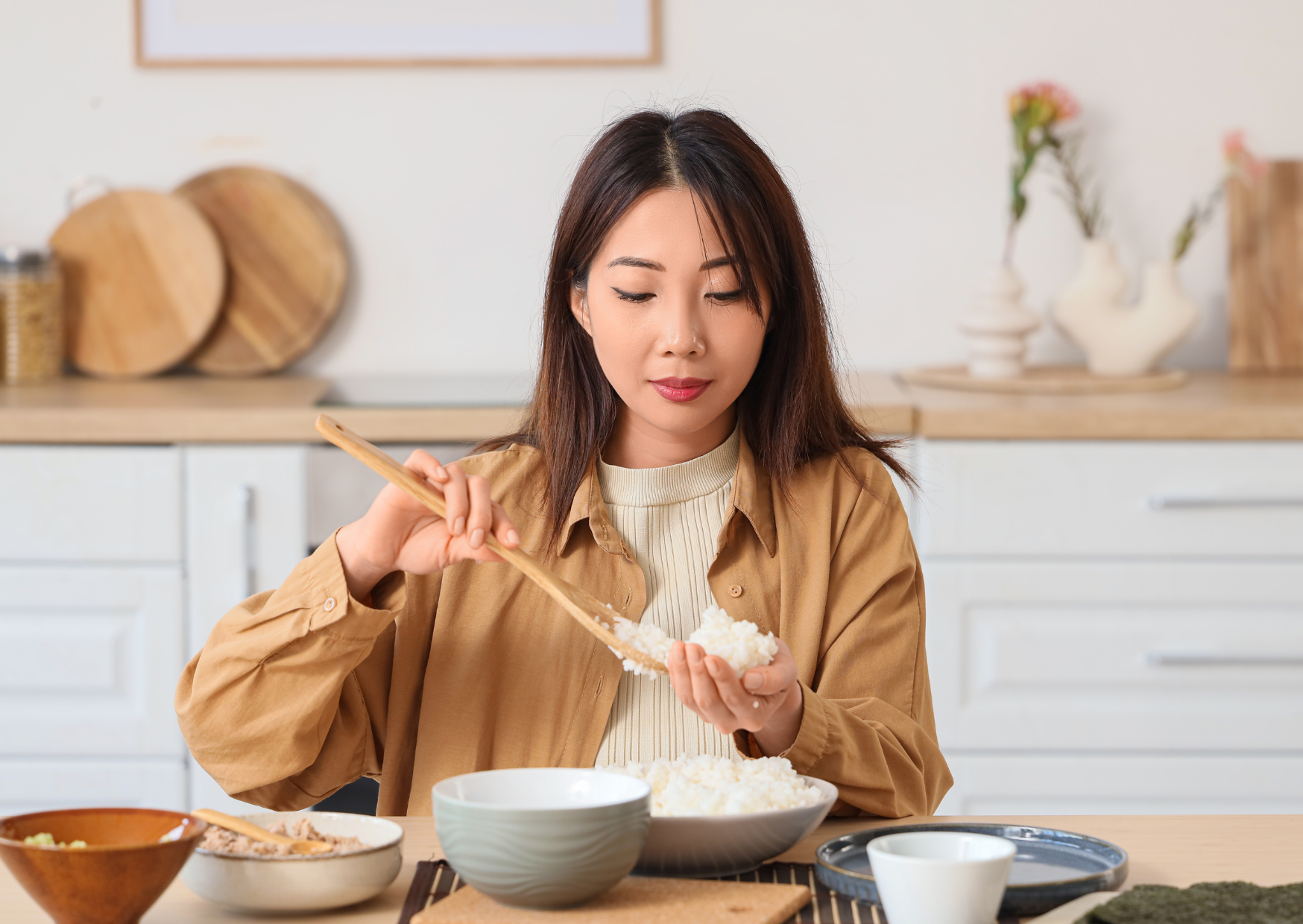
Rice is the punchline Americans use when they’re confused.
“How are they eating rice every day and staying lean?”
It’s always said like rice is a crime scene and Japan is getting away with it.
The problem is the question is backwards. Japan isn’t lean because of rice. Japan is lean because rice is doing a very specific job in a very specific system.
In a lot of American eating, carbs show up as:
- a snack
- a side that turns into the main
- a delivery vehicle for fat and sugar
- a huge portion with a drink and a dessert attached
In Japan, rice is more often:
- a measured anchor
- part of a structured meal
- paired with protein and vegetables
- eaten without the constant extra stacking
So yes, there’s rice. Every day. Often every meal.
But the way it’s used is completely different than how Americans usually eat carbs.
And if you copy the rice without copying the structure, you will not get the “Japanese outcome.” You’ll just get a bigger version of your current diet with rice added on top like a hat.
Rice isn’t the magic. The portion is the magic.
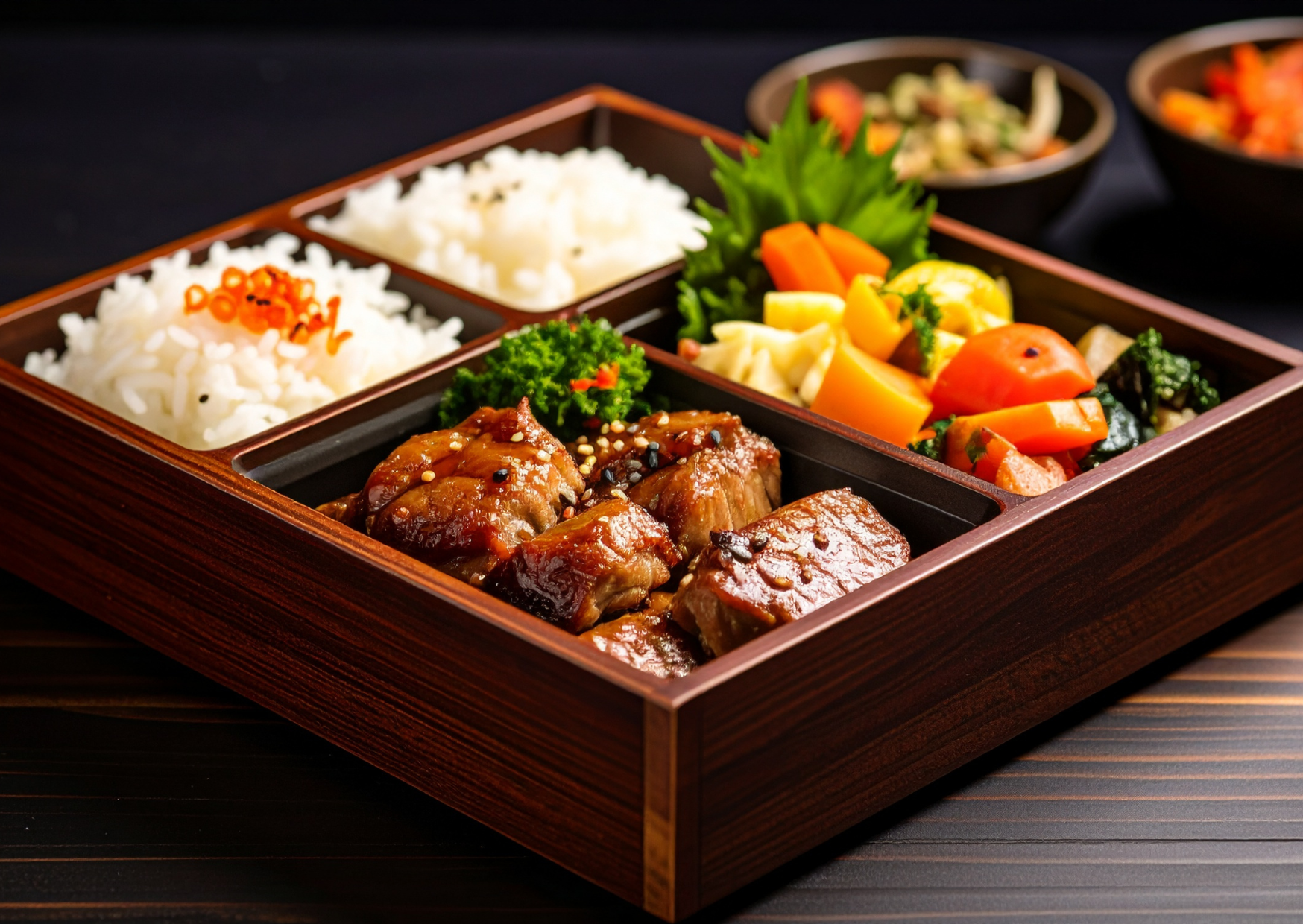
If you only take one idea from this, take this: rice in Japan is usually not a mountain.
It’s a bowl. A consistent bowl. A bowl that acts like a metronome for the meal.
Americans are used to rice as a base layer you pile things on, or a side that arrives in a quantity that could feed a small family. Japan treats rice as a steady unit. It’s not a challenge. It’s not “unlimited.” It’s not a value demonstration.
There’s research specifically looking at how rice portion size influences intake and fullness in Japanese participants. The boring takeaway is the one that matters: when the rice portion is bigger, people eat more. When it’s smaller, intake changes. That sounds obvious, but it’s the entire mechanism.
A lot of “Japan stays lean” is simply less total energy intake without constant fighting.
Rice helps because it’s satisfying and predictable, but it only works as an anchor if it stays anchored.
Copy the bowl, not the buffet.
The Japanese meal pattern is built to prevent stacking
Americans often eat like this:
- large main
- large side
- bread or chips “while waiting”
- sweet drink
- dessert
- then snacks later
Japan more often eats like this:
- rice
- soup
- protein
- vegetables
- pickles
- tea or water
It’s not always perfect. Japan has convenience foods and sweets too. But the default meal pattern has built-in brakes.
Soup matters more than people think. A bowl of soup slows you down and adds volume without adding a lot of calories. Vegetables and pickles add texture and satisfaction. Protein shows up in portions that look modest to Americans but are consistent across days.
This is why rice doesn’t explode the diet.
Rice shows up inside a meal that already has:
- volume from soup and vegetables
- satiety from protein
- flavor from fermented and salty sides
- a natural stopping point
In the US, people often add rice to meals that already contain a lot of energy density. Rice becomes another layer in an already stacked meal.
In Japan, rice is more likely to be the stable base that keeps the meal coherent.
The meal is balanced before the rice even arrives.
“Rice every meal” does not mean “white rice is harmless”
This is where the internet gets dishonest.
Some epidemiological studies in Japan have found that higher white rice intake is associated with higher risk of type 2 diabetes in certain groups, notably women, depending on the study and context. That does not mean rice is poison. It means dose and overall diet matter, and white rice is still a refined carbohydrate.
So if you’re looking for a clean story like “Japanese people eat rice, therefore rice is a health food,” you’re going to mislead yourself.
The real story is:
- rice can be part of a healthy pattern
- it can also contribute to metabolic risk if it’s high मात्रा and paired with the wrong pattern
- and the protective factors around it matter a lot
The Japanese outcome is not “rice makes you lean.” It’s “rice fits into a system that keeps total intake reasonable and keeps ultra-processed snacking lower.”
You can absolutely eat rice daily and gain weight. Millions of people do.
Japan’s advantage is not supernatural metabolism. It’s pattern.
Rice is neutral. Your surrounding pattern is not.
The ultra-processed food gap is doing more work than rice ever will
If you want a blunt explanation for why Americans struggle with weight compared to many other countries, this is it: ultra-processed foods dominate the American calorie supply.
Japan has ultra-processed foods too. Convenience stores are basically a cultural institution. But research in Japan has documented that higher ultra-processed intake is linked to lower overall diet quality, and the general dietary pattern still has more “meal foods” and fewer “all-day grazing foods” than the US.
The US has a constant availability of:
- sweet drinks
- packaged snacks
- desserts as a daily norm
- giant portions marketed as value
- eating in the car, at the desk, in the couch
Japan has snacks. But the default daily eating can still be more meal-based and less continuous.
And this matters because ultra-processed foods are engineered to keep you eating. They are easy to overconsume and hard to stop.
Rice is not engineered to do that in the same way. Rice is boring. Rice is filling. Rice is consistent.
So when Americans fixate on rice, they’re missing the bigger lever: Japan’s calorie intake is less dominated by ultra-processed products than the US.
If you replace a bag of snack food with a bowl of rice plus soup plus fish, your body will probably behave better.
Not because rice is magic, but because your diet stopped being a snack stream.
Stop arguing about rice. Start arguing about what replaced the snacks.
Movement is woven into daily life, even when people don’t call it exercise
Another reason Americans misread Japan is they assume “lean” equals “gym culture.”
Japan’s daily movement is often more integrated:
- walking to transit
- walking through stations
- stairs
- errands done on foot
- more standing and small movement
That daily movement adds up. It’s not heroic exercise. It’s background calories.
If your day includes 6,000 to 10,000 steps without thinking, you can eat more and maintain weight more easily than someone whose day is car to chair to couch.
It’s also worth knowing that “insufficient physical activity” metrics can be counterintuitive depending on definitions and self-reporting, but daily movement patterns still matter.
The point is not “Japanese people exercise more.” The point is “their environment often forces movement in small, consistent doses.”
Americans tend to treat movement as a separate project. That makes it easier to skip.
Japan tends to treat movement as transportation. That makes it harder to avoid.
NEAT beats motivation. Background movement is one of the quiet reasons rice fits without chaos.
The beverage and dessert culture is less aggressive by default
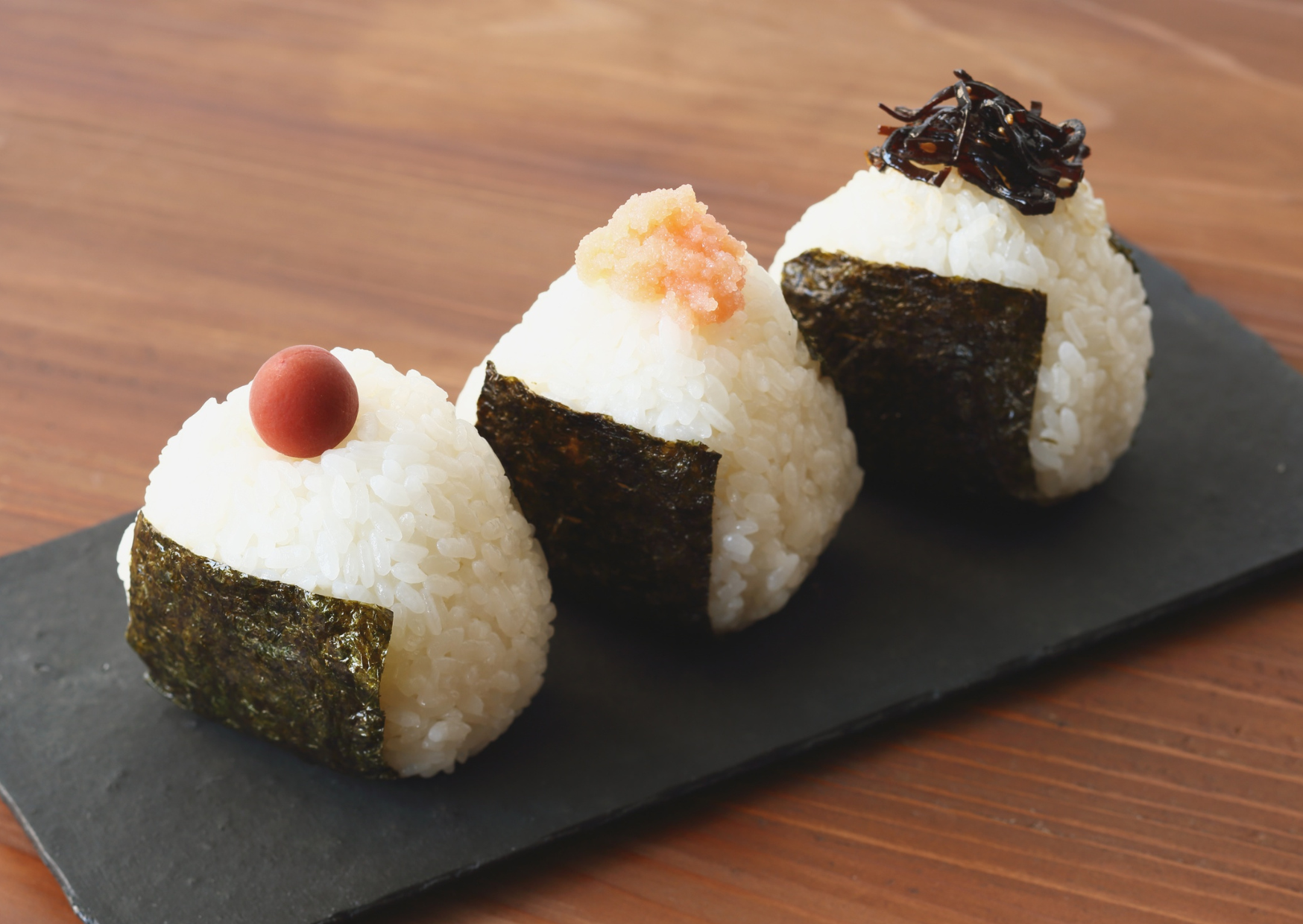
This is the other hidden lever.
Americans drink calories constantly. Not everyone, but the default options are everywhere:
- large sodas
- sweetened coffees
- sports drinks
- juices that are basically soda in polite clothing
Japan has sweet drinks too, but the default beverage with meals is often:
- tea
- water
- soup
- sometimes alcohol, but not necessarily in huge volumes daily
And dessert is less structurally mandatory.
American dining culture often ends with “something sweet” as a default. In Japan, sweets exist, and they can be extremely good, but they’re not always baked into every meal.
If you remove liquid calories and routine desserts, you can keep rice and still stay lean.
This is why Americans who copy “Japanese rice bowls” but keep sweet drinks and snacks don’t see the outcome they expected. They kept the most calorie-dense parts of their diet and added rice.
Rice is not the issue. The extras are the issue.
What “eating rice like a Japanese person” looks like in practice
If you want to copy the useful parts without cosplaying, use this as your mental model.
The bowl rule
Pick a consistent rice bowl size and stick to it. The point is that rice is a unit.
The soup rule
If you want to feel full, add soup. Not bread. Not chips. Soup.
The protein rule
Protein shows up in a modest portion but it shows up reliably.
Eggs, tofu, fish, chicken, lean pork, legumes. Consistency matters more than perfection.
The vegetable rule
Vegetables are not a side salad that tastes like punishment. They’re part of the meal, cooked or pickled or seasoned.
The snack rule
Snacks exist, but meals are meals. The meal structure does the heavy lifting so you don’t need to graze all day.
The drink rule
Default beverage is not sugar. Tea and water do a lot of silent work.
If you do these six things, rice becomes a tool. If you do none of these things, rice becomes a calorie add-on.
Use rice as structure, not as comfort chaos.
The American traps that break the “Japan rice” fantasy
Here’s what usually happens when Americans try to “eat like Japan” for a week.
Trap 1: Rice plus a Western meal
Rice becomes another starch on top of bread, fries, pasta, dessert. That’s not Japanese. That’s stacking.
Trap 2: Giant rice bowls
The bowl becomes a plate. The plate becomes a serving tray. Now you’re eating a lot of refined carbs and wondering why you’re hungry again later.
Trap 3: No vegetables, no soup
People do a rice bowl with chicken and sauce and maybe a sad cucumber slice. Then they feel unsatisfied and snack later. The Japanese structure got removed.
Trap 4: Sauces turn it into sugar-fat energy density
Japanese food has sauce, yes. But Americans often recreate “Japanese” food with heavy sweet sauces and mayonnaise-based drizzles, then wonder why it’s not lean.
Trap 5: They ignore daily movement
Japan’s pattern includes movement. If you copy the food but keep a fully sedentary day, the math changes.
None of these traps make you a bad person. They just mean you copied the aesthetic, not the system.
Aesthetic doesn’t change biology. Structure does.
A realistic 7-day start that does not require a personality transplant
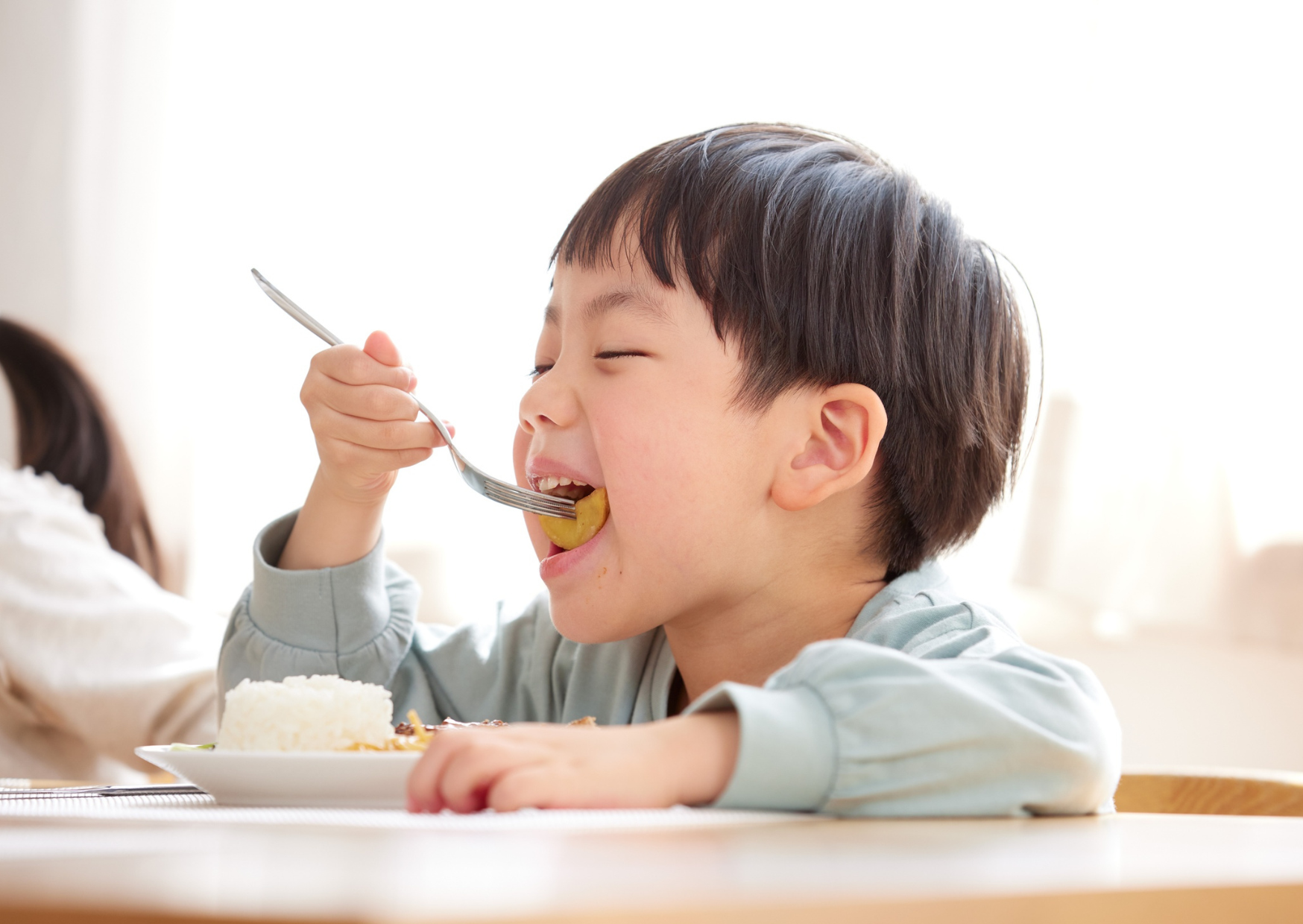
If you want to test this in real life, do it for one week with rules you can actually follow.
Day 1: Pick your rice bowl
Measure one serving once, then use the bowl as your guide.
Day 2: Add soup daily
Miso soup if you want the classic, but any broth-based soup works.
Day 3: Build one “set meal” dinner
Rice, soup, protein, vegetable. Nothing fancy. Just a complete structure.
Day 4: Replace one snack with a meal component
Instead of a snack, have:
- fruit
- yogurt
- a small portion of nuts
- or a small leftover plate from dinner
You’re trying to end grazing, not punish yourself.
Day 5: Remove liquid calories on weekdays
Tea, water, coffee without sugar bombs. Keep it simple.
Day 6: Walk after one meal
Ten minutes. Not a workout. Just a signal.
Day 7: Repeat the easiest day
The goal is to build a repeatable structure, not prove discipline.
If you do this for a week, you’ll feel the main benefit fast: meals feel more satisfying, cravings get quieter, and you stop chasing “more” all night.
That’s the Japan advantage. Not rice. The calm that comes from a meal that actually closes.
The honest takeaway
Japanese people don’t stay lean because rice has magical properties.
They stay lean because rice is used as a measured anchor inside a meal structure that:
- reduces stacking
- reduces ultra-processed grazing
- defaults to low-calorie drinks
- includes soup and vegetables
- and often pairs with more daily movement
Rice is not the trick. The system is the trick.
If you want the outcome, copy the system:
one bowl, one soup, one protein, one vegetable, and fewer “extras” that sneak calories in all day.
Then rice stops being scary. It becomes what it was always meant to be: the boring base that makes the rest of the meal work.

About the Author: Ruben, co-founder of Gamintraveler.com since 2014, is a seasoned traveler from Spain who has explored over 100 countries since 2009. Known for his extensive travel adventures across South America, Europe, the US, Australia, New Zealand, Asia, and Africa, Ruben combines his passion for adventurous yet sustainable living with his love for cycling, highlighted by his remarkable 5-month bicycle journey from Spain to Norway. He currently resides in Spain, where he continues sharing his travel experiences with his partner, Rachel, and their son, Han.