
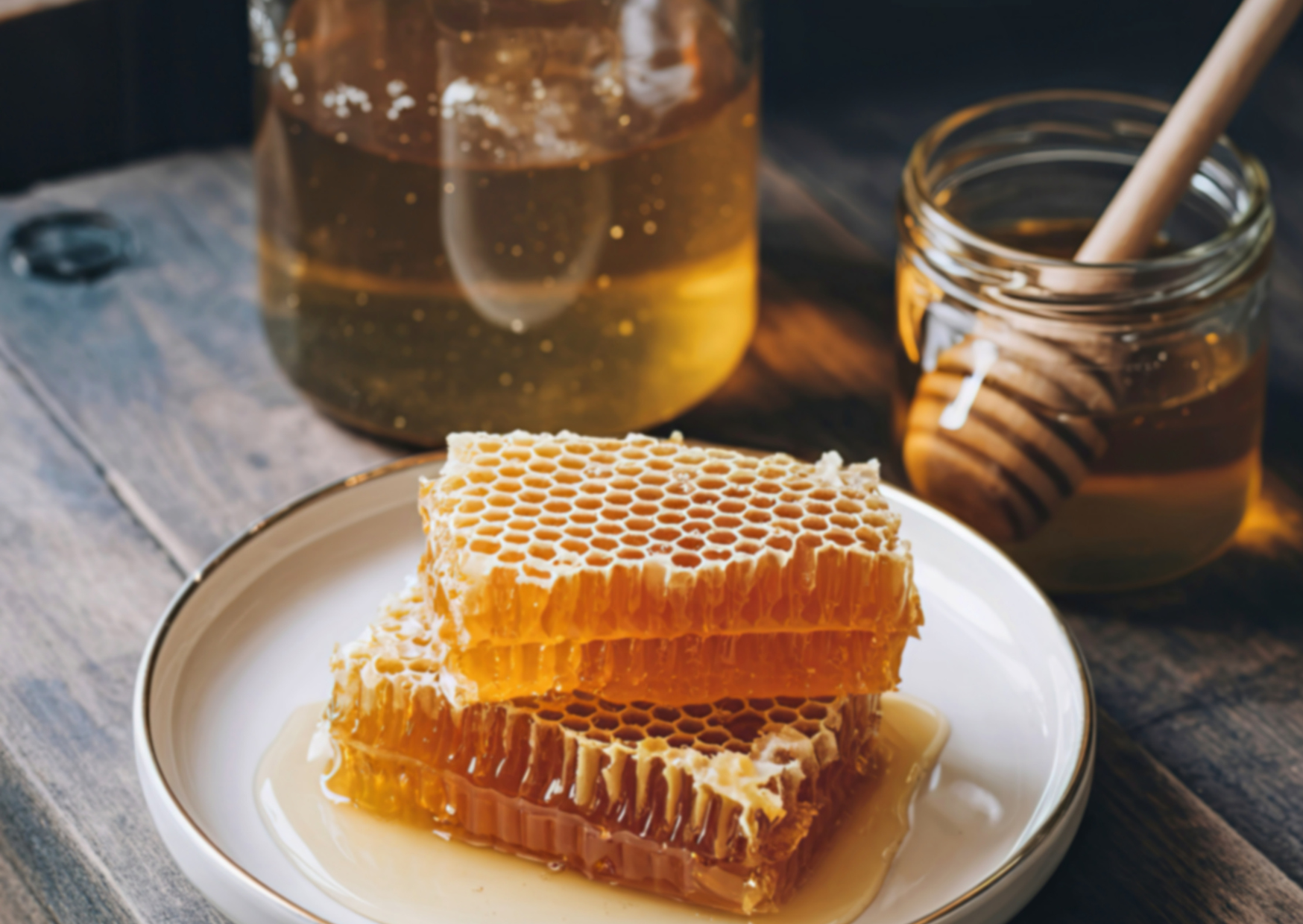
The useful version of this story is not that every American bottle is fake and every European jar came from a saintly hillside. It is that Europe still treats honey more like a real agricultural product, while the U.S. market often teaches shoppers to treat it like one more squeezable sweetener with a bee on the label.
A lot of Americans buy honey the way they buy ketchup.
Grab the bottle.
Squeeze it into the cart.
Move on.
That habit makes sense in a market full of inverted plastic bears, pantry bottles, “raw” claims, and a lot of sweet brown liquid that all appears to be doing the same job. But honey is not one flat category. It has origin, floral source, texture, processing differences, and a fraud problem serious enough that both U.S. and EU authorities keep testing for adulteration with added sweeteners.
The American shelf is not pure nonsense.
Current Walmart and Costco listings show that plenty of mainstream U.S. honey is still sold as a one-ingredient product. Great Value Raw Honey currently lists Raw Honey as the ingredient and says no added ingredients or preservatives. Costco’s Kirkland Organic Raw Honey is sold as raw organic honey, 100% Grade A, and product of Brazil. So no, this is not a serious article if it pretends every U.S. supermarket bottle is secretly a corn syrup bottle in disguise.
The problem is narrower and more important.
The market has made room for enough adulterated imports, vague origin habits, and generic bottle behavior that a lot of Americans no longer know what real honey is supposed to look like, taste like, or do in a kitchen. The FDA’s latest sampling of imported honey found 3 of 107 samples violative in 2022 to 2023, after an earlier 2021 to 2022 assignment found 10% of samples adulterated. The EU’s targeted “From the Hives” action found 46% of sampled honey shipments suspicious for adulteration. That does not mean most supermarket honey is fake. It does mean the market is noisy enough that shoppers should stop buying on autopilot.
Real Honey Is Supposed To Be Just Honey
This is the cleanest starting point.
In the EU, honey is tightly defined as a natural substance produced by bees, and the rules are explicit that no food ingredient may be added, including sugar, food additives, or flavorings. The European Commission’s fraud guidance repeats that plainly, and the underlying Honey Directive says honey consists essentially of sugars like fructose and glucose plus natural compounds from honey collection.
That matters because it keeps the category intellectually simple.
Honey is not supposed to be honey plus helpful extras. It is not supposed to be honey plus a cheap syrup. It is not supposed to be honey plus flavoring. If something else has been added, the product should not be sold as honey in the EU at all. That is a much firmer consumer expectation than many Americans realize.
The U.S. also knows what pure honey is supposed to be.
FDA guidance says that if a food contains only honey, the food may simply be named honey, and because it is a single-ingredient food, it does not need a separate ingredient statement. The same FDA guidance exists partly to help ensure honey is not adulterated or misbranded. So the legal logic is not wildly different in spirit. The real issue is market discipline and consumer habits, not an official American definition that celebrates syrup.
That is why the most honest sentence in this whole article is also the shortest:
Real honey is just honey.
Europe Is Getting Much Stricter About Origin On The Label
This is one of the biggest practical differences now.
The revised EU Honey Directive came into force in June 2024, and from 2026 honey blends in the EU will have to show the countries of origin on the label in descending order, together with the percentage share of each origin, subject to limited flexibility for blends with many countries. The Commission also says the revised rules are meant to improve traceability, authenticity controls, and adulteration detection.
That is a very European move.
Not glamorous.
Very useful.
It means the shelf is being pushed toward more specific truth, not less. A shopper looking at a blend will increasingly be told where the honey came from and in what proportions, instead of being left with broad language that feels informative while saying very little.
The current shelf already shows the difference in attitude.
At Carrefour France, Terre de Miel’s creamy all-flower honey is sold with ingredients listed as miel 100% pur et naturel. At Carrefour Spain, Mel Da Anta’s mountain-flower honey is labeled Miel 100% española multifloral and legally described as raw mountain flower honey. These are not mystical boutique products hidden in a monastery. They are ordinary retail examples of a market that still likes to talk about honey in terms of purity, place, and type.
The U.S. shelf can absolutely offer that too.
Great Value’s current raw honey says Product of U.S.A. and Kirkland’s organic raw honey says Product of Brazil. But the broader retail culture still pushes shoppers toward bottle shape, convenience, and “raw” marketing language more than toward the kind of country-by-country traceability Europe is now making normal.
Real Honey Is Allowed To Crystallize And Look Slightly Inconvenient
This is one of the fastest ways to tell whether a market has trained people to think like beekeepers or like condiment shoppers.
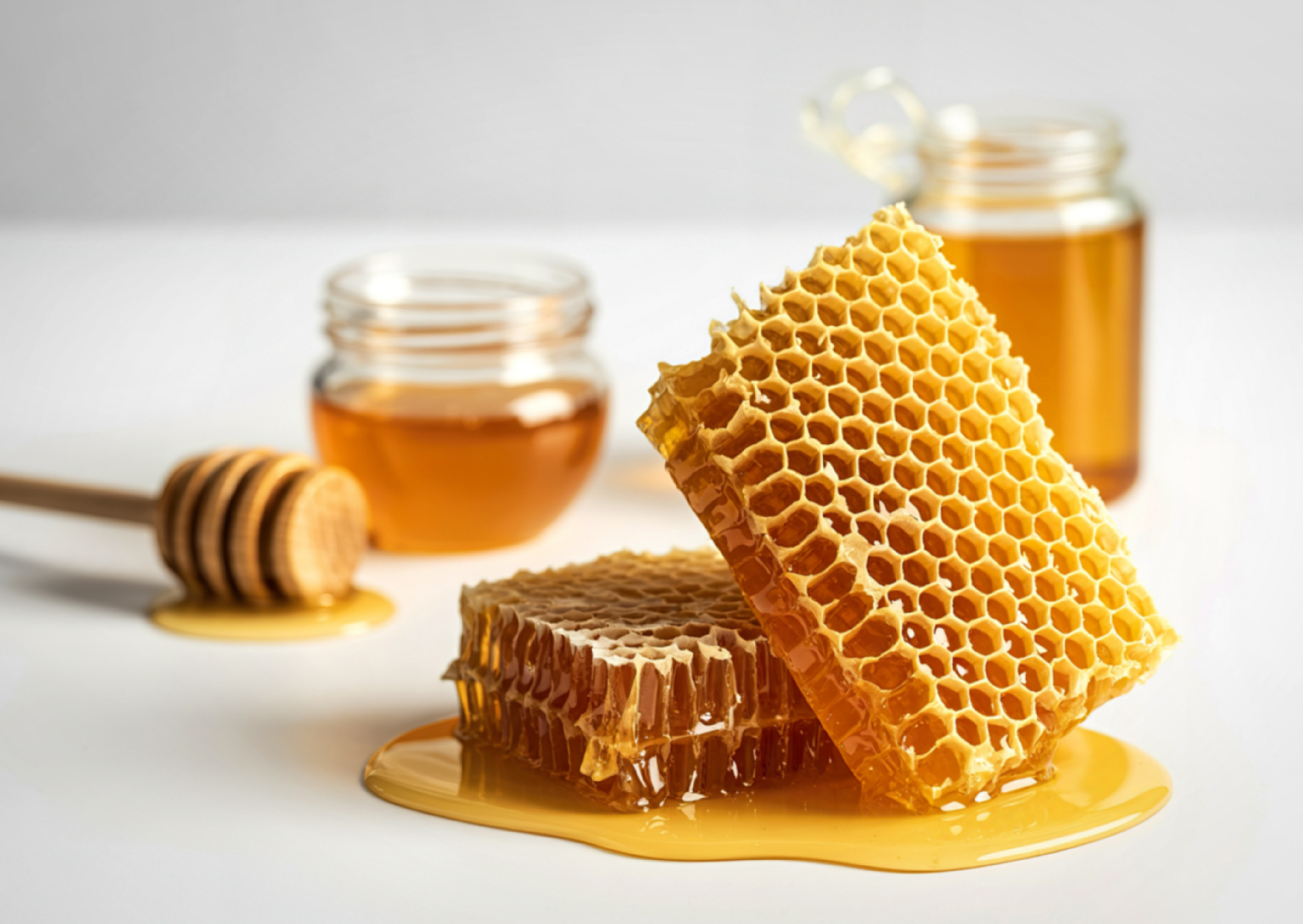
The EU honey rules explicitly say honey can be fluid, viscous, or partly to entirely crystallised. That is not spoilage. That is normal. Honey also varies naturally in color from nearly colorless to dark brown, depending on floral and geographic origin.
A lot of Americans still treat crystallization as a warning sign.
They want honey to stay clear, loose, and easy to squeeze forever. That preference helps explain the dominance of inverted bottles and bear jars. Great Value’s current raw honey is sold in an inverted plastic bottle and explicitly described as filtered. Costco’s Kirkland organic raw honey still comes in three plastic bear jars. Those formats are not bad. They just teach shoppers to think of honey as pourable sweetness first.
The European shelf is often less anxious about texture.
Carrefour France is currently selling a creamy all-flower honey in a glass pot, and Carrefour Spain is selling a raw mountain honey in a standard jar. The product pages tell shoppers what the honey is, not only how neatly it will stream onto toast. That is a small cultural clue, but it matters. A jar that can crystallize, thicken, or go creamy still reads as normal honey in Europe. In the U.S., those same behaviors often trigger suspicion or the urge to microwave the bottle back into submission.
That is part of what “European honey looks like” in real life.
Jarred, often glass-packed, sometimes creamy, often more specific about floral type or origin, and less obsessed with acting like a permanent syrup.
The Recipe That Shows What Good Honey Is Actually For
A lot of Americans use honey like a rescue sweetener.
Tea is bitter.
Oatmeal is dull.
Yogurt needs help.
Squeeze some honey over it and move on.
That is not wrong.
It just undersells the product.
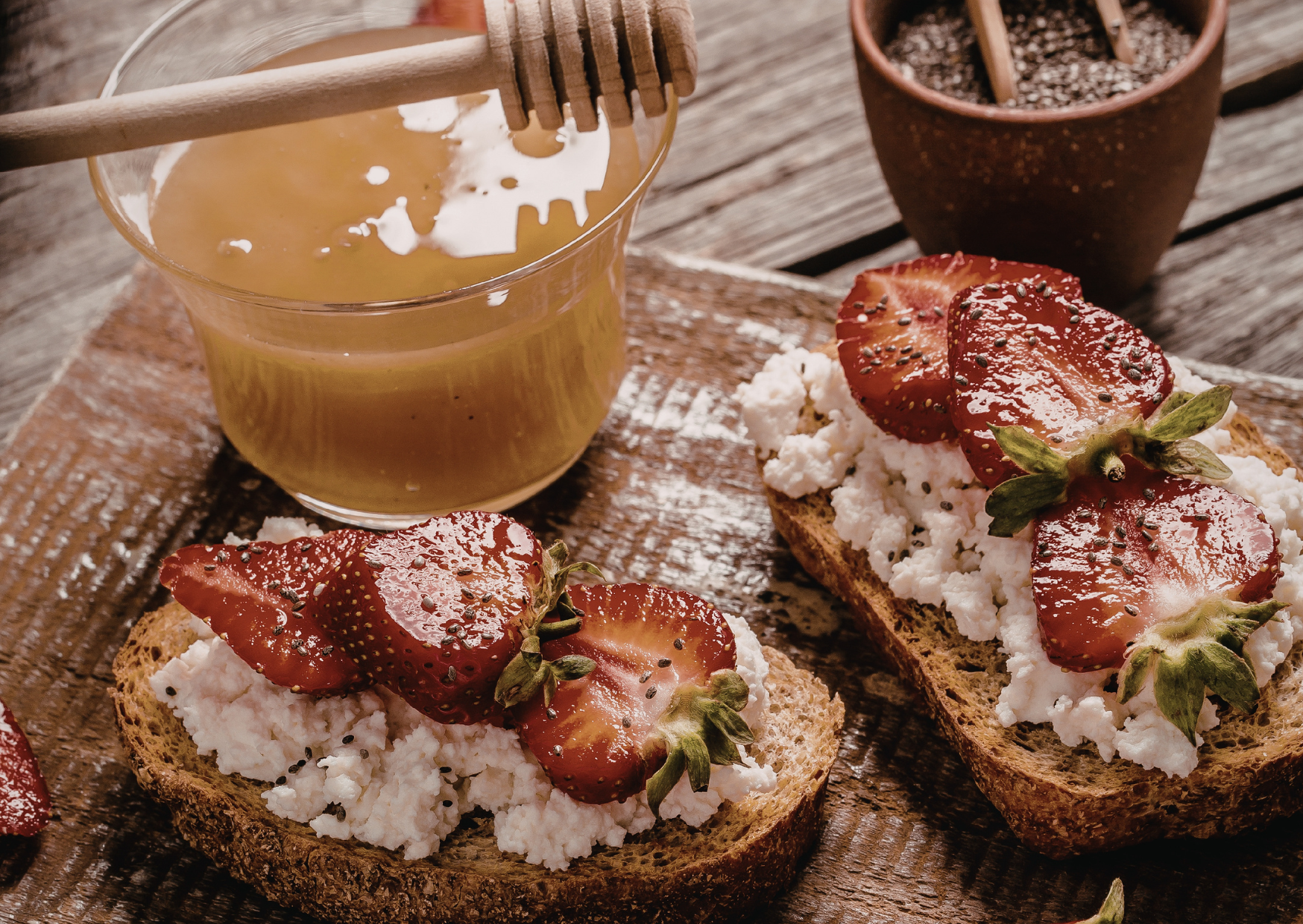
Good honey does its best work when the rest of the plate gives it something to push against: salt, fat, acidity, or crunch. The easiest European-style use is toast with goat cheese, walnuts, and honey, because the honey finally gets to behave like an ingredient instead of a sticky afterthought.
honey
Ingredients for 2
- 4 slices rustic bread
- about 120g goat cheese log
- 2 tablespoons good honey
- a small handful of walnuts, roughly 30g
- black pepper or thyme if you want it
Method
Toast the bread well.
Spread or crumble the goat cheese over the warm slices.
Drizzle with the honey.
Scatter over the walnuts.
Finish with a little black pepper or thyme if you like.
That is the whole dish.
It works because the honey is carrying floral sweetness, the cheese gives salt and tang, and the walnuts give fat and bitterness. A dead supermarket syrup would still make it sweet. A real honey makes the toast taste specific.
What It Costs In Spain
The math is straightforward.
At Carrefour Spain, a rustic loaf is around €0.69, a Carrefour goat cheese log is around €3.38 for 200g, shelled walnuts are around €5.30 for 400g, and Carrefour’s flower honey is around €4.89 per kilo. So a two-person plate using about 120g cheese, 30g walnuts, and 40g honey lands at roughly €3.30 total, depending on the bread cut and how generous the drizzle gets. That is about €1.65 per person for something that tastes much more intentional than “honey on toast.”
That is also why Europe still treats honey like pantry value, not only luxury. Even a more characterful raw Spanish honey is not unreachable. The cost jump is there, but it is still normal food money, not collector money.
What European Honey Actually Looks Like On The Shelf
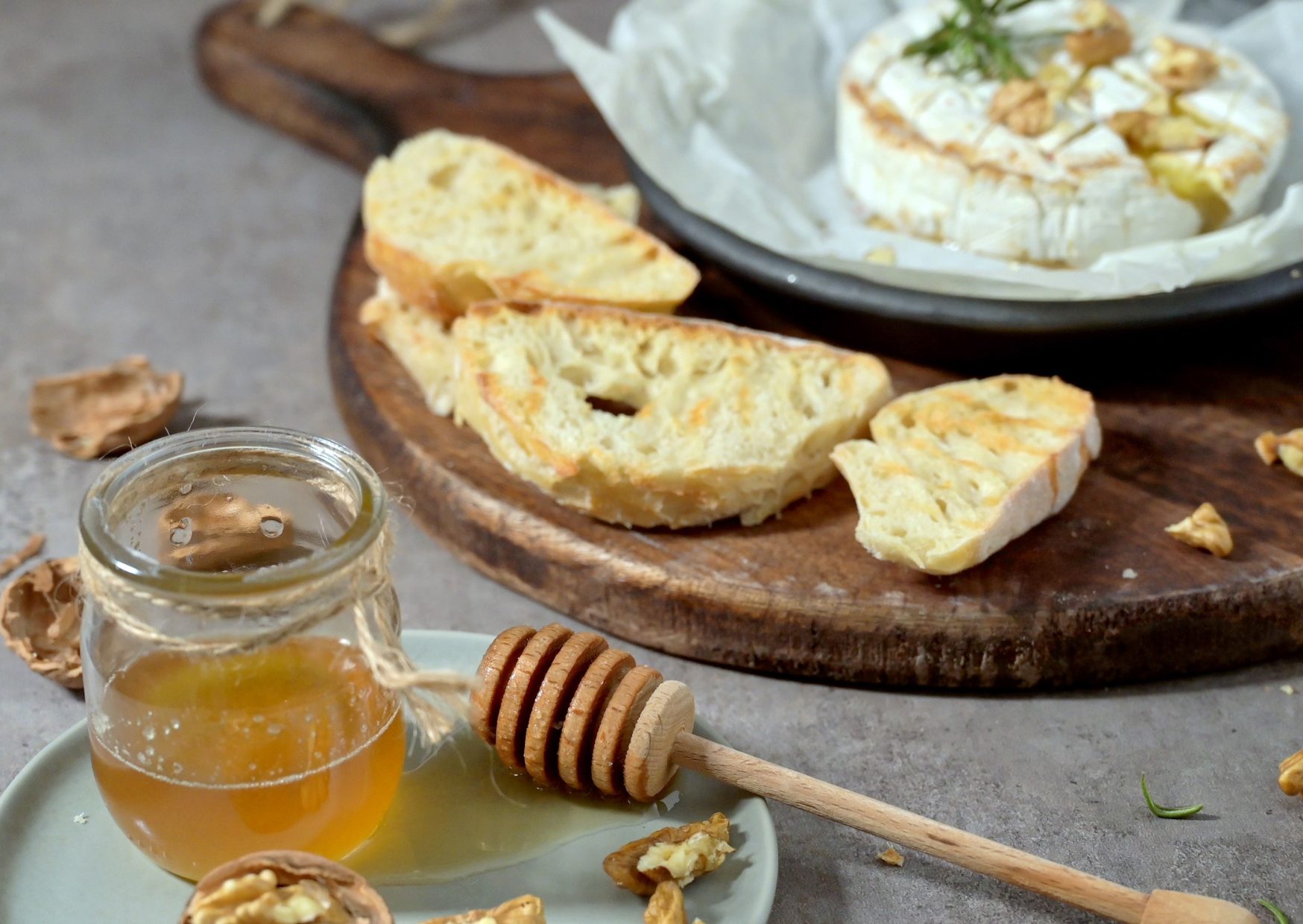
It usually looks more specific.
Not more magical.
At Carrefour Spain right now, the category already breaks into flower honey, forest honey, eucalyptus honey, Galician forest honey, and multifloral honey from La Alcarria. That is a very different shopping cue from “raw honey” versus “organic raw honey” versus “honey bear.” The shelf is inviting the shopper to think about botanical source and region.
France does the same thing in a slightly different retail language.
The Carrefour shelf currently shows a creamy all-flower French honey labeled 100% pure and natural, but it also shows blends where the origin is much broader, including products labeled as flower honey from non-EU origins. That is another useful correction: Europe is not a fantasy land where every jar comes from a monk, a lavender field, and a tiny family apiary. Cheap blends exist there too. The difference is that the legal and retail culture is moving toward clearer origin disclosure, not away from it.
That is why the “real thing” is not one specific jar.
It is a category where shoppers are more likely to notice:
flower type,
country or region,
crystallized or creamy texture,
and whether the jar is a broad blend or a more specific honey.
A lot of Americans do not need a trip to Europe to copy that.
They need to stop buying honey as if shape and convenience were the main variables.
What Americans Usually Buy Wrong
They buy the cheapest big bottle and assume the job is finished.
Or they buy the prettiest “raw” bottle and assume that word solved every other problem.
Neither habit is very sharp.
The FDA’s latest import sampling does not justify paranoia, but it does justify attention. Three percent of sampled imported honeys in 2022 to 2023 were violative, and the earlier sampling round was worse. In Europe, the targeted “From the Hives” action found nearly half the sampled shipments suspicious. Those figures are not proof that every cheap bottle is fake. They are proof that price and label confidence are not enough.
Americans also buy too much honey in formats that prioritize squeeze behavior over flavor behavior.
That is why so many households end up with one large bottle that tastes fine in tea and disappears in recipes but never really teaches them what honey from orange blossom, mountain flowers, eucalyptus, or forest forage actually tastes like. Once the market trains people to think of honey as a sweetener first, they stop asking better questions.
The better buying questions are not complicated.
Where is it from?
Is it one floral style or a broad blend?
Does the jar accept crystallization?
Does it taste like something more than sweetness?
And if the price seems impossible, is the bottle making a promise that the supply chain probably cannot support?
That is a more serious way to shop honey than just hunting for the largest bear with the happiest label.
Use It Like An Ingredient, Not A Sweetener
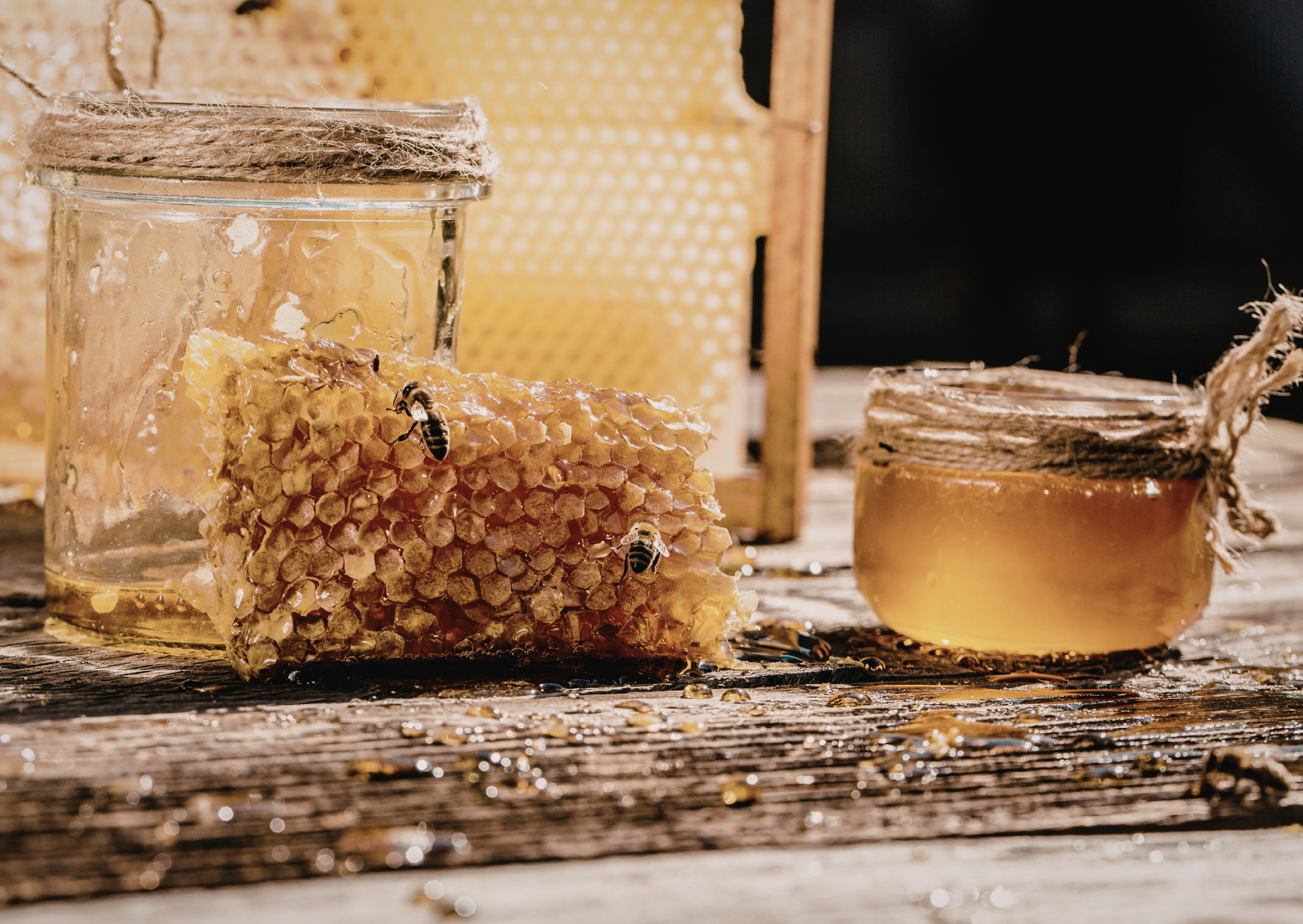
That is where the whole category gets better.
Good honey does not need to stay trapped in tea and oatmeal.
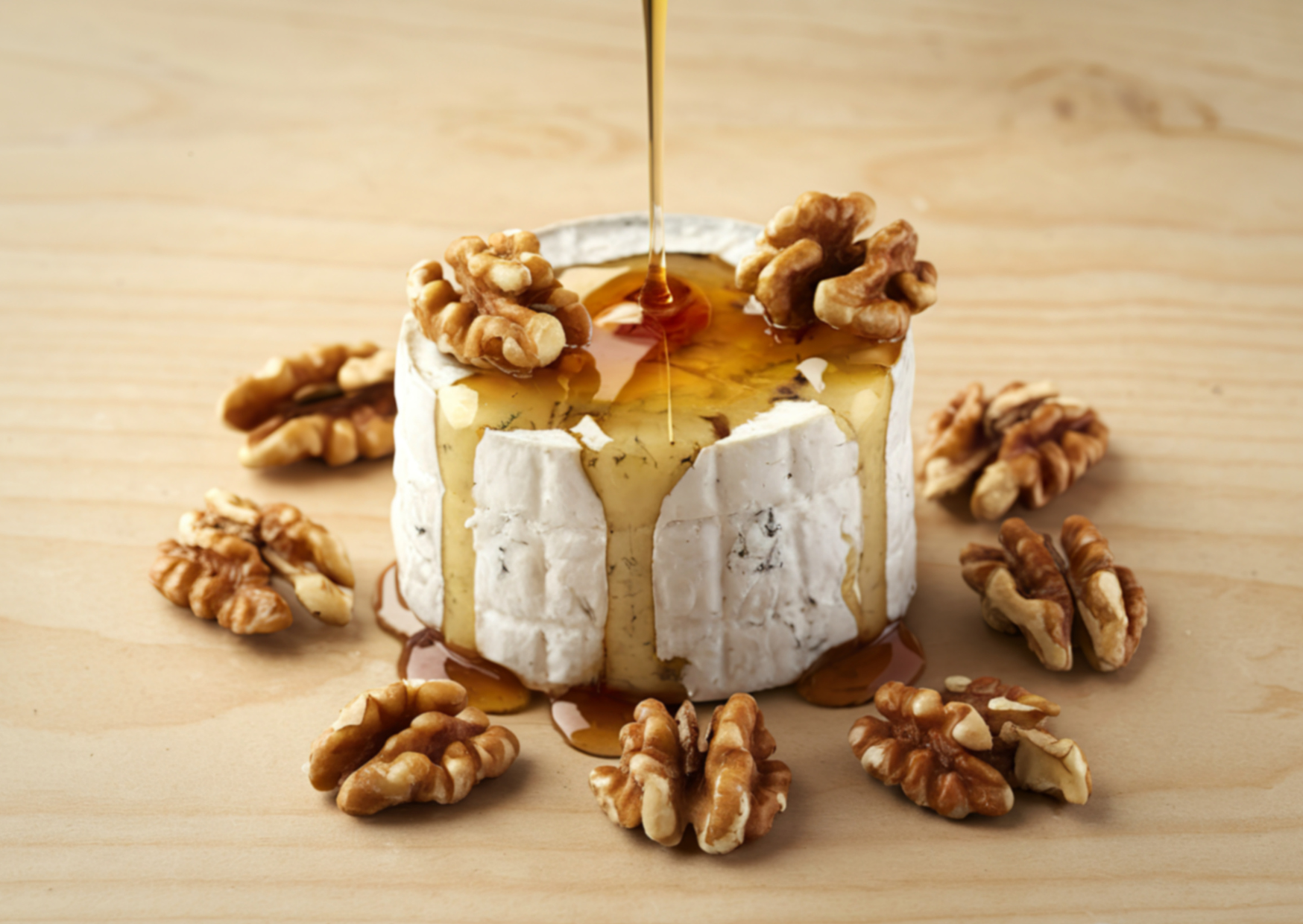
It likes goat cheese, Greek yogurt, walnuts, butter toast, blue cheese, mustard vinaigrettes, roast carrots, and simple cakes where the floral note can still survive. The point is not to drown food in sweetness. The point is to let honey play against salt, acid, bitterness, and fat. That is how it reads in a lot of European kitchens. Less like syrup, more like seasoning.
That also changes how much you buy.
A big cheap bottle makes sense if a household bakes a lot, sweetens tea constantly, or goes through honey fast. But a smaller, more specific jar makes more sense if the honey is meant for raw use, cheese boards, yogurt, toast, or finishing. Stronger honey deserves smaller format, better storage, and actual attention.
And yes, real honey can become creamy.
It can crystallize.
It can darken.
It can differ wildly from jar to jar.
That is not a quality failure.
That is the product finally acting like a real food.
The Better Honey Habit Is Mostly About Reading Better
The easiest upgrade is not swearing off American supermarket honey.
It is buying it with more suspicion and more curiosity at the same time.
A one-ingredient U.S. bottle can still be perfectly respectable. Great Value’s current raw honey and Costco’s Kirkland organic raw honey prove that mainstream retail can still sell actual honey. The market does not need to be insulted into honesty here.
What the market does need is better shoppers.
Shoppers who understand that honey can be pure and still boring.
That it can be cheap and still honest.
That it can be raw and still not very distinctive.
And that European honey culture often looks better not because Europe invented bees, but because the shelf keeps asking more specific questions about origin, texture, and type. With the EU tightening origin labeling further from 2026, that difference is about to get even more visible.
That is what European honey looks like.
Not liquid gold mythology.
A jar of honey that is allowed to be itself.
And a cook who knows what to do with it once it gets home.

About the Author: Ruben, co-founder of Gamintraveler.com since 2014, is a seasoned traveler from Spain who has explored over 100 countries since 2009. Known for his extensive travel adventures across South America, Europe, the US, Australia, New Zealand, Asia, and Africa, Ruben combines his passion for adventurous yet sustainable living with his love for cycling, highlighted by his remarkable 5-month bicycle journey from Spain to Norway. He currently resides in Spain, where he continues sharing his travel experiences with his partner, Rachel, and their son, Han.