
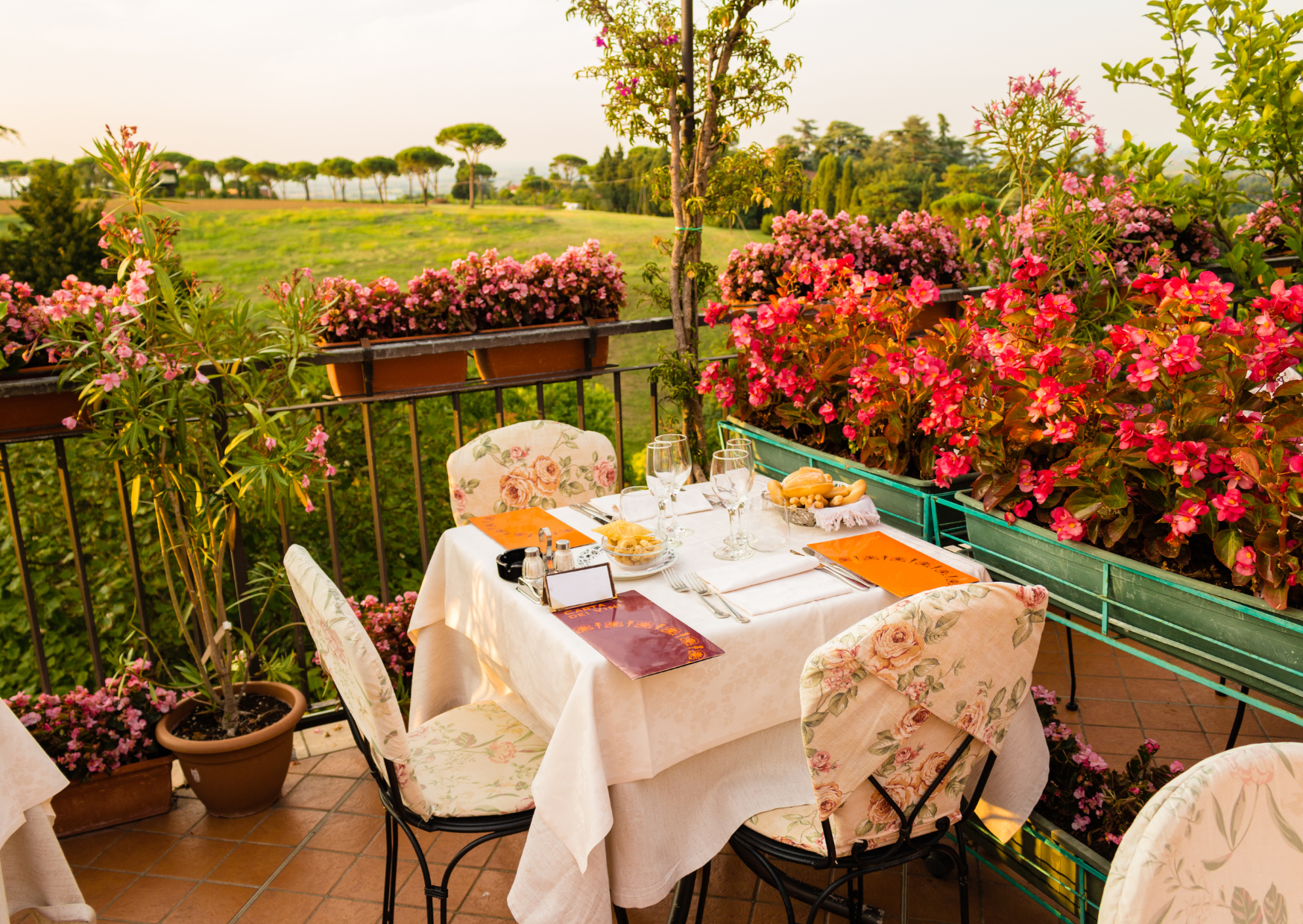
The expensive mistake is not ordering the wrong wine or asking for parmesan on seafood. It usually happens before the first plate arrives: sitting down before checking the menu for coperto, servizio, bread charges, and table pricing.
A lot of Americans walk into an Italian restaurant the way they walk into one at home.
Find a table. Sit down. Open the menu. Order.
That sequence works fine in the United States because the price difference between “being here” and “eating here” is usually not broken out in the same way. In Italy, that assumption can get expensive fast. The table itself can carry a charge. Service can carry a charge. Bread can carry a charge. In some tourist-heavy areas, simply choosing a seated table without checking the pricing structure first can add a very real per-person uplift before the kitchen has done anything interesting.
That is why the same meal can feel strangely inflated at the end.
Not because Italy is running a scam.
Because the customer sat first and checked later.
In much of Italy, that is the wrong order.
The Real Mistake Is Treating The Table As Free
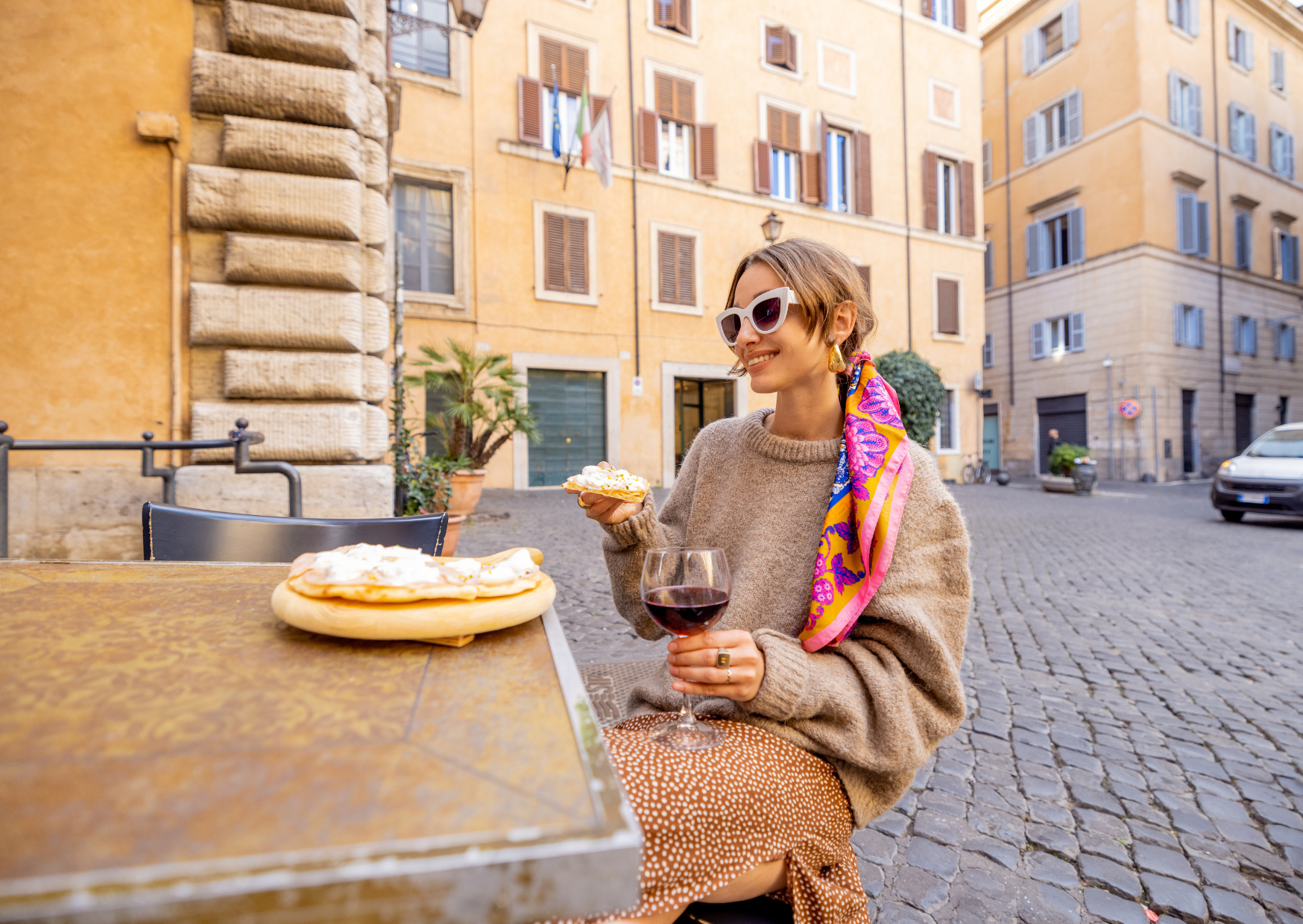
The most common billing shock in Italy is not hidden tax.
It is table logic.
A seated meal can carry a coperto, which is a cover charge added per person. Some restaurants also charge for servizio, especially if it is clearly listed in advance. Bread can be bundled into coperto, billed separately, or appear under a different formulation if local rules allow it. And where there is table service, the pricing has to be made available before ordering. That part matters because it tells travelers what the system expects: the customer is supposed to know the table terms before committing to the table.
A lot of Americans do the opposite.
They sit down in a piazza, under an umbrella, next to a cathedral, canal, or postcard view, and assume the menu prices are the whole story. Then the bill arrives with a few extra lines at the bottom and the meal suddenly costs more than the mental math allowed. The inflation did not happen in the kitchen. It happened in the seating choice.
That is the restaurant mistake.
Not asking.
Not checking.
Not reading the bottom of the menu before the waiter has already started treating the table as yours.
In Italy, the table is not always free territory.
Sometimes it is the surcharge.
Travelers who have never eaten much in Italy often react to coperto like they have discovered a crime.
Coperto Is Normal. Ignoring It Is Expensive.
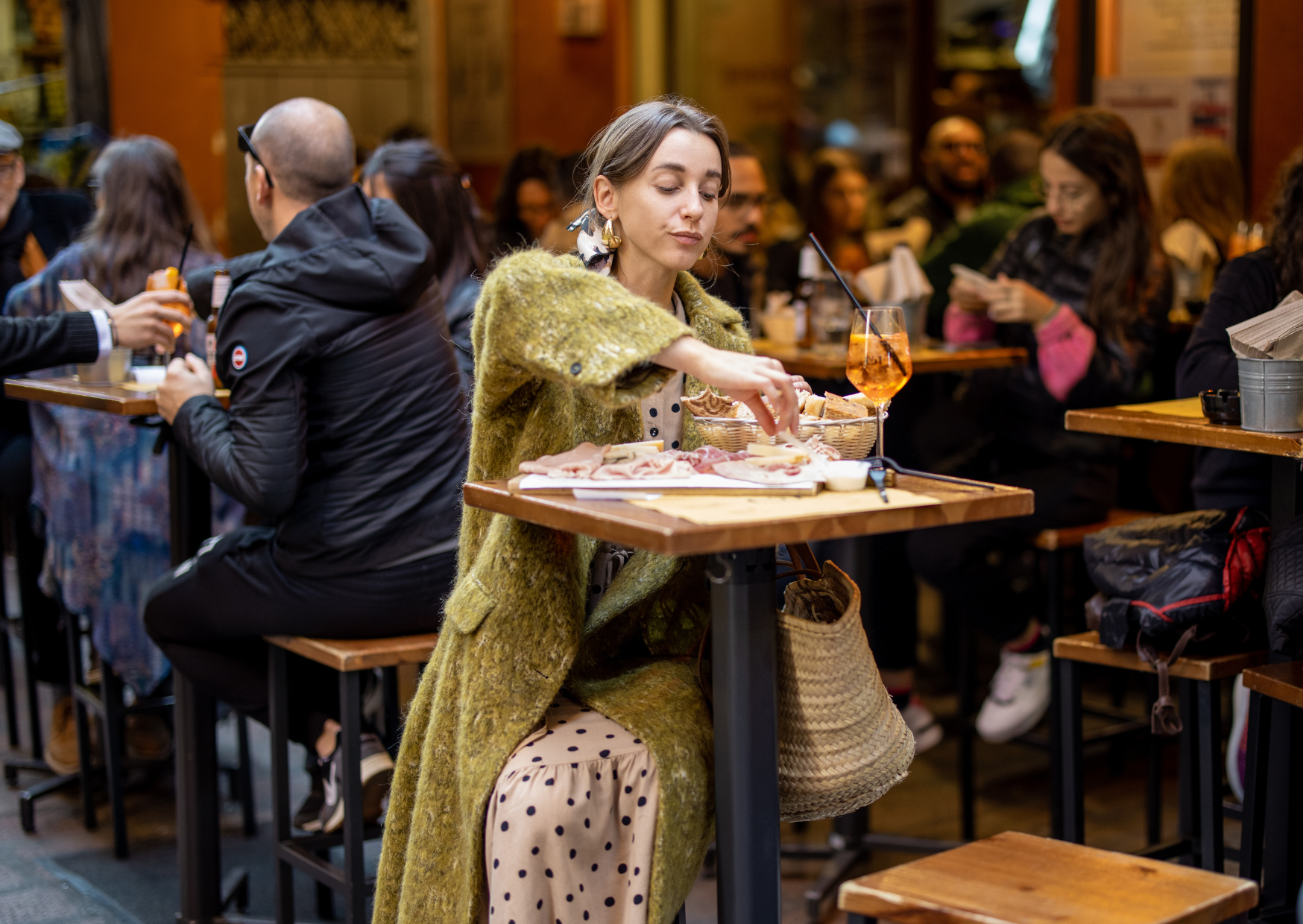
It is not a crime.
Outside Lazio, it is broadly lawful if it is clearly disclosed. Consumer guidance and restaurant-sector guidance are aligned on the central point: there is no national rule banning coperto across Italy, but the charge has to be communicated clearly in the menu or price list. In Lazio, the rules are stricter, and coperto is not supposed to appear the same way, though service or bread charges may still appear if properly disclosed.
The practical problem is not that coperto exists.
The practical problem is that Americans often notice it too late.
Typical coperto is often around €2 to €4 per person. That sounds manageable, and for a couple at a normal trattoria it usually is. But in major tourist sites the number can rise a lot. Current guidance for diners in Italy notes that it can hit €10 or even €15 per person in places like Piazza San Marco in Venice or immediately around Milan’s Duomo. That is how one casual seating choice can add €20 to a two-person bill or much more to a family bill before water, wine, dessert, or coffee even get involved.
There is another detail Americans miss.
Coperto is charged per seated person.
Not per table.
So the arithmetic gets ugly very quickly:
- Two people at a tourist-site restaurant with a €10 coperto each: €20
- Four people at a perfectly ordinary €3 coperto each: €12
- Four people at €4 each plus paid bread or service: now the table is drifting toward €16 to €20 before food has done any damage
That is why the title number is not dramatic nonsense.
It is normal math.
And because Americans are not used to mentally separating food price from seat price, they often blame “Italy” in general when the actual cause was not checking the per-person table cost before sitting down.
Tourist Areas Multiply The Damage Fast
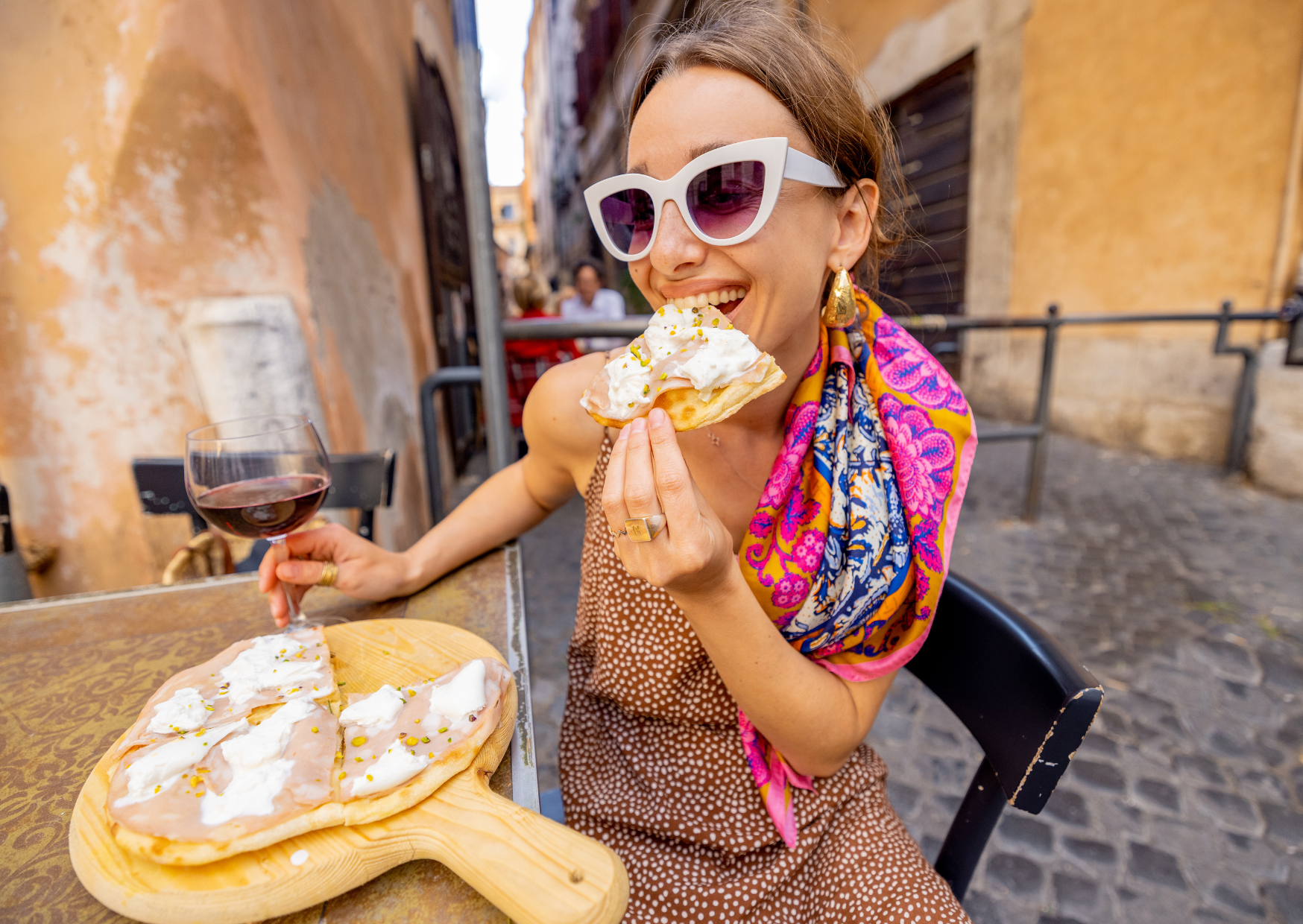
The seat gets more expensive the closer it gets to theater.
That is the blunt version.
A quiet neighborhood trattoria in Bologna is one thing. A famous square in Venice, a view-heavy strip in Florence, or a chair directly facing the Duomo in Milan is another. Italian consumer guidance is very explicit that prices, including extra components, need to be visible and understandable. It is also very clear that tourist areas push the upper end of what people pay for the privilege of sitting there.
This is where Americans make an expensive category error.
They think they are paying for dinner.
They are also paying for location, chair time, and service intensity.
That may still be worth it. Nobody needs to be morally pure about paying more in Piazza San Marco or near the Pantheon if that is the experience they want.
The problem is not paying for the view.
The problem is paying for the view by accident.
Italian restaurant and bar culture has long treated al tavolo and al banco as different economic experiences. A coffee or light breakfast at the counter is one price. The same order at a seated table can cost markedly more. Consumer-price reporting in Italy has noted that breakfast served at the table can run 24% to 65% more than at the bar. That is coffee and pastry. The same logic gets uglier at restaurant scale because now the customer is no longer paying a quick standing-bar premium but a full seated-service premium across an entire meal.
A couple can feel this in several ways at once:
- higher seated pricing
- coperto per person
- possible bread charge
- possible service charge if clearly listed
- drinks priced for the location rather than the ingredient
That is how a simple lunch becomes mysteriously heavier by €15 to €25 without anyone having ordered extravagantly.
The tourist trap is not always fake food.
Very often it is real food with expensive chairs.
Italians Usually Check The Bottom Of The Menu Before They Commit
This is the behavior difference that saves locals money.
They look.
They do not merely glance at the primi and secondi.
They check the bottom of the menu, the exterior display, the price board, and the little lines tourists treat like legal wallpaper. Italian and cross-border consumer guidance is clear that restaurants should display prices visibly, including beverages, coperto, and service. In restaurants with table service, the list has to be available before ordering so the final cost is knowable in advance.
That changes the entire rhythm of the decision.
A local or Italy-savvy diner does not assume the seat is included.
They check whether the menu says:
- coperto
- servizio
- pane
- menu fisso terms
- different conditions for table service
- price by weight for fish or shellfish
Americans often do something softer and much more dangerous. They assess whether the place “looks reasonable.” That is not enough in Italy. A place can look perfectly ordinary and still structure the bill in a way that lifts the final number meaningfully. The reverse is also true. A place can look central and touristy but still be transparent and fair if the extras are clearly shown and the diner knowingly agrees to them.
The difference is not cynicism.
It is sequencing.
Check first, sit second is the money-saving habit.
Americans often reverse it.
Then the table has already won.
The Most Expensive Part Is Often Not The Food
A lot of U.S. diners are trained to think the menu price tells the story.
In Italy, the story is sometimes written in the footer.
That footer can include coperto, separate pane, or servizio. It can also signal that table service changes the economics of the stop completely. In Lazio, the consumer protection side is tighter and coperto itself is not supposed to be applied the same way, but even there diners still need to watch for service and bread charges if they are properly disclosed. That is why “I’m in Rome so I’m safe” is not a particularly smart sentence either. The rule is still the same: read the price structure before ordering.
There is a second American habit that makes the problem worse.
They order water, bread, coffee, and maybe an aperitivo without resetting the math.
Individually, these do not feel like big-ticket decisions.
Collectively, they help bury the original error of not checking the table terms.
A couple sits in a highly visible area.
Coperto is €4 each. That is €8.
A basket of bread appears and goes untouched, but it is billable if listed.
Service appears as a percentage because the place disclosed it.
Coffee arrives at seated-table pricing rather than quick-bar pricing.
Now the customers are irritated at the bill, but the bill mostly reflects a decision they made the moment they sat without looking.
Italy is often generous with food quality.
It is not especially generous with sloppy assumptions.
Americans Also Import U.S. Tipping Brain Into The Wrong Meal
This is a quieter money leak, but it matters.
Italian waitstaff are not operating on the same tip-dependency model many Americans are used to. Tipping in Italy is optional, usually modest, and often unnecessary beyond rounding up or leaving small change for very good service. That is especially important if the bill already includes coperto or servizio. Travelers who treat Italy like the U.S. and leave a heavy American-style tip on top of a bill that already has table and service components are volunteering for a second round of overpayment.
That does not mean nobody tips.
People do.
It means the culture does not require the same automatic percentage logic.
This is part of why the same Americans who complain about coperto will then add 15% or 20% because the meal felt incomplete without a tip line. They end up objecting to one charge while quietly inventing another.
That is not a moral failure.
It is just expensive confusion.
The more stable approach is simpler. Read the menu, understand the seat charge, understand whether service is already built in, then decide whether any additional tip feels appropriate.
Most of the time in Italy, the dramatic American tip reflex can stay home.
Your wallet will not miss the performance.
The Cheap Fix Is To Stand, Walk One Street Over, Or Ask One Question
The good news is that this problem is easy to avoid once a traveler knows what creates it.
The first fix is not sitting automatically. In bars and casual places, standing al banco is often much cheaper than taking a table. That one habit can save money all day, especially in tourist-heavy cities where the seated version of a basic coffee stop is doing very different arithmetic from the standing version.
The second fix is walking one or two streets off the obvious postcard zone. A lot of American travel spending in Italy is not caused by bad taste. It is caused by dining directly inside the sightline everyone else is paying for too. The quality drop one block away is often much smaller than the price drop. The chair loses some drama. The bill loses some nonsense.
The third fix is reading the exterior menu. Italian consumer guidance is very clear that menus and pricing should be visible before ordering. Use that protection. Do not treat it like decoration. If the menu footer says coperto €4, servizio 10%, and bread charged separately, at least the deal is visible. You can accept it knowingly or walk away knowingly. Both are adult outcomes.
The fourth fix is asking one clean question before committing:
“Is there coperto or servizio?”
That question is not rude.
It is cheaper than pretending confusion later.
The fifth fix is refusing the bread when appropriate. Current guidance for diners in Italy notes that if bread is brought and charged separately, customers can refuse it rather than quietly absorbing the extra line item. That will not rescue a tourist-zone meal from itself, but it can stop the bill from getting padded by habit.
None of this requires becoming difficult.
It only requires noticing that in Italy, the seat is part of the purchase.
The First Week In Italy Should Rewire This Immediately
For the first week, a practical rule works better than confidence.
Every time a restaurant or bar is in a high-view area, assume the bill has a second layer until the menu proves otherwise. Venice, Florence, Milan, Rome, Amalfi, lakefront towns, cathedral squares, and major station-adjacent tourist corridors all deserve this suspicion. The point is not paranoia. The point is paying attention.
A useful sequence looks like this:
Walk up.
Read the menu outside.
Check the bottom line for coperto, servizio, and anything tied to table service.
Look at beverage pricing too, because drinks are where casual stops get silly.
Then decide whether the chair is worth it.
For a couple trying to keep meals under control, this one small sequence changes the trip math fast. Skip just one accidental €10-per-person tourist-site coperto and that is €20 saved right there. Skip two or three of those moments across a week, and the savings are no longer cute. They are dinner.
This is also the point where travelers should stop treating “tourist trap” like a moral category.
Sometimes the expensive place is worth it.
A perfect table in Venice at sunset may be worth an irrational bill to someone on a once-in-a-lifetime trip.
Fine.
Pay it on purpose.
The mistake is not paying more.
The mistake is paying more without realizing the seat was what you were buying.
That is the American habit that keeps showing up in Italy.
People focus on the food and forget the furniture.
The Better Italian Restaurant Habit Starts Before You Sit Down
The restaurant mistake Americans make in Italy is not cultural ignorance in some dramatic sense.
It is one quiet sequencing error.
They sit first.
They inspect later.
Italy punishes that order more than the U.S. does because table charges, service structures, and location premiums are still part of normal dining economics there, especially in tourist-heavy zones. Coperto is often modest, sometimes painful, and occasionally outrageous. Service can be lawful if clearly shown. Bread can become a charge if disclosed. In tourist areas, the table itself can do more damage to the bill than the plate.
That is why Italians and experienced Italy travelers keep doing the same dull thing.
They read the menu before they commit.
They check the footer.
They look for the table price, not just the pasta price.
That habit is not glamorous.
It is worth real money.
Sometimes €20 real money on a single meal.
And in Italy, that is the difference between feeling ripped off and simply understanding what the chair was always going to cost.

About the Author: Ruben, co-founder of Gamintraveler.com since 2014, is a seasoned traveler from Spain who has explored over 100 countries since 2009. Known for his extensive travel adventures across South America, Europe, the US, Australia, New Zealand, Asia, and Africa, Ruben combines his passion for adventurous yet sustainable living with his love for cycling, highlighted by his remarkable 5-month bicycle journey from Spain to Norway. He currently resides in Spain, where he continues sharing his travel experiences with his partner, Rachel, and their son, Han.