
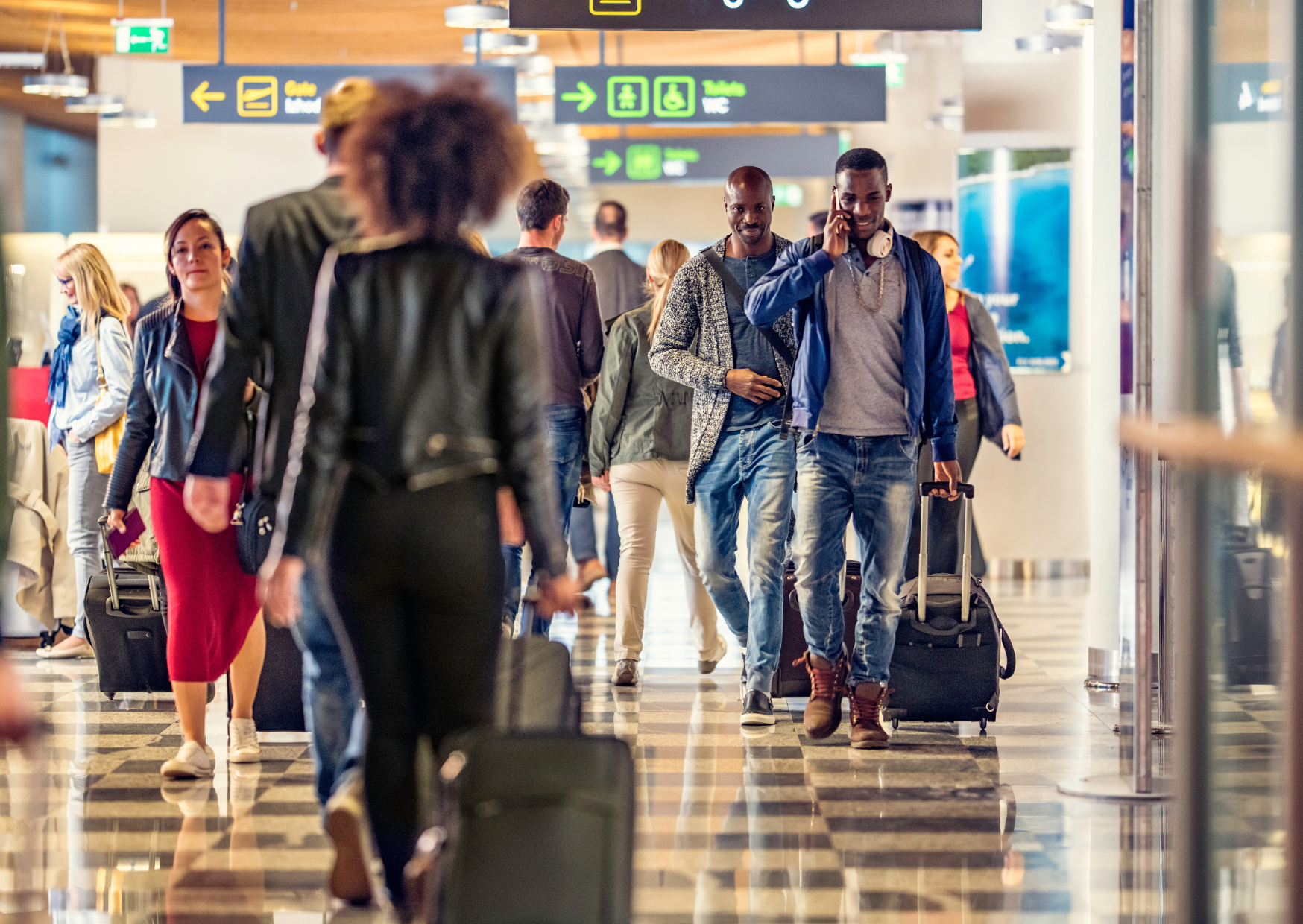
The airport lounge fantasy usually gets sold as a rich-person add-on. In real life, a lot of travelers are already carrying some version of it in their wallet, buried inside a card benefit, attached to a premium ticket, or sitting unactivated in an app they never opened.
A lot of Americans still think airport lounges work like country clubs.
Invitation only. First class only. Corporate road-warrior only. Definitely not for the couple heading to Lisbon on points or the family killing time in Dallas before a connection.
That used to be closer to true.
Now the more common problem is the opposite. Travelers are already paying annual fees on cards that include lounge access, or they bought a ticket that quietly comes with lounge entry, and then they spend three hours at Gate B27 buying an $18 sandwich and sitting on the floor near an outlet.
The funniest version is not even luxurious.
It is administrative.
The traveler already has the benefit. They just never enrolled in the program, never downloaded the digital pass, never realized the card unlocks more than one lounge network, or assumed lounge access meant “some fancy airline club” and stopped there.
That is how people end up paying for airport misery they already insured themselves against.
The Lounge Key Is Often A Benefit You Never Finished Setting Up

The single biggest miss is Priority Pass enrollment.
Not lounge access in theory.
Not premium travel strategy.
Enrollment.
A lot of Americans carry cards that include Priority Pass through the benefits package, but the benefit does not magically work because the card exists. It usually has to be activated, linked, or enrolled before it becomes useful. That is true with several of the cards people already know by name, including Amex Platinum, Chase Sapphire Reserve, and Capital One Venture X. For Amex, enrollment is explicitly required for Priority Pass access. Chase and Capital One both direct eligible cardholders to enroll before using the benefit.
That sounds small.
It is not small when the lounge is downstairs, the line at the food court is 25 people deep, and the benefit is still sitting in a cardmember portal like unopened software.
This is also where people make the wrong comparison. They think they “don’t have lounge access” because they do not belong to Delta Sky Club or Admirals Club as a paying member.
That is outdated thinking.
The modern lounge map is more layered than that. A traveler may have access through a bank-card program, a card issuer’s own lounge network, an airline card, a business-class ticket, or elite status. The mistake is assuming lounge access is one thing. It is now a stack of overlapping doors, and a lot of people only know about one of them.
That is why the traveler who says “I don’t have lounge access” often really means “I never checked.”
The Cards In People’s Wallets Are Doing More Than They Think

The best-known example is Amex Platinum, because the lounge footprint is unusually wide. Amex says its Global Lounge Collection includes more than 1,550 lounges across 140 countries, and that number spans multiple partner networks rather than one branded room with one branded door. That matters because a traveler flying through Madrid, Dallas, Las Vegas, or São Paulo does not need the airport to have one specific lounge brand. They need something in the network that will accept them.
The second example is Chase Sapphire Reserve, which now includes access to every Chase Sapphire Lounge by The Club with up to two guests, plus more than 1,300 Priority Pass lounges worldwide. Chase also adds select Air Canada Maple Leaf Lounges and Air Canada Cafés for eligible travelers, which is a detail many cardholders do not know until after they have already walked past one.
Then there is Capital One Venture X, which has quietly become one of the more useful lounge cards for ordinary travelers because it includes Capital One Lounges plus participating Priority Pass lounges, but only after enrollment. Capital One’s own materials keep repeating that point because too many people assume possession of the card equals immediate access. It does not. Card in wallet and benefit activated are different states.
That last distinction is where Americans burn money.
They pay the annual fee.
They use the points.
They remember the Global Entry credit.
Then they ignore the lounge benefit they are already subsidizing.
There is another layer here too. Some airline co-branded cards include lounge access or lounge passes, but people often remember the free checked bag and forget the room with chairs, coffee, bathrooms, Wi-Fi, and quieter air on the other side of the terminal. American’s lounge ecosystem, for example, includes access through the Citi / AAdvantage Executive card, qualifying oneworld status, or paid one-day passes. The one-day pass currently costs $79. That is a useful number because it reveals what the market thinks one lounge visit is worth, even before airport food and drinks enter the picture.
Once a traveler sees that number, the “already have” part stops sounding theoretical.
Some People Bought Lounge Access Inside The Ticket And Never Noticed
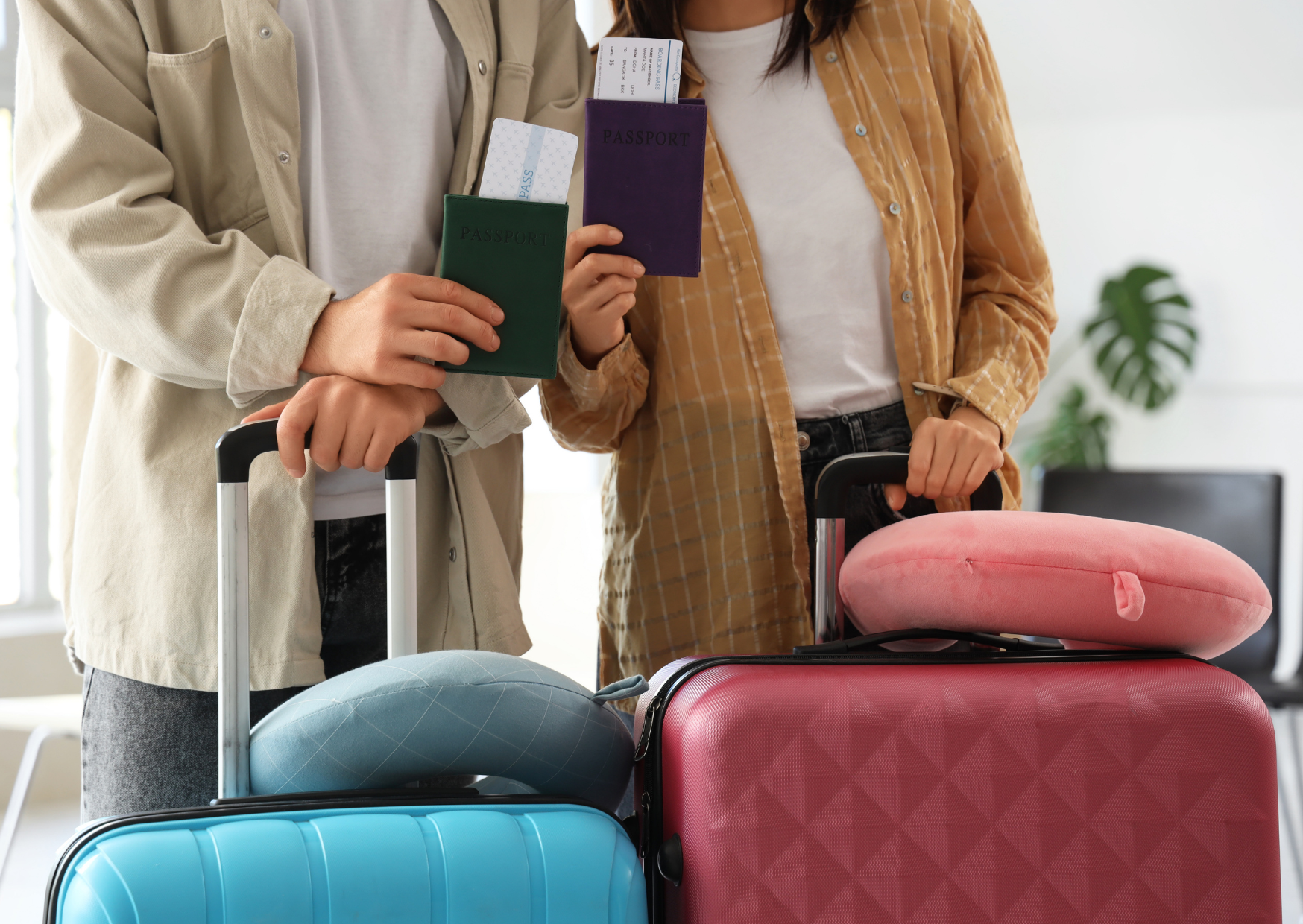
The other quiet category is ticket-based access.
Not cards.
Not status.
The fare itself.
This shows up most often on true long-haul premium cabins and on a few premium domestic routes that behave more like international service. Delta One passengers on a same-day ticket can access the Delta One Lounge, and Delta’s rules are explicit that access comes from the qualifying Delta One or partner premium-cabin ticket, not from cardholder credentials. American’s Flagship Business transcontinental ticket also includes on-the-ground premium access, including Flagship Lounge access in select hub cities or Admirals Club access in other cities.
This matters because travelers often upgrade mentally only as far as the seat.
Lie-flat seat, better meal, maybe a blanket.
They forget the airport part.
So the person who paid for the front cabin or cleared an upgrade still sits in the common gate area because nobody told them the premium experience started before boarding.
That is especially common with occasional premium travelers between 45 and 65. They are not doing this every week, so they do not have the muscle memory road warriors have. They book the special seat for a long-haul anniversary trip, a retirement splurge, a transatlantic family visit, or a points redemption they finally cashed in, and then they move through the airport like they are still flying standard economy.
That habit is expensive.
The airport experience attached to a premium ticket is part of what was purchased, whether the traveler uses it or not.
There is also a psychological mistake here. A lot of Americans assume lounges are only worth it for people with long layovers. That is too narrow. Even a 45-minute visit can mean cleaner bathrooms, easier coffee, real seating, working Wi-Fi, and one less overpriced purchase in a terminal where every basic need has been marked up for sport.
Sometimes the smartest use of lounge access is not lingering.
It is escaping the airport’s worst offers.
The Fine Print Is Where People Lose Access They Thought Was Guaranteed
This is the part that makes lounges feel snobby when the real issue is usually rules.
Not every access method works the same way.
Not every guest policy matches.
Not every lounge accepts a walk-in at full capacity.
Not every card unlocks every partner.
Delta is a good example of how fast old lounge assumptions can expire. Delta Sky Club access through eligible cards now runs on visit limits rather than the old “show the card and enter forever” model many travelers still believe in. Delta says Platinum Card members get 10 visits per Medallion year, while Delta Reserve card members get 15, with additional visits available for purchase. A “visit” can cover multiple club entries within a 24-hour window, which is more generous than some travelers realize, but the access is still not open-ended the way it once felt. Delta also restricts access based on flight type and uses a three-hour departure window for many entries.
That means the traveler who “already has lounge access” may still get turned away because they are on the wrong airline that day, outside the access window, over the visit limit, or trying to bring in too many guests.
Capital One has its own version of this. Venture X cardholders can access Capital One Lounges and participating Priority Pass lounges, but Priority Pass requires enrollment, and guest pricing is no longer the generous free-for-all many people remember from a few years ago. Capital One now advertises discounted guest pricing for Capital One Lounges and separate per-guest pricing for participating Priority Pass lounges.
Chase has a different wrinkle. Sapphire Reserve includes strong access, but even there, rules vary by lounge brand and by whether the traveler is the primary access holder or arriving through a different channel. Chase also notes that non-Sapphire Priority Pass customers only get limited annual entry to Sapphire Lounges before fees kick in, which is a reminder that network names are not enough. The exact credential matters.
Then there is capacity.
Almost every lounge program keeps this in the fine print because nobody wants a legal promise to a chair that no longer exists. Capital One says lounge access is not guaranteed and is subject to space availability. Priority Pass likewise reminds members that participating locations have their own entry terms, and many lounges need the physical or digital membership credential presented at the desk.
So yes, the benefit may already be yours.
That does not mean the airport owes you a sofa at 5:30 p.m. on Thanksgiving Wednesday.
The Math Is Worse Than It Looks From Gate Seating
Airport lounges get mocked as a luxury because people compare them to free gate seating.
That is the wrong comparison.
The real comparison is what travelers buy when they do not use the benefit they already have.
An airport breakfast for two that somehow lands at $42.
Two coffees and two bottles of water for $19.
A glass of wine and a sad sandwich that together cost more than a decent lunch outside the terminal.
A one-day lounge pass for $79.
By the time a traveler has bought food, drinks, and a little emotional relief from terminal chaos, the “I’m not a lounge person” posture starts looking strangely expensive. American’s own one-day Admirals Club pass sits at $79, which tells you the market price of a single visit before any guest fees or premium-cabin math enters the picture. Delta charges $50 per extra visit once eligible cardholder allotments are exhausted, and $50 guest fees appear repeatedly in its current access rules.
This is why the lounge benefit gets undervalued by people who insist they are being practical.
They are practical in the wrong direction.
They focus on not “wasting time” going to the lounge and then casually overpay for every airport basic in public view of a charging station knife fight.
No, lounge access is not magic.
Some lounges are crowded.
Some are mediocre.
Some are barely better than a calm cafeteria with better lighting.
But even that can be enough if the alternative is buying every airport need retail, one irritated transaction at a time.
The better way to think about it is cost avoidance, not glamour. If the card is already in the wallet and the access already exists, using the lounge is often just the least stupid way to wait for a flight.
The Travelers Who Use This Well Treat It Like A Utility
The people who get real value from lounge access are usually not the ones posting selfies under brass logos.
They are the ones who know when to use it.
A short visit before an early flight for coffee, bathroom, and a quiet seat.
A connection long enough to recharge devices and eat something decent.
A delay where the lounge becomes a work room instead of a gate-area hostage situation.
A trip home where the traveler wants one hour of lower noise before getting back to normal life.
That is a different mindset from the lounge fantasy most Americans carry around. They think lounges are about indulgence. The more useful truth is friction reduction. Less noise. Less food-court wandering. Less standing. Less paying twice for the same travel day.
That is why frequent travelers sound almost boring when they explain it.
They are not chasing a luxury identity.
They are using a tool.
That tool may be attached to a premium bank card, a same-day premium cabin, an airline card, or elite status. The method changes. The behavior is the same. Check access before leaving home. Enroll if needed. Know the guest rule. Know the time window. Walk toward the lounge instead of the nearest overpriced grab-and-go.
This is also where a lot of Americans age into better use of the benefit. In the 20s and 30s, many travelers are willing to brute-force the airport. Sit anywhere. Eat anything. Charge the phone on the floor if needed. By the late 40s, 50s, and 60s, that starts to feel less heroic and more unnecessary.
Fair enough.
The airport already took enough from the day.
Before Your Next Flight, Set It Up Properly Once
The practical version is not complicated.
It is just ignored.
Before the next trip, log into the card account and look at the travel benefits page. Not the marketing page. The actual benefits dashboard. See whether lounge access is included and whether enrollment is required.
If the card includes Priority Pass, activate it before travel. Priority Pass allows activation through a membership number or an eligible payment card number, and digital membership can then be used at many locations. That part should happen at home, not in line outside a lounge desk while everyone behind you suddenly becomes emotionally invested in your ability to find a password.
Then check the lounge map for the actual airports on the itinerary.
Not just the destination.
The connection too.
Sometimes the useful lounge is not at the glamorous international departure gate. It is near the domestic connector where the traveler will actually spend an hour.
Then check the rules that cause most of the airport disappointment:
- Same-day boarding pass required
- Flight on the right airline required for some lounges
- Visit cap or guest fee
- Three-hour entry window for some club programs
- Enrollment required even when the benefit is included
- Space available rather than guaranteed
That takes ten minutes.
It saves the airport from becoming an argument with a receptionist who did not design the policy.
There is another small upgrade that matters more than people admit. Save the digital card or screenshot the relevant access screen before leaving home. Cellular service inside airports behaves like a prank. This is a stupid place to depend on perfect app performance.
The person who arrives with the credential ready tends to get in.
The person who arrives “pretty sure I have this” tends to create a small crowd.
The Better Habit Is Knowing What You Already Paid For

A lot of American travel spending is not wasteful in the dramatic way people imagine.
It is wasteful in the quiet way.
Annual fee paid.
Benefit ignored.
Airport meal purchased anyway.
Long delay endured at retail prices in a loud room while the included alternative sits one escalator away.
That is the airport lounge access most Americans do not know they already have.
Not universal access.
Not every trip.
Not every traveler.
But much more often than they think.
Sometimes it is hidden behind Priority Pass enrollment. Sometimes it is already bundled into a premium ticket. Sometimes it is attached to a card they mainly keep for points, TSA PreCheck reimbursement, or a free checked bag. Sometimes it is there but limited, which is still far better than not knowing it exists at all.
The useful move is not to become a lounge obsessive.
It is to stop leaving paid-for comfort unused.
The airport is already efficient at charging people for being tired.
You do not need to help it.

About the Author: Ruben, co-founder of Gamintraveler.com since 2014, is a seasoned traveler from Spain who has explored over 100 countries since 2009. Known for his extensive travel adventures across South America, Europe, the US, Australia, New Zealand, Asia, and Africa, Ruben combines his passion for adventurous yet sustainable living with his love for cycling, highlighted by his remarkable 5-month bicycle journey from Spain to Norway. He currently resides in Spain, where he continues sharing his travel experiences with his partner, Rachel, and their son, Han.