
Why Look Beyond Spain?
Spain has been a top expat magnet sunny climate, laid-back lifestyle, relatively low costs (compared to Western Europe). But by 2026, rising rents in major Spanish cities, tightened visa rules, and a surge in English-speaking enclaves have nudged some expats to lesser-known nations.
If you crave a European adventure without Barcelona’s inflated housing or Madrid’s spiked living costs, these 7 countries might be your ticket to a comfy life on a smaller budget.
Spain used to feel like the obvious answer for expats dreaming of Europe. It had the weather, the lifestyle, the food, the coastline, and a long-standing reputation as one of the easiest places to imagine starting over. For years, it represented the classic balance of beauty and affordability. But for a growing number of expats, that equation no longer feels as convincing as it once did.
Rising rents, higher everyday costs, and increasing competition in popular cities have started to change the conversation. What once seemed like a budget-friendly European escape now feels far more expensive, especially for retirees, remote workers, and middle-income expats trying to make their money stretch. In some parts of Spain, the dream is still alive, but it is no longer as accessible as many people expected. That shift is pushing more people to ask a question they did not used to ask: is Spain still worth the price?
As costs have climbed, expats have begun widening their search across Europe. Instead of focusing only on famous names like Barcelona, Madrid, Valencia, or Málaga, many are looking toward countries that offer lower living expenses, less housing pressure, and in some cases a simpler path to a calmer life. These alternatives may not always have Spain’s brand recognition, but they are becoming more attractive for people who care just as much about financial stability as they do about scenery and lifestyle.
This change is not just about saving money. It also reflects a deeper shift in what expats want from life abroad. More people are prioritizing long-term affordability, manageable bureaucracy, healthcare access, community, and daily comfort over the old fantasy of moving somewhere simply because it looks beautiful on Instagram. The modern expat decision is becoming less romantic and more strategic. That is exactly why countries that once sat in Spain’s shadow are now getting serious attention.
The result is a quiet but important realignment in Europe’s expat map. Spain is still desirable, but it is no longer the automatic first choice for everyone. As budgets tighten and expectations change, more expats are discovering that the better option may be somewhere less obvious, less crowded, and far less expensive. The real story is not just that Spain got pricier. It is that a growing number of people have decided that the European dream can still work, just not necessarily in Spain.
Looking for More Travel & Culture Reads?
– They Don’t Work 24/7: 5 Vacation Customs in Europe That Drive Americans Crazy
– 7 Dress Code Shocks Americans Face in Italy
Quick & Easy Tips for Moving to a Cheaper European Country
Research Visa and Residency Requirements Carefully — Not every country offers straightforward residency options for expats.
Visit Before You Commit — Spend time exploring the country and its regions before making a long-term move.
Factor in Healthcare Costs and Quality — Affordable doesn’t mean compromising on healthcare; check local services in advance.
Learn Basic Local Phrases — Even in expat-friendly countries, knowing the basics of the language helps with daily life.
Look Beyond the Capital Cities — Smaller towns often offer better value, lower costs, and a more authentic experience.
A common misconception is that cheaper European countries offer a lower quality of life compared to Spain. In reality, many of these destinations boast vibrant communities, rich traditions, and excellent services often with less bureaucracy and fewer crowds than Spain’s most popular expat spots.
Another debated belief is that Spain is still the easiest choice for expats due to its established communities and infrastructure. While Spain has long been a favorite, emerging expat hubs in countries like Portugal, Bulgaria, or Croatia are catching up fast, offering welcoming environments and modern amenities without the rising costs associated with Spanish hotspots.
Perhaps most surprising is the assumption that Spain is universally affordable for all expats. In fact, popular regions like Barcelona, Madrid, and the Costa del Sol have seen significant cost increases, pricing out many would-be expats. The reality is that affordability in Europe is shifting and savvy expats are now looking to countries that offer both cost savings and quality of life without the tourist overload.
1. Bulgaria
Why It’s Cheaper
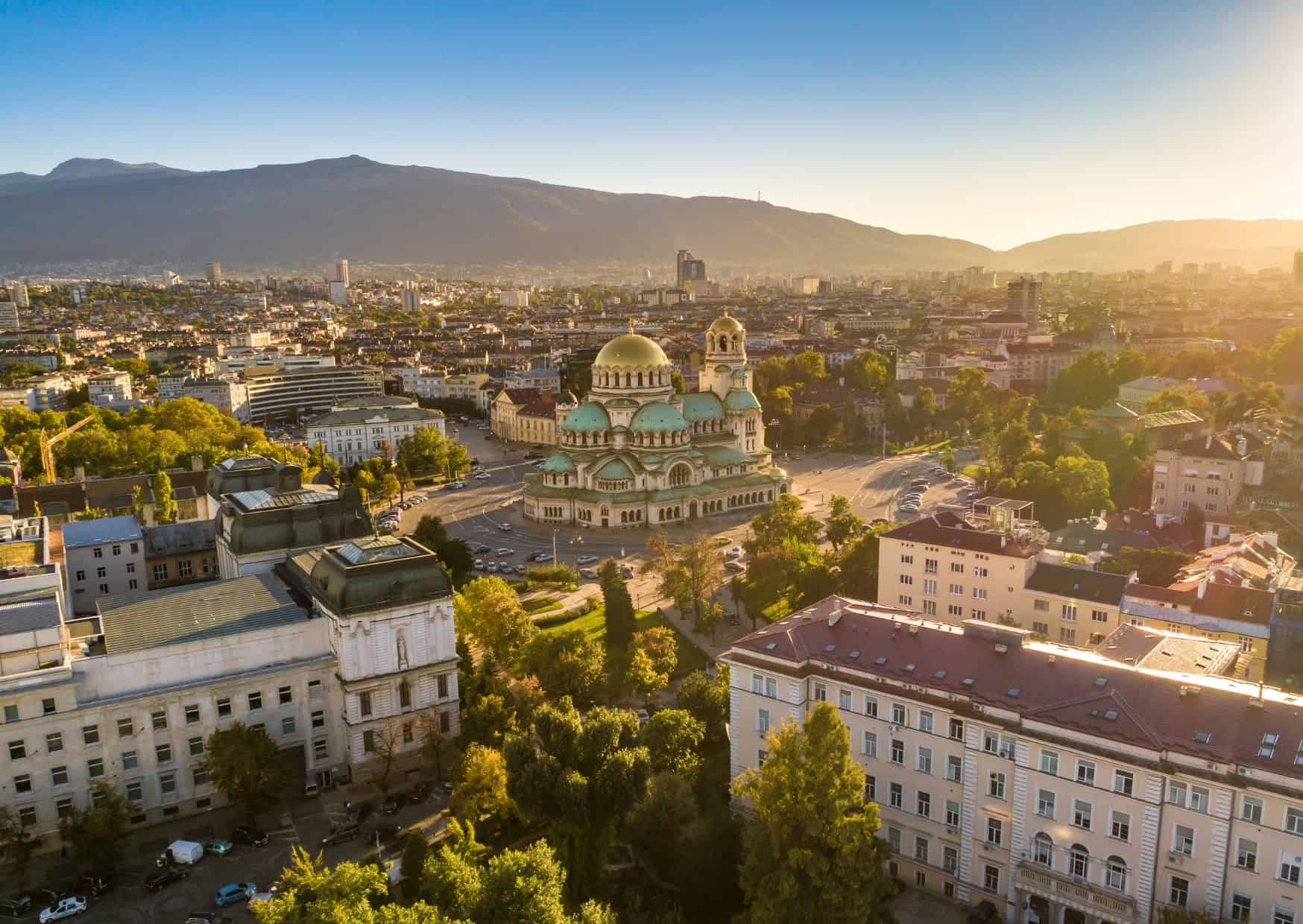
Bulgaria has long been a budget gem in Eastern Europe. Even with moderate inflation, rent, groceries, and utilities remain significantly lower than Spain’s hotspots. Cities like Sofia (the capital) or Plovdiv combine modern amenities with old-world charm at a fraction of Iberian prices.
Daily Life Highlights
- Low-cost housing: A decent 1-bed apartment can start around €300–400 in central Sofia, half or a third of Madrid’s rates.
- Affordable dining: Traditional Bulgarian dishes (like banitsa or shopska salad) go for a few euros at local eateries.
- Ski + beach: Bulgaria offers both mountain resorts (Bansko) and Black Sea coasts (Varna, Burgas)—diverse weekend escapes.
Cultural Note
Bulgarians can be reserved initially, but hospitality flows once you earn trust. English usage is growing in major cities, especially among younger folks.
Bottom Line
Yes, Spain’s sun is appealing, but Bulgaria’s cost advantage is huge for those seeking an EU-based home with easy travel links.
2. Poland
Why It’s Cheaper
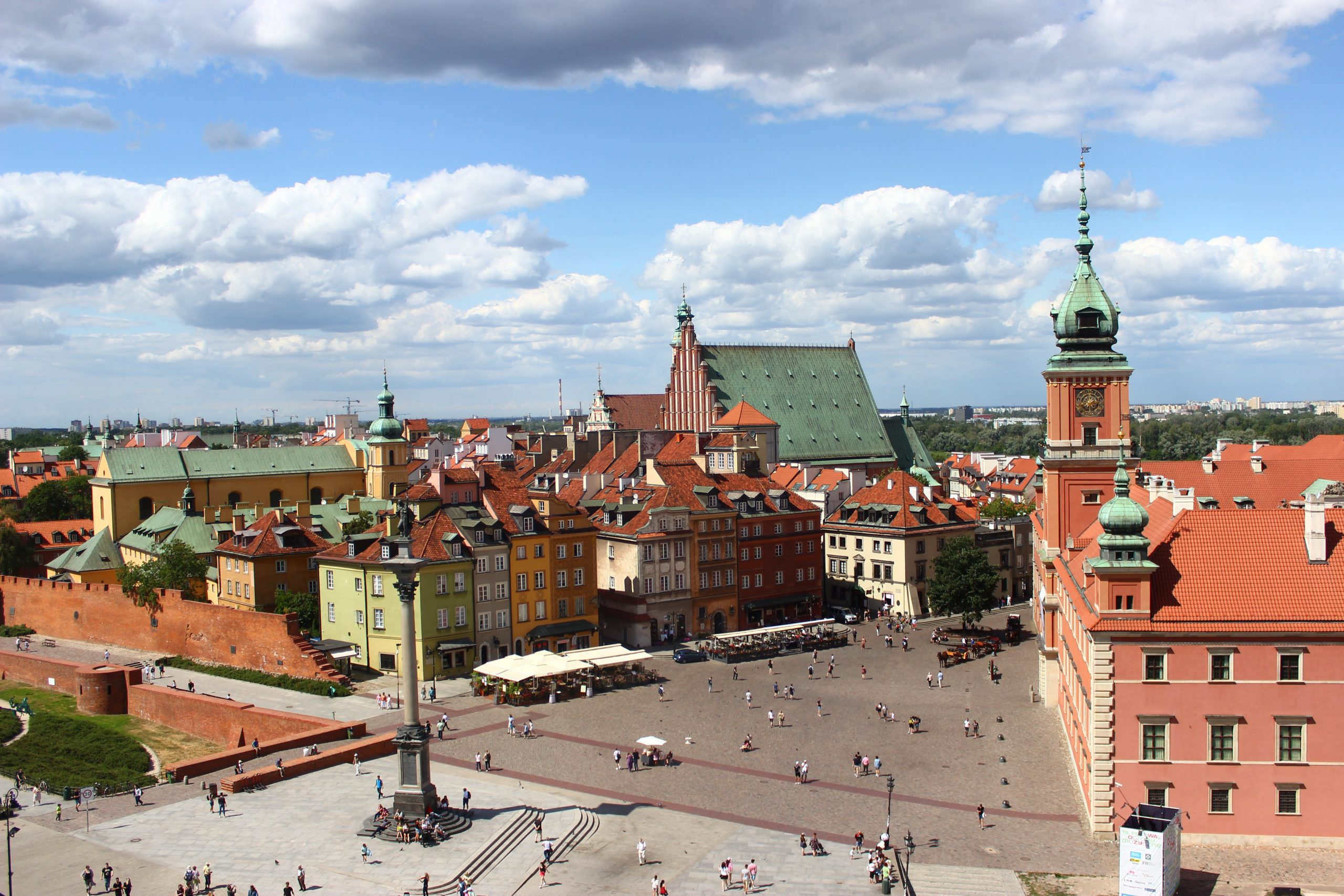
From Warsaw to Kraków, Poland merges a robust economy with still-reasonable living expenses. Post-communist rejuvenation yields modern infrastructure, yet rent and daily costs lag behind Western Europe, including Spain’s coastal hubs.
Daily Life Highlights
- Apartment rents: A 1-bed in Kraków might be €400–500, less if you choose non-touristy neighborhoods.
- Hearty food: Local markets and Polish staples (pierogi, bigos) remain wallet-friendly.
- History & modern mix: Vibrant old towns, plus new business districts—good for jobs or start-ups.
Cultural Note
Polish winters are cold, but coffeehouse culture thrives year-round. The younger generation speaks decent English, making integration smoother.
Bottom Line
Yes, southern Spain’s climate is milder. But if you prefer a city with four seasons, dynamic cultural events, and lower rent, Poland can outdo Spain’s pricier urban scene.
3. Georgia (The Country, Not the U.S. State)

Why It’s Cheaper
Georgia sits at the crossroads of Eastern Europe and Asia. Tbilisi’s cost of living is way below Western European standards—rents can be a quarter of Spanish metros. Food, transport, and utilities also remain dirt cheap.
Daily Life Highlights
- Incredible scenery: Caucasus mountains, Black Sea resorts, ancient monasteries.
- Food & wine: Georgian cuisine (khachapuri, khinkali) plus a 7,000-year winemaking tradition—some of the world’s oldest.
- Easy visa: Many foreigners get 1-year visa-free entry. Remote workers flock here for flexible rules.
Cultural Note
Georgians are famously hospitable—supras (traditional feasts) can blow your mind with endless toasts and shared plates. English can be hit-or-miss outside Tbilisi, but younger folks learn quickly.
Bottom Line
Yes, Spain’s EU membership is easier for certain residency perks. But Georgia’s lenient entry, low rent, and growing digital nomad scene can be a dream for cost-conscious expats.
4. Serbia
Why It’s Cheaper
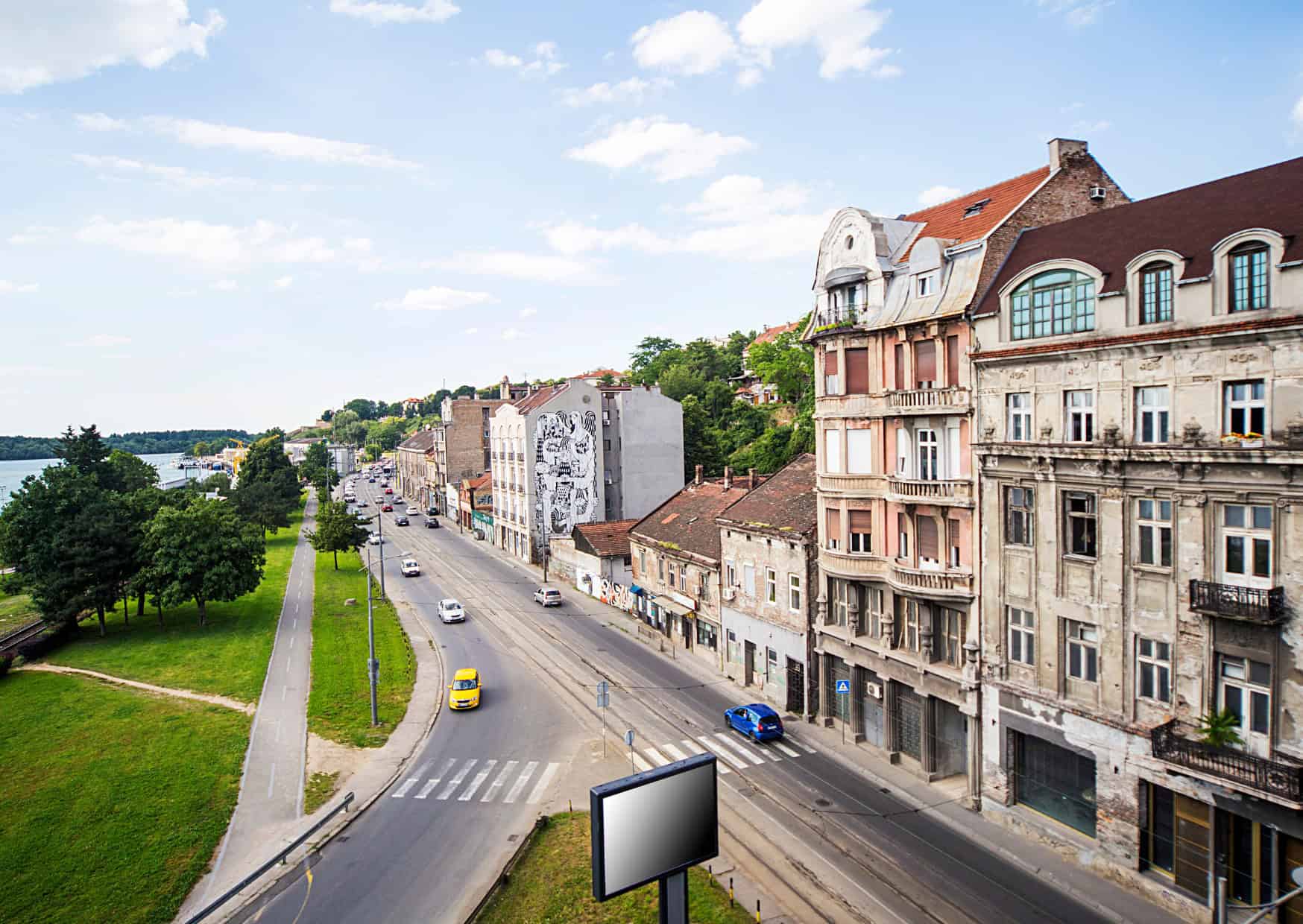
Serbia remains under many expats’ radar, though Belgrade is famed for nightlife and historical charm. Wages for locals are lower, so living costs align—rents and day-to-day bills are significantly below Spain’s levels.
Daily Life Highlights
- Belgrade: A vibrant capital blending old fortresses with a modern café and bar culture.
- Food: Meat-heavy cuisine, cheap produce markets, Balkan pastries.
- Regional trips: Serbia’s mountainous corners (Tara, Kopaonik) or scenic river valleys give you nature breaks.
Cultural Note
Serbs can be direct but friendly. English is moderately widespread among younger folks. Winter gets cold, so plan for real seasons, not Spain’s mildness.
Bottom Line
Yes, you won’t find Mediterranean beaches here. But if a lively city with low rent and a party vibe appeals, Serbia can outdo many Spanish cities on the cost front.
5. Romania

Why It’s Cheaper
Romania offers cheap housing, even in big cities like Bucharest or the medieval gem Brașov, nestled by the Carpathian Mountains. Food, transport, and utilities also tend to run well below Spain’s coastal or urban hotspots.
Daily Life Highlights
- Urban and rural: You can do city life in Bucharest or a quaint Transylvanian town with cobblestone streets and Saxon churches.
- Internet: Romania boasts some of the fastest (and cheapest) broadband in Europe—great for remote workers.
- Rich history: Castles galore, scenic mountain routes, Danube Delta biodiversity.
Cultural Note
Romania is bridging old communist legacies and new capitalism. Expats note a warm curiosity from locals if you show genuine interest in language and traditions.
Bottom Line
Yes, Spain’s beaches lure many. Romania’s smaller tourist wave, low rent, and strong internet can be a big draw—especially if you’re flexible with climate and location.
6. Albania
Why It’s Cheaper
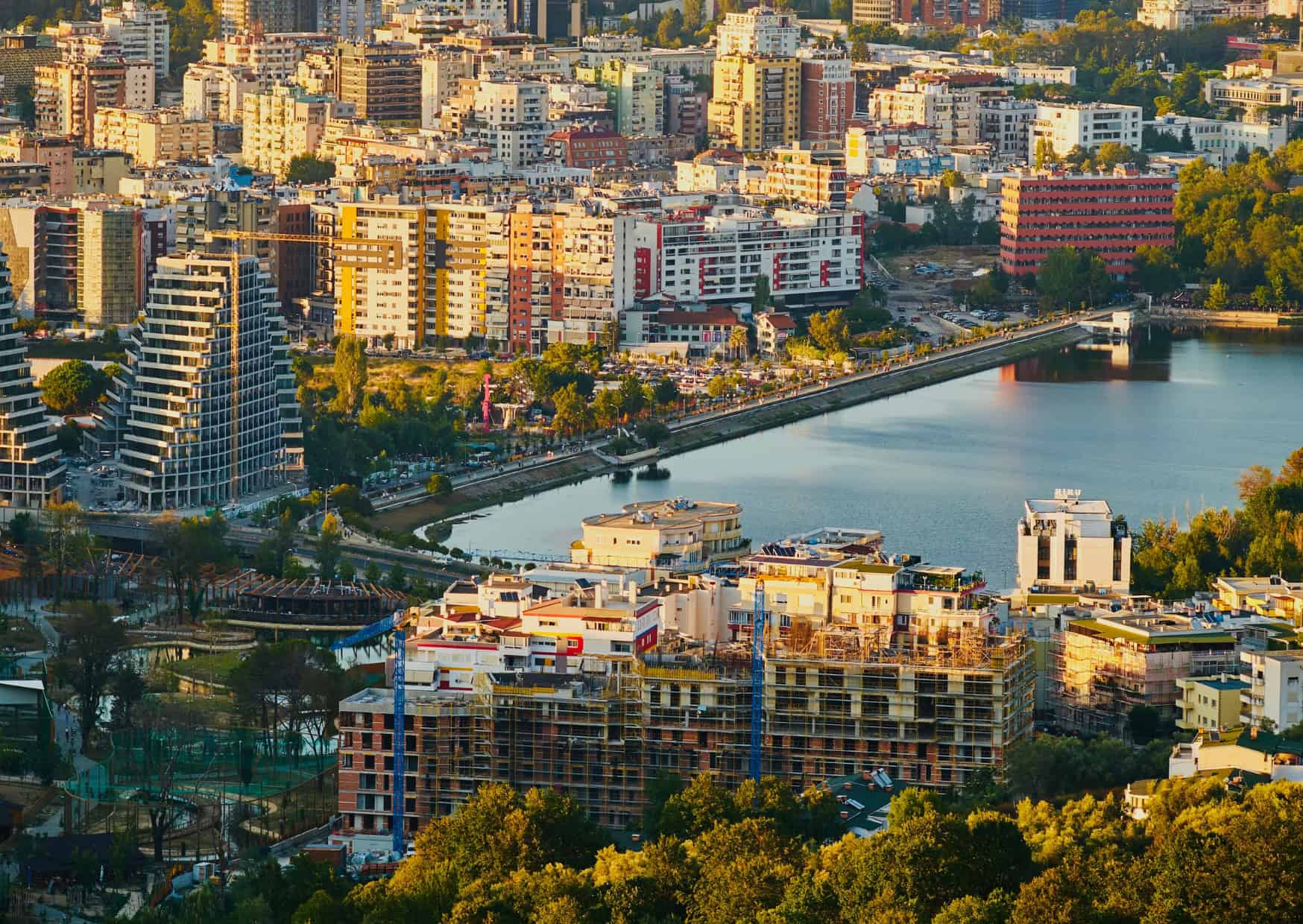
Albania is the budget darling of the Balkans, with up-and-coming seaside towns along the Albanian Riviera and a historically undervalued real estate market. Daily costs remain far below Western standards, including Spain’s.
Daily Life Highlights
- Tirana: The capital is evolving fast—cafés, co-working spaces, lively expat nights.
- Seaside: Places like Saranda or Ksamil have turquoise waters, overshadowing typical Spanish beaches if you want quiet coves.
- Mountains: The interior is great for weekend hikes, with minimal tourist infrastructure = cheaper getaways.
Cultural Note
Albanians are famously hospitable, often speaking some Italian or English. Infrastructure is improving but still lags behind Western Europe—adjust your expectations for roads or public transport.
Bottom Line
Yes, Spain is more developed, but if you’re seeking “untapped” Mediterranean living on a shoestring, Albania stands out in 2026—bargain housing, scenic beaches, warm locals.
7. Turkey’s Coastal Towns

Why It’s Cheaper
Turkey straddles Europe and Asia, with the Aegean or Mediterranean coasts offering mild climates, scenic beaches, and lower cost of living than Spain’s Costa del Sol. The Turkish lira remains favorable for foreigners.
Daily Life Highlights
- Cities: Antalya, Fethiye, Bodrum, or smaller seaside hubs with resort amenities.
- Food: Cheap local produce, mouthwatering kebabs, meze spreads.
- Cultural blend: Ancient ruins, Ottoman towns, plus modern infrastructure in bigger areas.
Cultural Note
English is common in tourist zones, but learning basic Turkish helps navigate bureaucracy. Some expats navigate potential political shifts or visa changes, but the day-to-day coastal life can be tranquil and cost-efficient.
Bottom Line
Yes, Spain’s cutesy white villages might be charming, but Turkish beach towns deliver equally sunny vibes and a lower monthly budget. Check local rules for property ownership or residency.
Conclusion: Look East (and North) for Bigger Savings
Spain remains a popular expat haven sun, siesta, and good infrastructure but by 2026, many of its prime cities and coastal spots became pricier, especially with demand from digital nomads and retirees. If you want to cut living costs while still enjoying a European lifestyle, countries like Bulgaria, Poland, Georgia, or Albania might give you the best bang for your buck.
Each region has its quirks (language barriers, colder winters, less tourism polish), but they also offer an authentic cultural vibe and monthly expenses significantly below Spain’s. So if you’re flexible, adventurous, and not fixated on the Spanish dream, these 7 alternatives could open up fresh horizons without breaking the bank.
Pro Tip
Before packing up, check visa and residency rules some of these countries might have easier digital nomad or long-stay permits than Spain. Factor in language study too if you want deeper integration. With those steps handled, you’ll be well on your way to a new life in a lesser-known European locale and a healthier monthly budget than the Spanish hotspots can offer. Enjoy the journey!

About the Author: Ruben, co-founder of Gamintraveler.com since 2014, is a seasoned traveler from Spain who has explored over 100 countries since 2009. Known for his extensive travel adventures across South America, Europe, the US, Australia, New Zealand, Asia, and Africa, Ruben combines his passion for adventurous yet sustainable living with his love for cycling, highlighted by his remarkable 5-month bicycle journey from Spain to Norway. He currently resides in Spain, where he continues sharing his travel experiences with his partner, Rachel, and their son, Han.