
Last updated on May 14th, 2026 at 04:56 pm
And what it reveals about net life, not gross pay
You meet a teacher in Valencia who earns around €30,000 and somehow lives ten minutes from the beach, eats well, sees a doctor without stress, and takes a real two-week holiday. Then you call a friend in Austin on a $100,000 salary who is delaying a dentist visit, driving an $800-a-month car, Venmo-ing babysitters, and begging for long weekends. The math looks upside down until you stop staring at the headline number and start tracking what actually reaches a household in time, services, and sanity.
The gap is not about cappuccinos versus willpower. It is about system design. Europeans pay for many essentials through taxes and regulated utilities, then receive those essentials at the point of use for little or nothing. Americans pay less up front, then re-buy the same essentials piecemeal at retail prices. The result is a bigger salary that vanishes into fixed bills before it becomes a life.
If you want to know who is “richer,” do not ask who makes more. Ask who keeps more of their day, health, and attention after the bills that cannot be dodged. That is where a modest European income often outperforms a comfortable American one.
What follows is a practical tour through the five drains that quietly empty big American paychecks, and the five design choices that let a €30,000 European salary feel surprisingly abundant.
Want More Deep Dives into Other Cultures?
– Why Europeans Walk Everywhere (And Americans Should Too)
– How Europeans Actually Afford Living in Cities Without Six-Figure Salaries
– 9 ‘Luxury’ Items in America That Europeans Consider Basic Necessities
Quick Easy Tips
Focus on cost of living, not salary numbers. When comparing places, calculate housing, transport, healthcare, and food. The number on your paycheck matters less than what it buys.
Prioritize lifestyle decisions over income growth alone. Free time, social networks, and daily routine may improve well-being more than raising your salary.
Research social support programs before moving. Benefits such as public healthcare, paid leave, and subsidized education can reduce financial pressure even at lower incomes.
The biggest controversy in comparing incomes between Europe and the United States is that salary alone does not define quality of life. Many Americans assume that a higher income guarantees more comfort, while Europeans often view money as one piece of a larger system shaped by housing costs, healthcare access, public transport, and social services. A person earning €30,000 in Europe benefits from subsidized education, controlled rents in some cities, and universal healthcare. Someone earning $100,000 in the U.S. may spend much of their income on medical bills, child care, taxes, and car ownership. Critics argue that comparing take-home salaries misses these structural differences.
Another point of disagreement lies in cultural priorities. Europeans frequently choose smaller housing, fewer possessions, and more free time. They view leisure as a core part of living well, not a reward after excessive work. In the United States, achievement is often measured by square footage, job title, and financial growth. People may work longer hours, skip vacations, and save aggressively, even if daily life feels stressful. Supporters of the American model argue that ambition drives innovation, while Europeans believe time is the true currency of quality of life. The debate reflects contrasting visions of what “success” means.
Taxes are also a controversial element. Americans criticize European tax rates as too high, while Europeans argue that they receive tangible services in return. A person earning €30,000 may pay similar or slightly higher tax percentages, but they receive healthcare, social protection, paid vacation, and affordable transit. In the United States, a $100,000 salary often requires additional spending to replace what the state does not provide. The controversy centers on whether real wealth comes from money kept or benefits received. Both sides defend their systems strongly, but the lived experience differs sharply.
1. From Gross Pay To Real Life: The Spending You Cannot Escape

A €30,000 salary looks small next to $100,000, yet the lived experience hinges on fixed costs that do not care about your ambition. In many European cities, the largest nonnegotiables are bundled or subsidized: health coverage is automatic, transit is affordable, and public schools and universities are not financial landmines. That means a larger share of income can flow to food, housing close to work, and actual leisure.
Americans often discover that “take-home” is a mirage once premiums, deductibles, car payments, insurance, and childcare show up. A six-figure income gets carved into predictable slices before fun even enters the chat. The remaining money buys a long commute, a short fuse, and a feeling that you must sprint harder just to stay still. The difference is not only euros versus dollars but purchasing power versus billing obligations.
Europeans also keep more disposable hours. When services are near, buses are frequent, and vacation is protected by law, you gain time you do not have to buy back with delivery fees or last-minute fixes. Time is money, yes, but it is also meals with friends, early nights, and fewer panic purchases. The quieter dividend of a social state is a calendar that breathes.
None of this says tax bites are painless or that every country does it the same way. It says that when nonnegotiables are socialized and regulated, the household budget is calmer. Calm budgets are powerful, because calm budgets unlock calm choices.
2. Health Insurance: The Stealth Tax On American Salaries
Ask an American family where their paycheck goes and premiums show up fast. Employer plans now cost well into the mid-twenties thousands per year for family coverage, with workers typically paying a meaningful slice themselves. Even single coverage premiums add up quickly for a 20- or 30-something trying to build savings. This is before the first clinic visit.
Then there are deductibles. Meeting nearly two grand out of pocket for basic care is common, rising higher for many small-employer plans. Families who budget carefully can still be undone by a broken wrist or a lingering infection that ricochets across a few specialists. The financial anxiety changes behavior, which is how you get people skipping preventive care and buying over-the-counter band-aids for problems that need a professional.
In most of Europe, universal coverage flips the sequence. Households fund health care through taxes and insurance contributions, then pay little or nothing at the point of service. You still wait sometimes, you still grumble about bureaucracy, but you do not think twice about booking an appointment. Health becomes routine maintenance, not a financial cliff. Feeling free to see the doctor is itself a form of wealth.
If you want a clean, apples-to-apples salary comparison, you must pull health costs out of the American number first. What looks like extra income is often money already spen
3. Transportation: The Car Payment That Eats The Weekend

Car dependency is a budget you carry on your back. For many U.S. households, a reliable car means a loan, rising insurance, fuel, parking, and repairs that together pile into a four-figure monthly burn. Stretch that across five years and the total cost is shocking. Two cars, which many suburbs effectively require, makes the number feel surreal.
Europe’s answer is not austerity. It is urban density and transit built to be used. When your daily life sits on top of trains, trams, and bikes, your second-biggest bill disappears. The math is simple: a monthly transit pass is far cheaper than a monthly car payment, and the pass does not explode on a Tuesday because a sensor failed. Even in car-friendly countries, rail and bus networks keep the default affordable.
Some governments make the choice explicit. A transit pass that covers nearly all local and regional transit for a predictable monthly fee turns commuting into a utility, not a gamble. You still might own one car, especially outside city centers, but the baseline cost of reaching your job, your mother, and the grocery store is steady. That steadiness is real purchasing power.
There is also time. Transit rides turn into reading, email triage, and people-watching. Not glamorous every day, but friction-free enough that you arrive with energy left to cook instead of ordering takeout. The right to arrive calm is underrated wealth.
4. Time Off: Why Paid Leave Feels Like Found Money

When you add paid leave to a budget, cash stretches further because you are not paying to escape burnout every other month. Europeans typically receive a legal floor of paid vacation each year, separate from public holidays, plus rest break and weekly rest protections. This is not a perk. It is baked into employment law.
That statutory vacation changes how families plan. Trips can be booked off-season, childcare swaps can be arranged with relatives, and medical appointments can land on weekdays without drama. Fewer emergencies become expensive emergencies. When rest is predictable, weekends do their job.
Parental time is its own line item. Across the European Union, minimum rights to paternity leave, parental leave, and carers’ leave are anchored in law, with national schemes that go far beyond the floor. The United States offers unpaid job protection through FMLA for eligible workers, but no federal guarantee of paid time. The result is predictable: new parents patch together PTO, burn savings, or leave the workforce when they would rather not. Work-free time is not a lifestyle preference. It is a household cashflow tool.
There is a culture component too. Taking all your vacation and actually logging off is normal in Rome and Rotterdam. It is still treated as a negotiation in many U.S. offices. When rest is default, you do not spend money medicating the lack of it.
5. Childcare And Schooling: The Budget That Breaks Or Bends
For families, child care decides everything else. In the United States, annual center-based prices now rival a small mortgage in many metros, and infant care can crest far above that. Families with two kids routinely face five figures per year, per child, before anyone talks about camps, after-school care, or a sitter when a school day ends at 2:45.
European models vary, but the center of gravity leans toward public or heavily subsidized preschool, capped fees, and guaranteed places once a child reaches a certain age. That does not make every city a childcare paradise, yet it does mean far fewer parents are forced into part-time work just to make numbers pencil. The system takes the shock out of the bill, which is what affordability actually feels like on the ground.
The school pipeline matters too. Public primary and secondary schooling is broadly trusted, which lowers private tuition anxiety. University fees range from modest to nominal for residents in many countries. That keeps savings goals sane, and it frees up cash in the earliest, most fragile years of a family budget. After-school programs and neighborhood autonomy further reduce the need to buy time with money.
Add paid parental leave to the mix, and the first two years of parenthood do not financially erase the next ten. When the state shoulders more of the costs during the most expensive seasons of life, families are not forced to pick between children and solvency.
6. Housing And The Time Dividend
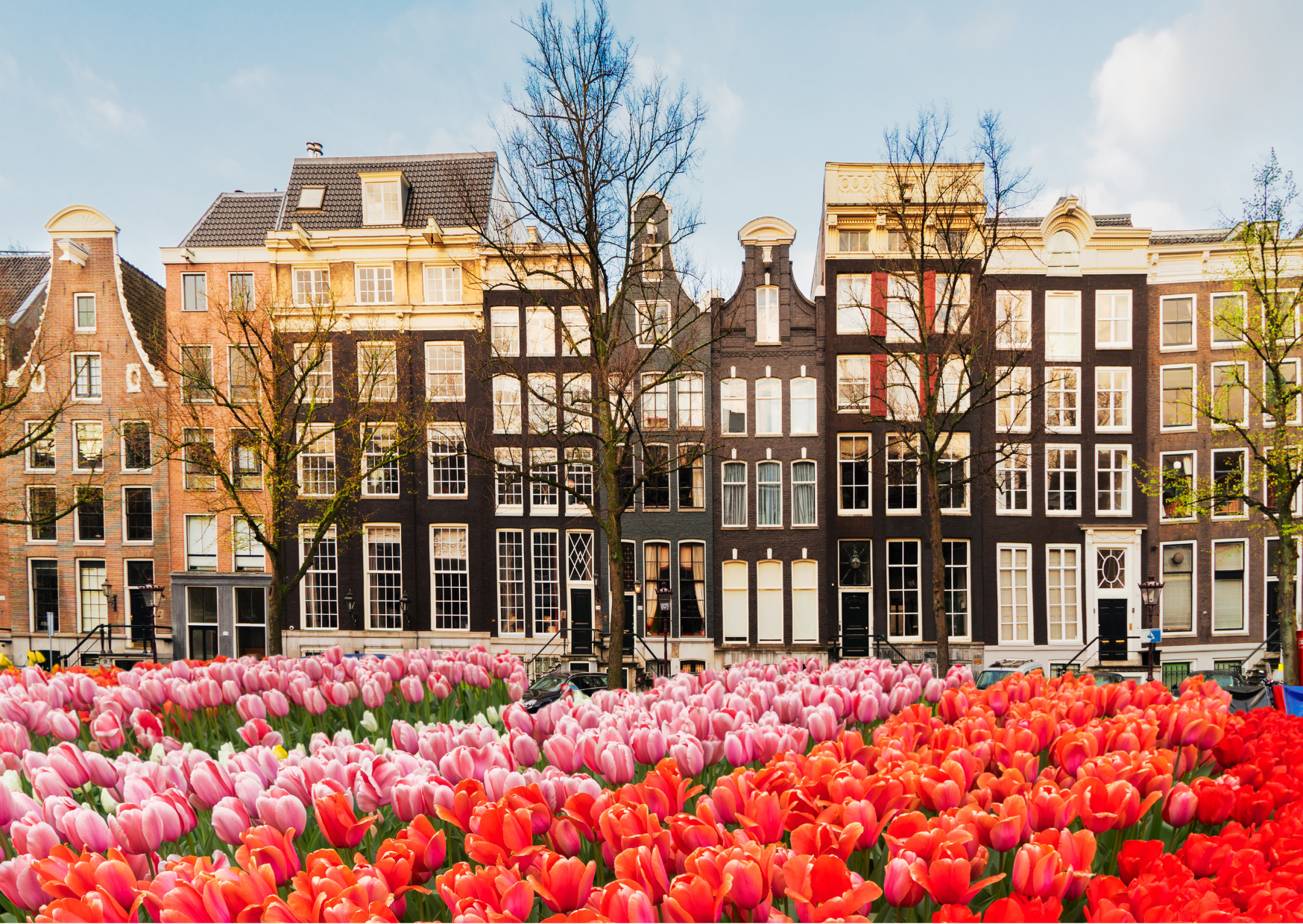
American housing often swaps distance for square footage. A bigger home many miles from work looks like a win until you tally the commute, the second car, the lawn equipment, and the hours spent shopping to fill extra rooms. Europeans, especially in older cities, accept fewer rooms in exchange for walkable neighborhoods where a bakery, a pharmacy, and a bus stop sit under the same sky.
That trade boosts cashflow. Smaller spaces mean lower utility bills and fewer impulse purchases. Repairs cost less because there is less to maintain. Proximity reduces the need to outsource chores, which is how a couple can cook more meals instead of eating on the road. A home that harvests time is richer than a home that manufactures chores.
Tenant rules and norms also shift the calculus. Many European markets feature longer default lease terms, predictable renewal conditions, and, in some places, regulated increases. Without making sweeping claims about every city, the general experience is fewer sudden shocks. That stability helps households plan, save, and avoid expensive moves. Rent protections are not just legal text. They are budget oxygen.
The side effect of compact living is social life on the street, not behind a windshield. When a park or square is your extended living room, entertainment costs less. Children need fewer paid activities when play is built into the block. The time dividend piles up quietly until one day you realize your calendar costs less than your closet.
7. The Public Services Bundle: Paying Once, Using Often

Think of Europe’s model as public goods on subscription. You pay through taxes, then tap health care, transit, schooling, libraries, and parks without pulling out a card. Whether you swipe a transit pass seventy times this month or seven, the price barely moves. Whether you see the GP twice or not at all, coverage stands ready. Predictability is the product.
In the United States, the same needs are satisfied at the point of sale. Health care comes as a premium plus a bill. Mobility comes as a car note plus repairs. University comes as a tuition line item that parents shoulder for years. There is flexibility in that system, but the risk pooling is thin. The unlucky pay the most, which is the opposite of how insurance is supposed to work.
Budgeting is about variance as much as totals. Households with low variance can plan and invest. Households with high variance hoard cash and cancel plans. When more essentials are socialized, a lower-income family can still snag a week at the seaside and a dinner out without sweating whether a cavity will erase both. Social insurance is not only about poverty relief. It is about stabilizing the middle.
The point is not to romanticize bureaucracy. The point is to notice what happens when essentials feel like gravity rather than weather. Gravity is predictable. Weather empties savings.
8. Lifestyle Inflation: When Status Eats The Raise

American culture is friendly to status spending. Pay rises arrive and immediately want a larger house, a newer SUV, a kitchen reno, more subscriptions, and a school district upgrade. The purchases are not irrational. They are trying to buy time, safety, and proximity in a system that sells those things retail.
European norms redirect the raise. With health care handled and transit cheap, a bump in salary often goes to travel, dining, or savings. Smaller homes put a speed governor on furniture and gadgets. Public life provides entertainment without constant tickets. The result is less conspicuous consumption because there is less pressure to prove you belong through square footage and trim packages.
Culture is not law, and every country has its splurges. The practical difference is that modest earners can assemble a satisfying life from markets that are not hostile to their pay. You do not need to be a monk. You just need a city that meets you halfway.
If your budget groans under invisible “must-haves,” it is not a character flaw. It is a sign that your environment monetizes basic functionality. The richest thing you can do is refuse to convert every extra dollar into a new obligation.
9. Adopting The European Playbook Wherever You Live

You do not need a new passport to buy back breathing room. Start with a fixed cost audit. Your premiums, car ownership, and childcare are draining more than you think. The moment you can reduce any one of those by a third, your life feels bigger than any raise. Chip away relentlessly.
Try downgrade-to-upgrade swaps. Move one transit stop closer instead of one bedroom bigger. Keep one car instead of two and re-route the savings to a vacation fund you actually use. Switch from scattered out-of-network providers to a primary-care-first routine that prevents pricey surprises. The goal is not deprivation. The goal is trading bills for breathing room.
Guard your net hourly life. A six-figure salary that devours nights and health is a bad deal if a smaller number keeps your Sundays and your spine. Time off is not an indulgence. It is a multiplier. The calendar you protect will pay you every month in lower stress spending and better decisions.
Finally, design your community on purpose. Pick proximity over prestige where you can. Join the free things that make Europe feel rich on less: parks, libraries, clubs, public pools, and long dinners at home with friends. Luxury is not a product. It is a rhythm.
A Simple Rule For Feeling Rich On A Modest Salary
The miracle of the €30,000 European lifestyle is not magic. It is the absence of booby traps. When basic services are prepaid, when leave is guaranteed, when mobility does not bankrupt you, when schooling does not loom like a storm, the remaining income stretches until it covers a life. The secret is not coffee or thrift. It is design.
If you live in the United States and do not plan to move, you can still play the same game. Lower the variance in your monthly budget. Spend aggressively to take recurring costs down. Buy back time with location, not square footage. Protect vacations like paychecks. When you stop forcing money to fight fires, it starts to build a life.
That is why a teacher by the Mediterranean on €30,000 can feel relaxed while a software engineer on $100,000 feels raced. The teacher’s bills match human needs. The engineer’s bills match business models. Choose the first template where you can. Your salary will not change, but your wealth will.

About the Author: Ruben, co-founder of Gamintraveler.com since 2014, is a seasoned traveler from Spain who has explored over 100 countries since 2009. Known for his extensive travel adventures across South America, Europe, the US, Australia, New Zealand, Asia, and Africa, Ruben combines his passion for adventurous yet sustainable living with his love for cycling, highlighted by his remarkable 5-month bicycle journey from Spain to Norway. He currently resides in Spain, where he continues sharing his travel experiences with his partner, Rachel, and their son, Han.